Lymphedema
Lymphedema is chronic swelling caused by lymph fluid buildup. Learn symptoms, causes, diagnosis and treatment options.

Quick answer
Lymphedema is swelling caused by a buildup of lymph fluid when the lymphatic system is damaged or blocked, most often affecting an arm or leg. Treatment depends on the cause and severity and may include compression therapy, exercise, skin care, manual lymph drainage, and in selected cases surgery, with diagnosis and care coordinated by specialists at Acibadem in Turkey.
Lymphedema is a long-term condition in which lymph fluid builds up in tissues, causing swelling, most often in an arm or leg. It develops when the lymphatic system is missing, damaged, blocked or not working well enough to drain fluid normally.
Overview
Lymphedema is chronic swelling caused by a buildup of lymph fluid in the body’s tissues. Lymph is a clear fluid that carries immune cells, proteins and waste products through a network of lymph vessels and lymph nodes. When this drainage system is damaged, underdeveloped or blocked, fluid can collect under the skin and cause swelling, firmness and discomfort.
Lymphedema most often affects one arm or one leg, but it can also involve both legs, the hands, feet, face, neck, chest, abdomen or genital area. It may appear gradually and can range from mild swelling that comes and goes to more persistent swelling with skin thickening. The condition is usually long term, but many people manage it well with regular care and support.
There are two main forms. Primary lymphedema occurs when the lymphatic system does not develop normally, sometimes from birth and sometimes later in life. Secondary lymphedema is more common and happens after damage to lymph vessels or lymph nodes, such as after surgery, radiotherapy, cancer, infection, injury or chronic vein problems.
Symptoms
The main symptom of lymphedema is swelling that persists or returns repeatedly. At first, the swelling may be soft and more noticeable at the end of the day, after standing, after heat exposure or after activity. Over time, the affected area may feel heavier, tighter or less flexible, and clothing, shoes, watches or rings may feel unusually tight.
Common lymphedema symptoms include:
- Swelling of part or all of an arm, leg, hand, foot or other body area
- A feeling of heaviness, fullness, aching or tightness
- Reduced range of movement in nearby joints
- Skin that feels firm, thickened or less elastic
- Recurring skin infections, redness or tenderness
- Hard-to-heal cuts, blisters or skin irritation in the swollen area
Lymphedema can also affect the appearance and texture of the skin. In more advanced cases, the skin may become thicker, drier or more folded, and the swelling may become harder to reduce. Symptoms can be physically uncomfortable and may also affect body image, work, travel and daily activities, so supportive care is an important part of treatment.
Causes & Risk Factors
Lymphedema develops when lymph fluid cannot drain normally. In primary lymphedema, the cause is an abnormality in the lymphatic vessels or nodes, which may be present from birth or become noticeable during puberty, adulthood or later life. This type is sometimes linked to inherited conditions, although not everyone with primary lymphedema has a known family history.
Secondary lymphedema occurs when lymph drainage is damaged or obstructed. Possible causes and risk factors include surgery that removes or injures lymph nodes, radiotherapy, cancer that blocks lymph flow, trauma, burns, severe skin infection, obesity, limited mobility and chronic venous insufficiency. Some infections that affect the lymphatic system can also lead to lymphedema, particularly in certain parts of the world.
Not everyone with a risk factor will develop lymphedema. The likelihood depends on the number of lymph nodes affected, the extent of tissue damage, overall health, weight, skin condition and other circulation problems. People who have had cancer treatment involving lymph nodes should ask their care team about individualized prevention and early detection advice.
Diagnosis
Lymphedema diagnosis begins with a medical history and physical examination. A specialist will ask when the swelling started, whether it changes during the day, whether there has been surgery, radiotherapy, infection, injury or cancer, and whether there are symptoms such as pain, redness or shortness of breath. The doctor examines the swollen area, compares both sides of the body and checks the skin, pulses and joint movement.
In many cases, lymphedema can be suspected from the pattern of swelling and the person’s risk factors. However, other causes of swelling may need to be ruled out, including blood clots, heart or kidney disease, liver disease, venous insufficiency, medication-related swelling, inflammation and infection. This is important because different causes of swelling require different treatment.
Tests may include ultrasound to assess veins and rule out deep vein thrombosis, blood tests if a medical cause of swelling is suspected, or imaging of the lymphatic system when the diagnosis is unclear or surgery is being considered. Specialized tests may include lymphoscintigraphy, indocyanine green lymphography, MRI or CT, depending on the clinical situation and available expertise.
Treatment Options
Lymphedema treatment aims to reduce swelling, protect the skin, improve comfort and preserve movement. The right approach is decided by a qualified specialist after assessment of the cause, stage, body area involved, skin condition, general health and patient goals. Treatment is usually ongoing and works best when the person is taught safe self-care techniques.
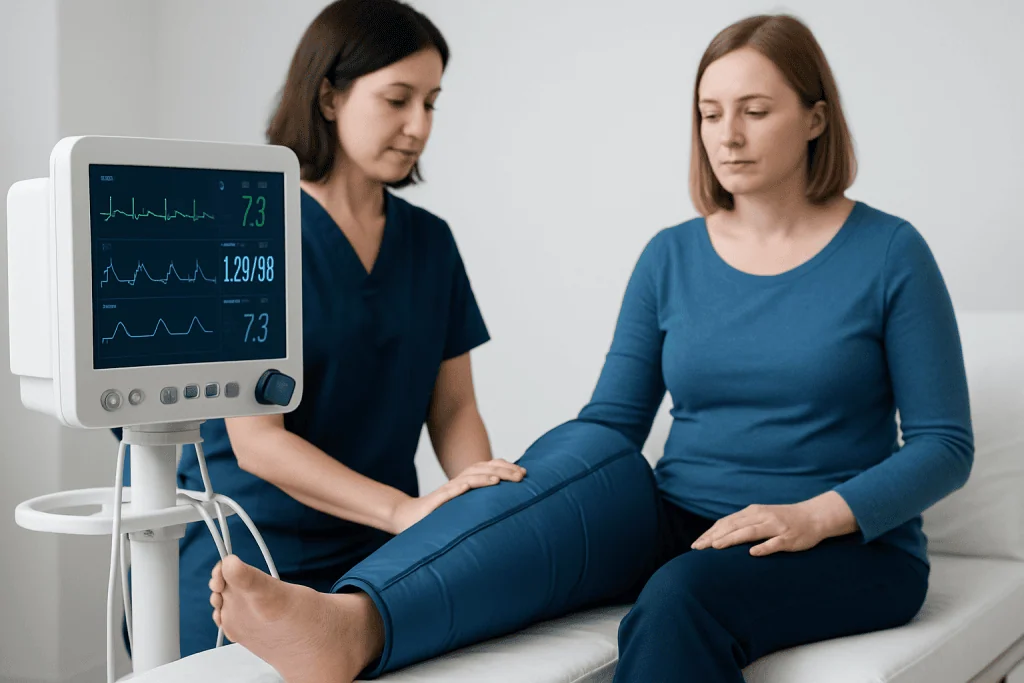
Conservative treatment is often the foundation of care. It may include compression garments or bandaging, careful skin hygiene, moisturising, exercise, elevation when appropriate, weight management support and education on avoiding skin injury. Manual lymph drainage, a gentle specialist massage technique, may be used as part of complete decongestive therapy when suitable. Compression should be fitted and monitored by trained professionals, especially if there is arterial disease, heart failure, infection or fragile skin.
When infections occur, prompt medical treatment is important because cellulitis can worsen swelling and damage lymph vessels further. Rehabilitation may help with strength, flexibility, posture, walking, arm function and return to normal activities. Psychological support can also be valuable for people coping with a long-term visible condition.
Selected patients may be assessed for surgical treatment, particularly when conservative care does not provide enough control or when there are specific anatomical findings. Surgical options may include procedures designed to improve lymph drainage or reduce excess tissue, but not all patients are candidates. A vascular, plastic reconstructive or lymphatic surgery team may work together with physiotherapists, oncology teams, dermatologists and rehabilitation specialists to decide the safest plan.
Living With / Prognosis
Lymphedema is usually a chronic condition, but it can often be controlled with consistent care. Many people maintain work, exercise, travel and daily activities by following a personalized plan for compression, skin care and movement. Early treatment can help prevent progression and reduce the chance of complications such as skin infections and increasing tissue firmness.
Daily habits are important. People with lymphedema are usually advised to keep the skin clean and moisturised, treat small cuts promptly, avoid tight constriction, wear properly fitted compression if prescribed, stay active within comfort limits and protect the affected area from burns, insect bites and injuries. Any new exercise program should be introduced gradually, especially after cancer treatment or surgery.
Living with lymphedema can involve practical and emotional adjustments. Swelling may change with heat, long flights, prolonged standing, hormonal changes or changes in body weight. Regular follow-up helps review garment fit, monitor the skin and adapt treatment as needs change. For international patients, Acibadem International offers diagnosis and treatment through multidisciplinary specialists in JCI-accredited hospitals, with care planned according to each patient’s medical assessment.
When to See a Doctor
A doctor should assess persistent or unexplained swelling, especially when it affects one limb more than the other, gradually worsens, or occurs after cancer treatment, lymph node surgery, radiotherapy, infection or injury. Early medical advice can confirm the cause and help start appropriate care before swelling becomes harder to control.
Urgent medical attention is needed if swelling appears suddenly or is accompanied by severe pain, redness, warmth, fever, chills, chest pain, shortness of breath or coughing blood. These symptoms may indicate infection, a blood clot or another condition that needs prompt assessment. A swollen limb that becomes rapidly tighter, very painful, numb or discoloured should also be evaluated urgently.
People already diagnosed with lymphedema should seek review if compression garments stop fitting, swelling increases despite usual care, skin breaks down, fluid leaks from the skin, or infections recur. Ongoing partnership with a healthcare team helps adjust treatment safely and supports long-term control.
Frequently asked questions
What is lymphedema?
Lymphedema is long-term swelling caused by lymph fluid collecting in the tissues. It happens when lymph vessels or lymph nodes are missing, damaged, blocked or not working well enough to drain fluid normally.
What are the early signs of lymphedema?
Early signs may include mild swelling, heaviness, tightness, aching or a feeling that clothing, shoes or jewelry are tighter than usual. The swelling may be more noticeable at the end of the day or after heat exposure. Early assessment is helpful because treatment can be more effective before tissue changes become established.
Can lymphedema be cured?
Lymphedema is often a chronic condition, and treatment focuses on control rather than a simple cure. With proper care, many people reduce swelling, prevent complications and maintain good function. The best plan depends on the cause, severity and the person’s overall health.
How is lymphedema treated?
Treatment may include compression garments or bandaging, skin care, exercise, manual lymph drainage, rehabilitation and education in self-management. In selected cases, surgery may be considered after specialist assessment. The right approach should always be decided by a qualified healthcare professional.
Is lymphedema the same as ordinary swelling or edema?
Lymphedema is a specific type of swelling caused by impaired lymph drainage. Ordinary edema can also occur from heart, kidney, liver, vein or medication-related causes. Because swelling has many possible causes, a medical evaluation is important before starting treatment.
Can lymphedema happen after cancer treatment?
Yes. Lymphedema can occur after cancer surgery or radiotherapy if lymph nodes or lymph vessels are removed, damaged or scarred. It may develop soon after treatment or months to years later, so people with this risk should report new swelling or heaviness to their care team.
What symptoms need urgent care?
Sudden swelling, severe pain, redness, warmth, fever, chest pain or shortness of breath should be assessed urgently. These symptoms may be related to infection, a blood clot or another condition that needs prompt medical attention.
References
- World Health Organization
- National Cancer Institute
- Mayo Clinic
- Cleveland Clinic
- International Society of Lymphology
This article is for general information only and is not a substitute for professional medical advice. Please consult a qualified doctor about your individual situation.