

Arthroscopy in Turkey: Treatment Guide
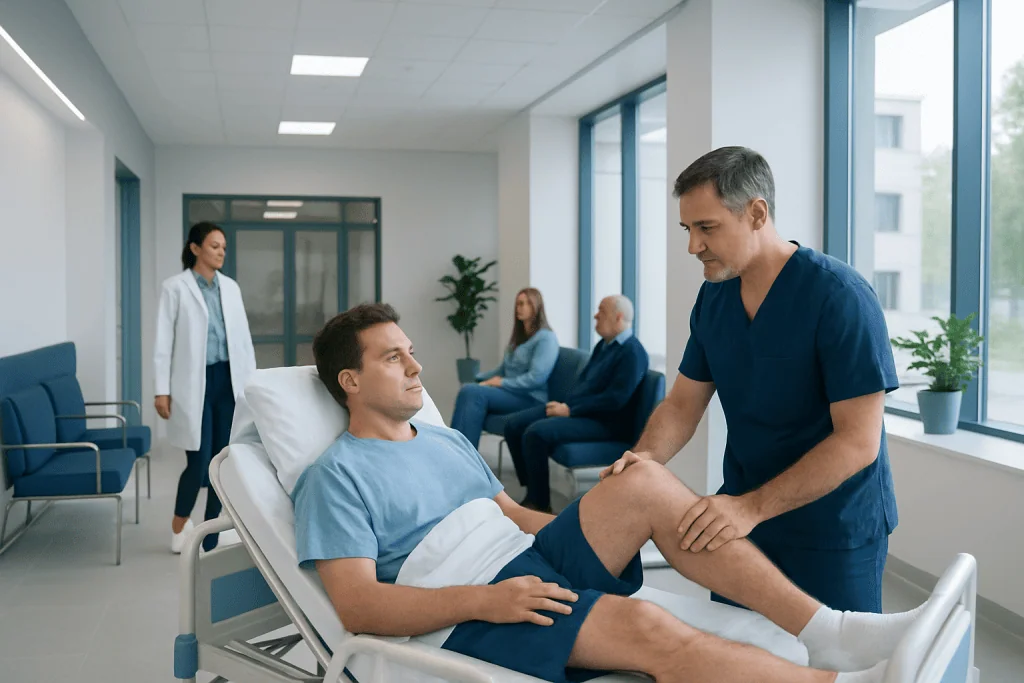
Arthroscopy is a minimally invasive procedure used to diagnose and treat joint problems by inserting a small camera and fine instruments through tiny incisions. At Acibadem in Turkey, arthroscopy is performed by orthopedic specialists for joints such as the knee, shoulder, ankle, hip, wrist, and elbow, with treatment planned according to the affected joint and the underlying condition.
This guide explains arthroscopy in Turkey, including when it may be recommended, common treatment options, recovery expectations, travel planning, and what international patients can expect at Acibadem. It is designed to help you prepare for a safe, well-informed consultation and treatment journey.
At a glance
- Procedure type: Minimally invasive orthopedic procedure using a small camera and specialized instruments
- Purpose: To diagnose and treat joint problems such as meniscus tears, ligament injuries, cartilage damage, shoulder impingement, and loose bodies
- Anesthesia: General, spinal, regional, or local anesthesia depending on the joint, procedure, and your medical condition
- Hospital stay: Often same-day discharge or 1 overnight stay; more complex procedures may require a longer stay
- Estimated recovery: Varies from a few weeks for minor procedures to several months for ligament or cartilage repair
- Return to daily life: Light daily activities may resume within days to weeks, depending on the joint treated and your surgeon’s instructions
- Final result timeline: Often 6 weeks to 6 months; ligament reconstruction or cartilage procedures may take longer
- Suitable department: Orthopedics and Traumatology, often with Sports Medicine and Physical Therapy support
- International patient support: Medical coordination, interpreters, airport transfers, accommodation guidance, appointment planning, and remote follow-up support
What is this treatment?
Arthroscopy is a minimally invasive orthopedic procedure used to look inside a joint and, when appropriate, treat problems through small skin incisions. A thin camera called an arthroscope is inserted into the joint, allowing the orthopedic surgeon to see the joint structures on a monitor. Special instruments can then be used to repair, trim, remove, or reconstruct damaged tissue, depending on your diagnosis.
Arthroscopy is commonly performed on the knee and shoulder, but it may also be used for the ankle, hip, wrist, or elbow in selected cases. It can help treat conditions such as meniscus tears, cartilage injuries, ligament problems, shoulder impingement, rotator cuff tears, labral tears, loose bodies, and some joint inflammation-related issues. The exact purpose of the procedure may be diagnostic, therapeutic, or both.
Because arthroscopy uses smaller incisions than traditional open surgery, many patients experience less soft tissue disruption, smaller scars, and a more structured early recovery. However, it is still a surgical procedure and requires careful evaluation, appropriate anesthesia planning, sterile operating room conditions, and a realistic rehabilitation plan. Your suitability can only be confirmed after an orthopedic examination and review of your imaging and medical history.
When is it recommended?
Arthroscopy may be recommended when joint symptoms continue despite appropriate non-surgical treatment, or when imaging suggests a mechanical problem that is unlikely to improve on its own. Common symptoms include persistent pain, swelling, locking, catching, giving way, restricted motion, or difficulty returning to sport or daily activities. The decision is based on the combination of your symptoms, physical examination, imaging findings, activity goals, and general health.
In the knee, arthroscopy may be considered for certain meniscus tears, loose bodies, selected cartilage lesions, ligament injuries requiring reconstruction, or persistent mechanical symptoms. In the shoulder, it may be used for rotator cuff repair, labral repair, shoulder instability, impingement-related procedures, or removal of inflamed tissue. In the ankle, hip, wrist, or elbow, it may be recommended for specific injuries, impingement, loose fragments, or selected cartilage and soft tissue conditions.
Not every painful joint needs arthroscopy. Some degenerative joint conditions, advanced arthritis, or pain without a clear mechanical cause may respond better to physiotherapy, medication, injections, lifestyle changes, or other treatment options. At Acibadem, orthopedic specialists review your case individually to help determine whether arthroscopy is likely to benefit you or whether another approach would be safer and more appropriate.
Who is a good candidate?
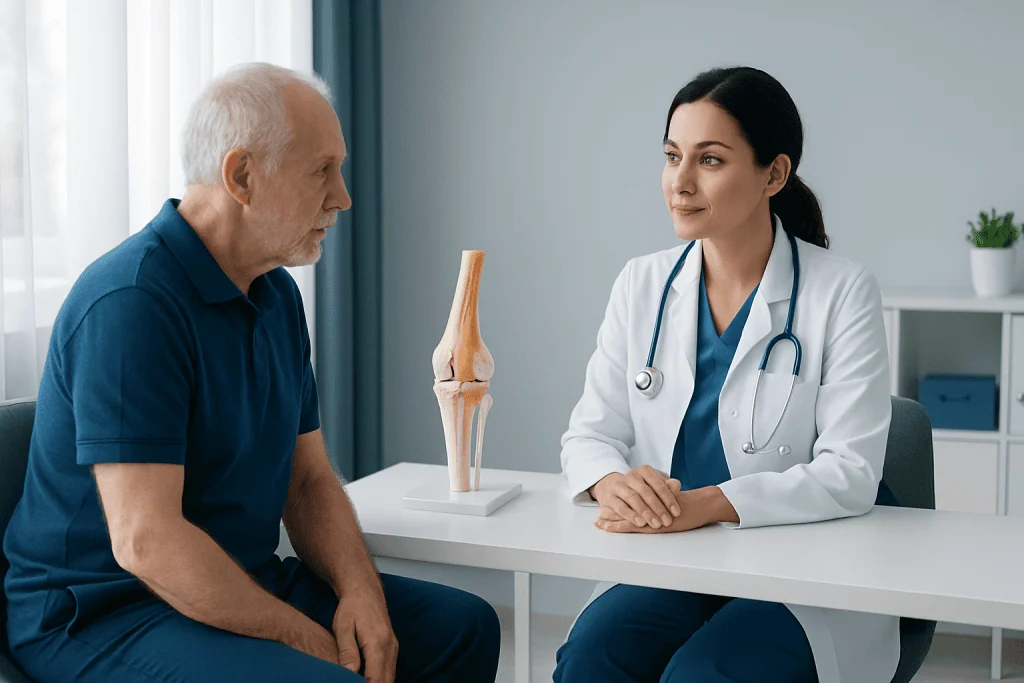
You may be a good candidate for arthroscopy if you have a clearly diagnosed joint problem that matches your symptoms and is treatable with minimally invasive surgery. Good candidates are typically able to follow post-operative instructions, attend physiotherapy, protect the joint during healing, and allow enough time before returning to demanding activities. Your expectations should be realistic: arthroscopy may reduce pain and improve function, but it cannot always fully restore a joint affected by long-standing damage or arthritis.
Your surgeon will also consider your age, activity level, weight, occupation, sports goals, previous surgeries, tissue quality, and any medical conditions such as diabetes, heart disease, circulation problems, or clotting disorders. If you smoke, have uncontrolled medical conditions, or have an active infection, your treatment may need to be delayed or modified to reduce risk. Medication use, including blood thinners and supplements, must be reviewed before surgery.
International patients should also be medically fit to travel and able to stay in Turkey long enough for in-person assessment, treatment, and early follow-up. If you have limited mobility, need assistance after discharge, or are undergoing a more complex reconstruction, travelling with a companion may be advisable. Your care coordinator can help you understand practical needs before you make travel arrangements.
Treatment options
Arthroscopy is not one single operation; it is a technique used for different joints and diagnoses. Knee arthroscopy may involve meniscus repair, partial meniscectomy, cartilage smoothing, microfracture or other cartilage procedures, removal of loose bodies, or anterior cruciate ligament reconstruction when indicated. Shoulder arthroscopy may include rotator cuff repair, labral repair, stabilization for recurrent dislocation, subacromial decompression, biceps tendon procedures, or treatment of joint stiffness.
For the ankle, arthroscopy may be used to treat impingement, loose cartilage or bone fragments, selected cartilage lesions, or chronic pain after injury. Hip arthroscopy may be considered for selected labral tears, femoroacetabular impingement, or loose bodies, although suitability depends strongly on joint shape, cartilage condition, and arthritis level. Wrist and elbow arthroscopy are more specialized procedures and are considered for carefully selected ligament, cartilage, or loose body problems.
Some arthroscopic procedures are primarily cleaning or trimming procedures, while others involve repair or reconstruction. This distinction matters because recovery can be very different. For example, a simple removal of a loose body may allow faster return to walking, while meniscus repair, rotator cuff repair, ligament reconstruction, or cartilage restoration usually requires more protection, a brace or sling, and a longer physiotherapy program.
Your treatment plan at Acibadem is individualized after review by orthopedic specialists. In some cases, arthroscopy may be combined with open or mini-open techniques, injections, bracing, or a staged rehabilitation plan. Your surgeon will explain why a specific option is recommended, what alternatives exist, and what outcomes are realistic for your joint condition.
Online evaluation before travel
Before you travel to Turkey, an online evaluation helps the medical team understand your condition and determine whether an in-person consultation for arthroscopy is appropriate. You may be asked to send recent MRI or CT images, X-rays, medical reports, a description of your symptoms, information about previous treatments, and details of any prior surgery. For visible swelling, deformity, or range-of-motion limitations, photos or short movement videos may sometimes be helpful.
The online review does not replace a physical examination, because joint stability, strength, tenderness, and movement must be assessed in person. However, it can help identify whether your case is suitable for orthopedic consultation, whether additional imaging may be needed, and how long you may need to stay. It also allows the international patient team to prepare appointment scheduling and explain practical steps before you book travel.
During this stage, it is important to share accurate information about your medications, allergies, chronic illnesses, and any previous anesthesia issues. If you have a history of blood clots, heart disease, uncontrolled diabetes, or recent infection, this should be communicated early. Clear pre-travel information supports safer planning and helps avoid unnecessary delays after arrival.
Before the treatment
Before arthroscopy, you will have an in-person consultation with an orthopedic specialist. The doctor will examine your joint, review your imaging, assess your movement and stability, and discuss your symptoms and goals. If your existing images are outdated or incomplete, additional X-rays, MRI, CT, ultrasound, or laboratory tests may be requested to confirm the diagnosis and plan the procedure safely.
You will also be evaluated for anesthesia and surgical fitness. This may include blood tests, electrocardiogram, chest imaging, or consultation with another specialist depending on your age and medical background. You should provide a complete medication list, including prescription medicines, blood thinners, anti-inflammatory drugs, vitamins, herbal products, and supplements. Do not stop or change medicines unless your physician instructs you to do so.
Your surgeon will explain the planned arthroscopic procedure, possible alternatives, expected recovery, rehabilitation requirements, and potential risks. You may receive instructions about fasting, showering, wound care, mobility aids, braces, or compression stockings. If physiotherapy will be required after surgery, the plan may be discussed early so you can continue rehabilitation after returning home.
What happens during the treatment
On the day of arthroscopy, you will be admitted to the hospital or surgical unit and prepared by the nursing and anesthesia teams. The joint and operative side are confirmed, your medical information is checked, and the anesthesia plan is reviewed. Depending on the procedure, you may receive general anesthesia, spinal anesthesia, regional nerve block, or a combination designed to support comfort and safety.
The surgeon makes small incisions around the joint to insert the arthroscope and instruments. Sterile fluid is used to expand the joint space and improve visibility. The surgeon examines the joint structures, confirms the diagnosis, and performs the planned treatment such as trimming torn tissue, repairing a tendon or labrum, reconstructing a ligament, removing loose bodies, or addressing selected cartilage damage.
At the end of the procedure, the instruments are removed, the small incisions are closed or dressed, and a bandage, brace, sling, or immobilizer may be applied. You are then moved to the recovery area, where your pain level, circulation, sensation, breathing, and vital signs are monitored. The surgical findings and immediate post-operative instructions are explained when you are ready, often with interpreter support if needed.
Hospital stay and discharge
Many arthroscopy procedures are performed as day surgery, meaning you may be able to leave the hospital the same day after recovery from anesthesia. Some patients stay overnight, especially after more complex procedures, ligament reconstruction, rotator cuff repair, hip arthroscopy, significant medical conditions, or if additional observation is needed. Your exact hospital stay depends on the joint treated, anesthesia type, pain control, mobility, and your surgeon’s recommendation.
Before discharge, the team will check your wound dressing, pain control, ability to move safely, and understanding of instructions. You may be advised on weight-bearing limits, sling or brace use, cold application, elevation, wound care, showering, medications, and physiotherapy. If crutches or another mobility aid are needed, you will be shown how to use them safely.
International patients usually have a first control visit before leaving Turkey. At this visit, your surgeon or care team may inspect the wound, review early recovery, adjust the dressing, clarify rehabilitation instructions, and assess whether you are fit to travel. It is important not to schedule departure too soon, because early follow-up helps detect issues and ensures you understand the plan for continuing recovery at home.
Recovery timeline
Recovery after arthroscopy depends greatly on the joint treated and the exact procedure performed. A minor diagnostic or trimming procedure may allow a faster return to routine activities, while a repair, reconstruction, or cartilage procedure requires more protection and a longer rehabilitation period. Your surgeon’s instructions are more important than general timelines, especially for weight-bearing, driving, work, and sport.
Physiotherapy is often a key part of recovery. It may focus on swelling control, gentle range of motion, muscle activation, gradual strengthening, balance, joint protection, and sport-specific training when appropriate. Returning too quickly to heavy activity can delay healing or increase the risk of re-injury, so progression should be guided by your medical team.
| Timeframe | What to expect |
|---|---|
| First 24 hours | Monitoring after anesthesia, dressing in place, swelling control, pain management, elevation or cold therapy, and limited movement according to instructions. |
| First week | Mild to moderate swelling, bruising, stiffness, and discomfort are common. You may use crutches, a sling, brace, or mobility aid depending on the procedure. A first control visit may be scheduled. |
| Weeks 2-4 | Many patients gradually increase daily activities and begin or continue physiotherapy. Stitches or wound care follow-up may occur. Work return depends on job demands and the joint treated. |
| Months 1-3 | Strength, flexibility, balance, and function usually improve. More complex repairs may still require activity restrictions. Your physiotherapist may progress exercises step by step. |
| Final result | Final improvement may take several months, especially after ligament reconstruction, rotator cuff repair, labral repair, or cartilage procedures. Results vary and depend on diagnosis, healing, rehabilitation, and joint condition. |
What to avoid after treatment
After arthroscopy, avoid activities that contradict your surgeon’s instructions, even if pain improves quickly. Do not place full weight on the leg, lift with the operated arm, remove a brace, drive, swim, or return to sport unless you have been cleared to do so. Pain relief does not always mean the repaired tissue has healed enough for stress.
You should avoid getting the wound wet until your care team says it is safe, and you should not apply creams, powders, or unapproved dressings to the incision area. Avoid smoking and nicotine products where possible, as they may negatively affect healing. Alcohol should be avoided when taking certain medications or when it may increase fall risk or interfere with recovery.
Long flights or prolonged sitting soon after surgery may increase stiffness and may affect circulation in some patients. If travel is approved, follow instructions about movement, hydration, compression stockings, and medication if prescribed. Always confirm your flight timing with your surgeon, particularly after lower-limb arthroscopy or if you have clotting risk factors.
Risks and possible complications
Arthroscopy is commonly performed and is generally considered less invasive than open joint surgery, but it still carries risks. Possible complications include bleeding, infection, swelling, stiffness, persistent pain, delayed healing, nerve or blood vessel irritation, blood clots, anesthesia-related reactions, and problems related to implants or anchors when used. Some patients may have numbness around small incision areas or temporary weakness after nerve block anesthesia.
Procedure-specific risks vary. Meniscus repair may not fully heal, ligament reconstruction may require a long rehabilitation period, rotator cuff repair can re-tear, and cartilage procedures may have unpredictable symptom improvement. In joints with significant arthritis or widespread cartilage damage, arthroscopy may not provide the desired level of pain relief. Your surgeon will explain the risks most relevant to your condition and planned operation.
There is also a possibility that findings during surgery differ from imaging results, leading the surgeon to adjust the treatment plan within the consented scope. Rarely, further procedures, revision surgery, injections, or ongoing physiotherapy may be needed. A careful pre-operative evaluation, sterile hospital environment, experienced orthopedic team, and adherence to recovery instructions all help reduce risks, but no procedure can be guaranteed.
Warning signs: when to contact a doctor
Some discomfort, swelling, bruising, and stiffness can be expected after arthroscopy, especially in the first days. However, certain symptoms require prompt medical advice. If you are still in Turkey, contact your Acibadem care coordinator or hospital team; if you have returned home, seek local medical evaluation without delay when urgent symptoms appear.
Do not wait for a scheduled follow-up if you notice symptoms that are worsening or unusual for your recovery stage. Early communication helps your medical team decide whether reassurance, a medication adjustment, wound review, imaging, or urgent care is needed.
- Fever, chills, or feeling generally very unwell
- Increasing redness, warmth, swelling, pus, or unpleasant discharge from the wound
- Severe or worsening pain that is not controlled with prescribed medication
- New numbness, weakness, pale or cold fingers or toes, or loss of circulation signs
- Calf pain, calf swelling, tenderness, or sudden leg swelling after lower-limb surgery
- Shortness of breath, chest pain, coughing blood, or fainting
- Sudden inability to move the joint or bear weight when previously able to do so
- Bleeding that soaks through the dressing or does not stop with recommended measures
Results and expectations
The goal of arthroscopy is to reduce symptoms, improve joint function, address mechanical problems, and help you return to appropriate daily, work, or sports activities. Many patients appreciate the smaller incisions and structured recovery compared with more invasive surgery. However, the final outcome depends on the original diagnosis, severity of damage, tissue quality, age, overall health, rehabilitation, and whether arthritis or chronic inflammation is present.
Some improvements may be noticed early, especially relief from catching or locking symptoms, but strength and confidence usually return gradually. Repairs and reconstructions need time to heal biologically, and physiotherapy often continues after you return home. Your surgeon and physiotherapist will guide your milestones rather than relying only on calendar dates.
It is important to understand that arthroscopy cannot reverse all types of joint degeneration. In some cases, pain may persist, activity goals may need to be adjusted, or additional treatment may be needed later. Your medical team will help you understand realistic expectations before surgery, including whether revision surgery is a possibility in your condition.
International patient travel planning
For international patients, travel planning should begin after your medical documents are reviewed and an initial treatment pathway is proposed. You should allow enough time in Turkey for consultation, any additional tests, anesthesia evaluation, surgery, early recovery, first control, and travel clearance. The recommended length of stay differs between a simple arthroscopy and more complex procedures such as ligament reconstruction, hip arthroscopy, or rotator cuff repair.
Mobility after surgery is an important part of travel planning. If you have knee, ankle, or hip arthroscopy, you may need crutches or a brace and may require assistance at the airport. If you have shoulder arthroscopy, you may need a sling and help with luggage, dressing, and daily tasks for a period of time. Travelling with a companion can be helpful, especially for the first few days after surgery.
Acibadem International patient services can assist with appointment coordination, interpreter arrangements, airport transfers, and accommodation guidance. Your team can also provide medical documents for your trip home when appropriate and help coordinate remote follow-up. Before flying, always confirm with your surgeon that your wound, mobility, pain control, and circulation risk are acceptable for travel.
Cost and package information
The cost of arthroscopy in Turkey depends on several factors, including the joint treated, complexity of the procedure, whether implants or anchors are needed, anesthesia type, hospital stay, required imaging, laboratory tests, specialist consultations, and rehabilitation needs. A simple diagnostic or trimming procedure is not the same as a ligament reconstruction, rotator cuff repair, or cartilage procedure, so individualized assessment is essential before a quotation can be prepared.
A typical treatment plan may include the orthopedic consultation, pre-operative tests, anesthesia evaluation, operating room services, surgeon and anesthesia services, standard hospital care, medications used during hospitalization, and early post-operative control. Depending on your case, braces, slings, crutches, implants, advanced imaging, physiotherapy sessions, or additional specialist evaluations may also be included or itemized. Your coordinator should clarify what is included before you travel.
Items that are often not included may include international flights, visa-related expenses, accommodation outside the hospital, companion costs, extended hotel stays, personal expenses, additional treatment for unrelated medical conditions, and long-term physiotherapy after returning home. Because medical needs can change after in-person examination or intra-operative findings, final costs may vary from the preliminary estimate. Acibadem provides individualized cost information after medical review, without replacing the need for physician evaluation.
Why choose Acibadem
Acibadem is a Turkish healthcare group serving international patients through JCI-accredited hospitals, modern diagnostic facilities, and multidisciplinary medical teams. For arthroscopy, care is usually coordinated through Orthopedics and Traumatology, with support from anesthesiology, radiology, physiotherapy, nursing, and other specialties when needed. This team-based approach is especially important for international patients who need efficient evaluation and safe treatment planning within a limited travel window.
Your care pathway may include online medical document review, in-person orthopedic consultation, advanced imaging when required, pre-operative safety checks, surgery in a hospital setting, early recovery monitoring, and a first control visit before travel. Interpreters can support communication so that you understand your diagnosis, consent information, recovery plan, and warning signs. Clear communication is particularly important for arthroscopy because rehabilitation instructions vary by procedure.
Acibadem International patient services can assist with practical details such as airport transfers, scheduling, accommodation guidance, and coordination of remote follow-up after you return home. The aim is to make your medical journey organized and understandable, while keeping the medical decision-making centered on your individual condition and specialist evaluation.
Medical review and disclaimer
This guide has been reviewed by the Acibadem International medical team. It is intended to provide general information about arthroscopy, recovery, travel planning, and international patient support. It should help you prepare questions and understand the typical care pathway, but it is not a diagnosis or a personalized treatment recommendation.
Medical suitability for arthroscopy can only be determined by a qualified physician after reviewing your medical history, imaging, physical examination findings, symptoms, and overall health. Treatment options, anesthesia, hospital stay, recovery time, risks, and expected outcomes may differ from person to person. You should not make decisions about surgery, medication changes, travel, or rehabilitation based only on this guide.
If you are considering arthroscopy in Turkey, please arrange a proper medical evaluation and share complete and accurate information with your care team. In an emergency or if you experience warning signs after surgery, seek immediate medical attention from the nearest appropriate healthcare provider.
Step by step
- Initial contact. You contact Acibadem International and explain your joint problem, symptoms, preferred travel dates, and any previous diagnosis. A patient coordinator guides you on what information is needed for medical review.
- Medical record / photo submission. You send relevant reports, MRI or CT images, X-rays, laboratory results, previous operation notes, medication list, and photos or short videos if requested. Clear documents help the orthopedic team understand your case before travel.
- Preliminary medical review. An orthopedic specialist reviews the available information and provides an initial opinion on whether an in-person consultation for arthroscopy may be appropriate. This review does not replace physical examination.
- Treatment plan and quotation. If arthroscopy appears potentially suitable, you receive a preliminary treatment pathway and individualized cost information based on the expected procedure and hospital needs. The plan may be updated after in-person evaluation.
- Travel planning. Your coordinator helps plan appointment timing, arrival date, estimated stay, transfers, accommodation guidance, and interpreter needs. You are advised not to book a return flight too soon before medical clearance.
- Arrival. After arriving in Turkey, you are supported with transfer arrangements when organized through international patient services. Your appointments and hospital schedule are confirmed.
- In-person consultation. You meet the orthopedic specialist for examination, imaging review, discussion of symptoms, and confirmation of the diagnosis. The surgeon explains suitable options, alternatives, risks, and expected recovery.
- Pre-operative tests. You complete required blood tests, anesthesia evaluation, and any additional imaging or specialist consultations. These checks help confirm that surgery and anesthesia can be performed safely.
- Treatment. Your arthroscopy is performed in an operating room under the planned anesthesia. The surgeon treats the joint problem through small incisions using a camera and specialized instruments.
- Hospital stay. You recover under medical supervision after anesthesia. Depending on your procedure and condition, you may be discharged the same day or stay overnight for observation and pain control.
- First control. A first post-operative check is performed to assess the wound, swelling, pain control, mobility, and understanding of instructions. Your rehabilitation and travel recommendations are reviewed.
- Discharge / travel clearance. When your surgeon confirms that your early recovery is stable, you receive discharge instructions and, when appropriate, travel clearance. You are advised on wound care, medication, movement, and warning signs.
- Remote follow-up. After you return home, remote follow-up can help answer questions and review your progress. You may also need local physiotherapy and medical care according to the plan provided.
Your checklist
- Valid passport and any visa or travel documents required for Turkey
- Recent MRI, CT, X-ray, ultrasound, or other imaging files with written reports
- Medical history summary, including chronic conditions and previous hospitalizations
- List of current medications, blood thinners, supplements, and over-the-counter medicines
- Known allergies, including medication, latex, antiseptic, food, or anesthesia-related allergies
- Details of previous surgeries, especially operations on the same joint
- Description of current symptoms, pain location, swelling, locking, instability, and activity limitations
- Previous treatment records, such as physiotherapy notes, injection records, or brace use
- Recent blood tests or specialist reports if you have heart disease, diabetes, clotting disorders, or other major conditions
- Photos or short movement videos if requested by the medical team
- Contact details for your local doctor or physiotherapist for follow-up after returning home
Key takeaways
- Arthroscopy is suitable for selected joint problems when symptoms, imaging findings, and physical examination support a treatable cause.
- Your recommended stay in Turkey depends on the joint and procedure; many patients plan several days for consultation, tests, treatment, first control, and travel clearance.
- Recovery is usually faster than open surgery, but healing still takes time and physiotherapy is often essential for the best functional outcome.
- You should watch for increasing pain, fever, wound discharge, calf swelling, breathing difficulty, or sudden loss of movement and contact a doctor promptly.
- Results vary by diagnosis, age, tissue quality, rehabilitation, and overall health; some conditions may require further treatment or revision surgery.
Frequently asked questions
Am I suitable for arthroscopy?
Suitability depends on your diagnosis, symptoms, imaging findings, physical examination, activity goals, and general health. Arthroscopy is most helpful when there is a treatable joint problem that matches your symptoms. A physician evaluation is required before confirming whether it is appropriate for you.
Which joints can be treated with arthroscopy?
Arthroscopy is commonly used for the knee and shoulder, and in selected cases for the ankle, hip, wrist, or elbow. The type of procedure varies by joint and diagnosis. Your orthopedic specialist will advise whether arthroscopy is suitable for the specific joint problem you have.
How long should I stay in Turkey for arthroscopy?
The recommended stay depends on the procedure and your recovery needs. Many patients need time for consultation, tests, surgery, early observation, first control, and travel clearance. More complex procedures may require a longer stay before it is safe and practical to fly home.
Is arthroscopy painful?
You should not feel pain during the procedure because it is performed under appropriate anesthesia. After surgery, some pain, swelling, bruising, and stiffness are expected and are managed with medications and care instructions. Pain usually improves gradually, but you should contact a doctor if it becomes severe or worsens unexpectedly.
When can I walk after knee or ankle arthroscopy?
Walking instructions depend on what was done inside the joint. Some patients may be allowed to bear weight soon, while others need crutches and limited weight-bearing after repair, reconstruction, or cartilage procedures. Always follow your surgeon’s specific instructions rather than general advice.
When can I return to work?
Return to work depends on the joint treated, type of surgery, pain control, mobility, and whether your job is desk-based or physically demanding. Some patients return to light work relatively soon, while manual work or sports may require a longer recovery. Your surgeon will guide this based on your progress.
Will I need physiotherapy after arthroscopy?
Physiotherapy is often important for restoring movement, strength, balance, and confidence. The program is different for each procedure; repairs and reconstructions usually need a more structured and longer plan. If you return home soon after surgery, you may need to continue rehabilitation with a local physiotherapist.
What affects the cost of arthroscopy in Turkey?
Cost is influenced by the joint treated, procedure complexity, hospital stay, anesthesia, imaging, implants or anchors, laboratory tests, and rehabilitation needs. A simple procedure and a reconstruction are not costed the same way. Acibadem provides individualized information after reviewing your medical documents.
Is it safe to fly after arthroscopy?
Flying may be possible after your surgeon confirms that your early recovery is stable, but timing depends on the procedure and your clotting or mobility risk. Long flights after lower-limb surgery require careful planning, movement, hydration, and sometimes additional precautions. Do not book a return flight without discussing timing with your care team.
Are the results permanent?
Results vary and depend on the treated condition, tissue quality, joint health, rehabilitation, and future activity. Arthroscopy can address many mechanical problems, but it cannot prevent all future injuries or reverse advanced arthritis. Some patients may need further treatment later, including revision surgery in selected cases.
Can I travel alone for arthroscopy?
Some patients travel alone, but having a companion can be helpful after surgery, especially if you need crutches, a brace, or a sling. You may need assistance with luggage, dressing, transfers, and daily activities. Your coordinator can help you understand what level of support may be practical for your procedure.
Add us as a Preferred Source to see more of our trusted health content across Google Search, AI Overviews and Discover.
More Patient Guides
Day Surgery in Turkey: Can You Leave Hospital the Same Day?
Day surgery in Turkey often lets you go home the same day if your procedure and recovery are suitable and your doctor…
11 min read
General Anesthesia in Turkey: How to Prepare and What Happens Before You Sleep
General anesthesia in Turkey helps you sleep safely through surgery. Learn preparation, recovery, risks, and travel planning in Istanbul.
11 min read
Choosing Between Outpatient and Inpatient Treatment in Turkey: What Affects the Decision
Choosing Between Outpatient and Inpatient Treatment in Turkey depends on your procedure, health, recovery needs and travel plans.
11 min read