

Sinus Surgery in Turkey: Treatment Guide

Sinus surgery is an operation used to open blocked sinus passages, improve drainage, and relieve symptoms when sinus problems do not respond to medicines or less invasive care. In Turkey, Acibadem plans treatment with ENT evaluation and imaging, then performs the appropriate endoscopic or other sinus procedure and supports recovery with follow-up care tailored to the patient’s condition.
This guide explains sinus surgery in Turkey for international patients, including when it may be recommended, available surgical options, recovery expectations, travel planning, and follow-up care. It is designed to help you understand the patient journey at Acibadem International with clear, practical, and medically balanced information.
At a glance
- Procedure type: ENT surgical procedure, commonly endoscopic and minimally invasive
- Purpose: To improve sinus drainage, reduce recurrent infections, remove polyps or obstruction, and support easier breathing when medical treatment is not enough
- Anesthesia: Usually general anesthesia; selected minor procedures may use local anesthesia with sedation
- Hospital stay: Often same-day discharge or 1 night in hospital, depending on the procedure and your health status
- Estimated recovery: Initial recovery usually takes 1-2 weeks; internal healing continues for several weeks
- Return to daily life: Many patients return to light daily activities within several days, with physician approval
- Final result timeline: Breathing and sinus symptoms may improve gradually; more stable results are usually assessed over 1-3 months or longer
- Suitable department: Ear, Nose and Throat / Otorhinolaryngology
- International patient support: Medical coordination, interpreters, airport transfers, accommodation guidance, and remote follow-up support
What is this treatment?
Sinus surgery is a group of procedures performed by an ear, nose and throat specialist to improve the drainage and ventilation of the paranasal sinuses. The sinuses are air-filled spaces around the nose and eyes. When their natural drainage pathways are blocked by inflammation, infection, nasal polyps, anatomical narrowing, or other causes, you may experience persistent congestion, facial pressure, reduced smell, postnasal drip, headaches, and recurrent infections.
The most common modern approach is functional endoscopic sinus surgery, often called FESS. During FESS, the surgeon uses a thin camera and delicate instruments through the nostrils to open blocked sinus pathways, remove diseased tissue, and preserve as much healthy lining as possible. Because the procedure is usually performed internally through the nose, visible scars are generally not expected.
Sinus surgery is not intended as a first-line treatment for every sinus complaint. Many sinus problems improve with medical treatment such as nasal sprays, saline rinses, allergy care, or antibiotics when appropriate. Surgery is considered when symptoms persist despite proper medical therapy, when there are structural problems that medication cannot correct, or when complications or specific conditions make surgical treatment more suitable.
When is it recommended?
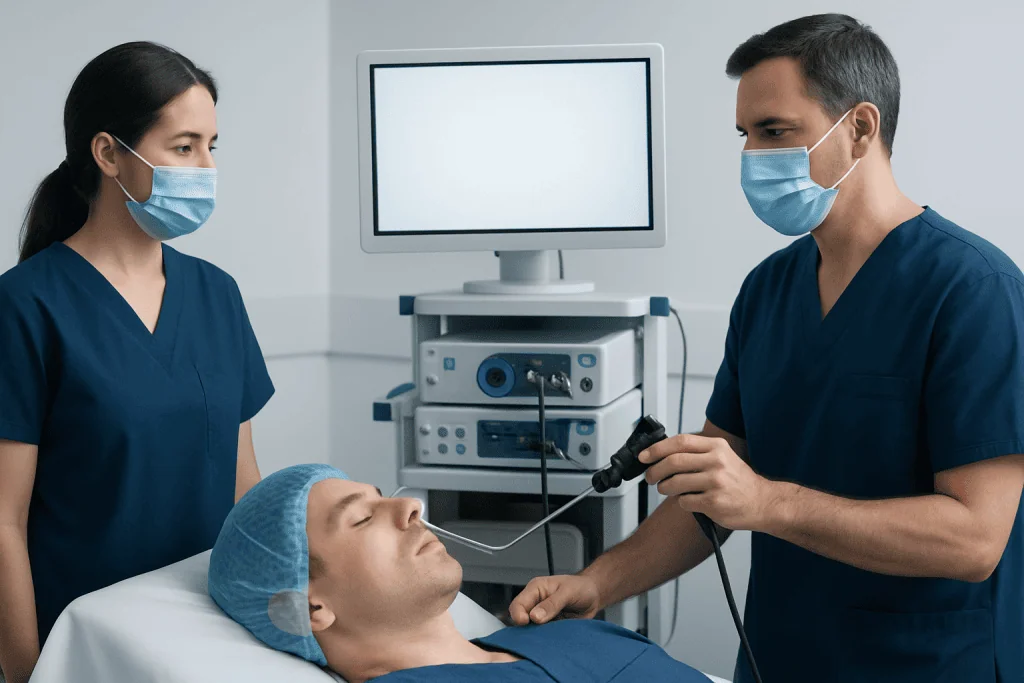
Sinus surgery may be recommended if you have chronic rhinosinusitis that has not improved enough with a well-planned course of medical treatment. Chronic rhinosinusitis generally involves long-lasting inflammation of the sinus and nasal lining, often with nasal obstruction, discharge, facial pressure, and changes in smell. Your ENT specialist will evaluate your symptoms, nasal endoscopy findings, imaging, allergy history, and previous treatments before recommending surgery.
It may also be considered for recurrent acute sinus infections, nasal polyps that block airflow or sinus drainage, fungal sinus disease, mucoceles, certain sinus cysts, or structural issues such as a deviated septum or enlarged turbinates when they contribute to blockage. In some patients, sinus surgery is combined with septoplasty or turbinate reduction to improve the nasal airway and access to the sinuses.
The recommendation is always individualized. For example, a patient with nasal polyps, asthma, and allergies may need a combined plan that includes surgery plus long-term medical management. Another patient may need a limited procedure for a specific blocked sinus. At Acibadem International, your case is reviewed with attention to both your symptoms and objective findings so that the treatment plan is appropriate for your diagnosis and travel needs.
Who is a good candidate?

You may be a good candidate for sinus surgery if you have persistent sinus symptoms, confirmed sinus disease on endoscopy or imaging, and insufficient relief after appropriate medical treatment. Good candidates are usually able to undergo anesthesia safely, understand the expected recovery process, and commit to aftercare such as saline rinses, follow-up visits, and any prescribed medication.
Sinus surgery can be appropriate for adults and selected younger patients, depending on the diagnosis. The decision is more cautious if you have uncontrolled medical conditions, bleeding disorders, active severe infection, poorly controlled asthma, significant heart or lung disease, or if you take medications that affect bleeding. These factors do not always prevent surgery, but they require careful planning and may affect timing or the safest treatment approach.
Your expectations are also important. Sinus surgery aims to improve drainage, reduce obstruction, make medical treatment more effective, and decrease the burden of symptoms. It may not completely eliminate allergies, asthma-related nasal inflammation, or the tendency for polyps to recur. A good candidate understands that results vary and that long-term care may still be needed after surgery.
Treatment options
The best sinus surgery option depends on your diagnosis, anatomy, CT scan findings, and previous treatment history. Functional endoscopic sinus surgery is the most common approach for chronic sinusitis and many cases of nasal polyps. It allows the ENT surgeon to open natural sinus drainage pathways using an endoscope, usually without external cuts.
Balloon sinuplasty may be suitable for selected patients with limited sinus blockage and no extensive polyps or complex disease. In this technique, a small balloon is used to gently widen a blocked sinus opening. It is not appropriate for every sinus condition, and your surgeon will decide whether it is suitable based on your imaging and examination.
Additional procedures may be performed at the same time if needed. Septoplasty corrects a deviated nasal septum that narrows the airway or limits surgical access. Turbinate reduction can reduce enlarged nasal tissues that contribute to blockage. Polypectomy removes nasal polyps, and more extensive endoscopic procedures may be needed for fungal sinus disease, mucoceles, revision surgery, or disease involving several sinuses.
Revision sinus surgery is more complex and may be considered if symptoms persist or recur after previous surgery. Scar tissue, altered anatomy, and ongoing inflammation can make revision procedures more technically demanding. For international patients, sending previous operative notes, CT scans, and treatment history is especially helpful for safe planning.
Online evaluation before travel
Before you travel to Turkey, Acibadem International can help organize a preliminary medical review. You may be asked to share your symptoms, medical history, medication list, previous ENT treatments, nasal endoscopy reports, CT or MRI images, allergy information, and any previous operation reports. This helps the medical team understand whether sinus surgery may be relevant and what additional evaluation may be needed in person.
Photos can sometimes help if there are visible nasal or facial concerns, but sinus surgery planning usually depends more on examination and imaging. A sinus CT scan is often important because it shows the anatomy and extent of sinus disease. If you already have imaging, you should share both the written report and the actual image files when possible.
An online evaluation can provide a preliminary opinion, an estimated treatment pathway, and a practical travel plan. However, it cannot replace an in-person ENT examination, nasal endoscopy, anesthesia assessment, and review of current test results. Your final diagnosis, procedure plan, and surgical clearance are confirmed after you arrive and meet the physician.
Before the treatment
Before sinus surgery, your ENT specialist will review your symptoms and perform a detailed nasal examination, often including nasal endoscopy. You may need imaging, blood tests, anesthesia evaluation, and additional tests depending on your age, health status, and planned procedure. If you have asthma, allergies, sleep apnea, heart disease, diabetes, or a bleeding tendency, these should be clearly discussed before surgery.
You will be asked about all medications and supplements you take, including blood thinners, anti-inflammatory medicines, herbal products, nasal sprays, and allergy medication. Some medicines may need to be paused or adjusted before surgery, but only with medical approval. You should not stop prescribed medication on your own, especially blood pressure, heart, diabetes, or anticoagulant medication.
Your care team will explain fasting instructions, arrival time, anesthesia plan, expected hospital stay, and aftercare steps. If you smoke, stopping before and after surgery is strongly encouraged because smoking can delay healing and worsen nasal inflammation. You should also arrange a companion or support person if possible, especially for the first day after anesthesia and for travel logistics.
What happens during the treatment
On the day of surgery, you will meet the clinical team, confirm your procedure, and complete final safety checks. Sinus surgery is usually performed under general anesthesia, so you are asleep and comfortable throughout the operation. The anesthesia team monitors your breathing, heart rhythm, oxygen level, blood pressure, and overall condition during the procedure.
For endoscopic sinus surgery, the surgeon works through the nostrils using a camera and small instruments. Blocked sinus openings may be widened, inflamed tissue or polyps may be removed, and the natural drainage pathways are restored as much as possible. If needed, septoplasty, turbinate reduction, or other nasal procedures may be performed during the same session.
The length of the procedure varies according to complexity. Limited surgery may take less time, while extensive polyps, revision surgery, or multi-sinus disease can take longer. At the end, the surgeon may place dissolvable material, soft packing, or splints depending on the procedure and bleeding control needs. Your team will explain what has been used and when it should be checked or removed if removal is necessary.
Hospital stay and discharge
After surgery, you will be taken to a recovery area where nurses monitor you as the anesthesia wears off. You may feel sleepy, congested, or have mild throat irritation from anesthesia. Some blood-stained nasal drainage is common in the early period, and your care team will show you how to manage it safely.
Many patients go home or return to their hotel on the same day, while others stay one night for observation. The decision depends on the extent of surgery, bleeding, anesthesia recovery, your general health, and whether you have a companion. International patients may also be advised to stay nearby until the first control visit, especially if nasal packing, splints, or postoperative cleaning is planned.
Before discharge, you will receive written or verbal instructions about medication, nasal care, activity limits, sleeping position, bathing, diet, and warning signs. You will also be told when to attend your first follow-up visit. It is important to follow these instructions carefully because aftercare plays a significant role in healing and comfort.
Recovery timeline
Recovery after sinus surgery is gradual. It is normal to feel blocked or congested at first, even if the surgery was performed to improve breathing. Swelling, crusting, and healing tissue inside the nose can temporarily limit airflow. Many patients notice improvement over several weeks as swelling decreases and the sinus passages heal.
Your surgeon may recommend saline irrigation, nasal sprays, or other medication after surgery. Follow-up visits are important because the doctor may need to check healing, remove crusts, or adjust your treatment. Do not compare your recovery too closely with another patient’s experience, as healing depends on the extent of surgery, your anatomy, allergies, asthma, smoking status, and general health.
| Timeframe | What to expect |
|---|---|
| First 24 hours | Sleepiness from anesthesia, nasal congestion, mild bleeding or blood-stained drainage, facial pressure, and the need to rest with your head elevated. |
| First week | Blocked nose, crusting, reduced smell, mild discomfort, and fatigue may continue. You may attend a first control visit and begin or continue nasal care as instructed. |
| Weeks 2-4 | Breathing may gradually improve as swelling decreases. Some crusting or discharge can persist, and follow-up cleaning may be recommended. |
| Months 1-3 | Internal healing continues. Symptoms such as congestion, facial pressure, and drainage may improve, although allergies or inflammation may still need medical treatment. |
| Final result | More stable results are usually assessed after the sinuses have healed and inflammation is controlled. Some patients require ongoing medication or, less commonly, further treatment. |
What to avoid after treatment
After sinus surgery, you should avoid blowing your nose forcefully until your surgeon says it is safe. If you need to sneeze, you may be advised to sneeze with your mouth open to reduce pressure. Avoid picking inside the nose or removing crusts yourself, as this can cause bleeding or disturb healing tissue.
Heavy lifting, intense exercise, bending forward for long periods, hot baths, saunas, and strenuous activity are usually restricted during the early recovery period. These activities may increase swelling or bleeding risk. You should also avoid dusty, smoky, or polluted environments when possible, as they can irritate the healing nasal lining.
Air travel should be discussed with your surgeon, especially if you had extensive surgery or still have significant congestion, bleeding, or packing. Alcohol and smoking can interfere with healing and may worsen inflammation. Always follow your personalized discharge instructions, as restrictions vary according to the type of surgery performed.
Risks and possible complications
Sinus surgery is commonly performed and is generally safe when planned and carried out by experienced ENT teams, but every surgical procedure has risks. Expected short-term effects can include nasal congestion, mild bleeding, crusting, facial pressure, temporary reduced smell, fatigue, and discomfort. These usually improve with time and appropriate aftercare.
Possible complications include infection, persistent bleeding, scarring inside the nose, adhesions, continued or recurrent symptoms, recurrence of nasal polyps, changes in smell, and the need for additional treatment. In rare situations, complications may involve nearby structures such as the eye or the skull base because the sinuses are located close to these areas. Your surgeon will explain the risks that are most relevant to your anatomy and planned procedure.
Some patients may not experience complete symptom relief, especially if they have ongoing allergic inflammation, asthma, immune issues, or a tendency to form polyps. Surgery can improve sinus drainage and access for medications, but it may not cure the underlying inflammatory condition. This is why long-term medical management and follow-up are sometimes part of the treatment plan.
Warning signs: when to contact a doctor
Your care team will tell you what is expected after surgery and what should prompt medical contact. Mild oozing, congestion, and pressure can be normal in the early period. However, certain symptoms should be assessed promptly because they may require treatment or urgent evaluation.
Contact your doctor or seek urgent medical care if you experience any of the following:
- Heavy or continuous bleeding that does not slow with the instructions you were given
- High fever, chills, or worsening general illness
- Severe or worsening headache that is not like your usual discomfort
- Swelling, redness, pain, double vision, or reduced vision around the eye
- Clear watery fluid leaking continuously from the nose, especially when bending forward
- Increasing facial swelling, severe facial pain, or foul-smelling discharge
- Shortness of breath, chest pain, fainting, or severe dizziness
- Persistent vomiting or inability to take fluids or prescribed medication
If you are an international patient and you are unsure whether a symptom is concerning, it is safer to contact the hospital coordinator or medical team for guidance. If symptoms are severe or rapidly worsening, seek emergency care immediately rather than waiting for a scheduled appointment.
Results and expectations
The goal of sinus surgery is to improve sinus drainage, reduce blockage, help infections resolve more effectively, and make ongoing medical treatment work better. Many patients report easier nasal breathing, fewer sinus pressure symptoms, improved drainage, and better quality of life after healing. However, the degree of improvement varies from person to person.
It is important to understand that surgery may not permanently remove the tendency for inflammation, allergies, or polyps to return. If you have nasal polyps, asthma, aspirin sensitivity, allergies, or chronic inflammatory sinus disease, you may need long-term medication, sprays, rinses, allergy treatment, or periodic follow-up. Your doctor will guide you on how to maintain the results.
Final results are not immediate because swelling and crusting can temporarily make the nose feel blocked. Early improvement may be noticed within weeks, while more reliable assessment often takes several months. In some cases, revision surgery or additional treatment may be needed, especially after complex disease or previous operations.
International patient travel planning
Planning your trip for sinus surgery involves more than choosing the operation date. You should allow time for arrival, in-person consultation, preoperative tests, surgery, early recovery, and at least one follow-up control before flying home. The recommended length of stay depends on the type of procedure, whether packing or splints are used, your healing, and your general health.
Acibadem International can support you with appointment coordination, interpreter services, airport transfers, accommodation guidance, and communication between you and the medical team. If you are traveling with a companion, the international patient team can also help you understand practical details such as hospital visiting processes and local logistics.
Before travel, make sure your passport is valid, review visa requirements, and bring all medical documents in an organized format. If you have a long flight, discuss travel timing with your surgeon, especially if you have a history of bleeding problems, blood clots, severe asthma, or other medical conditions. You should not plan intense sightseeing immediately after surgery; a calm recovery period is more comfortable and safer.
Cost and package information
The cost of sinus surgery can vary because the treatment plan is individualized. Important factors include the diagnosis, the extent of sinus disease, whether the operation is limited or extensive, whether additional procedures such as septoplasty or turbinate reduction are needed, the type of anesthesia, hospital stay, preoperative tests, imaging requirements, and follow-up needs. Revision surgery or complex sinus disease may require more detailed planning.
A treatment quotation for an international patient typically outlines the planned medical services, such as surgeon and hospital services, anesthesia, operating room use, standard preoperative tests, and expected hospital stay. Depending on the package structure, it may also include international patient coordination, interpreter support, and certain transfers. The exact inclusions should always be confirmed in writing before you travel.
Items that may not be included can vary by case and may include additional imaging, extra consultations, treatment for unexpected medical conditions, extended hospital stay, medications after discharge, hotel accommodation, flights, companion expenses, or costs related to complications or changes in the treatment plan. You should ask for a clear explanation of what is included, what is not included, and what could change after the in-person evaluation.
Why choose Acibadem
Acibadem International supports patients who travel to Turkey for medical care by combining hospital-based specialist treatment with practical international patient services. Sinus surgery is evaluated and performed within ear, nose and throat departments, with access to imaging, anesthesia, laboratory testing, and multidisciplinary consultation when needed.
Acibadem hospitals include JCI-accredited facilities, which means care processes are structured around internationally recognized quality and patient safety standards. For sinus surgery, this can include careful preoperative assessment, anesthesia safety checks, sterile operating environments, postoperative monitoring, and clear discharge instructions.
For international patients, the experience also depends on communication and coordination. Acibadem International can assist with interpreters, appointment scheduling, airport transfers, accommodation guidance, and remote follow-up communication after you return home. The aim is to help you feel informed, supported, and connected to your care team throughout the journey.
Medical review and disclaimer
This guide has been reviewed by the Acibadem International medical team. It is intended to provide general information about sinus surgery in Turkey for international patients and to help you prepare questions for your physician.
The information here does not replace a medical consultation, physical examination, nasal endoscopy, imaging review, anesthesia assessment, or personalized diagnosis. Only a qualified physician can determine whether sinus surgery is suitable for you and which treatment option is most appropriate.
All surgery carries potential risks, and results vary depending on your medical condition, anatomy, healing response, and adherence to aftercare. You should follow the advice of your treating doctor and seek medical help promptly if you develop concerning symptoms during recovery.
Step by step
- Initial contact. You contact Acibadem International and share your main symptoms, diagnosis if known, preferred travel dates, and any questions about sinus surgery in Turkey.
- Medical record / photo submission. You send your medical history, medication list, allergy information, previous ENT reports, sinus CT or MRI images if available, and any relevant photos or documents.
- Preliminary medical review. The medical team reviews your information to understand whether sinus surgery may be appropriate and whether additional tests or imaging may be needed after arrival.
- Treatment plan and quotation. You receive a preliminary treatment pathway and a written explanation of expected medical services, package inclusions, and possible items that may change after in-person evaluation.
- Travel planning. The international patient team helps coordinate appointments, estimated length of stay, airport transfer options, interpreter needs, and accommodation guidance.
- Arrival. After you arrive in Turkey, you are guided to your scheduled hospital appointments and supported with practical orientation when needed.
- In-person consultation. Your ENT specialist examines you, reviews your symptoms and imaging, and may perform nasal endoscopy to confirm the diagnosis and surgical plan.
- Pre-operative tests. You complete required blood tests, anesthesia evaluation, and any additional imaging or specialist consultations needed for safe surgery.
- Treatment. Your sinus surgery is performed according to the confirmed plan, usually using an endoscopic approach through the nostrils under anesthesia.
- Hospital stay. You are monitored after anesthesia and may be discharged the same day or stay overnight depending on your procedure, recovery, and physician recommendation.
- First control. You attend an early follow-up visit for healing assessment, review of symptoms, and any necessary cleaning, packing check, or medication adjustment.
- Discharge / travel clearance. Your doctor confirms whether you are fit to travel and provides instructions for nasal care, activity limits, medication, and warning signs.
- Remote follow-up. After returning home, you can remain in contact through the international patient team for follow-up guidance and coordination if questions arise.
Your checklist
- Valid passport and any required visa or travel documents
- Summary of your sinus symptoms, including duration, triggers, and previous flare-ups
- Current medication list, including nasal sprays, blood thinners, supplements, and allergy medicines
- Known allergies, including medication, latex, food, or anesthesia-related reactions
- Previous surgeries, especially nasal, sinus, facial, dental, or airway procedures
- Existing medical conditions such as asthma, allergies, sleep apnea, diabetes, heart disease, or bleeding disorders
- Previous ENT consultation notes, nasal endoscopy reports, and treatment records
- Sinus CT or MRI reports and image files, if available
- Recent blood tests or other relevant test results, if available
- Information about smoking, vaping, alcohol use, and any history of anesthesia problems
- Contact details for your local doctor or ENT specialist for follow-up coordination
- Questions you want to ask the surgeon about recovery, travel timing, aftercare, and expected results
Key takeaways
- Sinus surgery may be considered when chronic sinusitis, nasal polyps, recurrent infections, or sinus blockage do not improve enough with medication.
- Most modern sinus surgery is performed through the nostrils using endoscopic techniques, so there are usually no visible external incisions.
- International patients should usually plan enough time in Turkey for consultation, tests, surgery, early healing, and a first control visit before travel clearance.
- Recovery often includes nasal congestion, mild bleeding, crusting, and fatigue in the first days; follow-up cleaning and saline care may be important.
- Results vary depending on the underlying condition, anatomy, allergies, asthma, smoking status, and adherence to aftercare; some patients may need ongoing medical treatment.
- You should contact a doctor urgently for heavy bleeding, high fever, worsening eye symptoms, severe headache, clear watery drainage, or breathing difficulty.
Frequently asked questions
Am I suitable for sinus surgery?
Suitability depends on your symptoms, nasal examination, sinus imaging, previous treatments, and general health. Sinus surgery is usually considered when medical treatment has not provided enough relief or when structural blockage, polyps, or specific sinus disease is present. A final decision requires an in-person ENT evaluation.
Is sinus surgery painful?
Most patients describe pressure, congestion, and discomfort rather than severe pain. The procedure is usually done under anesthesia, and your doctor will provide a plan for postoperative comfort. You should report increasing or severe pain, especially if it is associated with fever, eye symptoms, or heavy bleeding.
How long should I stay in Turkey for sinus surgery?
The ideal stay varies according to your procedure and healing, but you should plan time for consultation, tests, surgery, and at least one follow-up control. Your doctor will advise when it is safe to fly. More complex or revision procedures may require a longer stay than limited surgery.
Can I fly after sinus surgery?
Flying is usually possible after early healing and physician clearance, but timing should be individualized. Congestion, bleeding risk, packing, or extensive surgery may affect when flying is comfortable and safe. Always ask your surgeon before booking a return flight.
Will sinus surgery cure my sinusitis permanently?
Sinus surgery can improve drainage and reduce the burden of symptoms, but it may not cure the underlying tendency for inflammation. Allergies, asthma, nasal polyps, and chronic inflammatory conditions may still require ongoing medical treatment. Some patients may experience recurrence and need further care.
What is the difference between FESS and balloon sinuplasty?
Functional endoscopic sinus surgery uses endoscopic instruments to remove obstruction, open sinus pathways, and treat inflamed tissue or polyps. Balloon sinuplasty uses a balloon to widen selected sinus openings and may be suitable only for limited disease. Your CT scan and endoscopic findings help determine which option is appropriate.
Will there be visible scars?
Most sinus surgery is performed through the nostrils using endoscopic techniques, so visible external scars are generally not expected. Rare or complex conditions may require different approaches, but this is less common. Your surgeon will explain the planned access route before surgery.
What factors affect the cost of sinus surgery in Turkey?
Cost depends on the type and extent of surgery, whether additional procedures are needed, anesthesia, tests, imaging, hospital stay, and follow-up requirements. Revision surgery or complex sinus disease may change the treatment plan. You should request a written quotation that explains what is included and what may be billed separately.
Is sinus surgery safe at Acibadem?
Sinus surgery is generally safe when carefully planned and performed by experienced ENT teams, but no surgery is risk-free. Acibadem hospitals include JCI-accredited facilities with structured safety processes, anesthesia assessment, and postoperative monitoring. Your individual risks will be discussed by your physician after evaluation.
When will I notice the results?
You may feel congested at first, so results are not immediate. Many patients notice gradual improvement over the first few weeks as swelling and crusting decrease. More stable results are usually assessed over several months, especially in chronic sinusitis or nasal polyp cases.
Add us as a Preferred Source to see more of our trusted health content across Google Search, AI Overviews and Discover.
More Patient Guides
Day Surgery in Turkey: Can You Leave Hospital the Same Day?
Day surgery in Turkey often lets you go home the same day if your procedure and recovery are suitable and your doctor…
11 min read
General Anesthesia in Turkey: How to Prepare and What Happens Before You Sleep
General anesthesia in Turkey helps you sleep safely through surgery. Learn preparation, recovery, risks, and travel planning in Istanbul.
11 min read
Choosing Between Outpatient and Inpatient Treatment in Turkey: What Affects the Decision
Choosing Between Outpatient and Inpatient Treatment in Turkey depends on your procedure, health, recovery needs and travel plans.
11 min read