


Quick answer
Thyroid cancer is a malignant tumor that develops in the thyroid gland, often growing slowly and treated according to its type, stage, and whether it has spread. At Acibadem in Turkey, evaluation typically includes imaging, blood tests, and biopsy, and treatment may involve surgery, radioactive iodine, hormone therapy, targeted medicines, and close follow-up by a multidisciplinary team.
Overview
Thyroid cancer is a type of cancer that begins in the thyroid gland, a small butterfly-shaped gland located at the front of the neck. The thyroid helps regulate important body functions, including metabolism, heart rate and body temperature, by producing thyroid hormones.
There are several types of thyroid cancer. Some grow slowly and are often treated successfully, while others may behave more aggressively and require more intensive care. The main types include papillary, follicular, medullary and anaplastic thyroid cancer. Treatment and follow-up depend on the type of cancer, its size, whether it has spread and the patient’s overall health.
Many thyroid cancers are found early, sometimes during a neck examination or imaging test performed for another reason. A diagnosis can be worrying, but thyroid cancer care is usually planned carefully by a specialist team, often including endocrinologists, surgeons, oncologists, radiologists and pathologists.
Symptoms
Thyroid cancer may not cause symptoms in the early stages. When symptoms are present, they can vary from person to person. Possible signs and symptoms include:
- A lump or swelling in the front of the neck
- A nodule in the thyroid gland found during an examination or ultrasound
- Hoarseness or changes in the voice that do not improve
- Difficulty swallowing
- Difficulty breathing, especially if a large thyroid mass presses on the airway
- Pain in the neck or throat
- Swollen lymph nodes in the neck
- A persistent cough not related to a cold or infection
Most thyroid nodules are not cancerous. However, any new or changing neck lump should be assessed by a healthcare professional.
Causes and Risk Factors
The exact cause of thyroid cancer is not always known. It develops when cells in the thyroid gland undergo changes that allow them to grow in an uncontrolled way. These changes can form a tumor and may, in some cases, spread to nearby lymph nodes or other parts of the body.
Factors that may increase the risk of thyroid cancer include:
- Exposure to radiation, especially to the head and neck area, particularly during childhood
- A family history of thyroid cancer or certain inherited genetic conditions
- Previous thyroid disease, such as thyroid nodules or an enlarged thyroid gland
- Being female, as thyroid nodules and thyroid cancer are more commonly diagnosed in women
- Age, depending on the type of thyroid cancer
- Low or excessive iodine intake in some regions, which may affect certain thyroid conditions
Having one or more risk factors does not mean a person will develop thyroid cancer. Likewise, some people diagnosed with thyroid cancer have no clear risk factors.
Diagnosis
Diagnosis usually begins with a medical history and physical examination. The doctor may check the neck for thyroid enlargement, nodules and swollen lymph nodes. If a thyroid nodule is suspected, further tests may be recommended.
Common diagnostic tests include:
- Thyroid ultrasound to evaluate the size, shape and features of a nodule
- Blood tests to assess thyroid function and, in some cases, specific markers
- Fine-needle aspiration biopsy, in which a small sample of cells is taken from the nodule for examination under a microscope
- Imaging tests, such as computed tomography or magnetic resonance imaging, if more information is needed about the neck or surrounding structures
- Genetic testing in selected cases, especially if medullary thyroid cancer or an inherited condition is suspected
The biopsy result helps determine whether a nodule is benign, suspicious or cancerous. If thyroid cancer is confirmed, additional evaluation may be needed to understand the stage of the disease and plan treatment.
Treatment Options
Treatment for thyroid cancer is individualized. The best approach depends on the cancer type, tumor size, whether lymph nodes are involved, whether the cancer has spread and the patient’s preferences and general health.
Possible treatment options include:
- Surgery to remove part or all of the thyroid gland, sometimes with nearby lymph nodes if they are affected
- Radioactive iodine therapy for certain types of thyroid cancer, usually after surgery, to target remaining thyroid tissue or thyroid cancer cells
- Thyroid hormone therapy after thyroid surgery to replace hormones the body needs and, in some cases, help reduce stimulation of remaining thyroid cells
- External beam radiation therapy in selected situations, especially when surgery or radioactive iodine is not suitable or when there is a higher risk of local recurrence
- Systemic treatments, such as targeted therapy or other cancer medicines, for advanced or progressive thyroid cancer
- Active surveillance for carefully selected very small, low-risk thyroid cancers, with regular monitoring instead of immediate surgery
Follow-up is an important part of thyroid cancer care. It may include physical examinations, blood tests and imaging to monitor for recurrence or changes over time. Patients who have had their thyroid removed usually need lifelong monitoring of thyroid hormone levels.
When to See a Doctor
Medical advice should be sought if a person notices a new lump in the neck, a thyroid nodule, persistent hoarseness, difficulty swallowing, breathing problems or swollen lymph nodes that do not go away. These symptoms can have many causes, and proper evaluation is important.
People with a family history of thyroid cancer, known inherited thyroid-related conditions or previous radiation exposure to the head and neck should discuss appropriate monitoring with a healthcare professional.
Anyone already diagnosed with thyroid cancer should contact their care team if they develop new neck swelling, voice changes, trouble swallowing, unexplained weight changes, ongoing fatigue or symptoms that feel unusual for them. Prompt assessment can help guide the next steps in care.
Treatments for This Condition
Doctors Who Treat This Condition
Prof. Dr. Abdullah Büyükçelik
Medical Oncology
Prof. Dr. Ali Arican
Medical Oncology
Prof. Dr. Aziz Yazar
Medical Oncology
Prof. Dr. Başak Oyan Uluç
Medical Oncology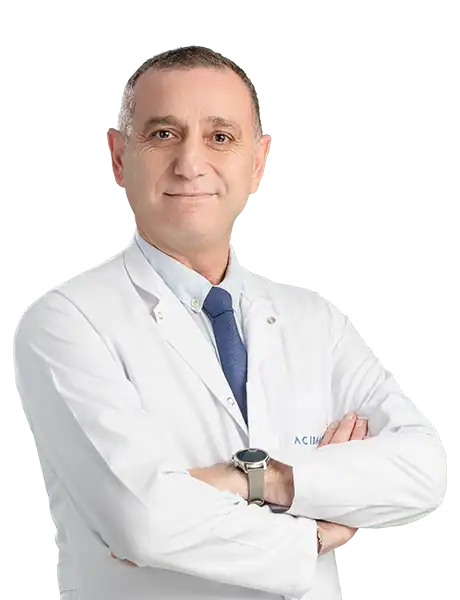
Prof. Dr. Bülent Karabulut
Medical Oncology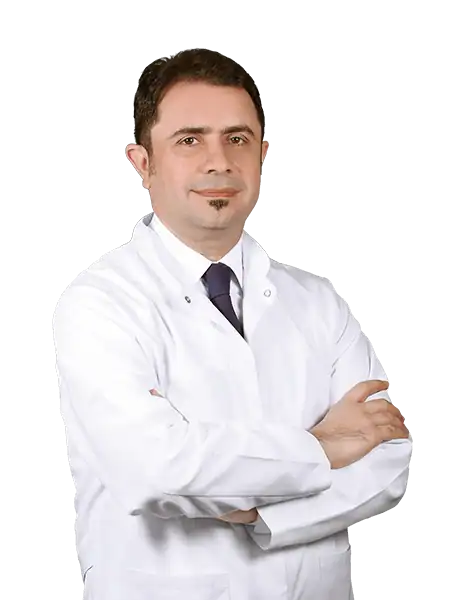
Prof. Dr. Deniz Gökalp
Endocrinology
Prof. Dr. Emre Bozkırlı
Endocrinology
Prof. Dr. Ender Arıkan
Endocrinology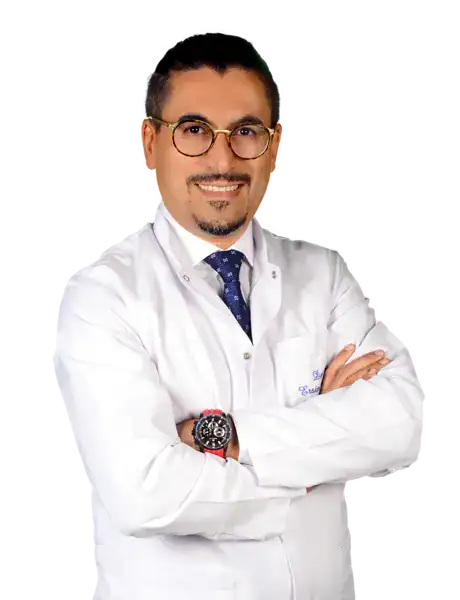
Prof. Dr. Ersin Özaslan
Medical Oncology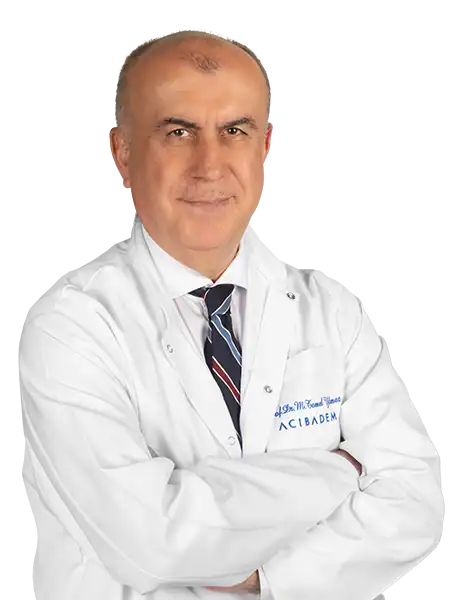
Prof. Dr. Mehmet Temel Yilmaz
Endocrinology
Prof. Dr. Mehtap Çakır
Endocrinology