

Sleeping Comfortably After Surgery in Turkey

Learn how to sleep safely and comfortably after surgery in Turkey, with practical recovery tips and international patient support.
This guide explains how you can sleep more comfortably and safely after surgery in Turkey, including positioning, pain control, travel planning, warning signs, and follow-up. It is designed for international patients who want practical, reassuring guidance before and after treatment.
At a glance
- Procedure type: Post-operative recovery and comfort guidance
- Purpose: To help you rest safely, reduce strain on the surgical area, and support healing
- Anesthesia: Not applicable; sleep advice depends on the surgery and anesthesia you received
- Hospital stay: Varies by procedure; sleep support begins during your hospital stay
- Estimated recovery: Depends on the surgery, your general health, and your doctor’s instructions
- Return to daily life: Often gradual; your surgeon will confirm safe activity and travel timing
- Final result timeline: Varies widely by treatment; swelling, bruising, and comfort usually improve over time
- Suitable department: Relevant surgical department with anesthesiology, nursing, rehabilitation, or pain management support when needed
- International patient support: Interpreter assistance, airport transfers, accommodation guidance, scheduling support, and remote follow-up coordination
What is this treatment?
Sleeping comfortably after surgery is not a separate operation, but it is an important part of your treatment journey. Good rest supports your recovery by helping your body manage inflammation, discomfort, fatigue, and emotional stress after anesthesia and surgery.
Your ideal sleeping position and routine will depend on the procedure you had. For example, after facial surgery you may be asked to keep your head elevated; after abdominal or chest surgery you may need to avoid lying flat or turning suddenly; after orthopedic surgery you may need pillows or supports to protect a limb or joint.
At Acibadem International, your post-operative sleep guidance is shaped by your surgeon, anesthesiology team, nurses, and, when needed, rehabilitation specialists. The goal is simple: to help you rest safely, reduce unnecessary strain, and feel supported during your stay in Turkey and after you return home.
When is it recommended?
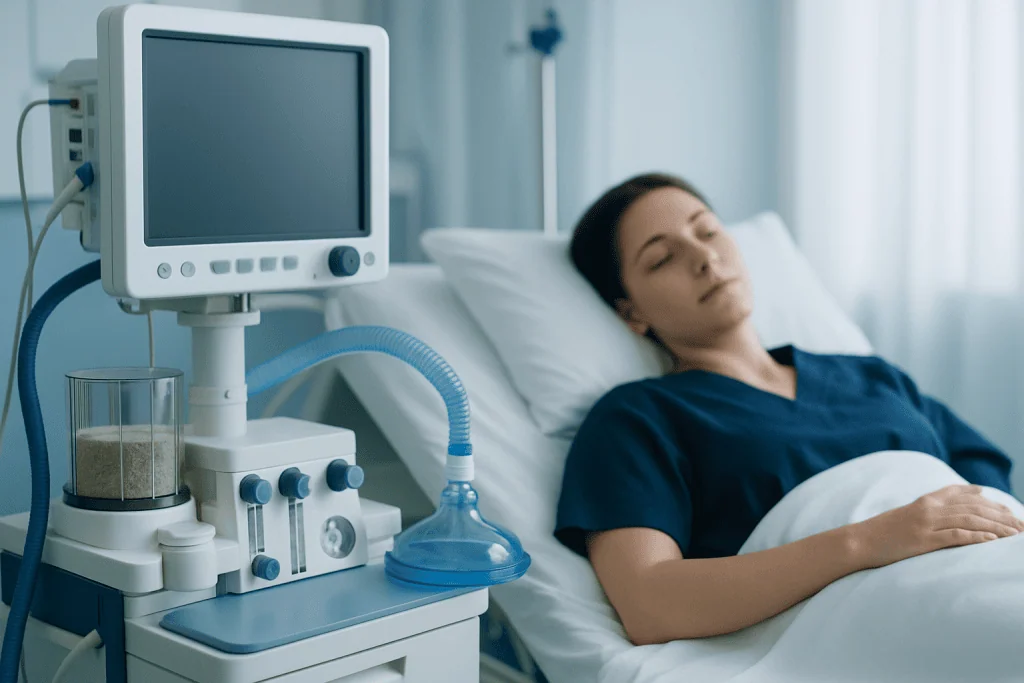
Sleep comfort planning is recommended for anyone having surgery, especially if your procedure may cause swelling, tenderness, movement restrictions, drains, dressings, splints, or temporary breathing changes. It is particularly helpful for international patients because you may be recovering in a hotel or unfamiliar environment after discharge.
You may need more detailed guidance if you are having cosmetic surgery, bariatric surgery, orthopedic surgery, spine surgery, gynecologic surgery, urologic surgery, cardiac or thoracic surgery, or a combined procedure. Each operation has its own safe positions, movement limits, and recovery priorities.
It is also recommended if you have a history of sleep apnea, reflux, chronic pain, anxiety, breathing conditions, or difficulty sleeping away from home. Sharing this information before travel helps your care team plan safer and more comfortable aftercare.
Who is a good candidate?

Every surgical patient can benefit from a personalized sleep and recovery plan. A good candidate is someone who is willing to follow positioning advice, take medications only as prescribed, keep follow-up appointments, and ask for help when getting in and out of bed during the early recovery period.
You may need a more cautious plan if you are older, live alone, use a CPAP device, take blood thinners, have limited mobility, or are undergoing a major procedure. In these cases, your doctor may recommend a longer hospital stay, companion support, mobility aids, or a specific accommodation setup.
Suitability for surgery itself and for travel after surgery must always be evaluated by a physician. If you are unsure whether you can recover comfortably in Turkey, Acibadem International can help coordinate a preliminary review of your medical information before you make travel arrangements.
Treatment options
Sleep comfort after surgery usually combines several practical options rather than one single solution. These may include choosing the right position, elevating the head or operated area, using supportive pillows, keeping essential items close to the bed, following your pain management plan, and arranging safe assistance for the first nights.
Positioning differs by surgery. After nose, eyelid, face, or breast procedures, head and upper body elevation may reduce pressure and swelling. After abdominal surgery, a slightly flexed position with support under the knees may feel easier. After hip, knee, shoulder, or spine procedures, your team may recommend specific pillow placement or braces to protect alignment.
Other options may include relaxation routines, breathing exercises, gentle walking during the day, appropriate hydration, avoiding heavy meals close to bedtime, and managing hotel-room comfort such as temperature, lighting, and noise. Sleep medicines should not be used unless your doctor approves them, because they may interact with anesthesia, pain medicines, or your medical condition.
Online evaluation before travel
Before you travel to Turkey, an online evaluation helps the medical team understand your surgery goals, health background, and recovery needs. For sleep comfort planning, it is useful to mention any sleep problems, snoring, sleep apnea, reflux, back pain, anxiety, or previous reactions to anesthesia or pain medicines.
You may be asked to send medical reports, medication lists, allergy information, photos, imaging, and details of previous surgeries. If you use a CPAP machine, mobility aid, special pillow, or prescribed device at home, tell your coordinator so your team can advise what to bring.
An online review does not replace an in-person consultation, but it helps your care team prepare. It can also guide practical choices such as how long to stay in Turkey, whether you should travel with a companion, and what type of accommodation may be more suitable after discharge.
Before the treatment
Before surgery, ask your medical team how you should sleep during the first night, first week, and after you return home. Clear instructions are especially important if you will have dressings, drains, a cast, compression garments, a sling, a brace, or limited movement.
Prepare your recovery environment before the operation. In your hotel or accommodation, it can help to place water, medications, tissues, phone charger, medical documents, and emergency contact numbers within easy reach. If you have difficulty rising from a low bed, discuss this in advance with your international patient coordinator.
Follow fasting, medication, and pre-operative instructions exactly as given. Do not take herbal supplements, sleeping pills, or over-the-counter pain relievers unless your doctor confirms they are safe for you. These details may affect anesthesia, bleeding risk, or medication interactions.
What happens during the treatment
During your surgical treatment, your comfort and safety are monitored by the operating team and anesthesiology specialists. After the procedure, nurses observe your breathing, circulation, pain level, nausea, dressings, and ability to rest in the recovery area or hospital room.
Your team will usually help you find a safe position in bed and explain how to move without pulling on the surgical area. You may be taught how to sit up, turn, cough, breathe deeply, or stand with assistance depending on your operation. These small steps can make sleeping easier later.
If you feel pain, pressure, nausea, anxiety, or difficulty finding a comfortable position, tell your nurse. Adjustments to pillows, bed elevation, timing of medications, room environment, and mobility support can often improve comfort without compromising safety.
Hospital stay and discharge
Your hospital stay depends on the type of surgery, anesthesia, your general health, and how smoothly you recover. While you are in the hospital, nurses can help you change position, walk safely, manage prescribed medicines, and understand what is normal during the first nights.
Before discharge, you should receive instructions about sleep position, wound or dressing care, showering, compression garments if needed, activity limits, medication use, and your first control appointment. If any instruction is unclear, ask for it to be repeated with interpreter support.
For international patients, discharge planning also includes practical points such as transfer to your hotel, companion needs, emergency contact details, and travel clearance timing. Do not rush to fly home until your surgeon confirms that it is appropriate for your procedure and recovery status.
Recovery timeline
Recovery is individual, and your sleep pattern may be disrupted for a short time after surgery. Anesthesia effects, swelling, bruising, discomfort, limited positions, and being away from home can all affect rest. This usually improves gradually as your body heals and your routine becomes more familiar.
| Timeframe | What to expect |
|---|---|
| First 24 hours | You may feel drowsy, sore, or restless. Nurses will help position you safely and monitor your comfort, breathing, and surgical area. |
| First week | Sleeping may be lighter than usual. Elevation, pillows, prescribed medication, short walks, and avoiding pressure on the operated area can help. |
| Weeks 2-4 | Many patients gradually sleep longer and move more easily, but some procedures still require position restrictions or supportive garments. |
| Months 1-3 | Swelling and sensitivity often continue to improve. Your doctor may allow more normal sleeping positions depending on healing. |
| Final result | The final comfort level and treatment outcome depend on the procedure. Some surgeries continue to settle for several months or longer. |
Your surgeon’s instructions are more important than any general timeline. If you feel unsure about changing your sleep position, using extra pillows, or sleeping on your side, ask your medical team before making adjustments.
What to avoid after treatment
After surgery, avoid sleeping directly on the operated area unless your surgeon says it is safe. Pressure can increase discomfort and may interfere with dressings, swelling control, or healing in certain procedures. Also avoid sudden twisting, bending, or pushing yourself up forcefully from bed.
Do not drink alcohol or take unapproved sleeping tablets, sedatives, herbal sleep products, or additional pain medicines. These may interact with prescribed medication or affect breathing, alertness, bleeding risk, and balance. Always check with your doctor first.
Avoid long periods of complete bed rest unless specifically instructed. Gentle walking, when approved, supports circulation and can improve sleep quality. Also avoid heavy meals late at night, smoking, and ignoring pain that is worsening rather than gradually improving.
Risks and possible complications
Poor sleep itself is common after surgery and does not always mean something is wrong. However, inadequate rest may make discomfort feel stronger, increase fatigue, and make it harder to follow recovery instructions. A calm routine and good support can make the first days more manageable.
Potential post-operative issues vary by procedure and may include bleeding, infection, swelling, wound problems, blood clots, breathing difficulties, medication side effects, nausea, or increased pain. Your surgeon will explain the risks that apply to your specific operation and medical condition.
Sleeping in an unsafe position or moving too quickly may increase strain on the surgical area. This is why personalized guidance is important. At Acibadem International, your discharge instructions are designed to help you understand what is expected, what should improve, and when to contact the medical team.
Warning signs: when to contact a doctor
Some discomfort, swelling, bruising, and sleep disruption can be expected after many procedures. Still, you should contact your doctor promptly if symptoms feel unusual, severe, or are getting worse instead of gradually improving.
- Difficulty breathing, shortness of breath, or chest pain
- Sudden dizziness, fainting, confusion, or extreme sleepiness
- Heavy bleeding, rapidly increasing swelling, or a wound opening
- Fever, chills, increasing redness, warmth, or discharge from the wound
- Severe pain that is not controlled by prescribed medication
- Calf pain, sudden leg swelling, or unusual tenderness in one leg
- Persistent vomiting or inability to keep fluids or medications down
- New weakness, numbness, severe headache, or vision changes
- Any symptom that worries you or makes you feel unsafe during recovery
If you are in Turkey, use the contact numbers provided by your hospital or international patient coordinator. If you have already returned home and symptoms are urgent, seek local emergency care and also inform your Acibadem care team.
Results and expectations
Comfortable sleep after surgery usually improves in stages. The first few nights may require more support, pillows, medication timing, and patience. As swelling decreases and mobility improves, many patients find it easier to sleep for longer periods.
It is important to have realistic expectations. You may not sleep normally immediately, especially after major surgery or procedures that require elevation, compression garments, splints, or limited movement. This temporary adjustment is part of the healing process for many patients.
Your final surgical result depends on the procedure, your anatomy, healing response, lifestyle, and adherence to aftercare instructions. Results vary, and in some treatments, additional care or revision may sometimes be needed. Regular follow-up helps your doctor monitor progress and guide your return to normal routines.
International patient travel planning
When planning surgery in Turkey, include recovery sleep needs in your travel arrangements. Choose accommodation where you can rest quietly, elevate yourself comfortably, access the bathroom safely, and contact your coordinator if needed. If your surgery limits movement, a companion can be very helpful during the first days.
Plan to stay long enough for your in-person consultation, pre-operative tests, surgery, early recovery, and first control visit. The recommended length of stay varies by procedure, and your surgeon will advise when it is safe to travel. Flying too soon may not be suitable after some operations.
Acibadem International supports international patients with interpreter coordination, airport transfers, appointment planning, and guidance about accommodation options. Remote follow-up can also be arranged after you return home, but it should not replace urgent local care if you develop concerning symptoms.
Cost and package information
The cost of your overall treatment and aftercare depends on the type of surgery, surgeon evaluation, hospital stay, anesthesia, tests, imaging, medications, medical devices, compression garments, and whether additional specialist support is needed. Your personal medical condition and any combined procedures can also influence the final plan.
International patient packages may typically include hospital services related to the planned procedure, standard nursing care, interpreter support during hospital appointments, and scheduled coordination. Depending on the plan, transfers or accommodation guidance may also be arranged through international patient services.
Items that may not be included can vary and may involve personal hotel expenses, companion costs, flights, extra tests, additional consultations, extended hospital stay, unplanned treatments, special equipment, or medications after discharge. You should review your written quotation carefully and ask what is included before confirming travel.
Why choose Acibadem
Acibadem International cares for patients from many countries in JCI-accredited hospitals in Turkey. Your surgical care is supported by experienced medical teams, modern hospital infrastructure, and coordinated services designed for patients who may not speak Turkish or know the local healthcare system.
For sleep comfort and recovery, multidisciplinary support can make a meaningful difference. Surgeons, anesthesiology teams, nurses, physiotherapists, dietitians, and other specialists may contribute depending on your treatment. This helps your aftercare instructions match your procedure rather than relying on generic advice.
International patient services can assist with appointment scheduling, interpreter support, transfers, accommodation guidance, discharge coordination, and remote follow-up communication. The aim is to help you feel informed, safe, and accompanied from your first message through your return home.
Medical review and disclaimer
This guide has been reviewed by the Acibadem International medical team. It is intended to provide general information for international patients who want to understand how to sleep more comfortably and safely after surgery in Turkey.
The information in this guide does not replace a consultation, diagnosis, treatment plan, or discharge instructions from a qualified physician. Your recommended sleeping position, medications, activity level, and travel timing must be based on your specific surgery and medical condition.
Suitability for any treatment, hospital stay, discharge, and return travel requires physician evaluation. If your surgeon or care team gives instructions that differ from general information in this guide, follow your medical team’s personalized advice.
Step by step
- Initial contact. You contact Acibadem International and share the treatment you are considering, your travel preferences, and any recovery concerns, including sleep comfort.
- Medical record / photo submission. You send relevant medical reports, photos, imaging, medication lists, allergy information, and details of previous surgeries or sleep-related conditions.
- Preliminary medical review. The appropriate medical team reviews your information and identifies whether further details are needed before planning your visit.
- Treatment plan and quotation. You receive a proposed treatment pathway and a written quotation explaining planned services and important exclusions without any medical guarantee.
- Travel planning. International patient services help coordinate appointment dates, transfers, interpreter needs, and practical accommodation guidance for your recovery period.
- Arrival. You arrive in Turkey and are guided to your hospital appointments with support for language, scheduling, and hospital navigation.
- In-person consultation. Your surgeon examines you, confirms suitability, discusses expectations, and explains post-operative positioning and sleep precautions.
- Pre-operative tests. You complete required blood tests, imaging, anesthesia assessment, and any additional evaluations needed for safe surgical planning.
- Treatment. Your procedure is performed by the medical team, and your comfort, anesthesia recovery, and vital signs are monitored afterward.
- Hospital stay. Nurses help you manage pain, move safely, find an appropriate sleeping position, and understand early recovery instructions.
- First control. Your doctor checks the surgical area, reviews your progress, adjusts instructions if needed, and confirms whether recovery is on track.
- Discharge / travel clearance. You receive discharge instructions, medication guidance, emergency contact details, and confirmation about when travel is medically appropriate.
- Remote follow-up. After returning home, remote follow-up may help your team review progress, answer non-urgent questions, and advise if local care is needed.
Your checklist
- Valid passport and travel documents
- Complete medical history and current diagnoses
- List of all medications, supplements, and blood thinners
- Known allergies, including medication, latex, and food allergies
- Previous surgery and anesthesia history
- Current symptoms and recovery concerns, including sleep problems
- Relevant blood tests, imaging, pathology reports, or specialist reports
- Photos of the treatment area if requested by the medical team
- Information about sleep apnea, CPAP use, reflux, chronic pain, or mobility limits
- Emergency contact details and companion information if someone is traveling with you
- Questions about sleeping position, hotel setup, follow-up, and travel clearance
Key takeaways
- The safest sleeping position after surgery depends on the type of operation; always follow your surgeon’s specific instructions.
- Using pillows, elevation, a stable bed setup, and prescribed pain control can make rest easier during the first nights.
- Plan your stay in Turkey so your first post-operative check is completed before you travel home.
- Avoid sleeping directly on the operated area, sudden twisting, alcohol, and unapproved sleep medicines after surgery.
- Contact your medical team promptly if you have breathing difficulty, chest pain, uncontrolled pain, heavy bleeding, fever, or sudden swelling.
Frequently asked questions
What is the best sleeping position after surgery?
The best position depends on the operation you had. Some patients need head elevation, some need to avoid pressure on a limb or incision, and others need pillow support for the abdomen, back, or joints. Always follow your surgeon’s specific instructions.
Is it normal to sleep poorly after surgery?
Yes, lighter or interrupted sleep can happen after surgery due to anesthesia effects, discomfort, swelling, hospital routines, or being away from home. It usually improves gradually. If poor sleep is caused by severe pain, breathing difficulty, or anxiety, contact your medical team.
Can I take sleeping pills after surgery?
Do not take sleeping pills, sedatives, herbal sleep products, or extra pain medication unless your doctor approves them. These may interact with anesthesia or prescribed medicines and may affect breathing or balance. Your team can suggest safer ways to improve rest.
How long should I stay in Turkey after surgery?
The recommended stay depends on your procedure, general health, and early recovery. You should usually remain long enough for your first control appointment and travel clearance. Your surgeon will advise when flying or long-distance travel is appropriate.
Should I travel with a companion?
A companion can be helpful, especially after major surgery or if you will have limited mobility, drains, dressings, or activity restrictions. Some patients can manage with hospital and international patient support, but your team can advise based on your planned procedure.
What can I do in my hotel room to sleep better?
Keep essentials close to your bed, use pillows as instructed, maintain a comfortable room temperature, and avoid unnecessary bending or reaching. Taking short approved walks during the day and following your medication schedule can also support better sleep.
When can I sleep on my side or stomach again?
This depends on your surgery and how you are healing. Sleeping on the side or stomach too early may put pressure on incisions, implants, bones, or treated tissues. Ask your surgeon at your follow-up visit before changing position.
What factors affect the cost of recovery support?
Cost factors may include the type of surgery, hospital stay, tests, medications, medical garments, devices, extra consultations, and whether you need extended care. Travel, hotel, companion expenses, and unplanned treatments may be separate. Review your written quotation carefully.
How does Acibadem support international patients after discharge?
Acibadem International can help with interpreter support, transfer coordination, discharge instructions, appointment planning, and remote follow-up communication. You will receive contact information and guidance on what to do if concerns arise during your stay.
When should I seek urgent medical help after returning home?
Seek urgent local care if you develop breathing difficulty, chest pain, fainting, heavy bleeding, rapidly increasing swelling, fever, severe uncontrolled pain, or sudden leg swelling. You should also inform your Acibadem care team so they can coordinate advice where appropriate.
Add us as a Preferred Source to see more of our trusted health content across Google Search, AI Overviews and Discover.
More Patient Guides
Day Surgery in Turkey: Can You Leave Hospital the Same Day?
Day surgery in Turkey often lets you go home the same day if your procedure and recovery are suitable and your doctor…
11 min read
General Anesthesia in Turkey: How to Prepare and What Happens Before You Sleep
General anesthesia in Turkey helps you sleep safely through surgery. Learn preparation, recovery, risks, and travel planning in Istanbul.
11 min read
Choosing Between Outpatient and Inpatient Treatment in Turkey: What Affects the Decision
Choosing Between Outpatient and Inpatient Treatment in Turkey depends on your procedure, health, recovery needs and travel plans.
11 min read