Menopause: Hot Flashes, Sleep Changes, and Hormone Therapy Considerations

Menopause is diagnosed after 12 consecutive months without a menstrual period, when no other medical cause is present. Hot flashes, night sweats, and sleep changes are common and can often be improved with lifestyle measures, non-hormonal treatments, or hormone therapy when appropriate.
Key Takeaways
- Menopause is diagnosed after 12 consecutive months without a menstrual period, when no other medical cause is present.
- Hot flashes, night sweats, and sleep changes are common and can often be improved with lifestyle measures, non-hormonal treatments, or hormone therapy when appropriate.
- Hormone therapy can be effective for bothersome vasomotor symptoms, but the decision depends on age, time since menopause, medical history, and personal risk factors.
- Irregular bleeding during perimenopause can be common, but bleeding after menopause should always be assessed by a doctor.
- Healthy habits, bone protection, cardiovascular risk review, and regular preventive care remain important during and after the menopause transition.
Menopause is a natural life stage marked by the end of menstrual periods and changes in hormone levels that can affect temperature regulation, sleep, mood, and overall wellbeing. Understanding symptoms and treatment options, including hormone therapy, helps women make informed decisions with their doctor.
Overview
Menopause is a normal biological transition in which the ovaries gradually reduce production of estrogen and progesterone. It is defined as the point when a woman has gone 12 consecutive months without a menstrual period, provided there is no other cause such as pregnancy, medication effects, or a medical condition. The years leading up to menopause are called perimenopause, and the years after are called postmenopause.
For many women, menopause occurs naturally in midlife, although timing varies. Some women enter menopause earlier because of surgery to remove the ovaries, certain cancer treatments, or medical conditions. Symptoms can begin months or years before the final period and may fluctuate in intensity.
Menopause is not an illness, but it can bring symptoms that affect daily comfort, sleep, mood, relationships, and quality of life. A patient-friendly approach focuses on recognizing what is typical, identifying symptoms that need medical attention, and choosing treatments that match each woman’s needs and health profile.
Common Symptoms: Hot Flashes, Night Sweats, and More
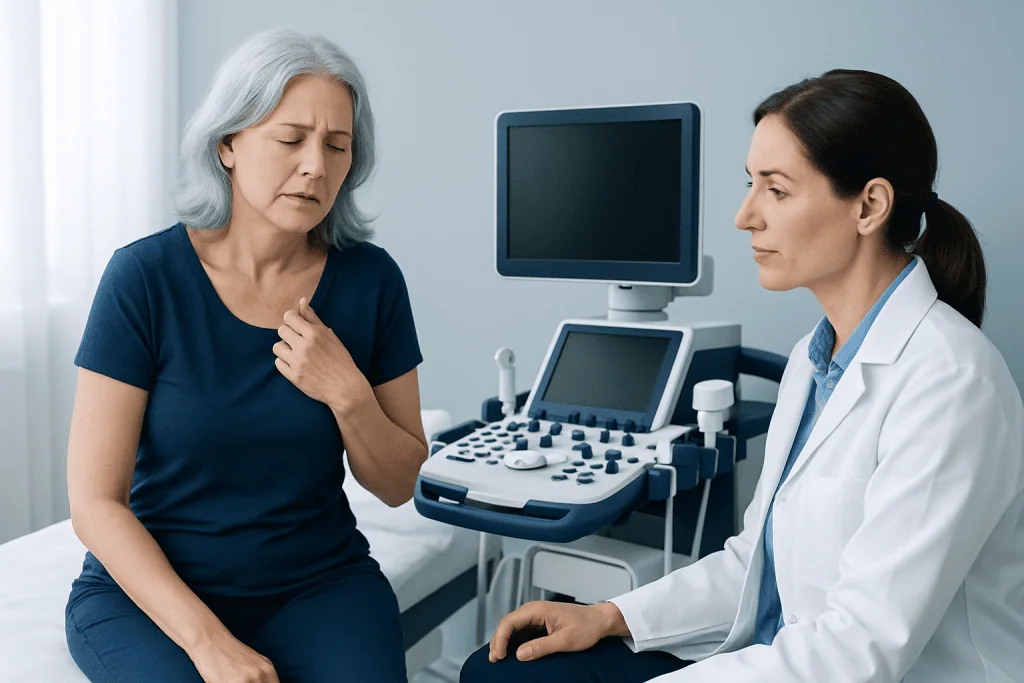
Hot flashes are among the most recognized menopause symptoms. They are sudden sensations of heat, often felt in the face, neck, or chest, and may be accompanied by sweating, flushing, or a rapid heartbeat. When hot flashes occur at night, they are commonly called night sweats and may disrupt sleep.
These symptoms happen because changing estrogen levels affect the brain’s temperature regulation system. Triggers vary from person to person, but common ones include warm rooms, hot drinks, alcohol, spicy foods, stress, and tight clothing. Keeping a symptom diary can help identify patterns and guide practical adjustments.
Other menopause-related symptoms may include vaginal dryness, discomfort during sex, urinary urgency, changes in menstrual flow during perimenopause, mood changes, joint aches, headaches, changes in skin and hair, and reduced libido. Not every symptom is caused by menopause, so persistent or unusual changes should be discussed with a qualified doctor.
Sleep Changes and Mood During Menopause

Sleep changes are very common during the menopause transition. Night sweats can wake a woman repeatedly, but sleep can also be affected by stress, anxiety, bladder symptoms, snoring, sleep apnea, pain, or changes in daily routine. Some women report difficulty falling asleep, early morning waking, or feeling unrefreshed despite spending enough hours in bed.
Good sleep habits can make a meaningful difference. Helpful steps include keeping a consistent sleep schedule, reducing evening alcohol and caffeine, keeping the bedroom cool, using breathable sleepwear, and limiting screen exposure before bed. Regular physical activity can support sleep, although intense exercise close to bedtime may be stimulating for some people.
Mood symptoms may also appear or worsen during perimenopause, especially in women with a history of depression, anxiety, premenstrual mood symptoms, or major life stress. Irritability, low mood, or anxiety should be taken seriously and treated with the same care as any other health concern. Support may include counseling, stress-management strategies, sleep treatment, medication when appropriate, and evaluation for other medical contributors such as thyroid disease or anemia.
Causes and Risk Factors
The main cause of natural menopause is the gradual reduction in ovarian follicle activity over time. As the ovaries make less estrogen, ovulation becomes less regular and menstrual cycles can become shorter, longer, heavier, lighter, or skipped. Eventually periods stop completely.
Some factors can influence the timing or experience of menopause. These include genetics, smoking, certain autoimmune conditions, chemotherapy or pelvic radiation, and surgery involving the ovaries. A hysterectomy that removes the uterus but leaves the ovaries in place stops menstrual bleeding, but it may not immediately cause menopause because the ovaries can continue producing hormones.
Health risks also change after menopause, partly because estrogen has effects on bone, blood vessels, and the genitourinary tissues. After menopause, women may need closer attention to bone density, cardiovascular risk factors, weight changes, and vaginal or urinary symptoms. This does not mean problems are inevitable, but it does make preventive care especially valuable.
Diagnosis and Medical Evaluation
In most women, menopause is diagnosed based on age, menstrual history, and symptoms. Blood tests are not always necessary because hormone levels can fluctuate significantly during perimenopause. A doctor may consider tests when menopause occurs unusually early, symptoms are unclear, periods stop at a younger age, or another condition needs to be ruled out.
Medical evaluation may include a review of menstrual patterns, pregnancy possibility if relevant, medications, thyroid symptoms, weight changes, mood symptoms, sleep concerns, and personal or family medical history. Depending on the situation, a doctor may request tests such as thyroid function, blood count, pregnancy testing, follicle-stimulating hormone, estradiol, or other targeted investigations.
Bleeding patterns deserve special attention. Irregular periods can be part of perimenopause, but very heavy bleeding, bleeding between periods, bleeding after sex, or bleeding after menopause should be assessed. Postmenopausal bleeding is not assumed to be normal and may require pelvic examination, ultrasound, or endometrial sampling based on the doctor’s assessment.
Treatment Options and Hormone Therapy Considerations
Treatment is guided by the severity of symptoms, personal preferences, and medical history. Some women need no medical treatment, while others benefit from targeted support for hot flashes, sleep disruption, vaginal dryness, or mood symptoms. Options may include lifestyle changes, non-hormonal medications, vaginal therapies, and menopausal hormone therapy.
Hormone therapy, also called menopausal hormone therapy, is one of the most effective treatments for bothersome hot flashes and night sweats. It can also help prevent bone loss in selected women. Estrogen may be prescribed alone for women who have had a hysterectomy, while women with a uterus usually need a progestogen as well to protect the uterine lining.
The decision to use hormone therapy is individualized. Doctors consider age, time since menopause, symptom severity, uterus status, risk of blood clots, stroke, breast cancer, heart disease, liver disease, unexplained vaginal bleeding, and other factors. For many healthy women who are younger than 60 or within 10 years of menopause, benefits may outweigh risks, but this must be assessed personally and reviewed regularly.
Non-hormonal options may be suitable for women who cannot or prefer not to use hormone therapy. These can include certain prescription medicines for hot flashes, cognitive behavioral therapy for insomnia or mood symptoms, and vaginal moisturizers or lubricants for dryness. Low-dose vaginal estrogen or other local therapies may be considered for genitourinary symptoms, often with lower whole-body hormone exposure, but they should still be discussed with a clinician.
Prevention, Self-care, and When to See a Doctor
Self-care during menopause is not about preventing a natural transition; it is about supporting long-term health. A balanced diet rich in calcium-containing foods, adequate vitamin D, weight-bearing and resistance exercise, not smoking, and limiting alcohol can help protect bones and cardiovascular health. Regular blood pressure, cholesterol, diabetes, cancer screening, and vaccination reviews remain important.
Practical steps can reduce hot flashes and night sweats for some women. These include dressing in layers, using a fan, keeping the bedroom cool, choosing breathable fabrics, maintaining a healthy weight, practicing paced breathing or relaxation techniques, and identifying personal triggers. For vaginal dryness, regular use of vaginal moisturizers and water- or silicone-based lubricants can improve comfort.
A woman should see a doctor if symptoms interfere with sleep, work, relationships, or wellbeing; if periods are very heavy or unusual; if bleeding occurs after menopause; or if there is pelvic pain, breast changes, severe mood symptoms, or concerns about early menopause. Medical guidance is also important before starting hormone therapy, supplements, or over-the-counter products marketed for menopause, because some may interact with medicines or be unsuitable for certain health conditions.
For international patients seeking coordinated evaluation, Acibadem International provides access to multidisciplinary specialists and JCI-accredited hospitals that diagnose and treat menopause-related concerns. Care decisions should always be based on an individual medical assessment and a clear discussion of benefits, risks, and alternatives.
Frequently asked questions
What is the difference between perimenopause and menopause?
Perimenopause is the transition period before menopause, when hormone levels fluctuate and periods may become irregular. Menopause is confirmed after 12 consecutive months without a menstrual period, when no other cause is present. Postmenopause refers to the years after that point.
Are hot flashes dangerous?
Hot flashes are usually not dangerous, but they can be uncomfortable and disruptive, especially when they affect sleep. If symptoms are frequent, severe, or associated with other concerning signs, a doctor can assess whether menopause is the likely cause and discuss treatment options.
Does every woman need hormone therapy for menopause?
No. Some women have mild symptoms and do well with lifestyle measures or no treatment. Hormone therapy may be considered when symptoms such as hot flashes or night sweats significantly affect quality of life, but it should be individualized after a medical review.
Is hormone therapy safe?
Hormone therapy can be appropriate for selected women, but it is not suitable for everyone. Safety depends on factors such as age, time since menopause, personal and family medical history, and the type, dose, and route of treatment. A doctor can help weigh benefits and risks and review treatment periodically.
Can menopause cause sleep problems even without night sweats?
Yes. Some women experience insomnia or lighter sleep during the menopause transition even without obvious night sweats. Other causes such as stress, anxiety, thyroid problems, pain, bladder symptoms, or sleep apnea may also contribute, so persistent sleep problems deserve evaluation.
When is bleeding after menopause a concern?
Any bleeding after menopause should be checked by a doctor, even if it is light or occurs only once. Many causes are benign and treatable, such as vaginal tissue thinning or polyps, but medical evaluation is important to rule out more serious conditions.
References
- World Health Organization
- North American Menopause Society
- American College of Obstetricians and Gynecologists
- National Institute for Health and Care Excellence
- Endocrine Society
This article is for general information only and is not a substitute for professional medical advice. Please consult a qualified doctor about your individual situation.
Hormone Therapy in Turkey — costs, top hospitals & a free quote
JCI-accredited · board-certified surgeons · reply within 24h
Add us as a Preferred Source to see more of our trusted health content across Google Search, AI Overviews and Discover.
Check your numbers in seconds
BMI, calories, due date, blood pressure and 30+ more clinical calculators — free, instant, doctor-reviewed ranges.

Medical Oncology Department
Medical treatment of cancer with chemotherapy, immunotherapy and targeted therapies under a multidisciplinary tumor board.
60 specialists in this unit