Stomach Cancer: Warning Signs, Endoscopy, and Treatment Options

Early stomach cancer may cause few or no symptoms, but persistent indigestion, unexplained weight loss, vomiting, or black stools should be evaluated. Upper gastrointestinal endoscopy allows doctors to see the stomach lining and take biopsies, which are necessary to confirm cancer.
Key Takeaways
- Early stomach cancer may cause few or no symptoms, but persistent indigestion, unexplained weight loss, vomiting, or black stools should be evaluated.
- Upper gastrointestinal endoscopy allows doctors to see the stomach lining and take biopsies, which are necessary to confirm cancer.
- Treatment may include surgery, chemotherapy, radiation therapy, targeted therapy, immunotherapy, or a combination of these approaches.
- Testing for Helicobacter pylori, avoiding tobacco, moderating alcohol, and eating a balanced diet may help reduce risk.
- A multidisciplinary cancer team can tailor treatment to the cancer stage, location, molecular features, and the patient’s needs.
Stomach cancer, also called gastric cancer, can cause vague digestive symptoms at first, which is why persistent changes should be assessed by a doctor. Endoscopy with biopsy is the key test for diagnosis, and treatment is planned according to the tumor type, stage, and the person’s overall health.
Overview
Stomach cancer is a disease in which abnormal cells grow in the lining or deeper layers of the stomach. It is also known as gastric cancer. The most common type is adenocarcinoma, which begins in the gland-forming cells of the stomach lining. Less common stomach tumors include lymphomas, gastrointestinal stromal tumors, and neuroendocrine tumors, which are diagnosed and treated differently.
The stomach is part of the digestive system, sitting between the esophagus and the small intestine. Because it has a large internal surface and can stretch, early changes may not cause obvious symptoms. Some people notice only mild indigestion, early fullness, or appetite changes at first, which can overlap with common non-cancer conditions such as gastritis, reflux, or ulcers.
Stomach cancer is best understood by its location, depth of growth, spread to lymph nodes, and whether it has reached other organs. These details are called staging, and they guide treatment. Some cancers are found at an early stage and may be removable with minimally invasive endoscopic techniques or surgery, while more advanced cancers often need a combination of treatments.
Warning Signs and Symptoms
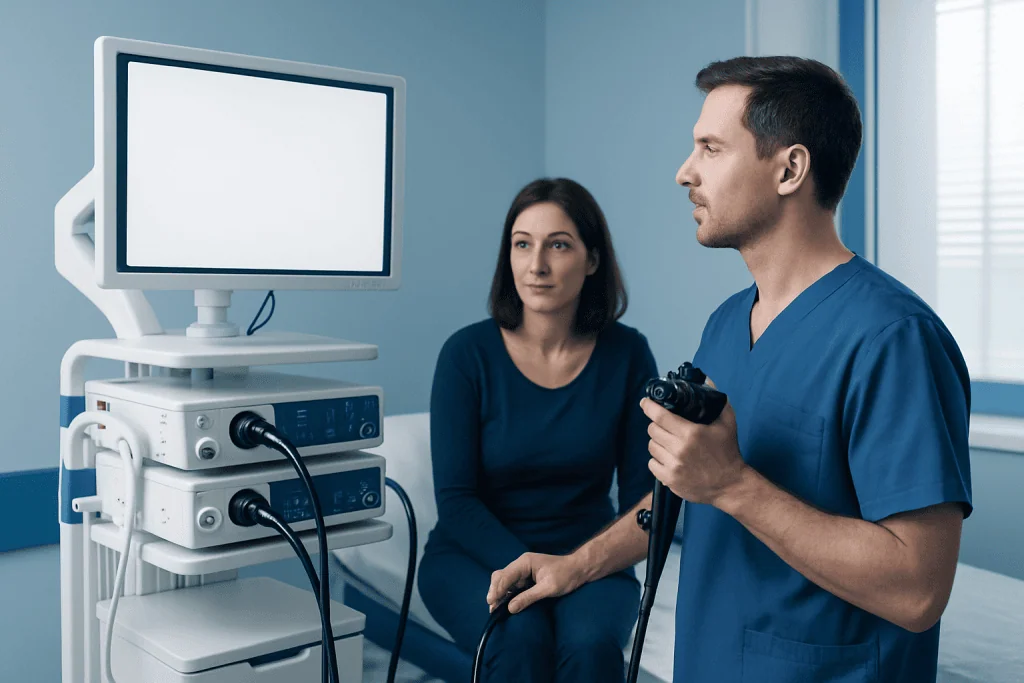
Stomach cancer symptoms can be subtle and may come and go. Having these symptoms does not mean a person has cancer, but persistent or unexplained digestive changes deserve medical attention. A doctor can evaluate the pattern, risk factors, and whether tests such as endoscopy are needed.
Possible warning signs include:
- Indigestion, heartburn, or upper abdominal discomfort that does not improve or keeps returning
- Feeling full after eating small amounts
- Loss of appetite or unexplained weight loss
- Nausea, vomiting, or vomiting blood
- Difficulty swallowing, especially if the tumor is near the upper stomach
- Black, tarry stools, which may suggest bleeding in the digestive tract
- Fatigue, weakness, or shortness of breath due to anemia
- Ongoing abdominal pain, bloating, or a sense of heaviness after meals
Symptoms that worsen over time, occur together, or are associated with weight loss or bleeding are especially important to discuss with a healthcare professional. People should avoid self-diagnosing or relying only on over-the-counter acid medicines for symptoms that persist. Early evaluation can identify many treatable causes, and when cancer is present, it may help treatment begin sooner.
Causes and Risk Factors
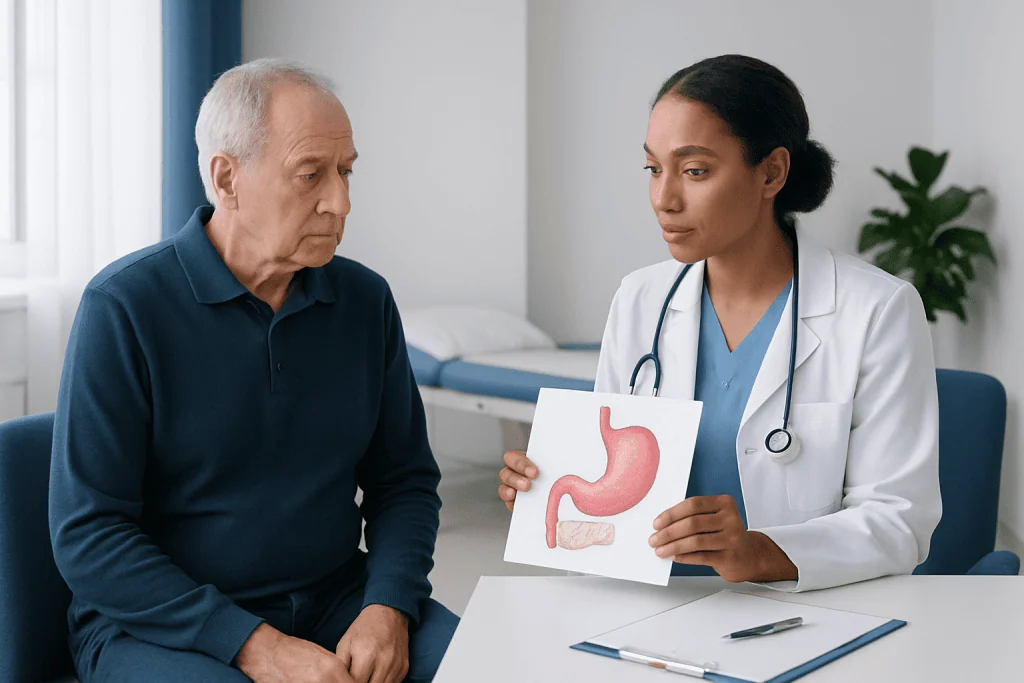
Stomach cancer develops when changes in the DNA of stomach cells allow them to grow and survive abnormally. In many cases, there is no single cause. Risk usually reflects a combination of long-term inflammation, infection, inherited factors, lifestyle patterns, and environmental exposures.
One important risk factor is chronic infection with Helicobacter pylori, a bacterium that can live in the stomach lining and cause inflammation, gastritis, and ulcers. Not everyone with H. pylori develops cancer, but identifying and treating the infection can reduce certain risks. Long-standing atrophic gastritis, intestinal metaplasia, pernicious anemia, and previous stomach surgery may also increase risk in some people.
Other recognized risk factors include smoking, heavy alcohol use, diets high in salted or smoked foods, low intake of fresh fruits and vegetables, and a family history of gastric cancer. Some inherited syndromes, such as hereditary diffuse gastric cancer, Lynch syndrome, and familial adenomatous polyposis, can raise risk and may require genetic counseling. Risk also tends to increase with age, although stomach cancer can occur in younger adults.
Risk factors do not determine destiny. Many people with one or more risk factors never develop stomach cancer, while some diagnosed patients have no clear risk factors. The practical goal is to recognize persistent symptoms, treat modifiable risks when possible, and follow medical advice for surveillance if a person has a high-risk condition or family history.
Diagnosis: Why Endoscopy Matters
Upper gastrointestinal endoscopy is the main test used to investigate suspected stomach cancer. During the procedure, a thin flexible tube with a camera is passed through the mouth into the esophagus, stomach, and first part of the small intestine. The doctor can directly inspect the stomach lining, look for ulcers, abnormal growths, or areas of inflammation, and take small tissue samples called biopsies.
A biopsy is essential because stomach cancer cannot be confirmed by appearance alone. A pathologist examines the tissue under a microscope to identify whether cancer cells are present and to determine the cancer type. Additional laboratory testing may look for molecular features such as HER2 status, mismatch repair deficiency, microsatellite instability, or PD-L1 expression, because these results can influence treatment choices.
If cancer is diagnosed, staging tests help determine how far it has spread. These may include computed tomography, endoscopic ultrasound, positron emission tomography in selected cases, blood tests, and sometimes diagnostic laparoscopy. Endoscopic ultrasound can be useful for assessing how deeply a tumor has grown into the stomach wall and whether nearby lymph nodes appear involved.
Diagnosis is not only about naming the disease. It also includes evaluating nutrition, anemia, other medical conditions, and the patient’s goals and preferences. These details help the medical team recommend a treatment plan that is safe, realistic, and tailored to the individual.
Treatment Options
Treatment for stomach cancer depends on the cancer’s stage, location, microscopic type, molecular markers, and the person’s general health. Most patients benefit from a multidisciplinary plan involving gastroenterology, surgical oncology, medical oncology, radiation oncology, pathology, radiology, nutrition, and supportive care. The plan may use one treatment or a carefully timed combination.
For very early cancers limited to the inner lining of the stomach, endoscopic resection may be possible in selected cases. Techniques such as endoscopic mucosal resection or endoscopic submucosal dissection can remove certain small, low-risk tumors without major surgery. Careful staging and expert assessment are needed to decide whether this approach is appropriate.
Surgery is a key treatment when the cancer can be removed. Depending on the tumor location, surgeons may remove part of the stomach or the entire stomach, along with nearby lymph nodes. Reconstruction allows food to pass from the esophagus to the small intestine. After stomach surgery, patients usually need nutritional guidance, smaller frequent meals, and monitoring for vitamin and mineral deficiencies.
Drug treatments are often used before surgery, after surgery, or when surgery is not possible. Chemotherapy can shrink tumors, reduce recurrence risk, or control disease. Targeted therapy may be used for cancers with specific markers, such as HER2-positive tumors. Immunotherapy may be considered for some advanced cancers, particularly when molecular testing suggests benefit. Radiation therapy can be used in selected situations to help control local disease or symptoms.
Supportive Care, Nutrition, and Recovery
Supportive care is an essential part of stomach cancer treatment, not an afterthought. It focuses on maintaining strength, reducing symptoms, managing treatment side effects, and protecting quality of life. Nutrition support is particularly important because stomach cancer and its treatments can affect appetite, digestion, swallowing, and weight.
A dietitian may recommend small, frequent meals, high-protein foods, texture changes, or nutritional supplements. After partial or total stomach removal, some people experience early fullness, reflux, dumping symptoms, or changes in bowel habits. Medical teams can help with meal timing, hydration, vitamin B12, iron, calcium, vitamin D, and other nutrients when needed.
Common treatment side effects may include fatigue, nausea, taste changes, mouth sores, diarrhea, neuropathy, or low blood counts, depending on the therapies used. Patients should report side effects early because many can be managed with medicines, schedule adjustments, nutrition strategies, and rehabilitation. Emotional support, counseling, and patient education can also help individuals and families cope with the uncertainty of a cancer diagnosis.
Prevention and Self-care
Not all stomach cancers can be prevented, but several steps may reduce risk and support overall digestive health. People with symptoms or risk factors should speak with a doctor rather than starting long-term self-treatment. Medical evaluation is especially important before using acid-suppressing medicines for prolonged periods without a clear diagnosis.
Practical prevention and self-care measures include:
- Testing and treating H. pylori when recommended by a healthcare professional
- Avoiding tobacco and seeking support to stop smoking
- Limiting alcohol and avoiding heavy use
- Eating a balanced diet rich in vegetables, fruits, whole grains, and lean protein
- Reducing frequent intake of heavily salted, smoked, or processed foods
- Following surveillance advice if there is a strong family history, inherited syndrome, or precancerous stomach condition
People at increased inherited risk may be referred for genetic counseling. This can help clarify whether genetic testing is appropriate and whether family members should be offered screening or preventive care. Self-care also includes keeping follow-up appointments, discussing new symptoms promptly, and asking questions until the care plan is understood.
When to See a Doctor
A person should seek medical advice if digestive symptoms persist for more than a few weeks, keep returning, or are not explained by a known condition. Prompt evaluation is also important for unexplained weight loss, persistent vomiting, vomiting blood, black stools, progressive difficulty swallowing, severe fatigue, or signs of anemia. These symptoms can have many causes, but they should not be ignored.
Patients who have a history of stomach ulcers, chronic gastritis, H. pylori infection, previous stomach surgery, pernicious anemia, or a strong family history of gastric cancer should ask whether they need specific follow-up. People already diagnosed with stomach cancer should contact their care team if symptoms worsen, nutrition becomes difficult, fever develops during chemotherapy, or new pain or bleeding occurs.
For international patients seeking evaluation or treatment, Acibadem International’s multidisciplinary specialists and JCI-accredited hospitals can diagnose and treat stomach cancer using coordinated gastroenterology, oncology, surgery, imaging, pathology, and supportive care services. As with any cancer, the most appropriate care plan should be based on an individual medical assessment and discussion with qualified clinicians.
Frequently asked questions
What are the earliest signs of stomach cancer?
Early stomach cancer may cause no symptoms or only mild, nonspecific problems such as indigestion, upper abdominal discomfort, early fullness, or reduced appetite. These symptoms are common and often caused by non-cancer conditions. If they persist, worsen, or occur with weight loss, vomiting, anemia, or black stools, medical evaluation is important.
Can an endoscopy diagnose stomach cancer?
Endoscopy is the key test for evaluating the stomach lining and identifying suspicious areas. However, the diagnosis is confirmed by biopsy, where small tissue samples are examined by a pathologist. Endoscopy also helps doctors understand the tumor’s location and plan further staging tests.
Is stomach cancer always treated with surgery?
No. Surgery is important for many stomach cancers that can be removed, but treatment depends on stage and tumor features. Some very early cancers may be treated with endoscopic removal, while advanced cancers may be managed with chemotherapy, targeted therapy, immunotherapy, radiation therapy, supportive care, or combinations of these.
What is the role of chemotherapy in stomach cancer?
Chemotherapy may be used before surgery to shrink a tumor, after surgery to reduce the risk of recurrence, or as the main treatment when cancer has spread. It can also help relieve symptoms and slow disease progression in advanced cases. The exact medicines and timing are chosen by an oncology team based on the individual situation.
Does <em>H. pylori</em> infection mean a person will get stomach cancer?
No. Many people with <em>H. pylori</em> never develop stomach cancer. Still, chronic infection can increase risk in some people and can cause gastritis or ulcers, so testing and treatment may be recommended depending on symptoms and risk factors. A doctor can advise the most appropriate testing method and treatment plan.
What happens after part or all of the stomach is removed?
After stomach surgery, digestion changes and patients usually need smaller, more frequent meals. Some may need vitamin and mineral monitoring, especially for vitamin B12, iron, calcium, and vitamin D. A dietitian and medical team can help manage symptoms such as early fullness, reflux, or dumping syndrome.
When should someone with indigestion worry about stomach cancer?
Most indigestion is not cancer, but persistent or unexplained symptoms should be checked, especially in adults with risk factors. Warning features include unintentional weight loss, difficulty swallowing, vomiting, blood in vomit, black stools, anemia, or symptoms that do not improve with appropriate care. A healthcare professional can decide whether endoscopy or other tests are needed.
References
- World Health Organization
- National Cancer Institute
- American Cancer Society
- European Society for Medical Oncology
- National Comprehensive Cancer Network
This article is for general information only and is not a substitute for professional medical advice. Please consult a qualified doctor about your individual situation.
Stomach Cancer in Turkey — costs, top hospitals & a free quote
JCI-accredited · board-certified surgeons · reply within 24h
Add us as a Preferred Source to see more of our trusted health content across Google Search, AI Overviews and Discover.

Medical Oncology Department
Medical treatment of cancer with chemotherapy, immunotherapy and targeted therapies under a multidisciplinary tumor board.
60 specialists in this unit