Diverticulitis: Lower Abdominal Pain, CT Diagnosis, and Treatment

Diverticulitis commonly causes steady lower abdominal pain, fever, nausea, and changes in bowel habits. A CT scan is the standard imaging test because it can confirm diverticulitis and identify complications such as abscess or perforation.
Key Takeaways
- Diverticulitis commonly causes steady lower abdominal pain, fever, nausea, and changes in bowel habits.
- A CT scan is the standard imaging test because it can confirm diverticulitis and identify complications such as abscess or perforation.
- Treatment depends on severity and may include rest, temporary diet changes, pain control, selective antibiotics, drainage, or surgery.
- People with mild uncomplicated diverticulitis can often recover at home with medical guidance and follow-up.
- Urgent care is needed for severe pain, persistent fever, vomiting, fainting, worsening symptoms, or signs of dehydration.
Diverticulitis occurs when small pouches in the colon wall become inflamed or infected, often causing pain in the lower left abdomen. Most cases are treatable, and CT imaging helps doctors confirm the diagnosis and choose the safest level of care.
Overview
Diverticulitis is a common digestive condition that develops from diverticulosis, the presence of small bulging pouches called diverticula in the lining of the colon. These pouches are most often found in the sigmoid colon, the lower part of the large intestine on the left side of the abdomen. Diverticula themselves are often harmless and may cause no symptoms, but when one or more become inflamed, the condition is called diverticulitis.
The main symptom is usually steady pain in the lower abdomen, especially on the left side, although pain can occur on the right side in some people. Diverticulitis ranges from mild inflammation to more complex disease with an abscess, bowel blockage, fistula, or a small perforation. Doctors often describe cases as uncomplicated when there is inflammation without major complications, and complicated when additional problems are present.
Modern diagnosis relies heavily on computed tomography, commonly called a CT scan. CT imaging helps distinguish diverticulitis from other causes of abdominal pain and shows how severe the inflammation is. With accurate diagnosis and appropriate treatment, many people recover well and can take steps to reduce the chance of future episodes.
Symptoms of Diverticulitis
Diverticulitis symptoms can develop over hours or days. The most typical feature is constant lower abdominal pain that does not feel like ordinary gas or short-lived cramping. In many patients the pain is in the left lower abdomen, but the location can vary depending on anatomy, age, and which part of the colon is affected.
Common symptoms may include:
- Lower abdominal pain or tenderness, often worse with movement or pressure
- Fever, chills, or a general feeling of being unwell
- Nausea, reduced appetite, or occasional vomiting
- Constipation, diarrhea, bloating, or a change in usual bowel pattern
- Pain or discomfort with urination if the inflamed colon is close to the bladder
Symptoms alone cannot reliably confirm diverticulitis because many conditions can feel similar. Appendicitis, inflammatory bowel disease, kidney stones, urinary infections, gynecologic conditions, colorectal cancer, and bowel obstruction may all cause abdominal pain. This is why a medical assessment is important, especially when pain is new, persistent, or accompanied by fever.
Causes and Risk Factors
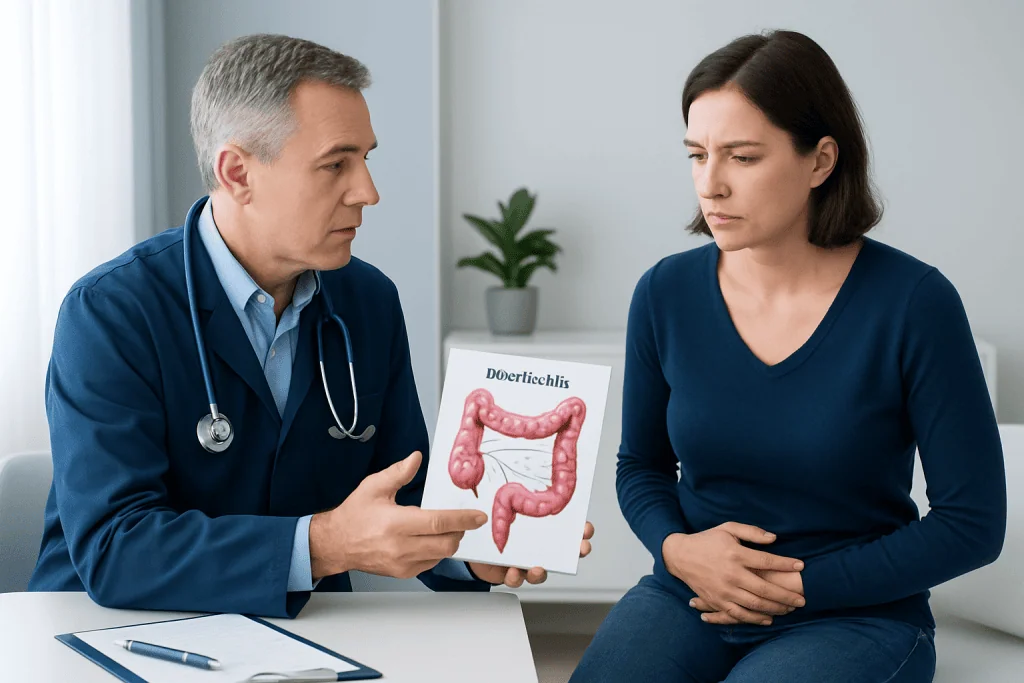
Diverticula form when weak areas in the colon wall bulge outward. This may be related to pressure inside the colon, changes in connective tissue with aging, and the way the bowel moves stool forward. Diverticulitis occurs when a diverticulum becomes inflamed, possibly due to microscopic injury, local obstruction, changes in gut bacteria, or irritation of the pouch lining.
Several factors are associated with a higher risk of diverticulitis. Age is important, because diverticulosis becomes more common over time. Other factors include low physical activity, smoking, obesity, frequent use of certain pain relievers such as nonsteroidal anti-inflammatory drugs, and diets that are low in fiber or high in red and processed meats. Genetics may also play a role, since diverticular disease can run in families.
Older advice often told patients to avoid nuts, seeds, popcorn, and similar foods. Current evidence does not show that these foods reliably trigger diverticulitis in most people, so routine avoidance is not usually necessary unless an individual notices a clear pattern of symptoms. Long-term prevention is more often focused on overall diet quality, fiber intake, hydration, regular activity, and management of personal risk factors.
CT Diagnosis and Medical Evaluation
A doctor begins by asking about the pattern of pain, bowel changes, fever, previous episodes, medications, and medical history. The physical examination checks for abdominal tenderness, guarding, bloating, and signs of dehydration or infection. Blood tests may be used to look for inflammation, anemia, kidney function, and other clues, while urine testing can help exclude urinary conditions.
A CT scan of the abdomen and pelvis is often the preferred imaging test for suspected diverticulitis, particularly for a first episode, severe symptoms, or uncertain diagnosis. CT can show thickening of the colon wall, inflamed fat around the colon, visible diverticula, abscess, free air, fluid collections, or obstruction. This information helps doctors decide whether treatment can be safely provided at home or should take place in hospital.
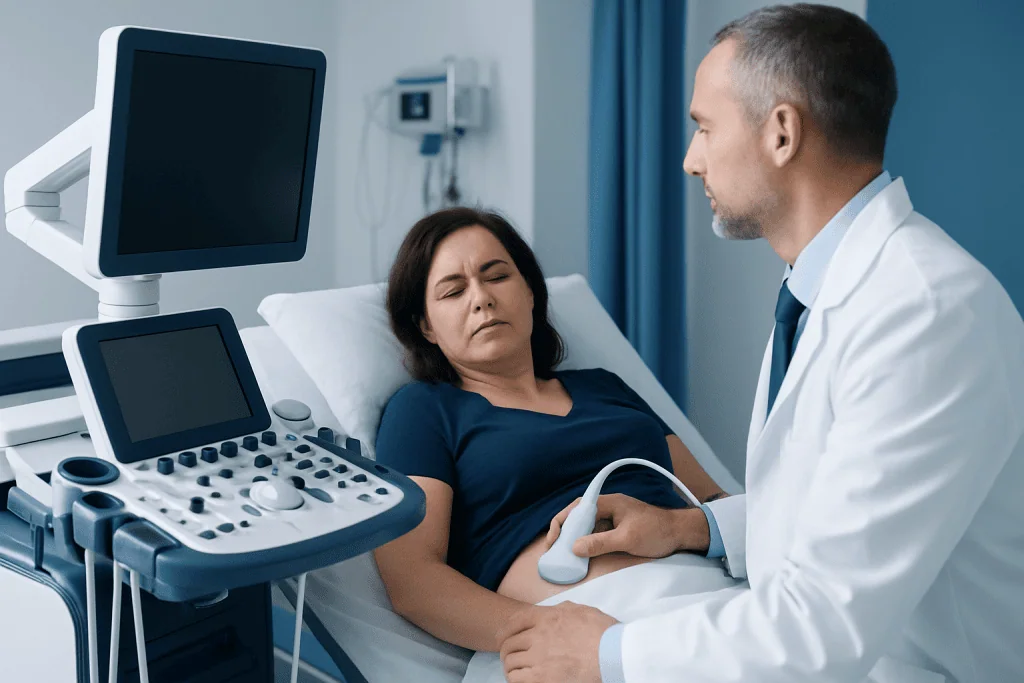
Ultrasound may be useful in some settings, especially when CT is not preferred, but it depends more on the operator and the patient’s body habitus. MRI may be considered in selected cases, such as pregnancy, when avoiding radiation is important. Colonoscopy is not usually performed during the acute painful phase because the inflamed colon is more vulnerable, but it may be recommended several weeks after recovery, especially if the person has not had recent colon evaluation or if the diagnosis needs confirmation.
Treatment Options
Treatment is tailored to the severity of diverticulitis, the patient’s age and general health, immune status, test results, and CT findings. Mild uncomplicated diverticulitis may be treated as an outpatient with rest, oral fluids, temporary dietary adjustment, and pain control. Some patients require antibiotics, but in selected otherwise healthy people with mild uncomplicated disease, doctors may decide that careful observation without antibiotics is appropriate.
Diet during an acute episode is usually simplified for comfort. A doctor may suggest clear liquids or low-fiber foods for a short period, then gradual return to a balanced diet as pain and fever improve. Strong pain medicines that can slow the bowel may not be suitable for everyone, and nonsteroidal anti-inflammatory drugs should be discussed with a clinician because they may increase the risk of complications in some patients.
Hospital treatment may be needed when symptoms are severe, oral intake is poor, fever persists, the patient is immunocompromised, or CT shows complicated diverticulitis. Care may include intravenous fluids, antibiotics, bowel rest, and close monitoring. If an abscess is present, interventional radiology drainage through the skin may be recommended when feasible.
Surgery is reserved for selected situations, such as generalized peritonitis, ongoing perforation, severe obstruction, fistula, failure of medical treatment, or repeated episodes that significantly affect health and quality of life. Surgical planning is individualized; some operations are urgent, while others are elective after inflammation has settled. The goal is to treat the diseased segment safely while preserving bowel function whenever possible.
Recovery, Prevention, and Self-care
Recovery time varies. Many people with mild disease feel better within a few days, but full return of energy and normal bowel habits can take longer. Follow-up is important to confirm improvement, review test results, and decide whether colonoscopy or further evaluation is needed after the acute episode.
After recovery, gradual lifestyle measures may help reduce future risk. A fiber-rich eating pattern that includes vegetables, fruits, legumes, and whole grains can support bowel regularity, but fiber should be increased slowly to avoid bloating. Drinking enough fluids, staying physically active, maintaining a healthy weight, and avoiding smoking are practical steps that benefit both digestive and overall health.
Patients should also review medications with their doctor, especially if they regularly use nonsteroidal anti-inflammatory drugs or steroids. People who have recurrent diverticulitis, immune system problems, or other bowel conditions may need a more personalized plan. Probiotics, supplements, and restrictive diets should not replace medical care, and their usefulness can vary from person to person.
When to See a Doctor
Medical advice is recommended for new or persistent lower abdominal pain, especially when it lasts more than a few hours or is associated with fever, nausea, vomiting, constipation, diarrhea, or urinary discomfort. A clinician can determine whether the symptoms fit diverticulitis and whether CT imaging or laboratory tests are needed. Early evaluation is helpful because treatment differs depending on whether the condition is uncomplicated or complicated.
Urgent care is needed if abdominal pain is severe or worsening, the abdomen becomes rigid or very tender, fever is persistent, vomiting prevents fluid intake, there is fainting or confusion, or there is blood in the stool. People with weakened immune systems, significant heart, kidney, or liver disease, pregnancy, or advanced age should seek care promptly even if symptoms seem moderate.
International patients who need evaluation for suspected diverticulitis can be assessed by gastroenterology, radiology, emergency medicine, and colorectal surgery teams when appropriate. Acibadem International’s multidisciplinary specialists and JCI-accredited hospitals diagnose and treat digestive conditions including diverticulitis for international patients. The safest next step for any individual is to consult a qualified doctor who can interpret symptoms and imaging in context.
Frequently asked questions
What does diverticulitis pain feel like?
Diverticulitis usually causes steady pain or tenderness in the lower abdomen, most often on the left side. The pain may worsen with movement, coughing, or pressure on the abdomen. It may occur with fever, nausea, bloating, constipation, or diarrhea.
Is CT always needed to diagnose diverticulitis?
CT is not always required for every patient, but it is often the most useful test when the diagnosis is uncertain, symptoms are significant, or it is a first episode. CT can confirm inflammation and show complications such as abscess or perforation. A doctor decides based on the patient's symptoms, examination, and risk factors.
Can diverticulitis be treated without antibiotics?
Some mild uncomplicated cases in otherwise stable patients may improve without antibiotics under medical supervision. Antibiotics are still used when symptoms are more severe, the immune system is weakened, infection risk is higher, or CT shows complicated disease. Patients should not stop or avoid antibiotics without a doctor's guidance.
What should someone eat during a diverticulitis flare?
During an acute flare, doctors may recommend clear liquids or low-fiber foods for a short time to reduce bowel workload and improve comfort. As symptoms improve, foods are usually reintroduced gradually. Long-term, many people benefit from a balanced, fiber-rich diet unless their doctor advises otherwise.
Does diverticulitis mean a person needs surgery?
Most people with uncomplicated diverticulitis do not need surgery. Surgery is considered for emergencies such as perforation with widespread infection, severe obstruction, fistula, or cases that do not improve with other treatment. Elective surgery may be discussed after recurrent or complicated episodes, depending on individual circumstances.
How can future diverticulitis attacks be reduced?
Risk reduction usually focuses on regular physical activity, a gradual increase in dietary fiber after recovery, adequate hydration, not smoking, and maintaining a healthy weight. Medication review is also important, particularly for frequent use of nonsteroidal anti-inflammatory drugs. A personalized plan is best for people with recurrent episodes or other health conditions.
References
- American College of Gastroenterology
- American Society of Colon and Rectal Surgeons
- National Institute of Diabetes and Digestive and Kidney Diseases
- World Gastroenterology Organisation
- European Society of Coloproctology
This article is for general information only and is not a substitute for professional medical advice. Please consult a qualified doctor about your individual situation.
Diverticulitis in Turkey — costs, top hospitals & a free quote
JCI-accredited · board-certified surgeons · reply within 24h
Add us as a Preferred Source to see more of our trusted health content across Google Search, AI Overviews and Discover.

General Surgery
Open, laparoscopic and robotic surgery for a broad range of abdominal and soft-tissue conditions.
120 specialists in this unit