Botox for Chronic Migraine

Botox is used to help prevent chronic migraine, not to treat a migraine attack that has already started. Chronic migraine is generally defined as headache on 15 or more days per month, with migraine features on at least 8 days, for more than 3 months.
Key Takeaways
- Botox is used to help prevent chronic migraine, not to treat a migraine attack that has already started.
- Chronic migraine is generally defined as headache on 15 or more days per month, with migraine features on at least 8 days, for more than 3 months.
- Treatment involves multiple small injections in specific areas of the head and neck, usually repeated about every 12 weeks.
- Some people notice improvement after the first or second treatment cycle, while others need additional review to decide whether it is helping.
- A neurologist or headache specialist should confirm the diagnosis, review other causes of headache, and discuss benefits, risks, and alternatives.
Botox for chronic migraine is a preventive treatment used for adults who have frequent migraine days and need more than occasional pain relief. It is given by trained clinicians at planned intervals and works best as part of a broader migraine management plan.
Overview
Botox for chronic migraine refers to treatment with onabotulinumtoxinA, a purified form of botulinum toxin type A used in carefully controlled medical doses. Although many people associate Botox with cosmetic procedures, its use in migraine prevention is different. It is injected into specific muscles and soft tissues around the head and neck to reduce the frequency and severity of migraine in eligible adults.
Chronic migraine is not simply a bad headache. It is a neurological condition in which headache occurs on 15 or more days per month for more than 3 months, and at least 8 of those days have migraine features such as throbbing pain, nausea, light sensitivity, sound sensitivity, or worsening with routine activity. Because symptoms can overlap with other headache disorders, assessment by a clinician experienced in headache medicine is important before starting preventive treatment.
Botox is used as prevention, meaning its goal is to reduce future migraine burden over time. It is not intended to stop an acute migraine attack in the moment, and it is usually considered when migraine is frequent, disabling, or not adequately controlled with lifestyle measures and other preventive options. The treatment plan is individualized, based on headache pattern, medical history, medications, and patient preferences.
Who May Benefit From Botox for Chronic Migraine
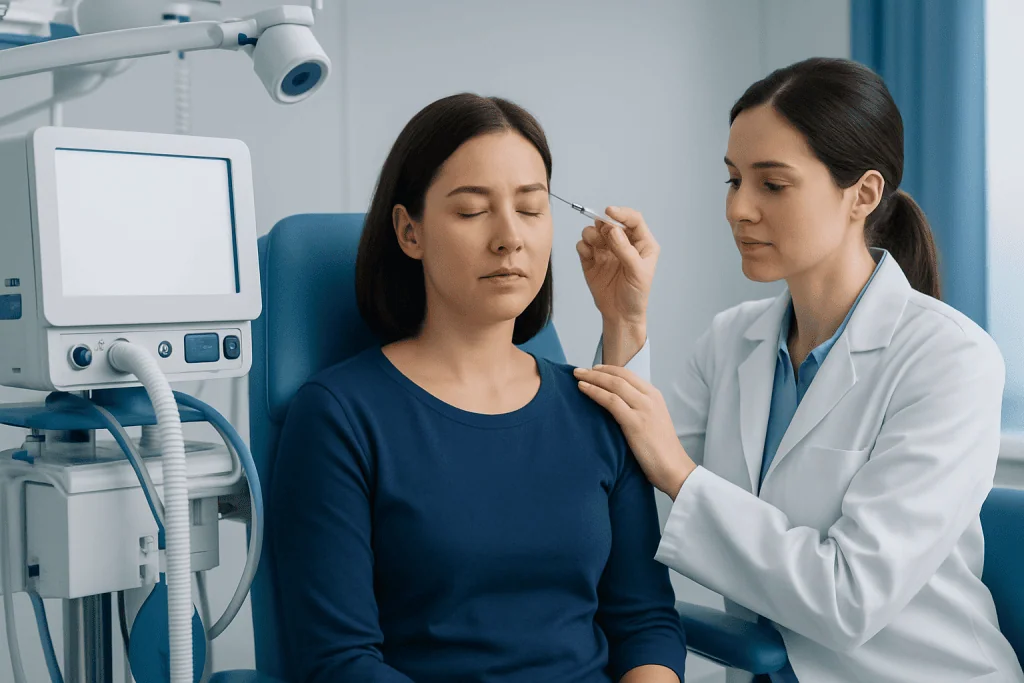
Botox may be considered for adults who meet criteria for chronic migraine and continue to have a high number of headache or migraine days despite appropriate care. Many patients have already tried acute medicines, lifestyle adjustments, or oral preventive medicines before discussing Botox. A headache diary is often helpful because it shows how many days per month are affected and how symptoms respond to treatment.
People most likely to be evaluated for Botox include those with frequent migraine attacks, significant work or school disruption, repeated need for rescue medication, or medication side effects that limit other preventive choices. It may also be discussed when oral preventives are not suitable because of other health conditions, interactions, or tolerability concerns. The decision is clinical and should be made after reviewing the full history rather than based on headache severity alone.
Botox is not generally used for occasional migraine or episodic migraine, which means fewer headache days per month. It is also not appropriate for everyone. A doctor will ask about pregnancy or breastfeeding, neuromuscular disorders, swallowing or breathing difficulties, previous reactions to botulinum toxin products, and current medications before deciding whether it is a safe option.
How Botox Is Thought to Work

Botox works by affecting communication between nerves and muscles, but in migraine prevention its benefit is believed to go beyond simple muscle relaxation. Research suggests that onabotulinumtoxinA may reduce the release of pain-related chemical messengers from nerve endings. This can make pain pathways around the head and neck less reactive over time.
Migraine involves sensitization of the nervous system, meaning that normal sensory signals can become amplified and painful. In chronic migraine, this sensitivity may become more persistent, contributing to frequent headache days and symptoms such as scalp tenderness, light sensitivity, and neck discomfort. By calming some of the peripheral nerve signals that feed into migraine pathways, Botox may help reduce the likelihood that a migraine cycle is triggered.
The effect is gradual. Botox does not numb the head, change personality, or affect thinking. It also does not cure the underlying tendency to migraine. Instead, for some patients, it becomes one part of a long-term prevention strategy that may also include sleep regularity, trigger management, physical therapy for neck contributors, stress reduction, and appropriate acute medications.
What Treatment Involves
Before treatment, the clinician confirms the diagnosis, reviews the pattern of headache days, checks for warning signs, and discusses previous therapies. In some situations, imaging or other tests may be needed to exclude another cause of headache, especially if symptoms are new, rapidly changing, or associated with neurological signs. Patients with complex symptoms may also be referred for neuroradiology assessment or related neurological evaluation when appropriate.
The Botox session itself is usually an outpatient procedure. The clinician gives a series of small injections into set locations across the forehead, temples, back of the head, neck, and shoulders. The injection pattern commonly follows established chronic migraine protocols, with additional areas sometimes considered based on the patient’s pain pattern and the treating doctor’s judgment.
The procedure usually takes a short time, and most people can return to normal non-strenuous activities afterward. Patients are typically advised not to rub the treated areas for a period after the procedure and to follow any specific aftercare instructions from the clinic. Treatment is commonly repeated about every 12 weeks, because the effect gradually wears off.
Progress is monitored with a headache diary. Useful details include headache days, migraine days, intensity, acute medication use, missed activities, menstrual association when relevant, and side effects. This record helps the clinician decide whether treatment should continue, be adjusted, or be combined with other approaches for migraine management.
Benefits, Expectations, and Treatment Goals
The main goal of Botox for chronic migraine is to reduce the number of headache and migraine days, making life more predictable and improving function. Some patients also experience shorter attacks, less severe pain, fewer associated symptoms, or reduced need for acute medication. Improvement may be gradual, so clinicians often assess response across more than one treatment cycle unless side effects or other concerns arise.
Expectations should be realistic. Botox does not work for every person, and it usually does not eliminate migraine completely. A meaningful response may be defined differently for each patient, depending on baseline headache frequency and daily impact. For one person, benefit may mean fewer missed workdays; for another, it may mean fewer days of nausea, light sensitivity, or medication use.
Botox can sometimes be used alongside other migraine preventive treatments, including certain oral medicines or newer migraine-specific therapies, when a doctor judges the combination appropriate. It is also important to avoid overuse of acute pain medicines, because frequent use can contribute to medication-overuse headache in some people. A treatment plan should include clear instructions on which medicines to take during an attack and how often they can be used safely.
Possible Side Effects and Safety Considerations
Most side effects of Botox for chronic migraine are mild and temporary, but patients should understand what can happen. Commonly discussed effects include injection-site pain, bruising, neck discomfort, temporary muscle weakness, eyelid or eyebrow drooping, and stiffness around the treated areas. These effects usually improve as the medication wears off, but any concerning or persistent symptom should be reported to the treating clinician.
Rarely, botulinum toxin effects can spread beyond the injection area and cause symptoms such as trouble swallowing, speaking, or breathing, or generalized weakness. These reactions are uncommon when treatment is performed correctly, but they require prompt medical attention. Patients should tell the doctor about any history of neuromuscular disease, swallowing problems, breathing conditions, or previous unusual reactions to botulinum toxin products.
Safety also depends on receiving the correct product, dose, dilution, and injection technique from an appropriately trained medical professional. Botox for chronic migraine should not be performed as a casual cosmetic add-on without neurological assessment. Patients should avoid treatment from unverified providers or products, because precision and medical oversight are essential.
Prevention, Self-care, and Ongoing Migraine Management
Botox may reduce migraine burden, but self-care remains an important part of chronic migraine management. Regular sleep, consistent meals, hydration, moderate physical activity, and limiting sudden changes in caffeine intake can help stabilize the nervous system. Many patients also benefit from identifying patterns rather than blaming every attack on a single trigger.
A practical migraine plan often includes:
- Keeping a headache diary to track frequency, triggers, medications, and response to Botox.
- Using acute migraine medicines early and according to the doctor’s instructions.
- Managing stress with relaxation training, breathing exercises, counseling, or mindfulness when helpful.
- Addressing neck tension, posture, jaw clenching, or sleep problems that may worsen headaches.
- Reviewing all prescription, over-the-counter, and supplement use with a clinician.
For international patients seeking coordinated neurological care, Acibadem International’s multidisciplinary specialists and JCI-accredited hospitals can diagnose and treat chronic migraine, including preventive options such as Botox when medically appropriate. The best results usually come from follow-up, diary review, and adjustment of the plan over time rather than from a single procedure alone.
When to See a Doctor
A person with frequent headaches should see a doctor if headaches occur on many days of the month, require repeated pain medication, interfere with work or family life, or are becoming more frequent. Early assessment helps confirm whether the condition is chronic migraine, another headache disorder, or a secondary headache caused by another medical issue. The doctor may also check for medication-overuse headache, sleep disorders, blood pressure problems, hormonal factors, or other contributors.
Urgent medical evaluation is needed for certain warning signs. These include a sudden severe headache that reaches maximum intensity quickly, headache with weakness or numbness, confusion, fainting, seizure, fever, stiff neck, vision loss, new headache after head injury, or a new type of headache in pregnancy, after cancer, or with immune suppression. New headache after age 50 also deserves prompt medical review.
Anyone considering Botox should consult a qualified neurologist or headache specialist rather than self-selecting treatment. The clinician can explain whether the person meets criteria for chronic migraine, what alternatives exist, how benefits will be measured, and what side effects to watch for. Shared decision-making helps ensure that treatment is safe, appropriate, and aligned with the patient’s goals.
Frequently asked questions
Is Botox for chronic migraine the same as cosmetic Botox?
The medication is the same active substance, onabotulinumtoxinA, but the purpose, injection sites, and medical assessment are different. For chronic migraine, Botox is given in a structured pattern around the head and neck by a trained clinician. The goal is migraine prevention, not changing appearance.
How long does it take Botox to work for chronic migraine?
Some people notice improvement within several weeks, while others may need more than one treatment cycle to judge the effect. Clinicians commonly review headache diary data over time rather than relying on a single week or attack. If there is no meaningful benefit after an adequate trial, other preventive options may be discussed.
Does Botox stop a migraine attack once it starts?
No. Botox is a preventive treatment and is not designed to relieve an acute migraine attack. Patients usually still need a separate acute treatment plan, such as migraine-specific medication or other medicines recommended by their doctor.
How often is Botox given for chronic migraine?
Botox for chronic migraine is commonly repeated about every 12 weeks. The interval should be set by the treating clinician and should not be shortened without medical advice. Regular follow-up helps assess benefit, side effects, and whether the plan needs adjustment.
Can Botox be used with other migraine medicines?
In some cases, yes. A doctor may combine Botox with acute migraine medicines or preventive treatments when it is safe and appropriate. Patients should provide a complete list of prescription medicines, over-the-counter drugs, and supplements to reduce the risk of interactions or medication overuse.
Who should not have Botox for chronic migraine?
Botox may not be suitable for people with certain neuromuscular disorders, previous serious reactions to botulinum toxin, infection at planned injection sites, or specific swallowing or breathing problems. Pregnancy and breastfeeding require an individualized discussion with a doctor. Suitability should always be assessed by a qualified clinician.
References
- International Headache Society
- American Headache Society
- National Institute for Health and Care Excellence
- U.S. Food and Drug Administration
- American Migraine Foundation
This article is for general information only and is not a substitute for professional medical advice. Please consult a qualified doctor about your individual situation.
Migraine in Turkey — costs, top hospitals & a free quote
JCI-accredited · board-certified surgeons · reply within 24h

Related Treatments
Related Conditions
More from the Health Library



Related Specialists

Prof. Dr. Ayşe Sağduyu Kocaman
Neurology
Prof. Dr. Mehmet Zafer Berkman
Neurosurgery
Prof. Dr. Pınar Yalınay Dikmen
Neurology
Prof. Dr. Elif Ilgaz Aydınlar
Neurology