IVF Cycle Monitoring: Ultrasounds, Blood Tests, and Dose Adjustments

IVF cycle monitoring usually combines transvaginal ultrasound scans and blood hormone tests. Ultrasound checks follicle growth in the ovaries and measures the thickness and pattern of the uterine lining.
Key Takeaways
- IVF cycle monitoring usually combines transvaginal ultrasound scans and blood hormone tests.
- Ultrasound checks follicle growth in the ovaries and measures the thickness and pattern of the uterine lining.
- Blood tests commonly measure estradiol, luteinizing hormone, progesterone, and sometimes other hormones depending on the protocol.
- Medication doses may be adjusted to support an appropriate response and reduce the risk of over- or under-stimulation.
- Monitoring schedules vary by patient, ovarian reserve, diagnosis, age, prior response, and whether the cycle is fresh or frozen.
- Patients should contact their clinic promptly for severe pain, heavy bleeding, shortness of breath, or symptoms that feel unusual after IVF medications.
IVF cycle monitoring is the careful tracking of ovarian response, hormone levels, and uterine lining during fertility treatment. It helps fertility specialists adjust medications and choose the safest, most appropriate timing for the next step in care.
Overview
IVF cycle monitoring is the step-by-step medical follow-up that takes place during in vitro fertilization. It allows the fertility team to see how the ovaries, follicles, hormones, and uterine lining are responding to treatment. This information helps guide medication dosing and the timing of important events such as the trigger injection, egg retrieval, or embryo transfer.
During a typical stimulated IVF cycle, injectable fertility medications encourage several follicles to grow at the same time. Each follicle may contain an egg, although not every follicle contains a mature egg. Monitoring does not guarantee a specific number of eggs or embryos, but it gives the medical team the best available information for making safe, individualized decisions.
For many people, monitoring appointments are brief but frequent. They commonly include a transvaginal ultrasound scan and a blood test, followed by instructions from the fertility clinic later the same day. These instructions may include continuing the same medication dose, changing the dose, adding another medication, or preparing for the next stage of IVF treatment.
Why Monitoring Matters in IVF
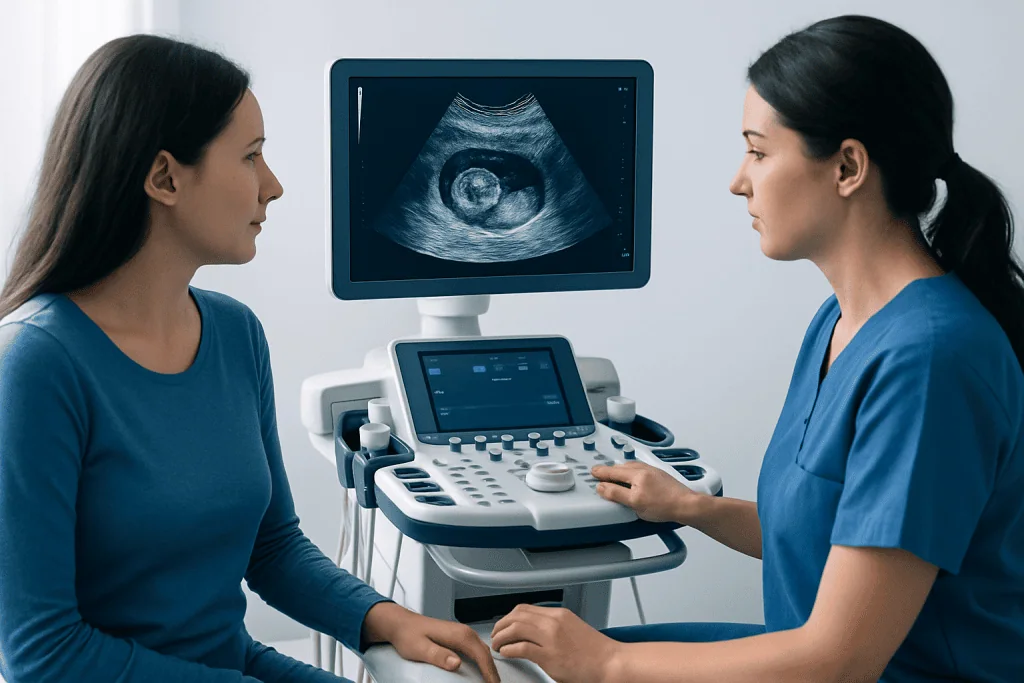
IVF medications affect each person differently. Two patients of the same age may have very different ovarian reserve, hormone patterns, follicle growth, and medication sensitivity. Monitoring helps the doctor avoid a one-size-fits-all approach and adapt treatment based on the body’s actual response.
The main goals of IVF cycle monitoring are to support an appropriate number of growing follicles, identify the best timing for egg maturation, assess the uterine lining, and reduce preventable risks. If the response is slower than expected, the medication plan may be adjusted. If the response is stronger than expected, the team may reduce medication, add preventive measures, or discuss alternative plans such as freezing embryos for transfer in a later cycle.
Monitoring is also important because hormone levels and ultrasound findings are interpreted together. A follicle size alone does not always tell the full story, and a blood hormone result without ultrasound context may be incomplete. The fertility specialist considers the whole pattern: follicle sizes, number of follicles, estradiol levels, progesterone levels, symptoms, age, diagnosis, and prior treatment history.
Ultrasound Monitoring: Follicles and Uterine Lining

The most common imaging test during ovarian stimulation is a transvaginal ultrasound. A slim ultrasound probe is placed in the vagina to provide a close view of the ovaries and uterus. The scan is usually short and does not involve radiation. Some patients feel mild pressure, especially if the ovaries are enlarged during stimulation, but the examination is generally well tolerated.
During the scan, the clinician measures visible follicles in each ovary. Follicles are fluid-filled sacs where eggs develop. As stimulation progresses, follicles usually increase in size over several days. The fertility team looks at both the leading follicles and the overall group, because the trigger injection and egg retrieval timing depend on whether enough follicles appear likely to contain mature eggs.
The ultrasound also assesses the endometrium, which is the lining of the uterus. In a fresh embryo transfer cycle, the lining should develop in response to rising estrogen levels. In a frozen embryo transfer cycle, ultrasound is used to confirm that the lining is appropriate before progesterone is started or before transfer is scheduled.
- Follicle count and follicle size help estimate ovarian response.
- Endometrial thickness and appearance help assess transfer readiness.
- Ovarian cysts or fluid collections may be noted if present.
- Findings are interpreted alongside blood hormone results and symptoms.
Blood Tests During IVF Monitoring
Blood tests provide information that ultrasound cannot show directly. The most commonly measured hormone during stimulation is estradiol, a form of estrogen produced by growing follicles. Estradiol levels generally rise as follicles grow, although the exact level expected varies by patient and by the number of follicles developing.
Luteinizing hormone, often called LH, may also be checked. A premature LH surge can affect egg maturation timing, so some IVF protocols include medications that help prevent ovulation before egg retrieval. Progesterone may be measured to assess whether the uterine lining and hormone environment remain suitable for a fresh transfer or whether a freeze-all approach may be more appropriate.
Additional tests may be used depending on the patient’s situation. These can include pregnancy testing before starting medications, baseline hormone levels, thyroid function, prolactin, or infectious disease screening as part of fertility care. People being evaluated for female infertility may also have tests such as anti-Müllerian hormone or antral follicle count before treatment begins, although these are not repeated at every monitoring visit.
Blood test results are most useful when viewed as trends rather than isolated numbers. A single value may be less important than whether hormone levels are rising, plateauing, or changing unexpectedly in relation to ultrasound findings.
Dose Adjustments and IVF Medication Decisions
Dose adjustments are a routine part of IVF cycle monitoring. Fertility medications are selected before the cycle based on factors such as age, ovarian reserve, body weight, prior response, diagnosis, and risk of ovarian hyperstimulation. Once the cycle begins, the team may fine-tune doses according to follicle growth and hormone levels.
If the ovarian response is lower than expected, a doctor may increase the dose of follicle-stimulating medication or continue stimulation for additional days. If the response is higher than expected, the doctor may reduce the dose, hold a medication briefly, adjust the trigger plan, or recommend freezing embryos and postponing transfer. These choices are individualized and are made to balance effectiveness with safety.
Some patients, including those with polycystic ovary syndrome, may be more sensitive to stimulation medications and may require especially careful monitoring. Others may have a lower ovarian reserve and need a different dosing strategy. The goal is not simply to create the highest number of follicles, but to support a response that is medically appropriate for that patient.
Medication changes should only be made under the direction of the fertility team. Patients should not adjust injections, skip doses, or change the timing of medications without confirmation from the clinic, because even small timing changes can affect cycle coordination.
Timing the Trigger Shot, Egg Retrieval, and Transfer
One of the most important decisions in a stimulated IVF cycle is when to administer the trigger injection. The trigger medication helps the eggs complete final maturation before egg retrieval. It must be timed carefully, because retrieval is scheduled a specific number of hours later according to the clinic’s protocol and the medication used.
The decision to trigger is based on a combination of follicle sizes, the number of follicles, estradiol levels, progesterone levels, and the patient’s overall situation. Triggering too early may mean fewer mature eggs, while waiting too long may increase the chance that some follicles become overmature or that ovulation occurs unexpectedly. Monitoring helps narrow this window.
After egg retrieval, eggs may be fertilized in the laboratory using conventional insemination or assisted techniques such as ICSI, depending on sperm factors, prior fertilization history, and the treatment plan. Embryo transfer may occur in the same cycle or may be deferred if the lining, hormone levels, or safety considerations make a later frozen embryo transfer more suitable.
In frozen embryo transfer cycles, monitoring focuses less on follicle number and more on endometrial preparation and hormone timing. Depending on the protocol, the cycle may be natural, modified natural, or medicated. Ultrasound and blood tests help determine when progesterone should begin and when the embryo transfer should be scheduled.
What Patients Can Expect at Monitoring Visits
Monitoring appointments are often scheduled early in the morning so that blood results can be reviewed and medication instructions can be sent the same day. The visit may include check-in, blood collection, and ultrasound, followed by a call, message, or written plan from the clinic. Patients should keep their phone available and follow the instructions exactly, especially when the trigger injection is approaching.
The number of visits varies. Some people need only a few monitoring appointments, while others require more frequent checks if the response is changing quickly or if the cycle is complex. Travel plans, work schedules, and medication supplies should be organized with some flexibility because IVF timing can change from day to day.
Patients can prepare by bringing their medication list, reporting missed or delayed doses, and mentioning any symptoms such as bloating, pain, nausea, dizziness, or unusual bleeding. It is also helpful to ask how the clinic will communicate medication changes, what time instructions are usually sent, and whom to contact outside office hours.
- Attend appointments at the requested time whenever possible.
- Store medications according to the pharmacy and clinic instructions.
- Confirm injection timing, dose, and route before each medication is taken.
- Ask the clinic before taking new supplements or over-the-counter medicines.
Self-Care, Safety, and When to See a Doctor
Most people can continue many normal daily activities during IVF monitoring, but the ovaries may become enlarged as follicles grow. Clinics often advise avoiding high-impact exercise, heavy twisting movements, or activities that may increase discomfort. Hydration, balanced meals, adequate sleep, and stress-management techniques can support general well-being during treatment, although they cannot replace medical monitoring.
Mild bloating, breast tenderness, mood changes, or injection-site irritation can occur with fertility medications. These symptoms should be discussed with the clinic, especially if they are worsening. Patients should seek prompt medical advice for severe abdominal pain, rapid weight gain, significant shortness of breath, fainting, heavy bleeding, or reduced urination, as these symptoms require timely assessment.
It is also important to contact the fertility team if a medication dose is missed, an injection is given at the wrong time, or the trigger shot is delayed. The team can advise on the safest next step. Patients should not assume the cycle is lost; many timing concerns can be managed if the clinic is informed quickly.
For international patients, Acibadem International’s multidisciplinary fertility specialists and JCI-accredited hospitals provide diagnosis and treatment planning for infertility and IVF-related care. As with any fertility treatment, decisions should be individualized after consultation with a qualified reproductive medicine specialist.
Frequently asked questions
How often are monitoring appointments needed during IVF?
The schedule varies by patient and protocol. Many people have a baseline visit, then several visits during ovarian stimulation as follicles grow. Appointments may become more frequent near the trigger shot because timing becomes more precise.
Does a larger follicle always mean a mature egg?
Follicle size helps estimate egg maturity, but it cannot confirm it with certainty. Some follicles may not contain an egg, and not every egg retrieved will be mature. Doctors use follicle sizes, hormone levels, and the overall pattern to choose the best timing.
Why are blood tests needed if ultrasound already shows the follicles?
Ultrasound shows follicle growth and the uterine lining, while blood tests show hormone activity. Estradiol, LH, and progesterone can reveal whether the cycle is progressing as expected. Using both tools gives a more complete picture than either test alone.
Can IVF medication doses change during the cycle?
Yes. Dose changes are common and are based on the ovarian response, hormone levels, and safety considerations. Patients should only change doses when instructed by their fertility clinic.
What happens if the ovaries respond too strongly?
If the response is higher than expected, the doctor may adjust medications, change the trigger plan, or recommend freezing embryos for transfer later. These steps are used to reduce risks and support a safer treatment plan. The best option depends on the patient’s symptoms, hormone levels, and ultrasound findings.
Is monitoring different for a frozen embryo transfer?
Yes. In a frozen embryo transfer cycle, the main focus is usually the uterine lining and hormone timing rather than stimulating multiple follicles. Monitoring helps decide when progesterone should start and when the embryo transfer should be scheduled.
What should a patient do if they miss an IVF injection?
They should contact the fertility clinic as soon as possible and explain which medication was missed, the prescribed time, and when they noticed the issue. They should not double a dose or change the schedule unless the clinic advises it. Prompt communication helps the team decide the safest next step.
References
- European Society of Human Reproduction and Embryology
- American Society for Reproductive Medicine
- Royal College of Obstetricians and Gynaecologists
- National Institute for Health and Care Excellence
- World Health Organization
This article is for general information only and is not a substitute for professional medical advice. Please consult a qualified doctor about your individual situation.
Ultrasound in Turkey — costs, top hospitals & a free quote
JCI-accredited · board-certified surgeons · reply within 24h
Check your numbers in seconds
BMI, calories, due date, blood pressure and 30+ more clinical calculators — free, instant, doctor-reviewed ranges.

Related Treatments
Related Conditions
More from the Health Library



Related Specialists

Prof. Dr. Bülent Tıraş
Gynecology & Obstetrics
Prof. Dr. Mete Güngör
Gynecology & Obstetrics
Prof. Dr. Faruk Suat Dede
Gynecology & Obstetrics
Prof. Dr. Tansu Küçük
Gynecology & Obstetrics