IVF for Endometriosis-Related Infertility
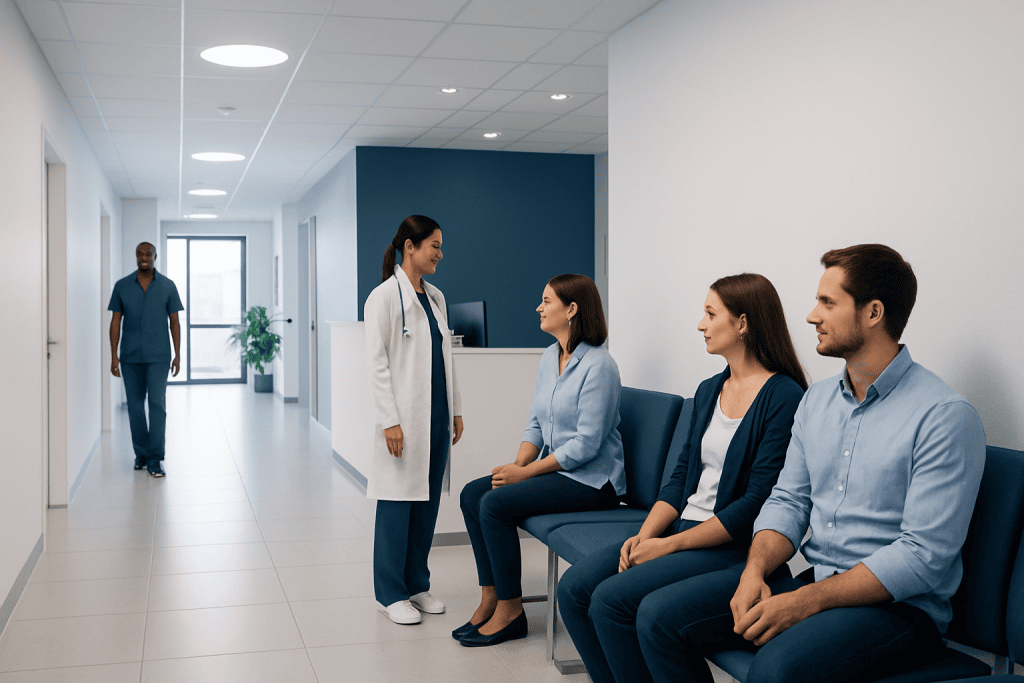
Endometriosis may reduce fertility by causing inflammation, scarring, ovarian cysts, or changes in egg and embryo development. IVF can help because it brings eggs and sperm together outside the body and transfers an embryo directly into the uterus.
Key Takeaways
- Endometriosis may reduce fertility by causing inflammation, scarring, ovarian cysts, or changes in egg and embryo development.
- IVF can help because it brings eggs and sperm together outside the body and transfers an embryo directly into the uterus.
- Treatment should be individualized according to age, ovarian reserve, disease severity, pain symptoms, previous surgery, and partner sperm results.
- Surgery is not always needed before IVF, but it may be considered for large endometriomas, severe pain, or when access to the ovaries is affected.
- A fertility specialist can explain realistic expectations, possible risks, and options such as ICSI, embryo freezing, or pre-treatment.
Endometriosis can affect fertility in several ways, but many people with endometriosis are able to conceive with appropriate evaluation and treatment. IVF is often recommended when endometriosis is moderate to severe, when the fallopian tubes are affected, or when other fertility treatments have not been successful.
Overview
Endometriosis is a chronic condition in which tissue similar to the lining of the uterus grows outside the uterus, most often on the ovaries, fallopian tubes, pelvic lining, bowel, or bladder. This tissue can respond to monthly hormonal changes, leading to inflammation, adhesions, ovarian cysts called endometriomas, and pelvic pain. Some people have noticeable symptoms, while others first learn they have endometriosis during an infertility evaluation.
IVF for endometriosis-related infertility is a commonly used fertility treatment when natural conception is difficult. In vitro fertilization, or IVF, involves stimulating the ovaries to produce eggs, retrieving those eggs, fertilizing them with sperm in a laboratory, and transferring an embryo into the uterus. Because IVF does not require open fallopian tubes and reduces the need for sperm and egg to meet inside the pelvis, it can help bypass some of the barriers caused by endometriosis.
Endometriosis does not mean pregnancy is impossible. The best approach depends on several factors, including age, how long the person has been trying to conceive, ovarian reserve, the stage and location of endometriosis, previous treatments, and sperm quality. A personalized assessment helps determine whether IVF, surgery, medication, or another fertility strategy is most appropriate.
How Endometriosis Can Affect Fertility
Endometriosis may influence fertility through more than one pathway. In mild disease, inflammation in the pelvic environment may affect how eggs, sperm, and embryos function. In more advanced disease, adhesions can distort the normal relationship between the ovaries and fallopian tubes, making it harder for an egg to be released and picked up by the tube. Endometriomas can also affect ovarian tissue and may be linked with lower ovarian reserve in some patients.
The condition may also be associated with changes in ovulation, egg quality, fertilization, embryo development, or implantation. These effects vary widely from person to person. Some people with minimal endometriosis conceive naturally, while others with more extensive disease may need assisted reproductive technology. This variation is why fertility specialists consider the whole clinical picture rather than the diagnosis alone.
Common clues that endometriosis may be contributing to infertility include painful periods, pain during intercourse, chronic pelvic pain, pain with bowel movements during menstruation, or a history of ovarian cysts. However, symptoms do not always match disease severity. A person with significant endometriosis may have few symptoms, and a person with severe pain may have limited fertility impact.
Diagnosis and Fertility Evaluation
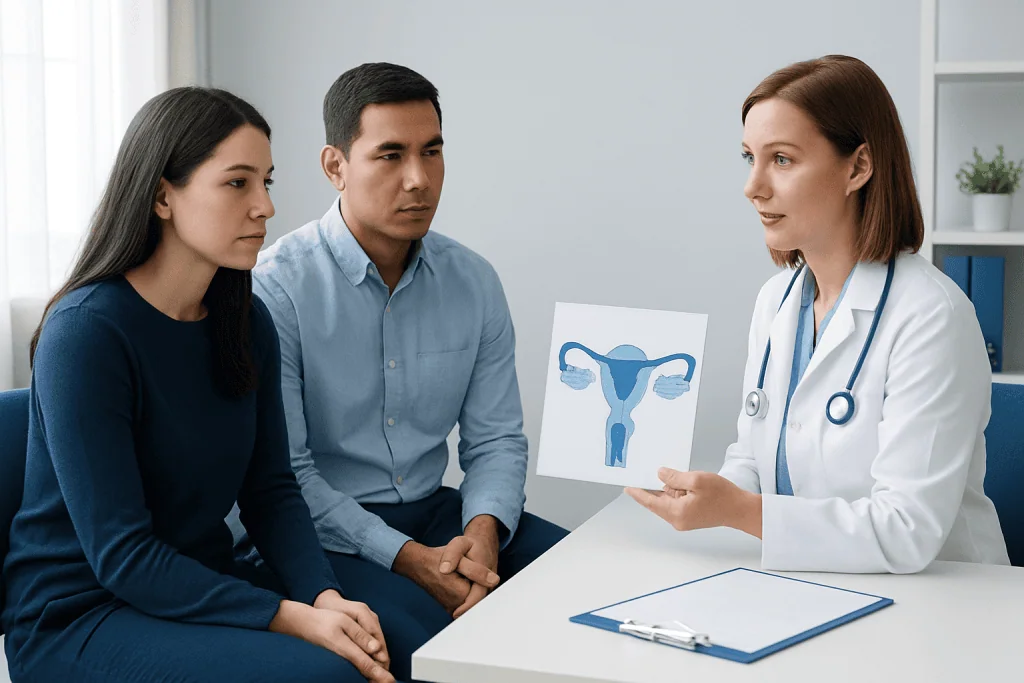
A fertility evaluation for suspected endometriosis usually begins with a detailed medical history, menstrual history, pelvic examination, and review of how long pregnancy has been attempted. Doctors may ask about previous pelvic surgery, painful periods, family history, and any treatments already tried. The partner’s fertility assessment is also important, because sperm factors can influence treatment planning.
Ultrasound is commonly used to look at the ovaries, uterus, and possible endometriomas. Blood tests may assess ovarian reserve, often including anti-Müllerian hormone and early-cycle hormone levels. A hysterosalpingogram or similar test may be used to evaluate whether the fallopian tubes are open. In some cases, MRI may help map deep endometriosis, especially if bowel, bladder, or extensive pelvic involvement is suspected.
Laparoscopy, a minimally invasive surgical procedure, can confirm endometriosis and sometimes treat it at the same time. However, not everyone needs surgery before fertility treatment. For many patients, especially those with known endometriomas or a strong clinical suspicion of endometriosis, doctors can plan care based on imaging, symptoms, age, ovarian reserve, and fertility goals. A dedicated female infertility evaluation helps match the diagnosis with the most suitable treatment pathway.
When IVF Is Recommended
IVF may be recommended when endometriosis is moderate or severe, when the fallopian tubes are blocked or damaged, when ovarian reserve is reduced, or when pregnancy has not occurred after a reasonable period of trying. It may also be suggested when other treatments, such as ovulation induction or intrauterine insemination, are less likely to be successful. Age is a key factor because fertility naturally declines over time, and delaying effective treatment may reduce options for some patients.
For people with mild endometriosis and otherwise reassuring fertility tests, a doctor may discuss expectant management, ovulation tracking, or less intensive treatments before IVF. For others, moving directly to IVF may be more appropriate, particularly if there are multiple fertility factors. The decision should be made after discussing benefits, limitations, emotional readiness, cost considerations, and the expected timeline.
IVF is also considered when previous endometriosis surgery has not resulted in pregnancy, or when repeat surgery might risk reducing ovarian reserve. In these situations, an IVF plan may offer a way to proceed without additional ovarian surgery. The overall goal is to choose the option that gives a reasonable chance of pregnancy while protecting long-term reproductive health as much as possible.
What Happens During IVF for Endometriosis
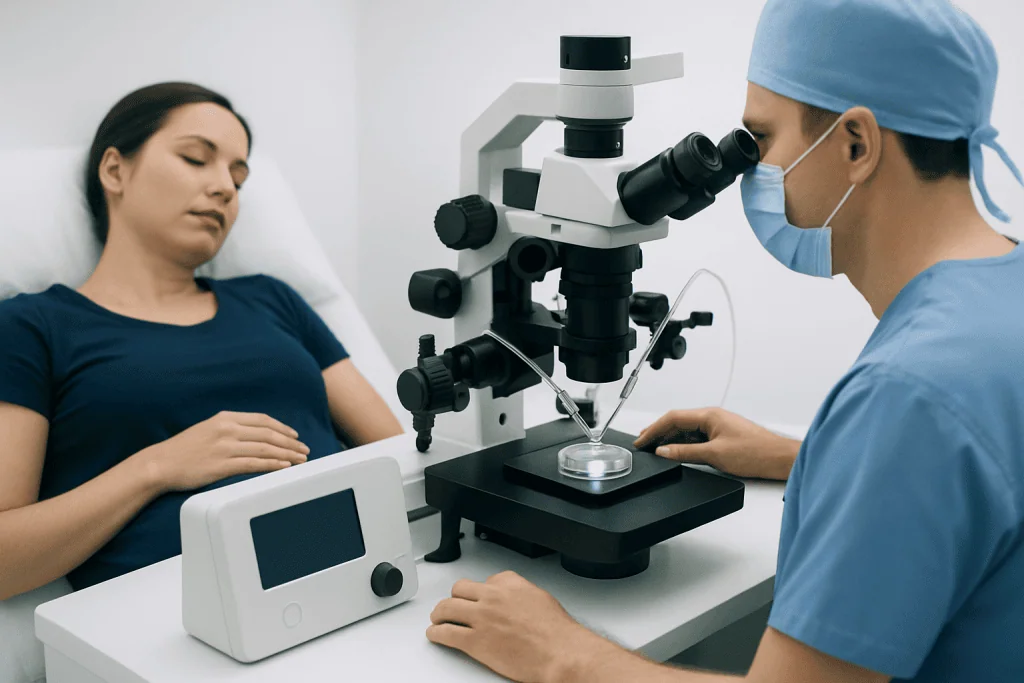
The IVF process usually begins with ovarian stimulation. Injectable medications encourage several eggs to mature in one cycle, while ultrasound scans and blood tests monitor the response. When the follicles are ready, an egg retrieval is performed under sedation or anesthesia. The eggs are then fertilized with sperm in the laboratory, and resulting embryos are monitored for development before transfer or freezing.
In standard IVF, eggs and sperm are placed together so fertilization can occur. In some cases, especially when sperm quality is reduced or there has been previous fertilization difficulty, intracytoplasmic sperm injection may be recommended. With ICSI, a single sperm is injected into an egg in the laboratory. This technique can be helpful when male-factor infertility is present alongside endometriosis or when the care team wants to optimize the chance of fertilization.
Embryo transfer may take place in the same cycle or in a later frozen embryo transfer cycle. Some clinics recommend a freeze-all approach in selected patients, such as those at higher risk of ovarian hyperstimulation or those needing time for the uterine environment to be optimized. The plan varies according to hormone levels, embryo development, symptoms, and the doctor’s assessment.
Patients considering IVF treatment for endometriosis should receive clear instructions about medications, monitoring visits, activity, and follow-up. It is normal to feel both hopeful and uncertain during treatment. Good communication with the fertility team can make the process easier to understand and manage.
Surgery, Medication, and Pre-Treatment Considerations
Surgery before IVF is a nuanced decision. Removing endometriosis lesions or endometriomas may help relieve pain and improve pelvic anatomy in selected patients. However, surgery on the ovaries can sometimes reduce ovarian reserve, especially if endometriomas are large, bilateral, or have been operated on before. For this reason, fertility specialists carefully weigh possible benefits against potential risks.
Surgery may be considered before IVF if an endometrioma is large, suspicious in appearance, causing significant pain, blocking safe access to follicles during egg retrieval, or associated with other symptoms that require treatment. It may also be appropriate when deep endometriosis affects bowel or urinary function. In other cases, especially when ovarian reserve is already low, proceeding directly to IVF may be preferred.
Hormonal medications can reduce endometriosis activity and pain, but they usually prevent ovulation while being used, so they are not fertility treatments by themselves. In selected IVF plans, doctors may use a period of hormonal suppression before embryo transfer, particularly in patients with severe symptoms or recurrent implantation concerns. The benefit of pre-treatment varies, and it should be discussed individually rather than assumed to be necessary.
Because endometriosis-related infertility can overlap with other reproductive issues, a broad infertility assessment is important. This may include ovarian reserve testing, semen analysis, uterine cavity evaluation, and review of previous pregnancies or miscarriages. Treating only one factor may miss other correctable contributors.
Success Factors, Safety, and Self-Care
IVF outcomes in endometriosis depend on many factors. Age and ovarian reserve are among the strongest predictors, but embryo quality, sperm quality, uterine health, previous surgery, and the severity of endometriosis also matter. Some people with endometriosis respond well to ovarian stimulation and produce good-quality embryos, while others may have fewer eggs or require more than one cycle. A fertility specialist can provide individualized expectations based on test results rather than general assumptions.
IVF is generally well established, but it can involve side effects such as bloating, temporary pelvic discomfort, mood changes, bruising at injection sites, or fatigue. Rare complications can occur, including ovarian hyperstimulation syndrome, bleeding, infection, or procedure-related discomfort. Endometriosis may make egg retrieval technically more complex in some cases, especially if ovarian cysts or adhesions are present, which is why careful imaging and experienced care are important.
Healthy daily habits cannot cure endometriosis, but they may support overall fertility and treatment readiness. Patients are commonly encouraged to avoid smoking, limit alcohol, maintain a balanced diet, follow safe exercise guidance, and manage chronic conditions such as thyroid disease, diabetes, or autoimmune conditions. A prenatal vitamin with folic acid is often recommended before pregnancy, but the right supplement plan should be confirmed with a doctor.
- Keep a record of menstrual pain, bleeding patterns, and previous treatments.
- Bring prior ultrasound, MRI, surgery, and pathology reports to fertility appointments.
- Ask about ovarian reserve, expected response to stimulation, and whether surgery is advisable.
- Discuss embryo transfer strategy, freezing options, and any need for partner testing.
- Seek emotional support if treatment becomes stressful or overwhelming.
When to See a Fertility Specialist
A person with known or suspected endometriosis should consider seeing a fertility specialist if pregnancy has not occurred after 12 months of regular unprotected intercourse, or after 6 months if the person is 35 or older. Earlier consultation is reasonable if there are known endometriomas, previous pelvic surgery, blocked fallopian tubes, severe pelvic pain, irregular ovulation, or a partner with abnormal semen results. Prompt evaluation does not always mean immediate IVF; it helps clarify options.
Medical attention is also important for worsening pelvic pain, pain that affects daily life, heavy bleeding, bowel or bladder symptoms during periods, or a rapidly enlarging ovarian cyst. These symptoms may require assessment by gynecology, reproductive medicine, or other specialists. Endometriosis care is often most effective when pain management and fertility planning are coordinated.
At Acibadem International, multidisciplinary specialists in JCI-accredited hospitals diagnose and treat endometriosis-related infertility for international patients, including evaluation, surgical planning when needed, and assisted reproduction. Patients should choose a fertility team that explains options clearly, respects their goals, and provides realistic, individualized guidance.
Frequently asked questions
Can IVF work for people with endometriosis?
Yes, IVF can help many people with endometriosis-related infertility, especially when pelvic scarring, endometriomas, or tubal problems make natural conception difficult. Success depends on age, ovarian reserve, embryo quality, sperm quality, and the severity of disease. A fertility specialist can estimate the likely response based on individual test results.
Is surgery always needed before IVF for endometriosis?
No, surgery is not always needed before IVF. It may be considered for large or painful endometriomas, suspicious cysts, severe deep endometriosis, or when cysts prevent safe egg retrieval. In some patients, especially those with reduced ovarian reserve, going directly to IVF may be the safer fertility strategy.
Does endometriosis affect egg quality?
Endometriosis may affect egg quality in some patients, particularly when inflammation or ovarian endometriomas are present. However, the effect varies widely, and many patients with endometriosis produce embryos suitable for transfer or freezing. Age and ovarian reserve remain very important in predicting IVF response.
Can endometriosis come back after IVF or pregnancy?
Endometriosis is a chronic condition and symptoms can return over time, although pregnancy and hormonal changes may temporarily improve symptoms for some people. IVF treats infertility but does not cure endometriosis. Ongoing follow-up may be helpful after pregnancy planning is complete or if pain symptoms continue.
Is a fresh or frozen embryo transfer better for endometriosis?
There is no single best choice for everyone. A frozen embryo transfer may be recommended if hormone levels, symptoms, ovarian response, or the uterine environment make it preferable to wait. The decision is individualized after reviewing embryo development, safety, and the patient’s clinical situation.
How long should someone with endometriosis try naturally before seeking help?
People under 35 are often advised to seek evaluation after 12 months of trying, while those 35 or older should consider evaluation after 6 months. With known endometriosis, previous pelvic surgery, endometriomas, severe pain, or suspected tubal disease, earlier consultation is reasonable. Early advice can help avoid delays and preserve options.
References
- European Society of Human Reproduction and Embryology
- American Society for Reproductive Medicine
- World Health Organization
- National Institute for Health and Care Excellence
- Royal College of Obstetricians and Gynaecologists
This article is for general information only and is not a substitute for professional medical advice. Please consult a qualified doctor about your individual situation.
Endometriosis in Turkey — costs, top hospitals & a free quote
JCI-accredited · board-certified surgeons · reply within 24h
Check your numbers in seconds
BMI, calories, due date, blood pressure and 30+ more clinical calculators — free, instant, doctor-reviewed ranges.

Related Treatments
Related Conditions
More from the Health Library
Related Specialists
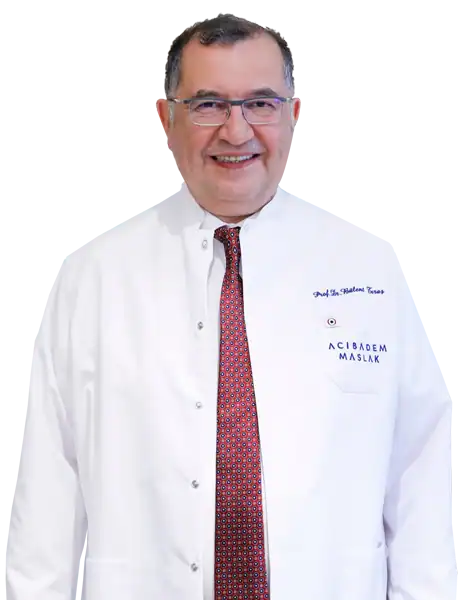
Prof. Dr. Bülent Tıraş
Gynecology & Obstetrics
Prof. Dr. Mete Güngör
Gynecology & Obstetrics
Prof. Dr. Faruk Suat Dede
Gynecology & Obstetrics
Prof. Dr. Tansu Küçük
Gynecology & Obstetrics