Headache Red Flags: When Severe Head Pain Needs Urgent Evaluation

A sudden, explosive headache that reaches maximum intensity within seconds or minutes should be treated as an emergency. Headache with weakness, confusion, fainting, seizure, vision loss, fever, stiff neck, or new speech problems needs urgent evaluation.
Key Takeaways
- A sudden, explosive headache that reaches maximum intensity within seconds or minutes should be treated as an emergency.
- Headache with weakness, confusion, fainting, seizure, vision loss, fever, stiff neck, or new speech problems needs urgent evaluation.
- A new or changing headache pattern, especially after age 50, during pregnancy, after trauma, or in people with cancer or immune suppression, should be discussed with a doctor promptly.
- Diagnosis may include a neurological examination, blood tests, brain imaging, vascular imaging, eye examination, or lumbar puncture depending on symptoms.
- Treatment depends on the cause; safe care begins with identifying whether the headache is primary, such as migraine, or secondary to another medical problem.
Most headaches are not caused by a dangerous condition, but certain warning signs can mean that severe head pain needs prompt medical assessment. Recognizing headache red flags helps patients seek care at the right time and supports faster diagnosis when urgent treatment is needed.
Overview
Headache is one of the most common reasons people seek medical care. In many cases, head pain is related to a primary headache disorder, such as migraine, tension-type headache, or cluster headache. These conditions can be very painful and disabling, but they are not usually caused by bleeding, infection, a tumor, or another emergency.
However, some headaches are secondary headaches, meaning they are a symptom of another medical condition. A secondary headache may be related to problems such as inflammation, infection, changes in blood vessels, pressure inside the skull, head injury, or disorders affecting the eyes or sinuses. The purpose of recognizing headache red flags is not to cause worry, but to help patients and families identify when medical evaluation should not be delayed.
Severity alone does not always show whether a headache is dangerous. A migraine can be severe, while a serious condition may begin with moderate pain. Doctors look closely at how the headache started, whether it is new or different, what symptoms occur with it, and whether the patient has risk factors that make certain causes more likely.
Key Headache Red Flags
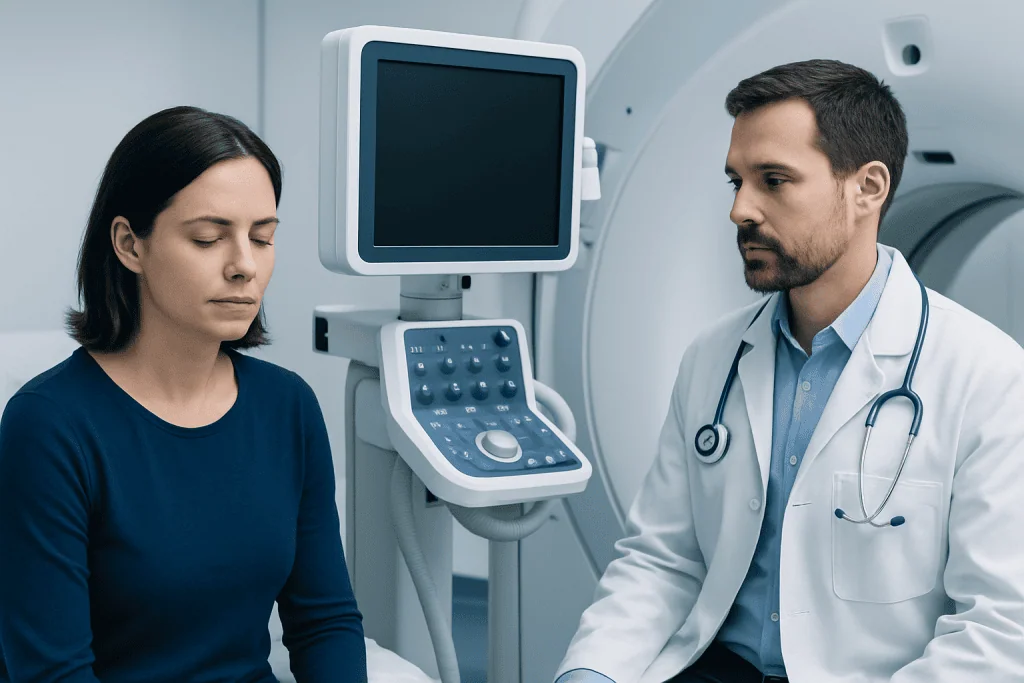
A red flag is a feature in the history or examination that raises concern for a potentially serious cause. Doctors often use structured checklists, such as SNOOP-style approaches, to assess headache warning signs. Patients do not need to memorize a checklist, but they should know which symptoms deserve urgent attention.
Important headache red flags include:
- A sudden, explosive, or thunderclap headache that reaches peak intensity quickly.
- Headache with weakness, numbness, facial droop, trouble speaking, confusion, fainting, seizure, or loss of coordination.
- Fever, stiff neck, rash, severe drowsiness, or sensitivity to light with a new headache.
- New vision loss, double vision, eye pain, or swelling around the eye.
- Headache after a fall, head injury, or accident, especially if symptoms worsen.
- A new headache during pregnancy, after delivery, or while using medications that affect clotting.
- New headache in a person with cancer, HIV, immune suppression, or recent serious infection.
- New or clearly changed headache after age 50.
- Headache triggered by coughing, exercise, sexual activity, or straining.
- Progressively worsening headaches over days or weeks, especially with vomiting or morning worsening.
When any of these features are present, it is safer to seek medical advice promptly. If the headache is sudden and severe or occurs with neurological symptoms, emergency evaluation is appropriate.
Symptoms and What They May Suggest

Different red flags can point doctors toward different possible causes. A thunderclap headache may require evaluation for bleeding around the brain, blood vessel spasm, dissection, or other vascular conditions. Headache with fever and neck stiffness may raise concern for meningitis or another infection. Headache with weakness, speech difficulty, vision loss, or confusion may be associated with stroke, inflammation, seizure-related conditions, or pressure effects inside the skull.
Headache with eye symptoms also needs careful assessment. Sudden vision loss, double vision, drooping eyelid, unequal pupils, or severe eye pain may reflect a neurological or eye-related emergency. In older adults, a new headache with scalp tenderness, jaw pain while chewing, or vision symptoms may suggest giant cell arteritis, an inflammatory condition that needs prompt treatment to protect vision.
It is also helpful to recognize when symptoms fit a known primary headache pattern. Migraine can cause throbbing pain, nausea, sensitivity to light or sound, and sometimes temporary visual or sensory aura. Even so, a person with a history of migraine should seek care if a headache is the worst ever, dramatically different, unusually prolonged, associated with new neurological symptoms, or not responding as expected. Patients with recurrent disabling headaches may benefit from specialist assessment through headache medicine services, including evaluation for migraine and other primary headache disorders.
Causes and Risk Factors for Serious Headache
Secondary headaches can arise from several body systems. Vascular causes include bleeding, clotting, stroke, inflammation of blood vessels, or tears in artery walls. Infectious causes include meningitis, encephalitis, sinus-related complications, or systemic infections. Pressure-related causes may include increased intracranial pressure, low cerebrospinal fluid pressure, or masses that affect normal fluid circulation.
Certain circumstances increase the need for careful evaluation. These include pregnancy and the postpartum period, recent head trauma, older age with a new headache, cancer history, immune suppression, blood clotting disorders, use of anticoagulant medications, uncontrolled high blood pressure, and recent procedures involving the spine or brain. A family history of aneurysm or certain vascular disorders may also influence the doctor’s assessment.
Risk factors do not mean a serious condition is present; they simply help guide decisions about testing and timing. For example, a new headache in a healthy young adult after poor sleep may be managed differently from a new headache in an older adult with jaw pain and visual symptoms. The safest approach is individualized evaluation based on the full story and examination findings.
Diagnosis: What to Expect During Evaluation
Evaluation begins with a detailed history. The doctor may ask when the headache began, how quickly it reached maximum intensity, where the pain is located, what it feels like, what makes it better or worse, and whether similar headaches have occurred before. Information about medications, pregnancy status, recent infections, trauma, travel, chronic diseases, and family history can be important.
A neurological examination checks alertness, speech, eye movements, vision, facial strength, sensation, coordination, reflexes, walking, and limb strength. Depending on the red flags, additional tests may be recommended. These may include blood tests, blood pressure assessment, eye examination, computed tomography, magnetic resonance imaging, CT or MR angiography, venography, or lumbar puncture to analyze cerebrospinal fluid.
Imaging is not necessary for every headache, but it is important when warning signs are present. Specialized neuroradiology helps doctors evaluate the brain, blood vessels, and surrounding structures in detail. In cases involving sudden vision symptoms or suspected pressure changes affecting the optic nerves, coordinated assessment with neurology, ophthalmology, and imaging specialists may be needed.
Treatment Options
Treatment depends on the diagnosis. If the headache is primary, such as migraine or tension-type headache, care may include lifestyle planning, trigger management, acute pain-relief medicines, preventive medications, and non-drug strategies. Patients should avoid frequent use of over-the-counter pain relievers unless advised by a doctor, because overuse can make headaches more frequent.
If a secondary cause is found, treatment focuses on the underlying condition. Infection may require antimicrobial therapy and monitoring. Giant cell arteritis is treated urgently with anti-inflammatory medication. Blood pressure emergencies, blood clots, bleeding, or vascular abnormalities require condition-specific care from emergency, neurology, neurosurgery, or intensive care teams when appropriate.
Some vascular causes of severe headache may be managed with advanced minimally invasive techniques or surgery, depending on the diagnosis and patient’s overall health. In selected conditions, interventional neuroradiology may be part of treatment planning. The specific approach should always be explained by the treating physician, including benefits, risks, alternatives, and follow-up needs.
Prevention and Self-care
Not all headaches can be prevented, but many recurrent headaches improve with steady routines. Adequate sleep, regular meals, hydration, physical activity as tolerated, limiting alcohol, and stress-management techniques may reduce headache frequency for some people. Keeping a headache diary can help identify patterns related to sleep, food, hormones, weather changes, screen time, stress, or medications.
Self-care should be used carefully when red flags are present. A person should not try to manage a thunderclap headache, headache with neurological symptoms, fever with stiff neck, or headache after significant trauma at home. In these situations, medical assessment is more important than waiting to see whether pain relievers work.
For people with known migraine or another headache disorder, a written treatment plan from a doctor can be useful. The plan may describe which medicines to use, how often they can be taken, when to avoid certain drugs, and when to seek urgent care. Regular follow-up is especially important if headaches become more frequent, require increasing medication, or interfere with work, school, sleep, or daily activities.
When to See a Doctor
Emergency care is recommended for a sudden severe headache, the worst headache of life, headache with weakness or speech problems, seizure, fainting, confusion, fever with stiff neck, new vision loss, or headache after a significant head injury. A person should also seek urgent care for a new headache during pregnancy or shortly after delivery, or if the headache occurs with very high blood pressure or severe vomiting.
A non-emergency appointment is appropriate for recurrent headaches, headaches that are becoming more frequent, new headaches after age 50, headaches that wake a person from sleep, or headaches that do not fit the person’s usual pattern. Patients should bring a medication list, information about medical conditions, and a description of headache timing, triggers, symptoms, and response to treatment.
For international patients, Acibadem International’s multidisciplinary specialists and JCI-accredited hospitals provide diagnostic evaluation and treatment for neurological conditions, including urgent and complex headache presentations. The goal of care is to identify the cause, relieve symptoms safely, and create a follow-up plan that fits the patient’s diagnosis and overall health.
Frequently asked questions
What is a thunderclap headache?
A thunderclap headache is a sudden, severe headache that reaches maximum intensity within seconds or minutes. It can have several causes, some of which need emergency evaluation. Anyone with a first-time thunderclap headache should seek urgent medical care.
Can migraine feel like a medical emergency?
Yes, migraine can be extremely painful and may cause nausea, light sensitivity, and temporary neurological symptoms called aura. However, a migraine diagnosis should not be assumed if the headache is new, unusually sudden, the worst ever, or different from previous attacks. New weakness, confusion, fainting, seizure, or vision loss should be assessed urgently.
Does every severe headache need a brain scan?
No, imaging is not needed for every headache. Doctors decide based on the history, examination, age, risk factors, and red flags. When warning signs are present, CT, MRI, or vascular imaging may help identify or rule out serious causes.
When should an older adult with a new headache see a doctor?
A new headache after age 50 should be discussed with a doctor, especially if it is persistent, worsening, or associated with vision changes, scalp tenderness, jaw pain, fever, or weight loss. These symptoms can suggest inflammatory, vascular, or other secondary causes. Prompt evaluation helps guide safe treatment.
What should someone do while waiting for urgent headache care?
If emergency symptoms are present, the person should seek emergency services rather than drive themselves, especially if there is weakness, confusion, vision loss, or fainting. They should avoid taking extra doses of medication beyond label instructions or a doctor’s plan. Bringing a medication list and noting the exact time symptoms began can help clinicians.
Can stress or lack of sleep cause severe headaches?
Stress, poor sleep, dehydration, skipped meals, and muscle tension can contribute to headaches and may trigger migraine in susceptible people. Still, lifestyle triggers do not rule out a more serious cause when red flags are present. A sudden, new, or neurologically complicated headache should be medically evaluated.
References
- International Headache Society
- American College of Emergency Physicians
- National Institute for Health and Care Excellence
- National Institute of Neurological Disorders and Stroke
- American Migraine Foundation
This article is for general information only and is not a substitute for professional medical advice. Please consult a qualified doctor about your individual situation.
Oncology care in Turkey — second opinion and treatment plan
JCI-accredited · board-certified surgeons · reply within 24h