Vagus Nerve Stimulation: Neuromodulation for Epilepsy and Neurological Symptoms

Vagus Nerve Stimulation is most commonly used as an add-on treatment for drug-resistant epilepsy, not as a replacement for prescribed anti-seizure medicines. The therapy involves a small implanted pulse generator connected to the vagus nerve in the neck, with settings adjusted gradually over time.
Key Takeaways
- Vagus Nerve Stimulation is most commonly used as an add-on treatment for drug-resistant epilepsy, not as a replacement for prescribed anti-seizure medicines.
- The therapy involves a small implanted pulse generator connected to the vagus nerve in the neck, with settings adjusted gradually over time.
- VNS may reduce seizure frequency or severity for some patients, but results vary and improvement often develops over months.
- Common side effects include hoarseness, throat tingling, cough or voice changes during stimulation, and these are often manageable with programming changes.
- Careful evaluation by a neurologist and epilepsy team is important to decide whether VNS is appropriate and to plan long-term follow-up.
Vagus Nerve Stimulation, often called VNS therapy, is a form of neuromodulation used mainly for people with epilepsy whose seizures are not well controlled with medication. It works by sending regular, mild electrical signals through the vagus nerve to influence brain networks involved in seizures and other neurological symptoms.
Overview
Vagus Nerve Stimulation is a medical treatment that uses gentle electrical pulses to influence communication between the body and the brain. The vagus nerve is one of the main nerves connecting the brainstem with the throat, heart, lungs and digestive organs. In VNS therapy, a small device sends programmed signals to the left vagus nerve in the neck, which then affects brain circuits involved in seizure activity and nervous system regulation.
In neurology, VNS is best established as an add-on treatment for drug-resistant epilepsy. This means epilepsy that continues to cause seizures despite appropriate trials of anti-seizure medicines. VNS is not a cure for epilepsy, and it does not usually replace medication. Instead, it may help reduce seizure frequency, shorten seizures, make recovery easier for some patients, or improve overall seizure control when used as part of a broader care plan.
VNS belongs to a group of treatments called neuromodulation therapies. These treatments aim to change nerve activity in a controlled way, without removing brain tissue. Some forms are implanted, while others are non-invasive devices placed on the skin. The implanted form is the traditional and most studied type used for epilepsy.
Who May Benefit from VNS Therapy
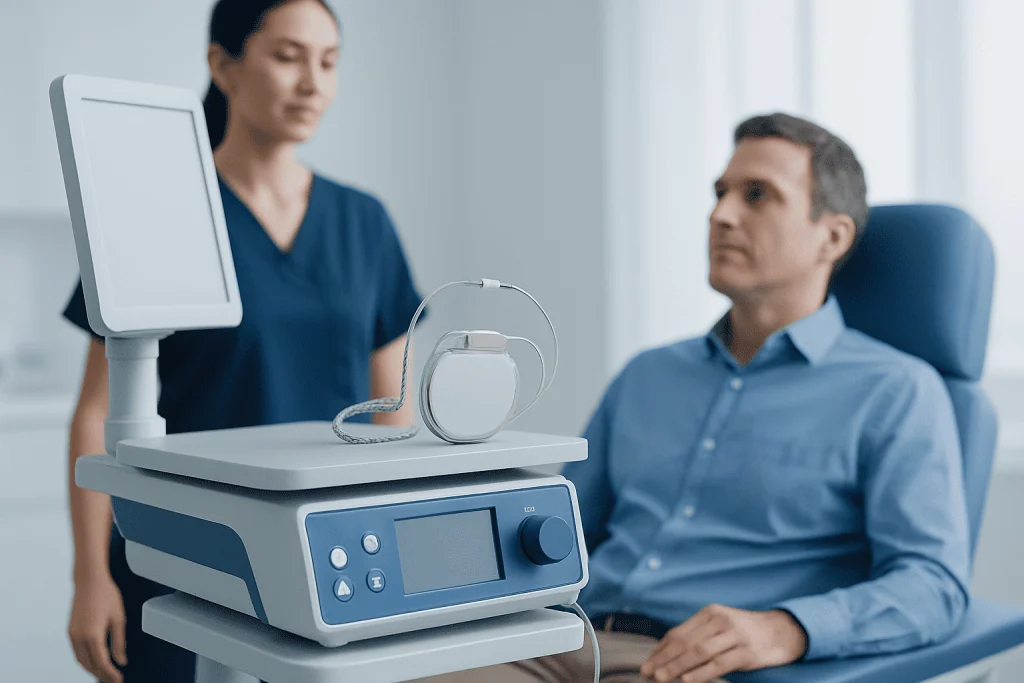
VNS may be considered for adults, adolescents and some children with epilepsy when seizures remain difficult to control despite carefully selected medicines. It is often discussed when a person is not a good candidate for epilepsy surgery, when seizures arise from more than one brain area, or when surgery is unlikely to be safe or effective. It may also be considered after other treatment options have not provided enough benefit.
Patients with different seizure types may be evaluated for VNS, including focal seizures and certain generalized epilepsies. The decision depends on the person’s seizure pattern, EEG findings, brain imaging, medical history, age, lifestyle and treatment goals. In children, assessment by specialists experienced in developmental and seizure disorders is especially important, and care may involve pediatric neurology care.
In some regions, VNS has also been used for selected patients with treatment-resistant depression, under specialist psychiatric and neurological supervision. Research continues into other neurological symptoms and disorders, but these uses are not the same as its established role in epilepsy. Patients should ask their doctor whether VNS is approved, appropriate and evidence-supported for their specific condition.
How Vagus Nerve Stimulation Works
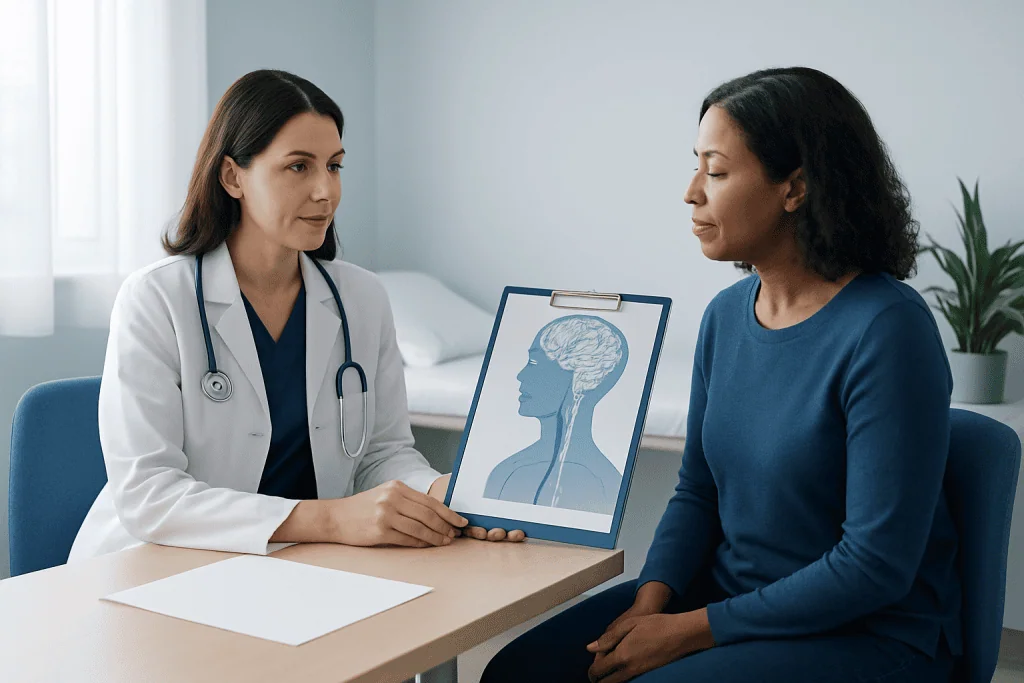
VNS therapy uses an implanted pulse generator, similar in concept to a pacemaker, placed under the skin of the upper chest. A thin wire connects the generator to the left vagus nerve in the neck. The device is programmed to deliver brief pulses at regular intervals, such as periods of stimulation followed by rest periods. The exact settings are individualized and adjusted during follow-up appointments.
The left vagus nerve is usually selected because it has fewer direct connections to heart rhythm control than the right vagus nerve. The electrical signals travel through the nerve toward the brainstem and then influence wider brain networks. Although the full mechanism is complex, VNS appears to affect neurotransmitters, seizure thresholds and patterns of brain excitability.
Many VNS systems also include a handheld magnet. When a patient or caregiver senses a seizure warning, or when a seizure begins, passing the magnet over the device may deliver an extra stimulation burst. This does not stop every seizure, but some people find it helpful. Newer systems may have additional features, such as detecting certain heart rate changes that can occur with seizures, depending on the model and clinical suitability.
Evaluation Before VNS
Before VNS is recommended, the neurology team usually confirms the epilepsy diagnosis and reviews whether seizures are truly drug-resistant. This includes checking that previous medicines were appropriate for the seizure type, used at suitable doses, and taken consistently when possible. The doctor will also review side effects, other medical conditions and any factors that may mimic seizures, such as fainting or sleep-related events.
Evaluation often includes electroencephalography, known as EEG, and brain imaging such as MRI when appropriate. Video EEG monitoring may be used to record seizures and understand where they start. Specialist neurophysiology testing can help distinguish seizure types and guide treatment planning. Some patients may also need cognitive, mood or developmental assessment, particularly if epilepsy affects learning, behavior, work or daily independence.
The care team will explain realistic goals. For many people, the aim is fewer seizures or less severe seizures rather than complete seizure freedom. Patients should discuss pregnancy plans, heart or lung conditions, sleep apnea, swallowing problems, previous neck surgery and the need for future MRI scans, because these factors can influence device selection, programming and safety precautions.
Treatment Options and What to Expect
Implanted VNS is placed during a surgical procedure, typically under general anesthesia. The surgeon makes small incisions in the upper chest and neck, positions the pulse generator, and attaches the lead to the vagus nerve. Most patients are monitored after surgery and receive instructions on wound care, activity limitations and when to return for device activation.
The device is not always turned on at full strength immediately. Stimulation is usually started and increased gradually over several visits, allowing the body to adapt and helping the doctor find a balance between benefit and side effects. Anti-seizure medicines are usually continued, at least initially. Any medication changes should be made only by the treating neurologist.
Improvement with VNS is often gradual. Some patients notice changes in the first months, while others may need longer follow-up and several programming adjustments. The neurologist may track seizure frequency, seizure duration, rescue medication use, injuries, emergency visits, mood, sleep and quality of life. A seizure diary can be very useful because it gives the care team objective information for programming decisions.
Non-invasive vagus nerve stimulation devices are available for certain indications in some countries, such as specific headache disorders, but they are different from implanted VNS for epilepsy. People should not assume that one device can treat all neurological symptoms. A specialist can explain which options are suitable for the diagnosis and local medical regulations.
Benefits, Limitations and Possible Side Effects
The potential benefit of VNS is better seizure control when medicines alone are not enough. Some patients experience fewer seizures, shorter seizures, reduced intensity, faster recovery or improved alertness over time. Families may also report greater confidence in daily activities when seizures become more predictable or less disruptive. However, responses vary, and VNS cannot guarantee seizure freedom.
Common side effects are usually related to stimulation and may occur during the “on” cycle. These can include hoarseness, voice changes, throat tickling, cough, shortness of breath during exertion, swallowing discomfort or neck sensations. Many side effects improve after the settings are adjusted or as the patient adapts. The doctor can modify pulse strength, frequency and timing to improve comfort.
As with any implanted device, there are surgical and device-related risks, such as infection, bleeding, pain at the implant site, lead problems or the need for battery replacement in the future. Serious complications are uncommon but require prompt medical attention. Patients should tell all healthcare providers that they have a VNS device, especially before MRI, surgery, radiotherapy, diathermy or procedures involving electrical equipment.
- Patients should carry device identification information when available.
- Follow-up visits are important for programming and battery checks.
- Seizure medicines should not be stopped suddenly unless a doctor gives specific instructions.
- Any new or worsening breathing, swallowing, voice or heart rhythm symptoms should be reported.
Living with VNS and When to See a Doctor
Daily life with VNS usually becomes routine after healing and programming. Patients can often continue school, work, travel and many physical activities, depending on seizure safety and the neurologist’s advice. Practical self-care includes keeping a seizure diary, attending scheduled device checks, using the magnet as instructed, and making sure caregivers know what to do during a seizure.
Patients should contact their doctor if seizures become more frequent, change in pattern, last longer than usual, or are associated with injury. Medical advice is also needed for fever, redness, swelling or drainage near the incision; persistent pain over the device; new swallowing problems; troublesome voice or breathing symptoms; or suspected device malfunction. Emergency care is needed for prolonged seizures according to the patient’s seizure action plan.
People with VNS should discuss MRI safety before any scan is scheduled. Some MRI studies can be performed under strict conditions, while others may not be suitable depending on the device model and body area being scanned. The radiology and neurology teams need device details to plan safely.
For international patients seeking assessment, Acibadem International’s multidisciplinary specialists and JCI-accredited hospitals can evaluate epilepsy and neurological symptoms, including whether VNS or other treatment pathways may be appropriate. Decisions are individualized and should be made with a qualified neurologist after a full review of the patient’s history and test results.
Frequently asked questions
Is Vagus Nerve Stimulation a cure for epilepsy?
Vagus Nerve Stimulation is not considered a cure for epilepsy. It is usually used as an add-on treatment to help reduce seizure frequency or severity when medicines are not enough. Many patients still need anti-seizure medication and regular neurology follow-up.
How long does it take for VNS to work?
Some people notice improvement within a few months, while others need longer and several programming adjustments. Benefits may build gradually over time. A seizure diary helps the neurologist judge whether the therapy is helping.
Can children have VNS therapy?
VNS can be considered for some children with drug-resistant epilepsy, depending on age, seizure type, development and overall health. A pediatric neurology team should evaluate the child carefully. Parents and caregivers also need training on device use and seizure safety.
Will VNS replace epilepsy medicines?
VNS usually does not replace epilepsy medicines, especially at the beginning of treatment. The neurologist may consider medication adjustments only after reviewing seizure control and side effects over time. Patients should never stop anti-seizure medicine suddenly without medical guidance.
What does VNS stimulation feel like?
During stimulation, some patients feel throat tingling, mild tightness, cough or a change in voice. These sensations often happen only during the active stimulation cycle. If they are uncomfortable, the doctor can often adjust the device settings.
Can a person with VNS have an MRI scan?
MRI may be possible for some patients with VNS, but only under specific safety conditions based on the device model and scan area. The imaging team must know that the patient has a VNS device before scheduling the scan. The neurologist or device specialist may need to check or adjust the device before and after imaging.
References
- International League Against Epilepsy
- American Academy of Neurology
- National Institute for Health and Care Excellence
- U.S. Food and Drug Administration
- Epilepsy Foundation
This article is for general information only and is not a substitute for professional medical advice. Please consult a qualified doctor about your individual situation.
Neuromodulation in Turkey — costs, top hospitals & a free quote
JCI-accredited · board-certified surgeons · reply within 24h
Check your numbers in seconds
BMI, calories, due date, blood pressure and 30+ more clinical calculators — free, instant, doctor-reviewed ranges.

Related Treatments
Related Conditions
More from the Health Library



Related Specialists
Prof. Dr. Ayşe Sağduyu Kocaman
Neurology
Prof. Dr. Mehmet Zafer Berkman
Neurosurgery
Prof. Dr. Pınar Yalınay Dikmen
Neurology
Prof. Dr. Elif Ilgaz Aydınlar
Neurology