

Bariatric Surgery for Fatty Liver Disease: Benefits, Limits, and Follow-Up

Fatty liver disease linked to obesity is now commonly called MASLD, and its more inflammatory form is called MASH. Bariatric surgery can reduce liver fat, improve insulin resistance, and may improve liver inflammation and scarring in appropriately selected patients.
Key Takeaways
- Fatty liver disease linked to obesity is now commonly called MASLD, and its more inflammatory form is called MASH.
- Bariatric surgery can reduce liver fat, improve insulin resistance, and may improve liver inflammation and scarring in appropriately selected patients.
- Surgery is not suitable for everyone, especially without specialist evaluation in advanced liver disease or cirrhosis.
- Long-term success requires nutrition monitoring, vitamin and mineral supplementation when advised, physical activity, and regular liver follow-up.
- Patients should discuss benefits, risks, and alternatives with a bariatric surgeon, hepatologist or gastroenterologist, and dietitian.
Bariatric surgery may help selected people with obesity-related fatty liver disease by supporting substantial, sustained weight loss and improving metabolic health. It is not a stand-alone liver cure, and safe results depend on careful assessment, the right procedure, nutrition support, and long-term follow-up.
Overview
Fatty liver disease related to excess body weight and metabolic health is one of the most common liver conditions worldwide. Many clinicians now use the term metabolic dysfunction-associated steatotic liver disease, or MASLD, for what was previously called non-alcoholic fatty liver disease. When liver fat is accompanied by inflammation and liver cell injury, the condition is called metabolic dysfunction-associated steatohepatitis, or MASH, formerly known as NASH.
MASLD is closely linked with obesity, insulin resistance, type 2 diabetes, high triglycerides, high blood pressure, and sleep apnea. In many people, the condition is silent for years. However, in some patients it can progress from simple fat accumulation to inflammation, fibrosis, cirrhosis, and, less commonly, liver cancer. Because body weight and metabolic health play a major role, sustained weight loss is a key part of management.
Bariatric surgery for fatty liver disease is not performed directly on the liver. Instead, it changes the digestive system in a way that helps selected patients lose weight and improve metabolic function. Procedures such as gastric sleeve surgery and gastric bypass can lead to meaningful weight loss, which may reduce liver fat and improve blood sugar, cholesterol, and inflammation. The best approach depends on the patient’s body mass index, liver stage, other medical conditions, and readiness for lifelong follow-up.
How Fatty Liver Disease Develops
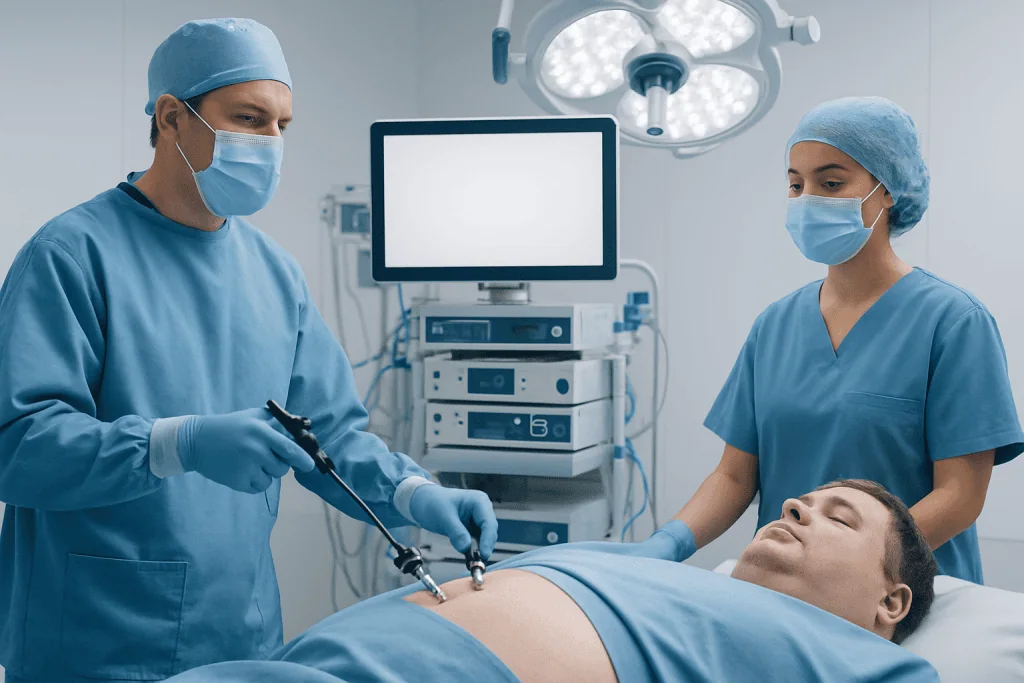
The liver normally processes fats, sugars, proteins, medications, and toxins. When the body has more energy than it needs, especially in the setting of insulin resistance, fat can build up inside liver cells. This can happen even in people who do not drink alcohol or who drink only small amounts. Over time, excess liver fat may make the liver more vulnerable to inflammation and scarring.
Not everyone with MASLD develops serious liver disease. Many people have simple steatosis, meaning fat is present but there is little or no inflammation or scarring. Others develop MASH, in which inflammation and liver cell damage are present. Fibrosis means scar tissue has started to form; advanced fibrosis and cirrhosis mean the liver architecture has been significantly affected. Knowing where a patient is on this spectrum is essential before deciding on treatment.
Weight loss can improve fatty liver disease because it reduces fat flow to the liver, improves insulin sensitivity, and lowers metabolic stress. Lifestyle measures remain the foundation of care. For some patients with obesity, however, diet, activity, and medication alone may not produce enough sustained weight loss. In those cases, bariatric options may be considered as part of a broader plan for obesity treatment and metabolic risk reduction.
Potential Benefits of Bariatric Surgery
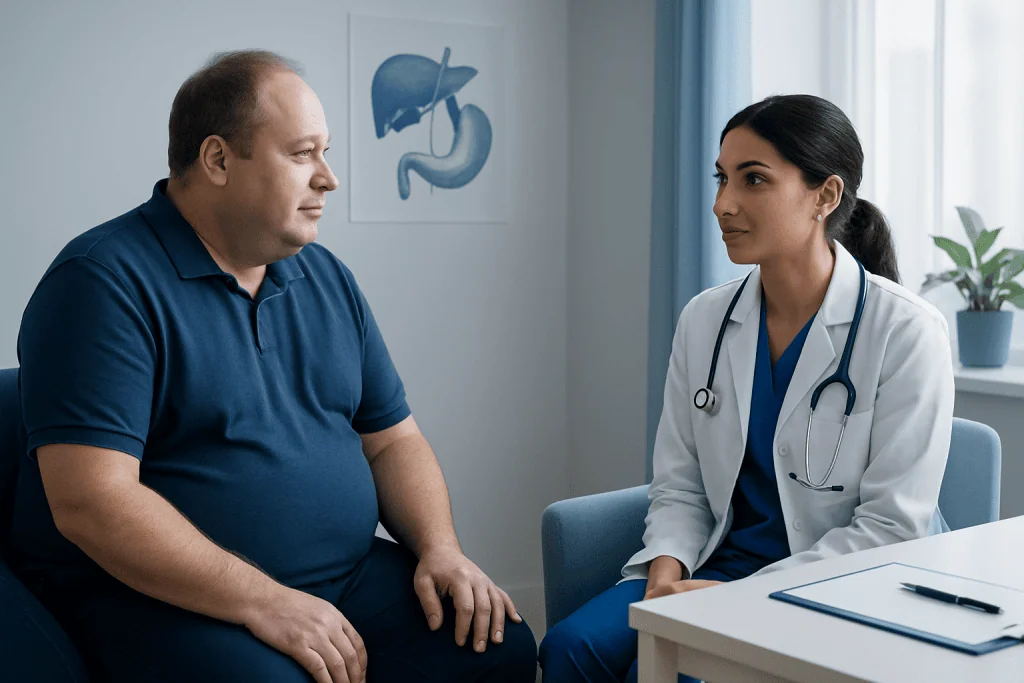
The main liver-related benefit of bariatric surgery comes from sustained weight loss. As weight decreases, liver fat often decreases as well. Many patients also experience improved insulin resistance, lower blood sugar, improved triglycerides, and better blood pressure control. These metabolic improvements are important because MASLD is not only a liver condition; it is part of a broader cardiometabolic pattern.
Studies and clinical guidelines suggest that, in carefully selected patients, bariatric surgery may improve steatosis, liver inflammation, and sometimes fibrosis. It may also reduce the need for certain diabetes or blood pressure medications, though this must always be managed by the treating physician. Improvements are not immediate for everyone, and they depend on the amount of weight lost, the procedure used, adherence to follow-up, and the stage of liver disease before surgery.
Commonly used bariatric procedures include sleeve gastrectomy and gastric bypass. Sleeve gastrectomy reduces the size of the stomach, helping patients feel full with smaller meals. Gastric bypass changes both stomach size and the path food takes through part of the small intestine, which can have strong effects on weight and metabolism. A specialist team can explain how gastric bypass differs from sleeve surgery, but the final choice should be individualized.
Important Limits and Risks
Bariatric surgery is not a guaranteed cure for fatty liver disease. Some patients improve greatly, while others have ongoing liver inflammation or fibrosis despite weight loss. If weight is regained, liver fat and metabolic risk can return. Surgery also does not replace healthy eating, physical activity, diabetes management, avoidance of excess alcohol, and regular medical monitoring.
Patients with advanced fibrosis or cirrhosis require particular care. In compensated cirrhosis, where the liver is scarred but still functioning reasonably well, surgery may be considered only in specialized centers after detailed assessment. In decompensated cirrhosis, where complications such as fluid in the abdomen, bleeding varices, jaundice, or confusion have occurred, bariatric surgery is generally much higher risk and may not be appropriate outside highly specialized liver programs.
All bariatric procedures carry potential risks, including bleeding, infection, leaks, blood clots, reflux symptoms, gallstones, dehydration, nutritional deficiencies, and the need for further procedures. Rapid weight loss can also temporarily change liver tests or increase the likelihood of gallbladder problems. These risks are one reason that surgery should be planned by an experienced multidisciplinary team, with a clear follow-up schedule and patient education before the operation.
Assessment Before Surgery
Before recommending bariatric surgery for fatty liver disease, doctors assess both obesity-related health risks and liver status. This usually includes a medical history, physical examination, blood tests, review of medications, and evaluation for diabetes, high cholesterol, high blood pressure, sleep apnea, and heart disease. Alcohol intake, viral hepatitis risk, autoimmune liver disease, medication-related liver injury, and other causes of abnormal liver tests may also be reviewed.
Liver assessment may include liver enzymes, platelet count, fibrosis scores based on blood tests, ultrasound, transient elastography, magnetic resonance-based tests, or, in selected cases, liver biopsy. The goal is to estimate how much fat, inflammation, and scarring are present. Knowing whether a patient has simple steatosis, MASH, advanced fibrosis, or cirrhosis changes the risk-benefit discussion.
A bariatric evaluation also includes nutrition and psychological readiness. Patients need to understand portion changes, protein intake, hydration, vitamin and mineral supplementation, and the importance of follow-up visits. A dietitian helps prepare the patient for the eating pattern required after surgery. Mental health support may be recommended when there is emotional eating, depression, anxiety, substance use, or difficulty adapting to lifestyle change.
Treatment Options and Follow-Up
Treatment for MASLD begins with sustainable lifestyle care. A balanced eating pattern, regular physical activity, improved sleep, and management of diabetes and cholesterol can reduce liver fat and improve overall health. In some patients, anti-obesity medications or endoscopic options may be considered. For others with a qualifying body mass index and obesity-related conditions, bariatric surgery may offer the most durable weight-loss approach.
After surgery, follow-up is as important as the operation itself. Early visits focus on hydration, wound healing, food progression, nausea or reflux symptoms, and safe activity. Later visits monitor weight loss, eating tolerance, protein intake, vitamin and mineral levels, blood sugar, cholesterol, and liver tests. Patients may need lifelong supplements, particularly after procedures that reduce absorption. Supplements should be taken as prescribed rather than chosen independently.
Liver follow-up may include repeat blood tests and non-invasive fibrosis assessment. Improvement in liver enzymes can be encouraging, but normal blood tests do not always prove that fibrosis has resolved. Patients with advanced fibrosis or cirrhosis need ongoing liver specialist care even if they lose weight and feel well. They may require screening for varices, liver cancer surveillance, vaccination review, and careful medication choices.
Acibadem International’s multidisciplinary specialists and JCI-accredited hospitals diagnose and treat obesity-related fatty liver disease for international patients, including assessment for bariatric procedures when appropriate. The aim of care is to match the treatment plan to the patient’s liver stage, metabolic risks, and long-term health needs.
When to See a Doctor
People with obesity, type 2 diabetes, prediabetes, high triglycerides, high blood pressure, or a family history of fatty liver disease should ask a doctor whether liver screening is appropriate. Many patients have no symptoms, so blood tests or imaging may be the first clue. Early evaluation can identify risk before advanced scarring develops.
Medical advice is especially important if liver tests remain abnormal, an ultrasound shows fatty liver, or non-invasive fibrosis tests suggest scarring. Symptoms such as persistent right upper abdominal discomfort, unexplained fatigue, swelling of the abdomen or legs, yellowing of the skin or eyes, black stools, vomiting blood, or confusion need prompt medical assessment. These signs do not always mean severe liver disease, but they should not be ignored.
A patient considering bariatric surgery should speak with a qualified bariatric surgeon and a liver specialist if there is known liver disease, a history of heavy alcohol use, previous hepatitis, abnormal platelet count, or possible cirrhosis. The safest decision is made after a complete review of benefits, risks, alternatives, and the follow-up commitment required after surgery.
Frequently asked questions
Can bariatric surgery reverse fatty liver disease?
Bariatric surgery can significantly reduce liver fat and may improve inflammation and scarring in selected patients. However, reversal is not guaranteed, especially if advanced fibrosis or cirrhosis is already present. Long-term lifestyle changes and follow-up remain essential.
Who is a candidate for bariatric surgery if they have fatty liver disease?
Candidates are usually people with obesity who meet standard bariatric criteria and have obesity-related health risks such as diabetes, sleep apnea, or high blood pressure. Liver stage must be assessed before surgery. Patients with advanced liver disease need specialist evaluation to decide whether surgery is safe.
Is gastric sleeve or gastric bypass better for fatty liver disease?
Both procedures may improve fatty liver disease through weight loss and metabolic improvement. The better option depends on body mass index, reflux symptoms, diabetes status, medication use, liver stage, and surgical risk. A bariatric team can explain the expected benefits and trade-offs for each patient.
Will liver tests return to normal after weight loss surgery?
Many patients see improvement in liver enzymes after successful weight loss, but blood tests do not always show the full picture of liver health. Some people may still have fibrosis even when liver enzymes are normal. Doctors may recommend imaging or elastography to monitor liver stiffness over time.
Can bariatric surgery be done if a patient has cirrhosis?
It depends on the severity of cirrhosis and overall health. Some patients with compensated cirrhosis may be considered for surgery in specialized centers after careful assessment. Decompensated cirrhosis carries much higher risk, and other liver-focused treatment pathways may be needed.
What follow-up is needed after bariatric surgery for fatty liver disease?
Follow-up usually includes visits with the surgical team, dietitian, and the doctor managing liver and metabolic health. Blood tests monitor nutrition, liver enzymes, glucose, cholesterol, and vitamin or mineral levels. Patients with advanced fibrosis or cirrhosis need ongoing liver specialist care even after successful weight loss.
References
- American Association for the Study of Liver Diseases
- European Association for the Study of the Liver
- American Society for Metabolic and Bariatric Surgery
- National Institute of Diabetes and Digestive and Kidney Diseases
- World Health Organization
This article is for general information only and is not a substitute for professional medical advice. Please consult a qualified doctor about your individual situation.
Bariatric Surgery in Turkey — costs, top hospitals & a free quote
JCI-accredited · board-certified surgeons · reply within 24h
Add us as a Preferred Source to see more of our trusted health content across Google Search, AI Overviews and Discover.
Check your numbers in seconds
BMI, calories, due date, blood pressure and 30+ more clinical calculators — free, instant, doctor-reviewed ranges.

Bariatric & Metabolic Surgery
Surgical and endoscopic treatments for obesity and metabolic conditions.
Related Treatments
Related Conditions
More from the Health Library



Related Specialists

Prof. Dr. Tayfun Karahasanoğlu
General Surgery
Prof. Dr. Güralp Onur Ceyhan
General Surgery
Prof. Dr. Volkan Özben
General Surgery
Assoc. Prof. Dr. Halil Kara
General Surgery