

Gastric Sleeve Weight Loss Timeline: What Results Are Realistic Month by Month

Weight loss after gastric sleeve usually begins soon after surgery and is often fastest during the first 3 to 6 months. Many patients reach a lower, more stable weight around 12 to 18 months, although the exact timeline varies.
Key Takeaways
- Weight loss after gastric sleeve usually begins soon after surgery and is often fastest during the first 3 to 6 months.
- Many patients reach a lower, more stable weight around 12 to 18 months, although the exact timeline varies.
- Short plateaus are common and do not always mean the surgery has stopped working.
- Protein intake, hydration, gradual activity, sleep, and follow-up appointments strongly influence results.
- A bariatric team can help identify nutritional deficiencies, reflux, eating difficulties, or weight regain early.
A gastric sleeve weight loss timeline is not the same for every person, but many patients lose weight most quickly during the first 6 months and continue more gradually through 12 to 18 months. Realistic results depend on starting weight, eating habits, physical activity, medical conditions, and regular bariatric follow-up.
Overview: What a Gastric Sleeve Timeline Means
A gastric sleeve, also called sleeve gastrectomy, is a bariatric procedure that removes a large portion of the stomach and leaves a narrow, sleeve-shaped stomach. This reduces how much food a person can comfortably eat and also affects hunger-related hormones. It is one of the most commonly performed forms of gastric sleeve surgery for people living with obesity when lifestyle measures alone have not achieved enough health improvement.
The gastric sleeve weight loss timeline describes the typical pattern of weight change after surgery. It is best viewed as a range rather than a promise. Some people lose weight quickly at first, while others lose more gradually but still achieve meaningful health benefits over time. The goal is not only a lower number on the scale, but also safer, more sustainable habits and improvement in obesity-related conditions where possible.
Doctors often describe results using percentage of excess weight loss, or EWL. This compares the amount of weight lost with the amount above a medically estimated healthy weight range. Patients may also hear about percentage of total body weight loss. Both measures can be useful, but the most important interpretation should come from the bariatric team, because age, height, muscle mass, sex, medications, and medical history all affect the picture.
Month-by-Month: What Results Are Realistic?
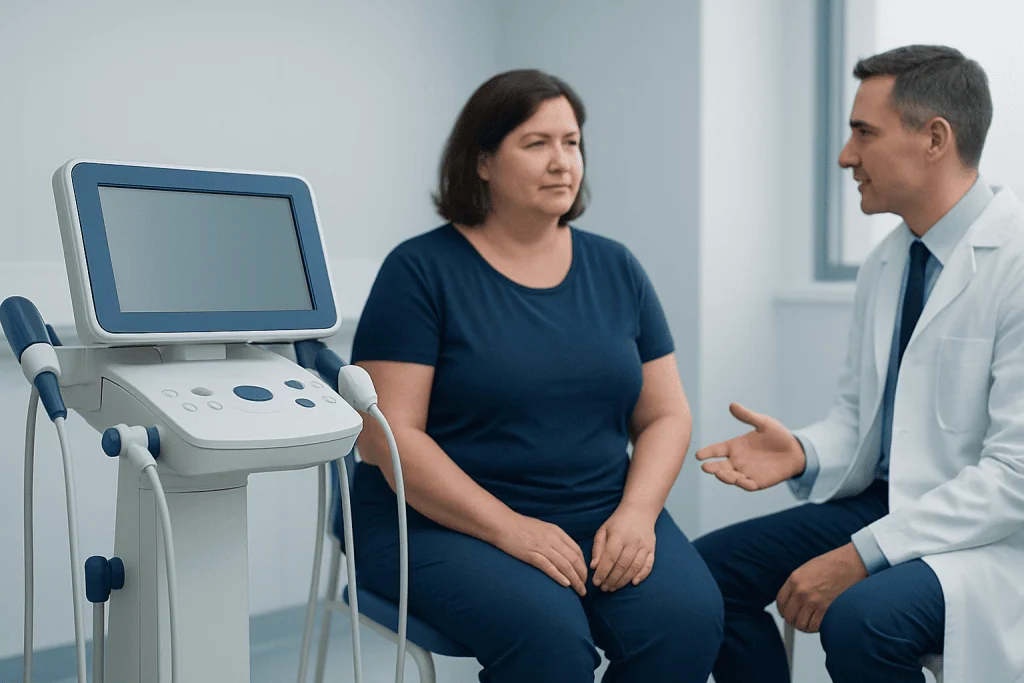
In the first month, weight loss often starts quickly. This is partly because food intake is very limited during the liquid and soft-food stages, and partly because the body loses water weight as calorie intake changes. Fatigue is common during this early adjustment period, so the focus is usually on healing, hydration, protein intake, and learning how to eat slowly rather than chasing a specific number.
By months 2 and 3, many patients notice steadier fat loss and improved mobility. As meals become more structured, the care team usually advances the diet toward soft and then more regular textures. Some people may lose around one quarter to one third of their excess weight by the end of the third month, but this is only a broad estimate and should not be used to compare one patient with another.
Months 4 to 6 are often the most active phase of weight loss. Many patients begin to tolerate a wider range of protein-rich foods, increase walking or exercise, and see changes in clothing size, energy, blood pressure, blood sugar, or joint comfort. A common broad range by 6 months may be about 45% to 60% of excess weight loss, depending on individual factors and adherence to the recommended plan.
From months 7 to 12, weight loss usually slows. This is expected because the body is smaller and needs fewer calories than before. Many patients continue to lose weight, but at a more gradual pace, and plateaus become more frequent. By 12 to 18 months, some people reach about 60% to 70% of excess weight loss, while others fall above or below that range. Long-term success depends on maintaining the new eating pattern, activity routine, and follow-up care.
Why Results Vary from Person to Person

No two gastric sleeve journeys are identical. A person with a higher starting weight may lose more kilograms overall, while someone with a lower starting weight may show a different percentage pattern. Hormonal factors, genetics, sleep quality, stress, mobility limitations, previous weight loss attempts, and medications can all influence the pace of change.
Medical conditions also matter. Type 2 diabetes, polycystic ovary syndrome, thyroid disease, depression, chronic pain, and certain steroid or psychiatric medications may affect appetite, metabolism, or activity level. This does not mean the procedure cannot work; it means the plan may need closer personalization and more frequent adjustments.
Behavioral consistency is another major factor. Gastric sleeve surgery is a tool, not a stand-alone cure for obesity. Long-term outcomes are generally better when patients keep follow-up visits, take recommended supplements, avoid grazing on high-calorie foods, prioritize protein, limit sugary drinks and alcohol, and build physical activity gradually. A supportive environment at home can make these changes easier to sustain.
Nutrition and Hydration During the Weight Loss Timeline
After surgery, the stomach needs time to heal, so the diet progresses in stages. Patients typically start with clear or full liquids, then move to pureed foods, soft foods, and eventually small portions of regular foods. The exact timing varies by surgeon and hospital protocol. Patients should follow their own care team’s written instructions rather than online meal plans, because recommendations differ according to the operation and medical needs.
Protein is usually the highest nutrition priority because it supports healing, helps preserve muscle, and contributes to fullness. Many patients are advised to eat protein first at meals and to avoid drinking large amounts with meals because the smaller stomach fills quickly. Hydration is equally important, but it usually needs to happen slowly throughout the day in small sips.
Common long-term nutrition habits after gastric sleeve include:
- Eating small, planned meals rather than frequent unplanned snacks.
- Chewing thoroughly and stopping at the first sign of comfortable fullness.
- Choosing lean protein, vegetables, fruit, and whole-food carbohydrates as tolerated.
- Avoiding carbonated, sugary, or high-calorie drinks unless the medical team says otherwise.
- Taking vitamin and mineral supplements exactly as prescribed.
Because food intake is reduced, deficiencies can occur if supplements and laboratory monitoring are neglected. Iron, vitamin B12, folate, vitamin D, calcium, and other nutrients may need regular assessment. Any persistent vomiting, difficulty drinking, or inability to meet protein goals should be discussed with the bariatric team promptly.
Exercise, Plateaus, and Body Composition
Activity after gastric sleeve usually begins gently. Walking is often encouraged soon after surgery to support circulation and recovery, but strenuous exercise must wait until the surgeon confirms it is safe. As healing progresses, patients may gradually add longer walks, cycling, swimming, or other low-impact activities based on comfort and medical advice.
Strength training becomes important once cleared by the care team. During rapid weight loss, the body can lose both fat and muscle. Resistance exercise, combined with adequate protein, helps preserve muscle mass, supports posture and mobility, and may improve resting energy needs. This is one reason the scale does not tell the whole story; waist size, stamina, blood tests, and medication changes can be meaningful signs of progress.
Weight loss plateaus are common, especially after the first few months. A plateau may last several weeks while the body adapts to lower weight and changing intake. It can also happen when liquid calories, grazing, larger portions, or reduced activity slowly return. Rather than making extreme diet changes, patients should review food records, hydration, protein intake, sleep, stress, and exercise with their bariatric dietitian or physician.
Follow-Up Care and Long-Term Maintenance
Regular follow-up is a central part of safe bariatric care. Appointments allow the team to monitor healing, weight trend, nutrition labs, mental health, reflux symptoms, eating tolerance, and the need for medication changes. Some patients require adjustments in diabetes, blood pressure, or cholesterol medicines as weight changes, so self-adjusting medication without medical guidance is not recommended.
Long-term maintenance begins before the goal weight is reached. As weight loss slows, the focus shifts from rapid change to repeatable routines: structured meals, regular movement, adequate sleep, emotional eating awareness, and ongoing supplement use. Patients who stay connected with their bariatric program often have more opportunities to address small problems before they become larger setbacks.
Some people compare gastric sleeve with other procedures, such as gastric bypass or other forms of bariatric surgery. The best procedure depends on body mass index, reflux history, diabetes status, previous abdominal surgery, eating patterns, and patient preferences. A qualified bariatric surgeon can explain the benefits and limitations of each option in an individualized consultation.
When to See a Doctor
Patients should contact their bariatric team if weight loss seems unusually slow, if there is unexpected weight regain, or if they are unable to follow the recommended eating and drinking plan. Medical review is also important for ongoing nausea, vomiting, worsening reflux, abdominal pain, dehydration symptoms, dizziness, hair loss with poor intake, or signs of nutritional deficiency such as unusual fatigue, numbness, or weakness.
Emotional health deserves attention as well. Eating patterns can change after surgery, and some patients experience stress, body image concerns, anxiety, or low mood during the adjustment period. Support from a psychologist, dietitian, or bariatric support group can be helpful and is a normal part of comprehensive care.
Acibadem International’s multidisciplinary specialists and JCI-accredited hospitals provide evaluation, surgery, and follow-up support for international patients considering or recovering from bariatric procedures. Patients should always seek individualized advice from a qualified physician who can review their health history, test results, and personal goals.
Frequently asked questions
How much weight is usually lost in the first month after gastric sleeve?
Many patients lose weight in the first month, but the amount varies widely. Early loss includes both fat and water weight, and the main priority is safe healing, hydration, and protein intake. Patients should not compare their first-month result with others, because starting weight and recovery differ.
When is weight loss fastest after gastric sleeve surgery?
Weight loss is often fastest during the first 3 to 6 months after surgery. During this period, food portions are smaller, appetite may be reduced, and many patients are building new routines. After that, the rate usually slows as the body adapts to a lower weight.
Is it normal to stop losing weight for a few weeks?
Yes, short plateaus are common after gastric sleeve surgery and do not automatically mean something is wrong. The body may pause while adjusting to weight loss, changes in activity, and calorie intake. If a plateau lasts longer or is accompanied by weight regain, a dietitian or surgeon can help review possible causes.
How much weight can a person lose by one year?
Many patients achieve substantial weight loss by 12 months, but the result depends on starting weight, health conditions, food choices, activity, and follow-up. Some people may lose around 60% or more of their excess weight by 12 to 18 months, while others lose less or more. A bariatric team can interpret progress using the most appropriate measure for the individual.
Can weight come back after gastric sleeve?
Some weight regain can happen, especially several years after surgery, but it is not inevitable. Regain is more likely when grazing, high-calorie drinks, low activity, poor sleep, or untreated emotional eating become routine. Early support from the bariatric team can often help patients return to effective habits.
Does exercise change the gastric sleeve weight loss timeline?
Exercise can improve body composition, fitness, and long-term weight maintenance, but it should be introduced gradually and only as approved by the surgeon. Walking is often started early, while strength training usually comes later after healing. Protein intake and resistance exercise together help protect muscle during rapid weight loss.
What should a patient do if weight loss seems too slow?
The patient should first contact the bariatric team rather than starting an extreme diet. The team may review meal timing, protein intake, liquid calories, medications, physical activity, sleep, and lab results. Sometimes small changes in routine can improve progress safely.
References
- American Society for Metabolic and Bariatric Surgery
- International Federation for the Surgery of Obesity and Metabolic Disorders
- National Institute of Diabetes and Digestive and Kidney Diseases
- National Institute for Health and Care Excellence
- World Health Organization
This article is for general information only and is not a substitute for professional medical advice. Please consult a qualified doctor about your individual situation.
Medical weight-loss options in Turkey — costs & eligibility
JCI-accredited · board-certified surgeons · reply within 24h
Add us as a Preferred Source to see more of our trusted health content across Google Search, AI Overviews and Discover.
Check your numbers in seconds
BMI, calories, due date, blood pressure and 30+ more clinical calculators — free, instant, doctor-reviewed ranges.

Related Treatments
Related Conditions
More from the Health Library



Related Specialists
Prof. Dr. Tayfun Karahasanoğlu
General Surgery
Prof. Dr. Güralp Onur Ceyhan
General Surgery
Prof. Dr. Volkan Özben
General Surgery
Assoc. Prof. Dr. Halil Kara
General Surgery