Follow-Up Tests After Heart Bypass Surgery: ECG, Echo, and Stress Testing

ECG is a quick test that records heart rhythm and can provide a useful baseline after bypass surgery. Echocardiography uses ultrasound to assess heart pumping function, valves, fluid around the heart, and other structural findings.
Key Takeaways
- ECG is a quick test that records heart rhythm and can provide a useful baseline after bypass surgery.
- Echocardiography uses ultrasound to assess heart pumping function, valves, fluid around the heart, and other structural findings.
- Stress testing is not always needed for every patient immediately after surgery, but it can help evaluate exercise capacity, symptoms, and possible reduced blood flow.
- Follow-up care also includes medication review, blood pressure and cholesterol management, diabetes care, wound assessment, and cardiac rehabilitation.
- New or worsening chest pain, shortness of breath, fainting, irregular heartbeat, fever, or wound changes should prompt medical advice without delay.
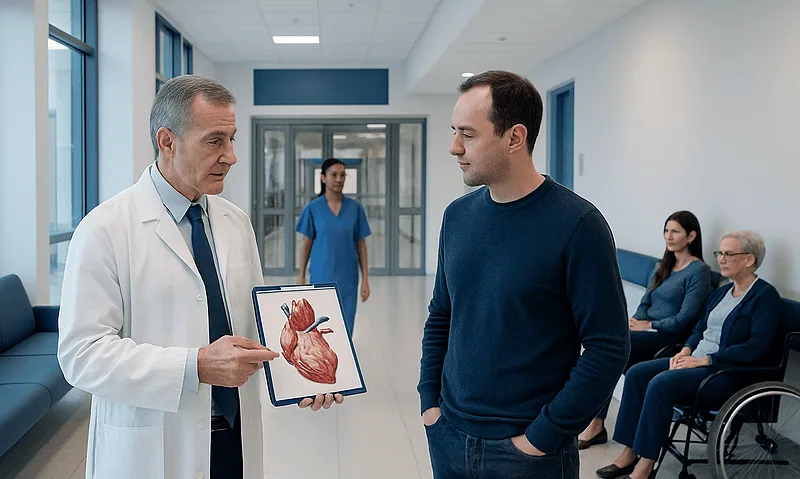
Follow-up tests after heart bypass surgery help doctors understand how the heart is recovering, whether symptoms need investigation, and how well long-term risk factors are controlled. ECG, echocardiography, and stress testing each provide different information and are used according to the patient’s condition, recovery stage, and medical history.
Overview
Heart bypass surgery, also called coronary artery bypass grafting or CABG, is performed to improve blood flow to the heart muscle when coronary arteries are significantly narrowed or blocked. During recovery, follow-up tests help the care team confirm that healing is progressing, medications are appropriate, and any new symptoms are evaluated in a structured way. These tests are part of long-term heart care rather than a sign that something is necessarily wrong.
The most common follow-up tests include an electrocardiogram, often called an ECG or EKG, an echocardiogram, and sometimes a stress test. Each test answers a different question. An ECG checks the electrical pattern of the heart, an echocardiogram assesses heart structure and pumping function, and stress testing evaluates how the heart performs during physical effort or medication-induced stress.
The timing and choice of tests vary from patient to patient. A person who is recovering smoothly may need routine clinic visits, blood tests, ECGs, and risk factor monitoring. Someone with chest discomfort, breathlessness, palpitations, reduced exercise tolerance, or complex heart disease may need additional imaging or functional testing. Follow-up should always be individualized by a cardiologist or cardiac surgeon familiar with the patient’s operation and medical history.
Why Follow-Up Testing Matters After Bypass Surgery
Bypass surgery improves blood supply by creating new routes around narrowed coronary arteries, but it does not cure the underlying tendency toward atherosclerosis. The original coronary arteries and the bypass grafts still need protection through medication, lifestyle changes, and control of risk factors such as high blood pressure, diabetes, smoking, and high cholesterol. Follow-up testing supports this long-term prevention plan.
Testing also helps doctors distinguish normal recovery sensations from symptoms that need closer attention. Mild fatigue, reduced stamina, and some chest wall discomfort can occur during recovery, especially while the breastbone and soft tissues are healing. In contrast, pressure-like chest pain with exertion, increasing shortness of breath, dizziness, rapid heartbeats, or swelling may point to issues that should be assessed.
Follow-up visits commonly include a review of symptoms, physical examination, wound assessment, medication review, and discussion of activity level. Tests may be ordered to establish a new baseline after surgery or to investigate a specific concern. Patients who had heart bypass surgery may also be referred to a structured rehabilitation program, where exercise capacity and risk factors are monitored safely.
ECG After Heart Bypass Surgery

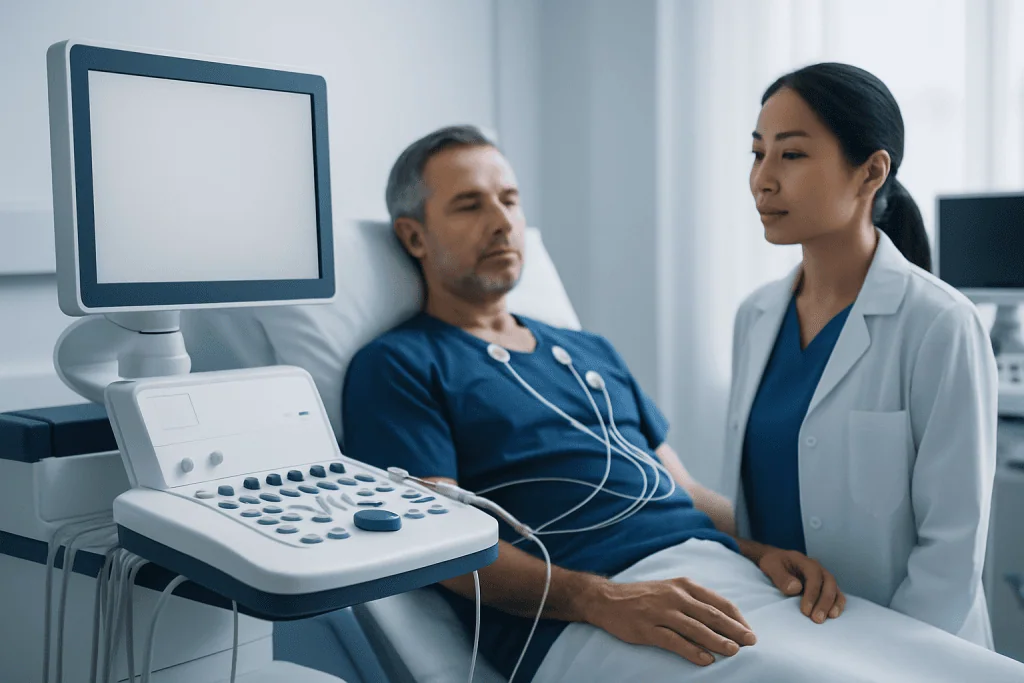
An electrocardiogram is a painless, non-invasive test that records the heart’s electrical activity through small electrodes placed on the chest, arms, and legs. It usually takes only a few minutes. After bypass surgery, an ECG can show the heart rate and rhythm, conduction patterns, and evidence of previous heart muscle injury. It may also help doctors compare current findings with earlier ECGs.
ECG is especially useful if a patient has palpitations, dizziness, fainting, chest discomfort, or a change in exercise tolerance. Some rhythm disturbances, such as atrial fibrillation, can occur after cardiac surgery, particularly in the early recovery period. Many rhythm issues are manageable, but identifying them matters because treatment may reduce symptoms and help prevent complications.
It is important to understand that an ECG is a snapshot at one moment in time. If symptoms come and go, a standard ECG may look normal between episodes. In that situation, the doctor may recommend ambulatory rhythm monitoring, such as a Holter monitor or an event recorder, to record heart rhythm over a longer period. The choice depends on how often symptoms occur and what the clinician is trying to detect.
Echocardiogram After CABG
An echocardiogram is an ultrasound examination of the heart. It shows how well the heart chambers contract, how the valves open and close, whether there is fluid around the heart, and whether the heart muscle moves normally. Because it does not use radiation and is generally well tolerated, it is a common tool in post-surgical cardiac care.
After CABG, an echocardiogram may be used to assess left ventricular function, which is the pumping ability of the main chamber of the heart. This information can guide medications, activity recommendations, and follow-up planning. If a person has shortness of breath, leg swelling, low blood pressure symptoms, a new heart murmur, or unexplained fatigue, echocardiography can help identify possible cardiac causes.
Not every patient needs repeated echocardiograms at frequent intervals. If heart function was normal and recovery is uncomplicated, the test may be repeated only when clinically indicated. However, patients with reduced heart function, valve disease, heart failure symptoms, or complex pre-existing heart conditions may need periodic echo assessment. The cardiologist will interpret the result in the context of symptoms, physical findings, ECG, and laboratory tests.
Stress Testing After Bypass Surgery
A stress test evaluates how the heart responds to increased demand. This may involve walking on a treadmill or cycling while heart rhythm, blood pressure, and symptoms are monitored. If a person cannot exercise adequately, medication may be used to simulate the effects of exercise on the heart. Some stress tests are combined with imaging, such as echocardiography or nuclear imaging, to assess blood flow and heart muscle movement more precisely.
Stress testing after bypass surgery is often considered when a patient has symptoms that could suggest reduced blood flow, such as chest pressure with exertion, unexplained breathlessness, or a decline in exercise tolerance. It may also be used before entering or advancing an exercise program, depending on the patient’s risk profile and local practice. In many stable, symptom-free patients, routine early stress testing may not be necessary, especially if recovery is progressing well.
The result of a stress test can help guide next steps. A reassuring test may support gradual activity progression and ongoing preventive care. An abnormal test does not automatically mean another procedure is needed, but it may lead to medication adjustment, further imaging, or coronary angiography if the doctor believes the findings are significant. The decision is based on the whole clinical picture rather than one test alone.
Other Follow-Up Checks: Labs, Blood Pressure, and Risk Factors
ECG, echo, and stress testing are important, but they are only part of follow-up care. Blood tests may be used to check cholesterol levels, blood sugar control, kidney function, anemia, inflammation when relevant, and medication safety. These results help doctors adjust preventive therapy and identify issues that could affect recovery or long-term heart health.
Risk factor control is central after bypass surgery. Blood pressure should be monitored regularly, and patients with high readings may need medication changes or lifestyle support. Cholesterol management is also important because lowering harmful lipid levels helps protect native coronary arteries and bypass grafts. Patients may benefit from specialist care for high blood pressure or high cholesterol and dyslipidemia when these conditions are difficult to control.
Medication review is another key part of follow-up. Many patients are prescribed antiplatelet therapy, cholesterol-lowering medication, blood pressure medicines, and sometimes drugs for heart rhythm, diabetes, or heart failure. Patients should not stop or change these medicines without medical advice, even if they feel well. Side effects, missed doses, or uncertainty about medication timing should be discussed openly with the healthcare team.
Recovery, Cardiac Rehabilitation, and Self-Care
Recovery after bypass surgery is gradual. The care team may provide instructions about walking, lifting restrictions, wound care, breathing exercises, sleep position, driving, returning to work, and sexual activity. These recommendations depend on the surgical approach, healing of the breastbone or incision sites, overall fitness, and whether complications occurred during or after the operation.
Cardiac rehabilitation is one of the most valuable parts of recovery for many patients. It combines supervised exercise, education, risk factor management, nutrition guidance, and emotional support. A structured cardiac rehabilitation program can help patients rebuild confidence, understand safe activity limits, and develop habits that protect the heart long term.
Self-care also includes practical daily monitoring. Patients may be asked to track weight, blood pressure, pulse, blood sugar if diabetic, activity tolerance, and symptoms. A heart-healthy eating pattern, smoking cessation, regular movement, good sleep, and stress management all contribute to recovery. Family members can support the patient by helping with appointments, medication organization, and gradual return to normal routines without pushing activity too quickly.
When to See a Doctor
Patients should contact their doctor promptly if they develop new or worsening chest pain, chest pressure with exertion, shortness of breath at rest, fainting, a very fast or irregular heartbeat, sudden weakness, or swelling that is increasing. Fever, redness, drainage, opening of the incision, or worsening pain around the surgical wound also needs medical attention. These symptoms do not always mean a serious problem, but they should be assessed.
Follow-up appointments should be kept even when recovery feels smooth. They allow the care team to check healing, adjust medications, review test results, and plan the next stage of activity. Patients who travel internationally for care should keep copies of their operative report, discharge summary, medication list, ECGs, echo reports, and any imaging results to share with local doctors.
Acibadem International’s multidisciplinary cardiac specialists and JCI-accredited hospitals diagnose and treat patients after coronary artery bypass surgery, including international patients who need coordinated follow-up planning. Wherever follow-up takes place, the safest approach is regular communication with qualified healthcare professionals and timely evaluation of new symptoms.
Frequently asked questions
How often are follow-up tests needed after heart bypass surgery?
The schedule depends on the patient’s recovery, symptoms, heart function, and other medical conditions. Early follow-up is usually arranged soon after discharge, and later visits focus on healing, medication adjustment, risk factor control, and activity progression. Tests such as ECG, echo, or stress testing are ordered based on clinical need rather than a single fixed timetable for everyone.
Is an ECG enough to show whether bypass grafts are working?
An ECG can show heart rhythm and certain signs of strain or previous injury, but it does not directly show the bypass grafts. If graft problems are suspected, doctors may use stress imaging, coronary CT angiography, or invasive coronary angiography depending on the situation. The choice depends on symptoms, risk level, kidney function, and previous test results.
Why might an echocardiogram be done after CABG?
An echocardiogram helps assess how well the heart pumps, how the valves function, and whether there is fluid around the heart. It is especially helpful when a patient has shortness of breath, swelling, fatigue, low blood pressure symptoms, or known reduced heart function. It is painless and does not use radiation.
When is a stress test recommended after bypass surgery?
A stress test may be recommended if there are symptoms such as exertional chest discomfort, unexplained breathlessness, or reduced exercise capacity. It may also be used to guide exercise planning in selected patients. Many stable, symptom-free patients do not need routine stress testing immediately after surgery unless their doctor identifies a reason.
Can chest discomfort after bypass surgery be normal?
Some chest wall soreness, incision discomfort, and tightness can occur during healing, especially after surgery through the breastbone. However, pressure-like chest pain, pain triggered by exertion, pain with sweating or nausea, or discomfort associated with shortness of breath should be discussed with a doctor promptly. It is safest to describe the symptom clearly rather than assuming it is part of normal healing.
What should patients bring to a follow-up appointment?
Patients should bring a current medication list, blood pressure or blood sugar records if available, discharge papers, operative notes, and reports from previous ECGs, echocardiograms, or angiograms. It is also helpful to write down symptoms, questions, and any medication side effects. This makes the visit more efficient and supports safer decision-making.
Do normal follow-up tests mean heart disease is cured?
Normal or reassuring tests are encouraging, but they do not mean coronary artery disease has disappeared. Long-term protection still depends on medication adherence, healthy lifestyle habits, and control of blood pressure, cholesterol, diabetes, and smoking. Regular follow-up helps maintain these protective measures over time.
This article is for general information only and is not a substitute for professional medical advice. Please consult a qualified doctor about your individual situation.
Heart Bypass Surgery in Turkey — costs, top hospitals & a free quote
JCI-accredited · board-certified surgeons · reply within 24h
Add us as a Preferred Source to see more of our trusted health content across Google Search, AI Overviews and Discover.
Check your numbers in seconds
BMI, calories, due date, blood pressure and 30+ more clinical calculators — free, instant, doctor-reviewed ranges.

Cardiology Department
Diagnosis and treatment of heart and vascular conditions, from prevention to advanced interventional procedures.
93 specialists in this unitRelated Treatments
Related Conditions
More from the Health Library

Cardiac Rehabilitation After Heart Treatment: What to Expect

How to Choose a Heart Specialist for Complex Cardiac Surgery

Valve Surgery Cost in Turkey: What Affects the Total Price?
Cardiovascular Toxicology: How Cancer Treatment and Other Drugs Can Affect the Heart

Cardiac Thrombosis: How Blood Clots in the Heart Are Diagnosed and Treated