

Gastric Sleeve Surgery in Turkey: What International Patients Should Know

Gastric sleeve surgery removes part of the stomach to create a smaller, tube-shaped stomach. It is generally considered for people with obesity who have not achieved enough benefit from diet, exercise, and medical support.
Key Takeaways
- Gastric sleeve surgery removes part of the stomach to create a smaller, tube-shaped stomach.
- It is generally considered for people with obesity who have not achieved enough benefit from diet, exercise, and medical support.
- Success depends on careful preoperative assessment, healthy eating habits, and ongoing follow-up after surgery.
- As with any operation, gastric sleeve surgery has risks, so choosing an experienced surgical team and clear aftercare plan is important.
- International patients should plan for travel, recovery time, nutrition guidance, and postoperative monitoring before returning home.
Gastric sleeve surgery is a bariatric procedure that reduces stomach size to help selected patients lose weight and improve obesity-related health conditions. International patients considering treatment in Turkey should understand candidacy, preparation, recovery, and the importance of long-term follow-up.
Overview
Gastric sleeve surgery, also called sleeve gastrectomy, is a type of bariatric surgery that reduces the size of the stomach. During the procedure, a large portion of the stomach is removed, leaving a narrow, sleeve-shaped stomach that holds less food and may help decrease hunger.
For international patients considering gastric sleeve surgery in Turkey, the procedure is usually part of a broader obesity treatment plan rather than a stand-alone solution. It is most helpful when combined with nutrition counseling, physical activity, and long-term medical follow-up. Patients who are learning about options may also wish to compare bariatric surgery options or read more about sleeve gastrectomy as a procedure.
Because obesity can affect many parts of health, the best results usually come from careful selection of candidates and a team-based approach. An experienced bariatric team can review medical history, current medications, eating patterns, and personal goals before recommending surgery.
Symptoms and Who May Benefit

Gastric sleeve surgery is not performed for a single symptom. Instead, it is considered for people living with obesity who may have difficulty losing weight or maintaining weight loss with non-surgical methods. Some patients seek surgery because excess weight is affecting mobility, sleep, blood sugar, blood pressure, or quality of life.
People may benefit if obesity is associated with conditions such as type 2 diabetes, sleep apnea, fatty liver disease, joint pain, or reflux symptoms. However, suitability is not based on weight alone. A doctor will also assess whether the patient is ready to follow dietary changes, attend follow-up visits, and understand the lifestyle changes that accompany surgery.
International patients often consider treatment abroad when they want access to specialized bariatric care, structured evaluation, and coordinated aftercare. It is important to remember that surgery is only one step in a longer health journey, and lasting success depends on continued support after returning home.
Causes and Risk Factors for Obesity

Gastric sleeve surgery addresses obesity, a complex condition influenced by many factors. These may include genetics, hormonal changes, certain medications, emotional eating, sleep disruption, and an environment that makes healthy choices difficult. No single cause explains obesity in every person.
Risk factors may include a family history of obesity, long-term weight gain, reduced physical activity, and some medical conditions that make weight management harder. For many patients, repeated cycles of weight loss and regain can be frustrating and may contribute to the decision to explore medical or surgical treatment.
Understanding the underlying contributors helps the care team build a realistic plan. Patients are often asked about previous diet attempts, current health conditions, and readiness for lasting changes. This is especially important before considering treatment for obesity or other bariatric procedures such as gastric bypass if a different approach may be more suitable.
Diagnosis and Preoperative Evaluation
Before gastric sleeve surgery, a surgeon and multidisciplinary team perform a detailed evaluation. This typically includes a review of weight history, body mass index, current medications, past surgeries, nutritional status, and any obesity-related conditions. The goal is to confirm that surgery is appropriate and to reduce the chance of complications.
Testing may include blood work, heart or lung assessment when needed, and evaluation of the stomach and digestive system. Some patients may need nutritional, psychological, or sleep-related assessment to support safe surgery and recovery. For selected patients, the team may also discuss alternatives such as gastric balloon or stomach reduction without surgery when non-operative options are more appropriate.
For international patients, preoperative planning should also cover travel timing, language support, postoperative accommodation, and how follow-up will continue after leaving Turkey. A clear plan helps patients feel prepared and supports continuity of care.
Treatment Options
Gastric sleeve surgery is usually performed laparoscopically, meaning through small incisions with the help of a camera. The surgeon removes a large portion of the stomach and shapes the remaining stomach into a narrow tube. This limits how much food the stomach can hold and may also affect hunger-related signals.
The operation is done under general anesthesia and is typically combined with a hospital stay for observation and early recovery. The exact technique and length of stay can vary based on the patient’s health, the surgeon’s approach, and how recovery progresses. Patients with more complex medical needs may require individualized planning, including the possibility of other laparoscopic approaches such as gastric laparoscopic surgery.
Although the procedure is commonly described as weight-loss surgery, it is best understood as a metabolic treatment that must be paired with lifestyle change. Eating slowly, following the postoperative diet stages, taking prescribed supplements if recommended, and attending follow-up appointments are essential parts of treatment.
Benefits and Possible Risks
Many patients choose gastric sleeve surgery because it can support meaningful and sustained weight loss when combined with healthy habits. In some people, weight reduction may also improve conditions linked to obesity, such as blood sugar control, blood pressure, joint stress, and sleep quality. Benefits vary from person to person and depend on long-term adherence to medical advice.
Like any surgery, gastric sleeve surgery has possible risks. These may include bleeding, infection, leakage from the staple line, blood clots, reflux symptoms, nutritional deficiencies, and nausea or vomiting during recovery. Not every patient experiences these problems, but they should be discussed openly during consent and planning.
Choosing an experienced bariatric team, following the eating plan carefully, and reporting symptoms early can help reduce risk. Patients should understand that surgery is not a quick fix and that healthy routines remain important for life after the operation.
Prevention and Self-Care Before and After Surgery
There is no way to “prevent” obesity surgery itself once it is planned, but patients can prepare for the best possible outcome. Before surgery, the care team may recommend nutritional changes, smoking cessation if relevant, improved hydration, and better control of diabetes or other medical conditions. These steps can make anesthesia and recovery safer.
After surgery, self-care focuses on protecting the stomach while it heals and building sustainable habits. Patients are usually guided through staged nutrition, beginning with liquids and gradually advancing as advised by the medical team. Small portions, slow eating, adequate protein, and careful chewing are commonly emphasized.
Long-term success also depends on movement, sleep, mental well-being, and regular follow-up. Patients who travel internationally should make sure they know when to resume work, exercise, and flying, and how to contact their care team if questions arise after returning home.
When to See a Doctor
A doctor should be consulted if a person is struggling with obesity and wants to know whether surgery is appropriate. Evaluation is especially important when weight-related conditions are affecting health, daily life, or previous non-surgical weight-loss efforts have not worked well enough.
After surgery, patients should seek medical advice promptly if they have persistent vomiting, inability to keep fluids down, fever, worsening abdominal pain, shortness of breath, chest pain, or signs of dehydration. Mild discomfort can be part of recovery, but ongoing or severe symptoms need professional assessment.
International patients should clarify before travel which symptoms require urgent care, who to contact at the surgical center, and what records to share with local doctors if follow-up is needed. Acibadem International’s multidisciplinary specialists and JCI-accredited hospitals provide coordinated diagnosis and treatment for international patients who need bariatric care.
Recovery Expectations and Long-Term Follow-Up
Recovery from gastric sleeve surgery happens in stages. Many patients begin walking soon after surgery, which supports circulation and recovery. Return to normal activities varies, but most people need time to adjust to changes in eating, energy, and digestion.
Follow-up visits are important because they allow the care team to monitor healing, nutritional intake, weight changes, and tolerance of foods. Some patients need vitamin or mineral supplementation based on individual needs and lab results. Continued follow-up also helps identify reflux, dehydration, or eating difficulties early.
For international patients, long-term success is best supported by a shared plan between the surgical team and local healthcare providers. This can help ensure that aftercare continues smoothly once the patient is back home.
Frequently asked questions
What is gastric sleeve surgery?
Gastric sleeve surgery is a bariatric procedure that removes part of the stomach and leaves a smaller, sleeve-shaped stomach. This helps limit food intake and may reduce hunger signals. It is usually recommended as part of a broader obesity treatment plan.
Who is a candidate for gastric sleeve surgery?
Candidates are usually people with obesity who have not achieved enough long-term benefit from non-surgical methods. A doctor also considers overall health, previous weight-loss efforts, and the person’s ability to follow postoperative guidance. Not everyone with excess weight is a suitable candidate.
Why do international patients choose Turkey for this surgery?
Some international patients choose Turkey because it offers specialized bariatric care and coordinated treatment pathways. The most important factor is not location alone, but whether the patient receives thorough evaluation, safe surgery, and reliable follow-up. A clear aftercare plan is especially important when traveling home after surgery.
How long is recovery after gastric sleeve surgery?
Recovery time varies depending on the patient’s health and the details of the procedure. Many people resume light activity relatively soon, but eating patterns, energy levels, and comfort with food change gradually over several weeks. The surgical team should provide individualized guidance before travel and returning to daily routines.
Can gastric sleeve surgery treat diabetes or high blood pressure?
The surgery may help improve some obesity-related conditions, including blood sugar control and blood pressure, in certain patients. However, results are individual and depend on many factors, including adherence to diet, activity, and follow-up care. It is not a guaranteed cure for any disease.
What foods can be eaten after surgery?
Food is usually introduced in stages, starting with liquids and then moving to pureed, soft, and more regular foods as advised by the medical team. Small portions and slow eating are important throughout recovery. Patients should follow their own surgeon’s diet plan rather than a generic schedule.
What should a patient ask before traveling for surgery?
Patients should ask about surgeon experience, hospital accreditation, expected hospital stay, diet stages, complication warning signs, and follow-up arrangements after returning home. They should also confirm who will review their recovery if questions come up later. Having written instructions can make international care much easier to manage.
References
- World Health Organization
- American Society for Metabolic and Bariatric Surgery
- National Institute of Diabetes and Digestive and Kidney Diseases
- International Federation for the Surgery of Obesity and Metabolic Disorders
This article is for general information only and is not a substitute for professional medical advice. Please consult a qualified doctor about your individual situation.
Gastric Sleeve Surgery in Turkey — costs, top hospitals & a free quote
JCI-accredited · board-certified surgeons · reply within 24h
Add us as a Preferred Source to see more of our trusted health content across Google Search, AI Overviews and Discover.
Check your numbers in seconds
BMI, calories, due date, blood pressure and 30+ more clinical calculators — free, instant, doctor-reviewed ranges.

Bariatric & Metabolic Surgery
Surgical and endoscopic treatments for obesity and metabolic conditions.
Related Treatments
Related Conditions
More from the Health Library



Related Specialists

Prof. Dr. Tayfun Karahasanoğlu
General Surgery
Prof. Dr. Güralp Onur Ceyhan
General Surgery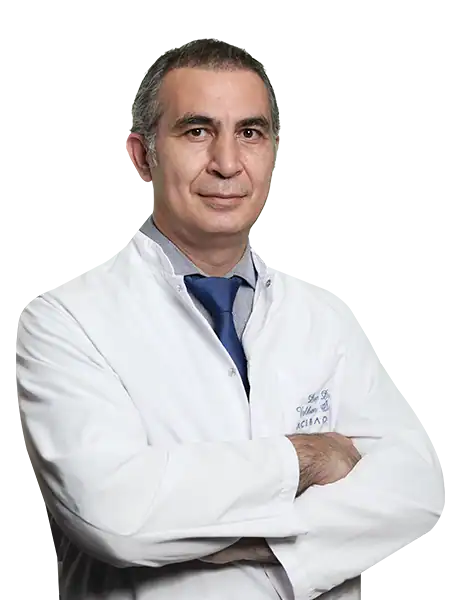
Prof. Dr. Volkan Özben
General Surgery
Assoc. Prof. Dr. Halil Kara
General Surgery