

What Is Bariatric Surgery? How It Works and Who It May Help

Bariatric surgery is not a cosmetic procedure; it is a medical treatment for selected people with obesity and related health risks. Different procedures work in different ways, including limiting food intake, reducing absorption, or changing hunger signals.
Key Takeaways
- Bariatric surgery is not a cosmetic procedure; it is a medical treatment for selected people with obesity and related health risks.
- Different procedures work in different ways, including limiting food intake, reducing absorption, or changing hunger signals.
- It may improve conditions such as type 2 diabetes, sleep apnea, high blood pressure, and joint pain.
- Careful evaluation before surgery and lifelong nutrition follow-up are essential for safe, lasting results.
- Not everyone is a candidate; a bariatric specialist helps decide whether surgery, medication, or non-surgical care is most appropriate.
Bariatric surgery is a set of operations that help some people with obesity lose weight and improve weight-related health problems. It works by reducing stomach capacity, changing digestion, or both, alongside long-term lifestyle changes and medical follow-up.
Overview
Bariatric surgery is a group of operations designed to help people with obesity lose weight and improve health. It is usually considered when weight-related conditions have not improved enough with diet, physical activity, medication, and other supportive care.
The surgery does not work in the same way for everyone. Some procedures make the stomach smaller, some reroute part of the digestive tract, and some combine both effects. By changing how much a person can eat, how food is absorbed, and how hunger signals behave, bariatric surgery can support meaningful weight loss when it is paired with long-term habits and medical follow-up.
People often ask whether surgery is a “last resort.” In practice, it is better understood as one option within a broader obesity treatment plan. A specialist team evaluates the person’s overall health, previous attempts at weight management, and readiness for the dietary and lifestyle changes needed after surgery. Learn more about bariatric surgery and related weight-loss procedures in a specialist setting.
How Bariatric Surgery Works
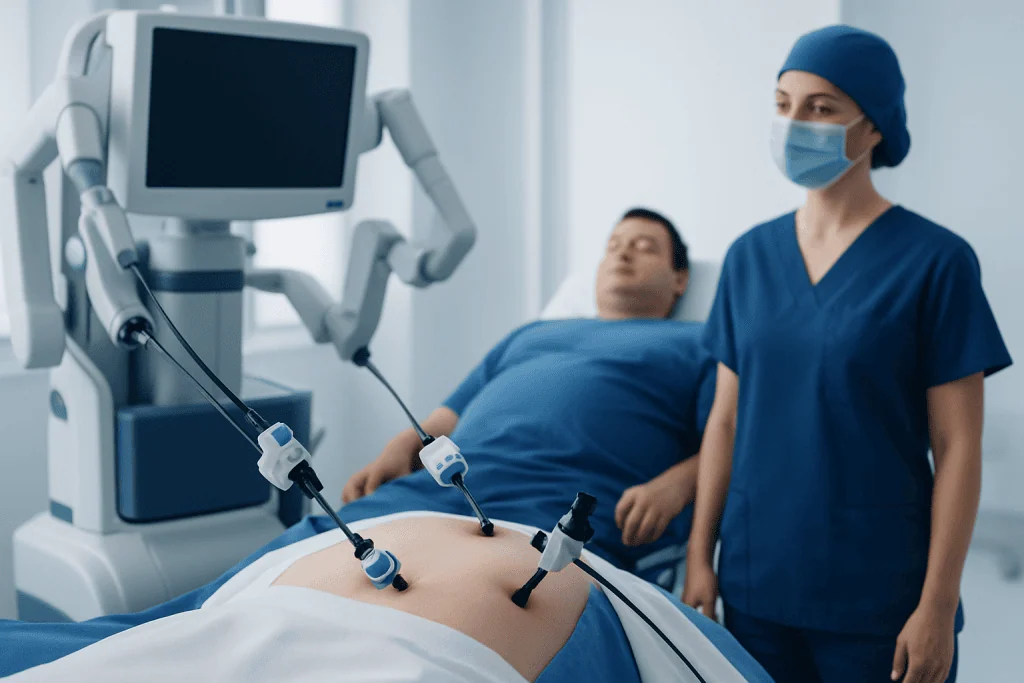
Bariatric procedures are usually grouped by their main mechanism. Restrictive procedures reduce the size of the stomach so a person feels full sooner. Malabsorptive procedures reduce the amount of calories and nutrients absorbed. Some operations do both.
Because the digestive system changes, the body may also respond differently to hunger-related hormones. Many people notice they feel less hungry or become full more quickly after surgery. This does not replace healthy eating; rather, it creates a medical tool that can make sustained lifestyle change more achievable.
Common procedures include gastric sleeve surgery, gastric bypass, and gastric banding. Less invasive options, such as gastric balloon treatment, may be used in selected cases, while some people explore stomach reduction without surgery as part of a non-operative approach.
Symptoms and Health Problems It May Help

Bariatric surgery is not performed to treat a symptom in the usual sense. Instead, it is considered for people whose body weight is contributing to health problems or making everyday life more difficult. Common weight-related concerns include shortness of breath with activity, fatigue, knee or back pain, and difficulty with mobility.
It may also help improve obesity-related conditions such as type 2 diabetes, high blood pressure, sleep apnea, fatty liver disease, high cholesterol, and acid reflux in some patients. Many people also report better sleep, easier movement, and improved quality of life as weight decreases.
The decision is not based on appearance. It is based on overall health, body mass index, medical history, and whether obesity has become difficult to manage with non-surgical measures. The goal is to reduce long-term health risk and support safer, more sustainable weight control.
Causes & Risk Factors
Bariatric surgery is usually recommended when obesity is influenced by several factors and the condition has become hard to control with standard treatment. These factors may include genetics, metabolism, long-term eating patterns, limited physical activity, certain medications, sleep problems, stress, and medical conditions that make weight gain more likely.
People may be considered for surgery when obesity is severe or when related health problems are present. A person’s age, overall medical fitness, mental health, ability to attend follow-up visits, and willingness to change eating habits all matter as well. Surgery is typically part of a structured treatment plan, not a standalone solution.
There are also situations where surgery may not be suitable, such as uncontrolled substance use, untreated eating disorders, or medical issues that make an operation too risky at the time. A specialist team reviews these factors carefully before making a recommendation.
Diagnosis and Preoperative Evaluation
Before bariatric surgery, the medical team performs a detailed assessment. This usually includes a review of weight history, prior diet and exercise attempts, current medications, existing conditions, and any previous abdominal operations. Blood tests and other investigations are often used to check overall health and nutritional status.
The evaluation may also include consultations with a surgeon, dietitian, internist or endocrinologist, anesthesiologist, and sometimes a psychologist or psychiatrist. This is important because surgery affects eating habits, nutrient intake, and daily routines for a long time after the operation.
Testing may be ordered to help choose the safest and most appropriate procedure. In some cases, the team may recommend a different treatment first, such as medication, nutritional therapy, or a less invasive option. The evaluation is meant to match the person with the right treatment, not simply the fastest one.
Treatment Options
Several procedures are used in bariatric care, and each has advantages and limitations. Sleeve gastrectomy removes a large portion of the stomach, which limits meal size and can affect hunger signals. Gastric bypass creates a smaller stomach pouch and changes the route food takes through the digestive tract, which can support weight loss and improve some metabolic conditions.
Gastric banding uses an adjustable band to create a smaller stomach opening, although it is used less often in many centers today. Gastric balloon treatment places a temporary balloon in the stomach to help with fullness and portion control in selected patients.
Some people may be suitable for minimally invasive surgical techniques such as gastric laparoscopic surgery, which can reduce incision size and support recovery in appropriate cases. The right option depends on the person’s health profile, weight goals, and the surgeon’s recommendation.
Prevention & Self-care
Self-care before and after bariatric surgery is central to success. Before surgery, people are often encouraged to improve eating habits, start gentle activity if possible, stop smoking, and prepare for long-term follow-up. These steps can lower risk and make the transition smoother.
After surgery, patients usually need to follow a staged diet, eat slowly, chew thoroughly, and pay close attention to hydration and protein intake. Vitamin and mineral supplements may be recommended because some procedures reduce nutrient absorption or limit food volume. Regular follow-up helps the team monitor weight loss, digestion, and nutritional health.
Long-term habits matter even when the procedure is successful. Physical activity, mindful eating, good sleep, and ongoing support can help maintain results. If a person notices trouble eating, vomiting, weakness, or signs of dehydration, the bariatric team should be informed promptly.
When to See a Doctor
A person should discuss bariatric surgery with a doctor if obesity is affecting health, movement, self-care, or quality of life, especially when weight-related conditions are present. It is also appropriate to seek evaluation when repeated non-surgical efforts have not produced lasting results.
After surgery, medical advice should be sought if there is persistent vomiting, severe abdominal pain, inability to drink fluids, fever, black stools, chest pain, shortness of breath, or signs of dehydration. These symptoms need timely medical attention.
For anyone considering surgery, a consultation with an experienced bariatric team is the best next step. Acibadem International’s multidisciplinary specialists and JCI-accredited hospitals diagnose and treat bariatric conditions for international patients with coordinated care.
Frequently asked questions
Who is bariatric surgery usually for?
It is usually considered for people with obesity who have not achieved enough improvement with non-surgical treatment, especially when weight-related health problems are present. A specialist uses medical history, body mass index, and overall risk to decide whether surgery is appropriate.
What is the most common type of bariatric surgery?
The most commonly performed procedures in many settings include sleeve gastrectomy and gastric bypass. The best choice depends on the person’s health, weight-loss goals, and the surgeon’s assessment.
How much weight can a person expect to lose after surgery?
Results vary widely because surgery is only one part of treatment. Weight loss depends on the procedure, follow-up care, eating habits, activity, and individual health factors.
Is bariatric surgery safe?
As with any major surgery, there are risks, but bariatric surgery is commonly performed using careful preoperative assessment and ongoing follow-up. A qualified team reviews the benefits and risks for each person before recommending an operation.
Will the person need vitamins after surgery?
Many patients do need vitamin and mineral supplements, especially after procedures that reduce absorption or food intake. The care team usually recommends lifelong nutritional monitoring to prevent deficiencies.
Can obesity come back after bariatric surgery?
Weight regain can happen, especially if long-term eating, activity, and follow-up habits are not maintained. Bariatric surgery works best when it is paired with ongoing lifestyle support and medical supervision.
References
- World Health Organization
- National Institute of Diabetes and Digestive and Kidney Diseases
- American Society for Metabolic and Bariatric Surgery
- Mayo Clinic
This article is for general information only and is not a substitute for professional medical advice. Please consult a qualified doctor about your individual situation.
Bariatric Surgery in Turkey — costs, top hospitals & a free quote
JCI-accredited · board-certified surgeons · reply within 24h
Add us as a Preferred Source to see more of our trusted health content across Google Search, AI Overviews and Discover.
Check your numbers in seconds
BMI, calories, due date, blood pressure and 30+ more clinical calculators — free, instant, doctor-reviewed ranges.

Bariatric & Metabolic Surgery
Surgical and endoscopic treatments for obesity and metabolic conditions.
Related Treatments
Related Conditions
More from the Health Library



Related Specialists

Prof. Dr. Tayfun Karahasanoğlu
General Surgery
Prof. Dr. Güralp Onur Ceyhan
General Surgery
Prof. Dr. Volkan Özben
General Surgery
Assoc. Prof. Dr. Halil Kara
General Surgery