

Sleeve Gastrectomy Results: Realistic Weight Loss and Long-Term Success

Sleeve gastrectomy usually leads to meaningful weight loss, especially in the first 12 to 24 months. Results are influenced by eating patterns, physical activity, medical follow-up, and mental well-being.
Key Takeaways
- Sleeve gastrectomy usually leads to meaningful weight loss, especially in the first 12 to 24 months.
- Results are influenced by eating patterns, physical activity, medical follow-up, and mental well-being.
- The procedure can improve conditions linked to obesity, such as type 2 diabetes, sleep apnea, and high blood pressure.
- Some weight regain can happen over time, which is why long-term support matters.
- Lifelong nutrition, vitamin monitoring, and behavior changes are important after surgery.
Sleeve gastrectomy can help many people lose significant weight and improve obesity-related health conditions, but results vary and depend on long-term habits and follow-up care. Understanding realistic expectations before and after sleeve gastrectomy can help patients prepare for lasting success.
Overview
Sleeve gastrectomy is a bariatric operation that removes a large portion of the stomach and leaves a narrow, sleeve-shaped stomach behind. Because the stomach holds less food, people usually feel full sooner and eat smaller meals. Hormonal changes after surgery may also help reduce hunger and support weight loss.
When people ask about sleeve gastrectomy results, they are usually asking two things: how much weight is typically lost, and how long that weight loss lasts. The answer is that many patients achieve substantial weight reduction, but results are not identical for everyone. Success depends on the surgery itself, as well as follow-up care, nutrition, activity, and long-term habits after gastric sleeve surgery.
This procedure is commonly considered for people with obesity who have not achieved lasting weight control with non-surgical methods alone. It is not a quick fix, and it works best when it is part of a broader medical plan that includes education, monitoring, and lifestyle support.
What Results Are Realistic?
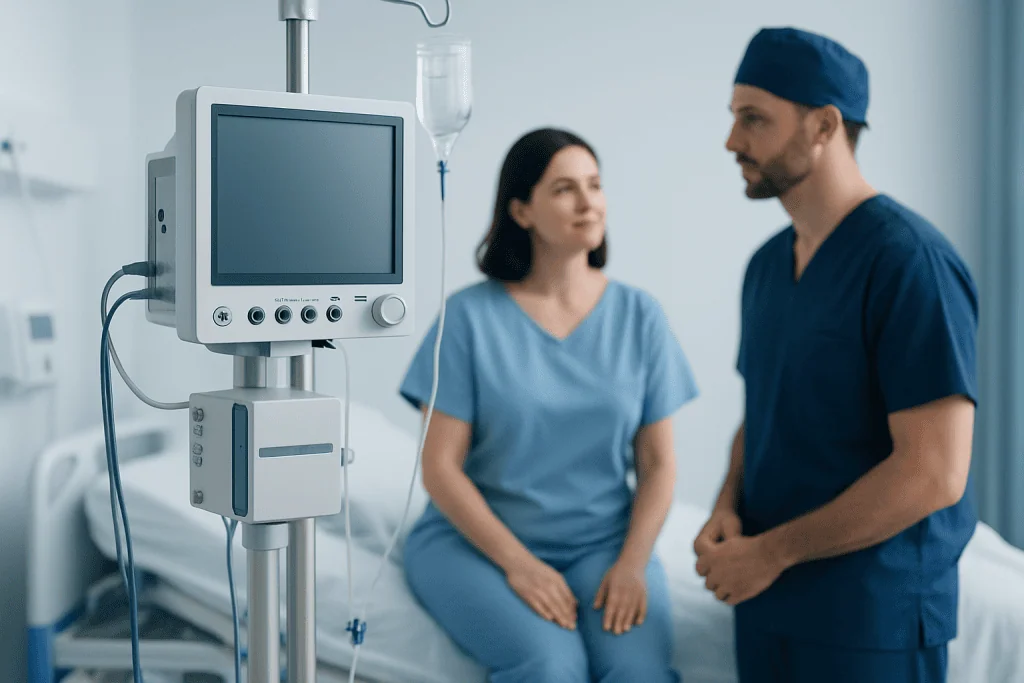
Realistic sleeve gastrectomy results are best understood as a gradual process rather than a dramatic overnight change. Weight loss is usually fastest in the early months after surgery, then slows as the body adjusts and eating patterns stabilize. Many patients reach their largest loss within the first year or two.
It is more helpful to think in terms of percentage of excess weight loss, overall health improvement, and sustainability rather than a single number on the scale. A patient’s starting weight, age, medical conditions, activity level, and ability to follow the post-operative plan all affect the final outcome. Two people can have the same operation and experience very different results.
Equally important, good results are not defined only by weight. Improved energy, better mobility, easier breathing, improved blood sugar control, and reduced medication needs may all be meaningful signs of success. For many people, these health gains matter just as much as the size of the weight loss itself.
How Much Weight Loss Happens Over Time?
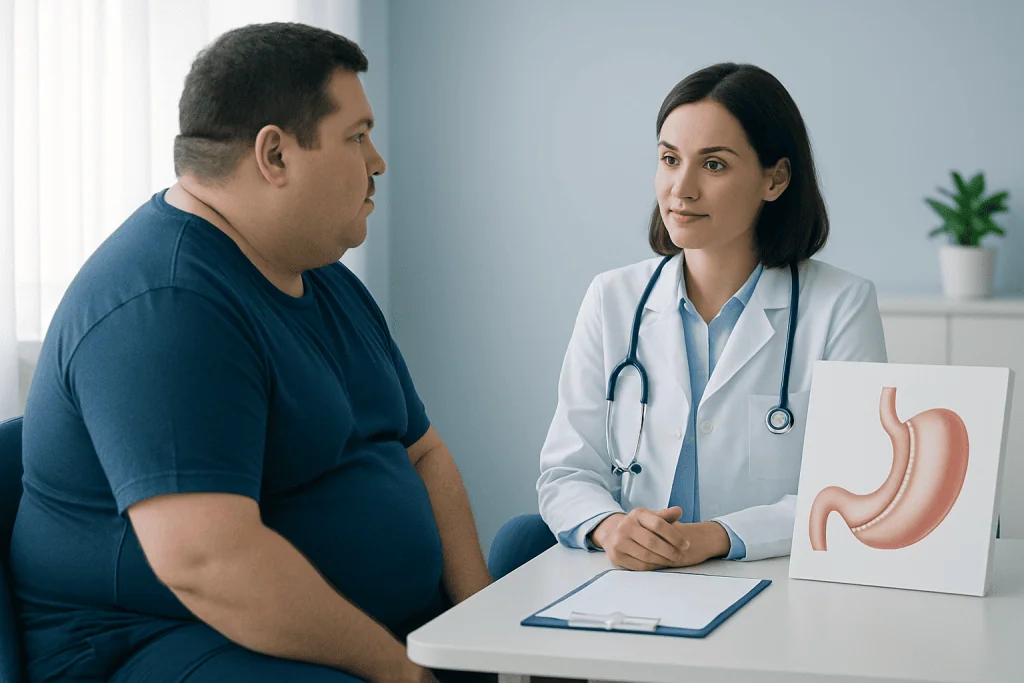
Most people lose a significant amount of weight after sleeve gastrectomy, especially during the first year. The body usually responds quickly at first because food intake is limited and appetite often decreases. After that, the pace of weight loss typically becomes slower and more gradual.
Long-term outcomes depend on maintaining the habits that support the surgery. Patients who continue regular follow-up, eat protein-rich balanced meals, stay physically active, and manage emotional eating are more likely to keep the weight off. Those who return to frequent grazing, high-calorie drinks, or large portions may see slower progress or weight regain.
It is also normal for weight loss to plateau. A plateau does not mean the surgery has failed. It often means the body has reached a new balance and needs renewed attention to meal structure, activity, sleep, and stress management.
Health Benefits Beyond the Scale
One of the most valuable sleeve gastrectomy results is improvement in obesity-related health conditions. Many patients experience better blood sugar control, lower blood pressure, less strain on the joints, and improved sleep quality. Some people also notice greater stamina and easier movement in daily life.
For patients with type 2 diabetes or prediabetes, weight loss after surgery can support better glucose management and may reduce the need for some medications under a doctor’s supervision. Sleep apnea symptoms may become less severe as body weight decreases. Cholesterol levels and fatty liver disease can also improve in some patients.
These health changes may begin before the full weight loss goal is reached. That is one reason bariatric surgery is considered a medical treatment, not only a weight-loss tool. The overall aim is to improve health, function, and quality of life in a sustainable way.
Factors That Affect Long-Term Success
Long-term success after sleeve gastrectomy depends on a combination of medical and behavioral factors. The procedure changes stomach size, but it does not replace healthy habits. Patients who build a routine around balanced nutrition, portion control, and regular activity generally do better over time.
Several factors can influence results:
- Starting weight and obesity-related health conditions
- Consistency with post-operative diet stages
- Protein intake and hydration habits
- Physical activity and muscle preservation
- Sleep, stress, and emotional eating patterns
- Attendance at follow-up visits and lab monitoring
Mental health also matters. Anxiety, depression, binge-eating tendencies, and high stress can make it harder to follow the plan. Support from dietitians, psychologists, and bariatric teams can improve adherence and help patients stay on track.
Possible Limitations and Weight Regain
Although sleeve gastrectomy can be highly effective, it does have limitations. Some patients experience slower-than-expected loss, a plateau, or some degree of weight regain later on. This does not necessarily mean something has gone wrong; rather, it may show that the eating pattern or lifestyle plan needs adjustment.
Weight regain may happen when portions gradually increase, liquid calories become frequent, snacking becomes unstructured, or exercise decreases. In some cases, medical issues, stress, medications, or hormonal changes may also contribute. Because of this, long-term follow-up is an important part of care after gastric sleeve surgery and bariatric surgery more broadly.
If weight regain becomes a concern, doctors may recommend renewed nutrition counseling, exercise planning, medication review, or additional testing. In selected cases, other treatments may be considered. The key is to address changes early rather than waiting until the problem becomes harder to reverse.
Recovery, Nutrition, and Self-care
Recovery after sleeve gastrectomy usually includes a stepwise return to eating, beginning with liquids and then moving to soft foods and regular textures as advised by the surgical team. Following the prescribed diet stages helps the stomach heal and reduces the risk of discomfort or complications. Eating too quickly or too much can cause nausea, pain, or vomiting.
Over time, nutrition becomes a lifelong priority. Most patients need to focus on protein, fluids, vitamins, and mineral monitoring. Because the stomach is smaller, large meals are no longer practical, and thoughtful meal planning becomes part of daily life. Many patients benefit from writing meals in advance and eating slowly without distractions.
Self-care also includes movement. Gentle activity is often started early, then increased gradually as recovery allows. Walking, strength training, and low-impact exercise can help preserve muscle mass and support metabolism. Regular follow-up with the bariatric team helps ensure that the plan remains safe and effective.
When to See a Doctor
Patients should contact a doctor if weight loss is much slower than expected, if they struggle to tolerate food, or if they are having repeated vomiting, dehydration, or persistent abdominal pain. These symptoms may mean the diet plan needs adjustment or that a medical issue should be checked.
Medical advice is also important if there are signs of nutritional deficiency, such as unusual fatigue, hair thinning, dizziness, or weakness. Routine lab tests help monitor vitamin and mineral status after surgery, and these should not be skipped even when the patient feels well.
Anyone noticing significant weight regain, worsening reflux, or return of obesity-related symptoms should speak with the bariatric team. In some cases, additional support or treatment changes can improve outcomes. Acibadem International’s multidisciplinary specialists and JCI-accredited hospitals evaluate and treat sleeve gastrectomy patients for international patients in a coordinated, patient-centered way.
Frequently asked questions
How much weight do people usually lose after sleeve gastrectomy?
Many people lose a substantial amount of excess weight, especially in the first 12 to 24 months. The exact amount varies based on starting weight, follow-up care, eating habits, and physical activity. Your doctor can help explain what is realistic for your situation.
Is sleeve gastrectomy permanent?
The stomach size changes are permanent, but long-term success depends on ongoing habits. The surgery supports weight loss, but it does not replace balanced eating, movement, and follow-up care. Lifelong attention to nutrition is usually needed.
Can weight come back after sleeve gastrectomy?
Yes, some weight regain can happen over time. This is more likely if portions slowly increase, snacking becomes frequent, or follow-up is inconsistent. Early support from the bariatric team can often help address this.
Will sleeve gastrectomy improve diabetes or high blood pressure?
It may improve obesity-related conditions such as type 2 diabetes, high blood pressure, and sleep apnea. The degree of improvement varies from person to person. Any medication changes should be made only with a doctor’s guidance.
What foods are important after surgery?
Protein-rich foods, fluids, and nutrient-dense meals are important after surgery. Patients are usually advised to eat slowly, chew well, and avoid high-calorie drinks or frequent grazing. A bariatric dietitian can provide a personalized meal plan.
How can someone maintain results long term?
Long-term success usually comes from regular follow-up, healthy eating patterns, physical activity, and attention to sleep and stress. Keeping vitamin and lab checks up to date is also important. Support from the care team can make these habits easier to sustain.
References
- National Institute of Diabetes and Digestive and Kidney Diseases
- American Society for Metabolic and Bariatric Surgery
- Mayo Clinic
- World Health Organization
This article is for general information only and is not a substitute for professional medical advice. Please consult a qualified doctor about your individual situation.
Sleeve Gastrectomy in Turkey — costs, top hospitals & a free quote
JCI-accredited · board-certified surgeons · reply within 24h
Add us as a Preferred Source to see more of our trusted health content across Google Search, AI Overviews and Discover.
Check your numbers in seconds
BMI, calories, due date, blood pressure and 30+ more clinical calculators — free, instant, doctor-reviewed ranges.

Bariatric & Metabolic Surgery
Surgical and endoscopic treatments for obesity and metabolic conditions.
Related Treatments
Related Conditions
More from the Health Library



Related Specialists
Prof. Dr. Tayfun Karahasanoğlu
General Surgery
Prof. Dr. Güralp Onur Ceyhan
General Surgery
Prof. Dr. Volkan Özben
General Surgery
Assoc. Prof. Dr. Halil Kara
General Surgery