

What Vitamins Are Good for Bones and Joints?

Vitamin D helps the body absorb calcium, which is essential for bone strength. Vitamin C supports collagen, a key structure in cartilage, tendons, and bone matrix.
Key Takeaways
- Vitamin D helps the body absorb calcium, which is essential for bone strength.
- Vitamin C supports collagen, a key structure in cartilage, tendons, and bone matrix.
- Vitamin K and magnesium help bone metabolism and work best as part of a balanced diet.
- No single vitamin can treat joint pain, so the cause of symptoms matters.
- Supplements may help when a true deficiency is present, but they should be chosen with a doctor’s guidance.
Strong bones and comfortable joints depend on more than one nutrient. Vitamin D, vitamin C, vitamin K, and several mineral partners help the body build bone, maintain cartilage, and support normal movement.
Overview
When people ask what vitamins are good for bones and joints, the answer is usually not one single supplement. Bones need a steady supply of nutrients to stay dense and resilient, while joints rely on healthy cartilage, muscles, and connective tissue to move smoothly.
The most important nutrient is often vitamin D because it helps the body absorb calcium, the main mineral in bone. Other nutrients, including vitamin C, vitamin K, magnesium, and protein, also play supporting roles. A varied diet is usually the best place to start, and supplements are most useful when a doctor identifies a deficiency or a specific need.
It also helps to remember that joint discomfort can come from many causes, such as overuse, arthritis, injury, or inflammation. Because of that, vitamins may support overall musculoskeletal health, but they do not replace proper diagnosis or treatment.
Symptoms That May Suggest a Nutrient Gap

Low intake of bone-supporting nutrients does not always cause obvious symptoms at first. In some people, signs may include frequent fatigue, muscle weakness, bone pain, or slower recovery after activity. Others may notice that they are more prone to fractures or that minor injuries take longer to heal.
Joint-related symptoms are less specific. Stiffness, aching, or reduced flexibility can happen for many reasons, including aging and arthritis, so these symptoms do not automatically mean there is a vitamin deficiency. However, persistent discomfort combined with poor diet, limited sun exposure, digestive problems, or a history of low bone density may justify a medical review.
Because symptoms overlap, it is best not to self-diagnose. A clinician can help determine whether the issue is nutritional, mechanical, inflammatory, or related to another condition entirely.
Causes & Risk Factors for Low Bone and Joint Nutrients
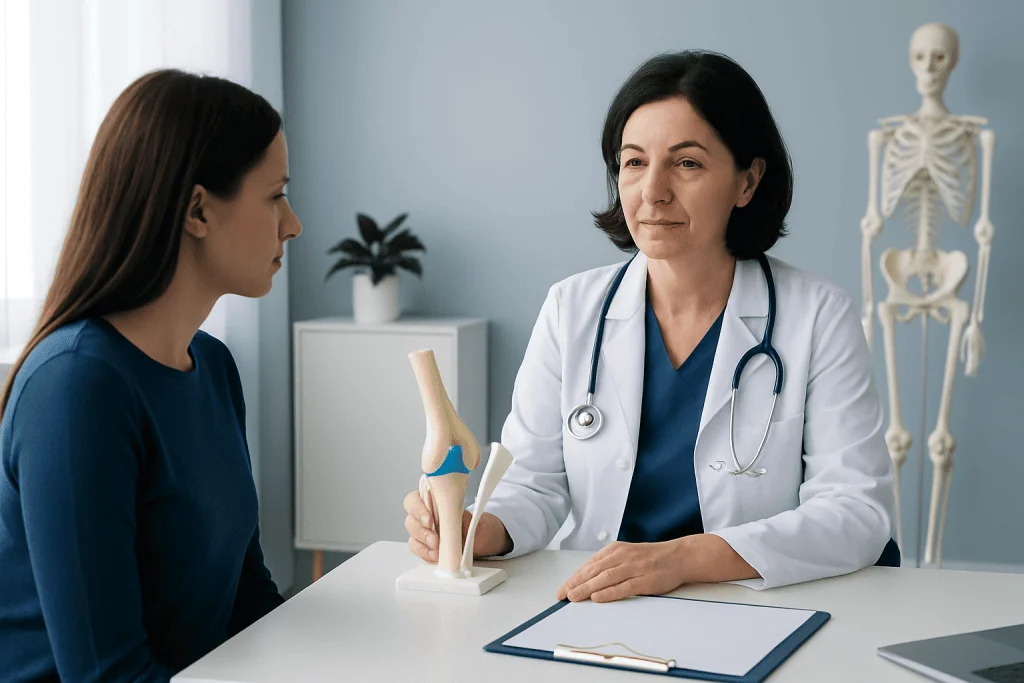
Several everyday factors can reduce the body’s supply of bone-supporting nutrients. Limited exposure to sunlight can lower vitamin D levels, especially in people who spend most of their time indoors or live in areas with less sun. Diets low in dairy or fortified foods may also make it harder to get enough calcium and related nutrients.
Older age, menopause, certain gastrointestinal disorders, kidney disease, and some medicines can affect how nutrients are absorbed or used. People who follow restrictive diets may also be at risk if meals are not carefully planned. Low physical activity can add to the problem because bones respond to regular weight-bearing movement.
Family history, smoking, excess alcohol use, and a personal history of fractures or osteoporosis can increase concern for bone health. For joints, repetitive strain, excess body weight, and inflammatory conditions can increase wear and discomfort, even when vitamin intake is adequate.
Diagnosis
Doctors usually begin with a medical history, symptom review, and physical examination. They may ask about diet, sun exposure, supplements, medications, activity level, and any prior fractures or joint problems. This helps them decide whether the concern is likely to be nutritional or due to another bone or joint condition.
Blood tests may be used to look for vitamin D deficiency or other imbalances when indicated. In some cases, the doctor may also check calcium, phosphate, magnesium, kidney function, and markers of inflammation. If bone loss is a concern, a bone density scan may be recommended.
For joint pain, imaging or additional tests may be needed to look for arthritis, injury, or structural problems. The right test depends on the pattern of symptoms, age, and medical history, so evaluation should be individualized.
Treatment Options
Treatment depends on the underlying issue. If a true deficiency is found, the doctor may recommend dietary changes, a supplement, or both. Vitamin D is often considered first because it supports calcium absorption and bone mineralization, while vitamin C and vitamin K help other parts of bone and connective tissue health.
These nutrients are best obtained through a balanced eating pattern that includes dairy or fortified alternatives, fish, eggs, leafy greens, beans, citrus fruits, berries, nuts, and seeds. In some situations, a doctor may also address calcium intake and recommend other supportive measures such as exercise, medication review, or treatment for osteoporosis or arthritis. For people who need a structured plan for low bone density, a specialist may discuss osteoporosis treatment as part of overall care.
For joint symptoms, the treatment plan may include physical therapy, weight management, activity modification, pain relief strategies, or management of inflammatory disease. If a joint problem is severe or related to injury, a doctor may suggest imaging, injections, or in some cases joint replacement surgery. The goal is to treat the cause of symptoms rather than relying on vitamins alone.
Prevention & Self-care
A bone-friendly lifestyle starts with daily habits. Regular weight-bearing exercise, such as walking, dancing, or resistance training, helps stimulate bone strength and supports the muscles that protect joints. Staying active within safe limits also helps maintain flexibility and balance.
Nutrition matters as much as movement. A diet that includes enough protein, calcium-rich foods, vitamin D sources, and colorful fruits and vegetables supports both bone building and joint tissue repair. For many adults, sensible sun exposure and doctor-guided supplementation may also be helpful if intake is low.
Other practical steps include avoiding smoking, limiting alcohol, wearing supportive footwear, and maintaining a healthy body weight. People with chronic conditions should ask a clinician which supplements are appropriate, because some products can interact with medicines or be unhelpful if taken unnecessarily.
When to See a Doctor
Medical advice is important if bone pain, joint pain, or stiffness lasts more than a few weeks, keeps returning, or limits daily activities. It is also wise to seek evaluation after a low-impact fracture, frequent falls, or a noticeable loss of height or posture.
People who have digestive disorders, take long-term medications that may affect bone health, or have a history of osteoporosis should discuss prevention with a doctor even if symptoms are mild. The same applies to anyone who is considering supplements but is not sure which ones are appropriate.
Acibadem International’s multidisciplinary specialists and JCI-accredited hospitals diagnose and treat bone and joint conditions for international patients, with care plans tailored to each person’s needs.
Helpful Vitamins and Nutrients at a Glance
Vitamin D is one of the best-known nutrients for bone health because it helps the body absorb calcium and maintain normal bone remodeling. Without enough vitamin D, bones may become weaker over time.
Vitamin C supports collagen formation, which is important for cartilage, tendons, ligaments, and the bone matrix. Vitamin K helps activate proteins involved in bone mineralization, while magnesium supports bone structure and many body enzymes.
It is also useful to think beyond vitamins. Calcium, protein, and overall dietary quality are essential partners. A supplement may fill a gap, but a steady, balanced eating pattern is what supports long-term musculoskeletal health.
Frequently asked questions
What vitamin is best for bones and joints?
Vitamin D is one of the most important vitamins for bone health because it helps the body absorb calcium. Vitamin C, vitamin K, and magnesium also support bone and connective tissue health. For joints, nutrients help most when they are part of a balanced diet and a broader treatment plan.
Can vitamins cure joint pain?
Vitamins do not cure joint pain by themselves. They may help if pain is related to a deficiency, but many joint problems are caused by arthritis, injury, or overuse. A doctor can help identify the real cause and guide treatment.
Should everyone take vitamin D supplements?
Not everyone needs a supplement. Some people get enough vitamin D from sunlight, food, or fortified products, while others need supplementation because of low levels or limited sun exposure. A blood test and medical advice can help determine the right approach.
Is calcium enough for strong bones?
Calcium is important, but it works best with vitamin D and other nutrients. Protein, vitamin K, magnesium, and physical activity also matter. Good bone health usually depends on the overall pattern, not one nutrient alone.
Can I take multiple bone supplements together?
It is possible, but more is not always better. Some supplements can overlap or interact with medicines, and unnecessary high doses may be harmful. A doctor or pharmacist can help choose a safe combination.
What foods are good for bones and joints?
Dairy or fortified alternatives, leafy greens, beans, fish, eggs, citrus fruits, berries, nuts, and seeds are all helpful choices. These foods provide a mix of vitamins, minerals, protein, and healthy fats that support bone and joint health.
References
- National Institutes of Health Office of Dietary Supplements
- World Health Organization
- Mayo Clinic
- National Institute of Arthritis and Musculoskeletal and Skin Diseases
This article is for general information only and is not a substitute for professional medical advice. Please consult a qualified doctor about your individual situation.
Joint and spine care in Turkey — expert assessment & treatment
JCI-accredited · board-certified surgeons · reply within 24h
Add us as a Preferred Source to see more of our trusted health content across Google Search, AI Overviews and Discover.

More from the Health Library



Related Specialists

Dr. Şeyma Cüneydi
Pediatrics
Prof. Dr. Hülya Hamzaoğlu
Gastroenterology
Assoc. Prof. Dr. Ebru Sevinç Ok
Nephrology
Dr. Mehmet Can Şahin
Inpatient Clinic Physicians Clinical Service