What Is the Digestive System? Organs, Function, and How Digestion Works

The digestive system includes the mouth, esophagus, stomach, small intestine, large intestine, rectum, and anus, along with the liver, gallbladder, and pancreas. Digestion begins in the mouth and continues through mechanical movement, stomach acid, digestive enzymes, and bile.
Key Takeaways
- The digestive system includes the mouth, esophagus, stomach, small intestine, large intestine, rectum, and anus, along with the liver, gallbladder, and pancreas.
- Digestion begins in the mouth and continues through mechanical movement, stomach acid, digestive enzymes, and bile.
- Most nutrient absorption happens in the small intestine, while the large intestine mainly absorbs water and forms stool.
- Healthy eating, hydration, physical activity, and limiting alcohol and smoking can support digestive health.
- Ongoing symptoms such as trouble swallowing, blood in the stool, persistent pain, or unexplained weight loss should be evaluated by a doctor.
The digestive system is a group of organs that work together to break down food, absorb nutrients and water, and remove waste. Understanding how digestion works can help people recognize normal body processes, support gut health, and know when symptoms may need medical attention.
Overview of the Digestive System
The digestive system is the body’s food-processing network. Its job is to take in food and drink, break them into smaller parts, absorb nutrients and water, and remove what the body does not need. This process supplies energy, supports growth and repair, and helps many organs function normally.
Although digestion may seem simple, it depends on the coordinated work of several organs. Some form the digestive tract itself, also called the gastrointestinal tract, while others help by producing enzymes, bile, or hormones. Muscles, nerves, and blood vessels also play important roles in moving food along and carrying absorbed nutrients to the rest of the body.
The main digestive tract includes the mouth, throat, esophagus, stomach, small intestine, large intestine, rectum, and anus. Supporting organs include the salivary glands, liver, gallbladder, and pancreas. Each part has a specific task, and digestion works best when these parts act together in a balanced way.
Which Organs Make Up the Digestive System?
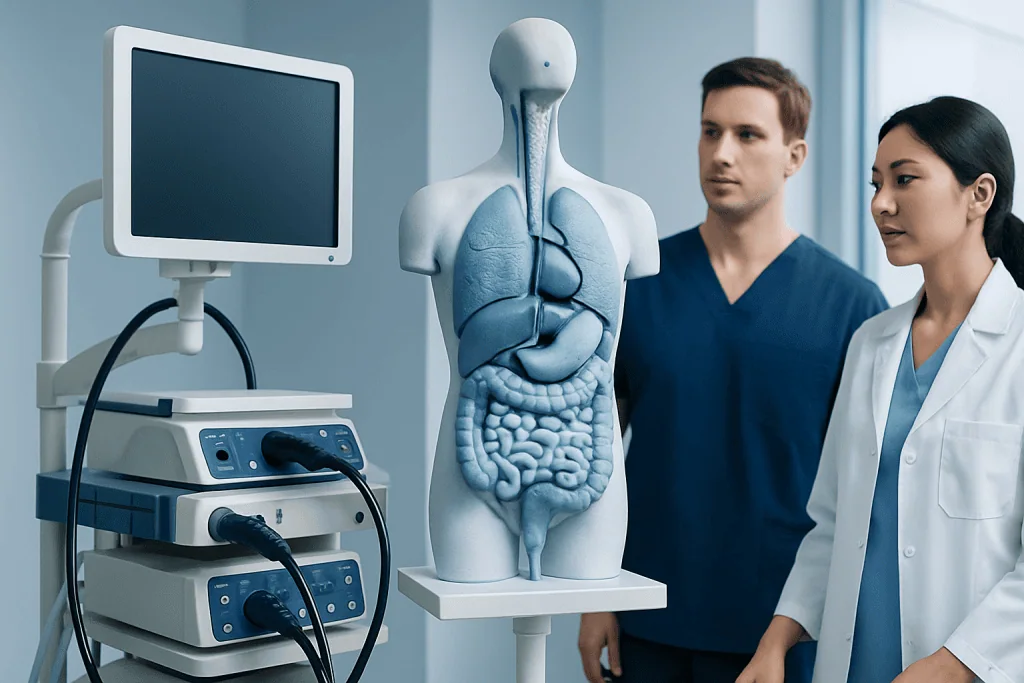
The digestive tract begins at the mouth and ends at the anus. Food first enters the mouth, where chewing breaks it into smaller pieces and saliva starts chemical digestion. It then travels down the esophagus, a muscular tube that moves food into the stomach through wave-like contractions called peristalsis.
The stomach stores food for a short time and mixes it with acid and digestive juices. From there, partially digested food passes into the small intestine, which has three sections: the duodenum, jejunum, and ileum. This is where most digestion and nutrient absorption take place. The large intestine, or colon, then absorbs water and salts, helping form stool before waste moves to the rectum and exits through the anus.
Several organs support this process without food passing directly through them. The liver produces bile, which helps digest fats. The gallbladder stores and releases bile into the small intestine. The pancreas makes digestive enzymes and bicarbonate to help break down carbohydrates, proteins, and fats while neutralizing stomach acid.
- Mouth and salivary glands: start chewing and starch digestion
- Esophagus: moves food to the stomach
- Stomach: mixes food with acid and enzymes
- Small intestine: completes most digestion and absorbs nutrients
- Large intestine: absorbs water and forms stool
- Liver, gallbladder, pancreas: provide bile, enzymes, and chemical support
How Digestion Works Step by Step

Digestion starts even before the first bite, when the sight and smell of food can trigger saliva production. In the mouth, teeth break food into smaller pieces while the tongue helps move it for swallowing. Saliva moistens food and contains enzymes that begin digesting carbohydrates.
After swallowing, food travels through the esophagus into the stomach. There, stomach muscles churn it with acid and enzymes, creating a semi-liquid mixture called chyme. Stomach acid helps break down food, especially proteins, and also helps control many germs that may enter with meals.
Next, chyme enters the small intestine. The pancreas releases enzymes to digest fats, proteins, and carbohydrates, while the liver’s bile, stored in the gallbladder, helps the body handle fats. The lining of the small intestine contains tiny finger-like projections called villi, which greatly increase the surface area for nutrient absorption into the bloodstream and lymphatic system.
What remains then moves into the large intestine. Helpful gut bacteria act on some undigested material and contribute to normal digestive balance. The colon absorbs much of the remaining water, turning waste into stool. Finally, stool is stored in the rectum until it leaves the body through a bowel movement.
What the Digestive System Does for the Body
The digestive system does more than simply process meals. Its most important function is to supply the body with nutrients needed for energy, immunity, tissue repair, hormone production, and healthy organ function. Carbohydrates are broken down into sugars for energy, proteins into amino acids for building and repair, and fats into fatty acids used for energy storage, cell membranes, and other essential tasks.
The digestive system also absorbs vitamins, minerals, and water. Iron, calcium, vitamin B12, folate, and fat-soluble vitamins are especially important examples of nutrients that depend on healthy digestion and absorption. If absorption is impaired, a person may develop fatigue, weight changes, anemia, weakness, or other signs of deficiency.
Another major role is waste removal. The body must eliminate material it cannot digest, as well as some byproducts processed through the liver and intestines. In addition, the digestive tract supports immune function, since a large part of the body’s immune activity is linked to the gut lining and the microbes that normally live there.
Because digestion is closely tied to overall health, symptoms such as ongoing bloating, reflux, constipation, diarrhea, or abdominal pain may sometimes reflect a digestive disorder. Examples include gastroesophageal reflux disease, gastritis, or irritable bowel syndrome, although many symptoms can also have less serious causes. A healthcare professional can help determine the reason.
Common Digestive Symptoms and Possible Problems
Many digestive symptoms are common from time to time. These can include heartburn, nausea, gas, bloating, constipation, diarrhea, or mild stomach discomfort after eating. Occasional symptoms may be related to diet, stress, infection, medication side effects, or temporary changes in bowel habits.
Sometimes, however, symptoms can suggest a more significant problem. Trouble swallowing, persistent vomiting, severe or recurring abdominal pain, black stools, visible blood in the stool, jaundice, unexplained weight loss, or a lasting change in bowel habits should not be ignored. These may point to conditions affecting the esophagus, stomach, intestines, liver, gallbladder, or pancreas.
Digestive disorders can range from functional conditions to inflammation, infection, ulcers, gallstones, liver disease, food intolerance, or growths such as polyps. Evaluation depends on the person’s age, symptoms, medical history, and physical examination. Early assessment often helps clarify whether symptoms are due to a minor issue or a condition that needs treatment.
How Doctors Assess the Digestive System
A doctor usually begins with a detailed medical history and physical examination. Questions often focus on the type of symptoms, when they happen, what makes them better or worse, eating habits, bowel movements, current medications, and any family history of digestive conditions. This first step is important because many digestive symptoms can have overlapping causes.
Tests may be recommended depending on the suspected problem. Blood tests can check for anemia, inflammation, infection, liver function, pancreatic markers, or nutritional deficiencies. Stool tests may help identify bleeding, infection, or inflammatory changes. Imaging studies such as ultrasound, CT, or MRI can evaluate organs like the liver, gallbladder, and pancreas.
Endoscopic procedures allow doctors to look directly inside parts of the digestive tract. For example, endoscopy may be used to examine the esophagus, stomach, and upper small intestine, while colonoscopy helps assess the large intestine and rectum. If liver or biliary disease is suspected, tests may be combined with specialist care in gastroenterology to guide diagnosis and treatment planning.
How to Support Digestive Health
Everyday habits can make a meaningful difference to digestive comfort and long-term digestive health. A balanced eating pattern that includes vegetables, fruits, whole grains, legumes, and other fiber-rich foods can support normal bowel movements and the gut microbiome. Drinking enough water also helps the digestive tract work smoothly, especially when fiber intake increases.
Regular physical activity can encourage healthy bowel function and may help reduce bloating or constipation in some people. Eating at a steady pace, chewing food thoroughly, and avoiding very large meals may also reduce discomfort. Some people benefit from limiting foods that clearly trigger symptoms, such as very spicy meals, excess fat, alcohol, or heavily processed foods.
It can also help to avoid smoking and to use medications thoughtfully, especially pain relievers that may irritate the stomach in some individuals. Stress management matters too, because the digestive system and nervous system are closely connected. Sleep, movement, and relaxation techniques can all support digestive well-being.
For people living with recurring symptoms or a diagnosed digestive condition, a personalized plan from a qualified doctor or dietitian is often the safest approach. Near the end of the care pathway, some patients may seek specialist evaluation; Acibadem International’s multidisciplinary specialists and JCI-accredited hospitals diagnose and treat digestive conditions for international patients.
When to See a Doctor
Many digestive complaints improve with time, hydration, and simple changes in diet or routine. However, it is wise to seek medical advice if symptoms are persistent, frequently return, or interfere with eating, sleep, work, or daily activities. A clear diagnosis can prevent unnecessary worry and help guide appropriate treatment.
Urgent medical attention may be needed for severe abdominal pain, chest pain with swallowing symptoms, repeated vomiting, dehydration, black or bloody stools, vomiting blood, fainting, or signs of jaundice such as yellowing of the skin or eyes. These symptoms do not always mean a serious illness, but they should be assessed promptly.
Routine screening may also be recommended even when a person feels well, especially for colorectal health based on age, family history, and other risk factors. A doctor can explain which tests are appropriate and how often they should be repeated. Seeking timely care supports both digestive comfort and overall health.
Frequently asked questions
What is the main function of the digestive system?
The main function of the digestive system is to break down food and drink into nutrients the body can absorb and use. It also absorbs water and removes waste products through bowel movements.
Which organ does digestion start in?
Digestion starts in the mouth. Chewing breaks food into smaller pieces, and saliva begins the chemical digestion of carbohydrates before food is swallowed.
Where are most nutrients absorbed?
Most nutrients are absorbed in the small intestine. Its inner lining has a large surface area that helps transfer vitamins, minerals, fats, proteins, and carbohydrates into the body.
What do the liver, gallbladder, and pancreas do in digestion?
The liver makes bile, which helps digest fats. The gallbladder stores and releases bile, while the pancreas produces enzymes and bicarbonate to help digest food and neutralize stomach acid.
Can stress affect the digestive system?
Yes, stress can affect digestion in many people. It may contribute to symptoms such as nausea, bloating, abdominal discomfort, diarrhea, or constipation because the gut and nervous system are closely connected.
What are warning signs of a digestive problem?
Warning signs include trouble swallowing, persistent vomiting, blood in the stool, black stools, unexplained weight loss, jaundice, and severe or ongoing abdominal pain. These symptoms should be discussed with a doctor promptly.
References
- National Institute of Diabetes and Digestive and Kidney Diseases
- Mayo Clinic
- National Health Service
- American College of Gastroenterology
- MedlinePlus
This article is for general information only and is not a substitute for professional medical advice. Please consult a qualified doctor about your individual situation.
Persistent digestive symptoms? Get evaluated in Turkey
JCI-accredited · board-certified surgeons · reply within 24h
Add us as a Preferred Source to see more of our trusted health content across Google Search, AI Overviews and Discover.