How Endocrine Blood Tests Work: TSH, T3, T4, and Hormone Panels

TSH, T3, and T4 are key blood tests used to assess thyroid function. Hormone panels may evaluate several glands, including the thyroid, pituitary, adrenal glands, and reproductive organs.
Key Takeaways
- TSH, T3, and T4 are key blood tests used to assess thyroid function.
- Hormone panels may evaluate several glands, including the thyroid, pituitary, adrenal glands, and reproductive organs.
- Results are interpreted together with symptoms, medical history, medicines, and sometimes imaging or repeat testing.
- Abnormal hormone levels do not always mean disease, because timing, stress, illness, and medications can affect results.
- A doctor may use endocrine blood tests both to diagnose a condition and to monitor ongoing treatment.
Endocrine blood tests check hormone levels in the blood to help doctors understand how glands such as the thyroid, pituitary, adrenal glands, and pancreas are working. Tests such as TSH, T3, T4, and broader hormone panels are commonly used to diagnose conditions, monitor treatment, and explain symptoms.
Overview of endocrine blood tests
Endocrine blood tests are laboratory tests that measure hormones or related markers in the blood. The endocrine system includes glands such as the thyroid, pituitary, adrenal glands, pancreas, ovaries, and testes. These glands release hormones that help regulate metabolism, growth, energy, body temperature, reproduction, mood, bone health, and blood sugar.
Doctors order endocrine blood tests when a person has symptoms that may be linked to a hormone imbalance, such as fatigue, weight changes, hair thinning, menstrual changes, palpitations, heat or cold intolerance, or changes in blood sugar. These tests can also be used during routine follow-up to see whether treatment is working as expected.
Among the most common endocrine tests are thyroid function tests. These usually include thyroid-stimulating hormone (TSH) and may also include free T4 and free T3. Depending on the symptoms and the suspected condition, a doctor may request a broader hormone panel to check pituitary, adrenal, reproductive, or metabolic hormones.
How TSH, T3, and T4 work
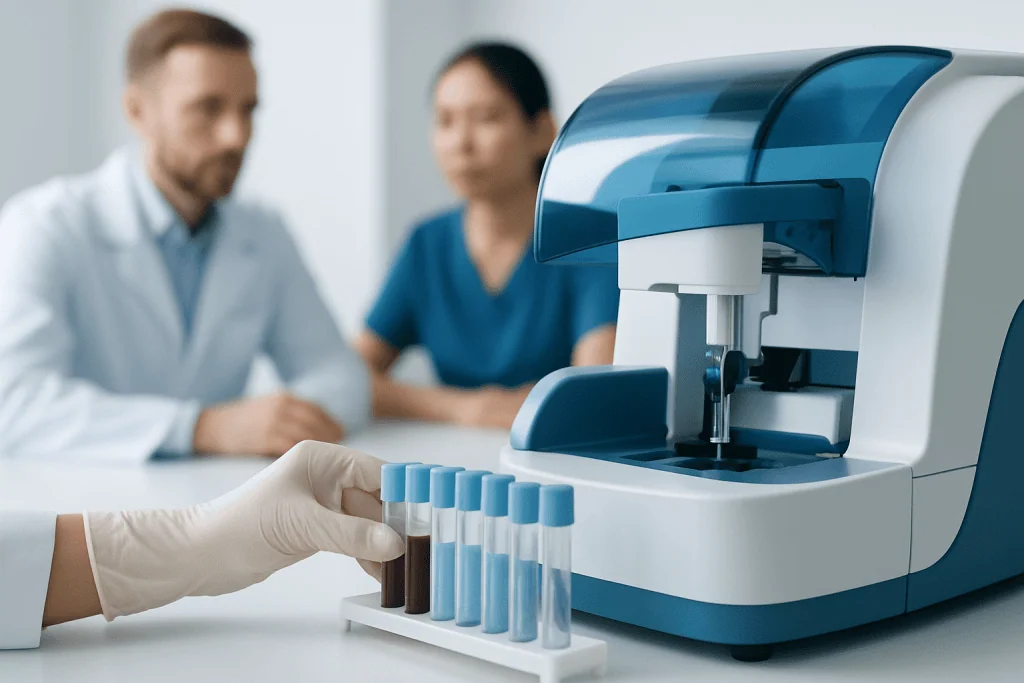
TSH, T3, and T4 are central to understanding thyroid health. TSH is made by the pituitary gland, a small gland at the base of the brain. It signals the thyroid gland to produce thyroid hormones. T4, or thyroxine, is the main hormone produced by the thyroid, while T3, or triiodothyronine, is the more active form that affects how the body’s cells use energy.
These hormones work together through a feedback system. When thyroid hormone levels are low, the pituitary usually releases more TSH to stimulate the thyroid. When thyroid hormone levels are high, TSH often falls. Because of this relationship, TSH is often the first test used to screen for many thyroid disorders.
Doctors often measure free T4, and sometimes free T3, because the “free” hormone is the part not bound to proteins and is available for the body to use. Looking at TSH alone may not always give the full picture, especially if there is suspected pituitary disease, pregnancy-related changes, severe illness, or unusual thyroid conditions.
For example, a high TSH with a low free T4 often suggests an underactive thyroid, while a low TSH with a high free T4 or T3 may suggest an overactive thyroid. However, results are not interpreted in isolation. Symptoms, previous test results, medications, and any known thyroid conditions such as goiter or thyroid nodules are also important.
What hormone panels can include

A hormone panel is a group of blood tests selected to answer a specific clinical question. There is no single panel that suits every person. The exact tests depend on age, sex, symptoms, medical history, and which gland the doctor wants to assess.
Thyroid panels may include TSH, free T4, free T3, and thyroid antibodies if an autoimmune thyroid problem is suspected. In some cases, tests such as calcitonin or thyroglobulin are used in more specialized situations. If inflammation of the thyroid is a concern, tests may be interpreted alongside clinical findings seen in conditions such as subacute thyroiditis.
Other endocrine panels may include:
- Pituitary hormones: prolactin, ACTH, growth hormone-related tests, LH, FSH
- Adrenal hormones: cortisol, aldosterone, renin, DHEA-S
- Reproductive hormones: estrogen, progesterone, testosterone
- Metabolic markers: insulin, glucose, HbA1c, C-peptide
- Mineral and bone-related tests: calcium, parathyroid hormone, vitamin D
Broader testing can help when symptoms are unclear or involve more than one body system. For example, unexplained tiredness, menstrual irregularities, low libido, or altered blood sugar may lead to testing for pituitary or reproductive hormones, including evaluation for disorders such as hyperprolactinemia.
Why a doctor may order these tests
Endocrine blood tests are ordered for many reasons. They may help explain symptoms, confirm or rule out a suspected diagnosis, assess the severity of a hormone imbalance, or monitor a known condition over time. In many cases, one abnormal result leads to more targeted testing rather than an immediate diagnosis.
Common reasons for thyroid testing include fatigue, unexplained weight gain or weight loss, a fast or slow heartbeat, dry skin, constipation, tremor, hair loss, anxiety, depression, neck swelling, or sensitivity to heat or cold. Testing may also be done during pregnancy, before certain treatments, or when a person has a family history of thyroid disease.
Doctors may also request hormone tests for symptoms such as delayed puberty, infertility, erectile dysfunction, irregular periods, milk discharge from the breast outside pregnancy, low sodium, repeated kidney stones, or changes in blood pressure. Sometimes endocrine causes are considered when symptoms overlap with more common problems such as stress, poor sleep, or nutritional deficiency.
Monitoring is another important use. Once treatment has started, repeat blood tests help show whether hormone levels are returning toward the target range. This is especially important in conditions treated with long-term medication, as well as in people whose hormone levels can change over time.
How to prepare and what can affect results
Many endocrine blood tests are simple and quick, but preparation can matter. Some tests should be taken at a certain time of day because hormone levels naturally rise and fall. Cortisol, for example, often follows a morning-to-evening rhythm. Reproductive hormone testing may also depend on the menstrual cycle. Thyroid tests usually do not require fasting, but specific instructions can vary.
Medications, supplements, and recent illness can affect results. Thyroid medicines, steroids, biotin-containing supplements, some heart medicines, hormonal contraception, and certain fertility treatments may influence hormone measurements. It is helpful for patients to tell the doctor about all prescription drugs, over-the-counter products, vitamins, and herbal supplements before testing.
Stress, poor sleep, heavy exercise, pregnancy, and acute medical illness can also temporarily change hormone levels. For this reason, a doctor may repeat a test if a result does not fit the symptoms or appears borderline. In some situations, results need to be confirmed with another blood test or a different type of test.
The blood sample is usually taken from a vein in the arm. Most people can return to normal activities right afterward. Mild bruising at the needle site may occur, but serious problems are uncommon.
How doctors interpret the results
Interpreting endocrine blood tests is not only about whether a number is above or below the laboratory range. Doctors look at the pattern of results, the person’s symptoms, age, sex, pregnancy status, medicines, and other health conditions. Different labs may use slightly different reference ranges, so results are best reviewed in context.
For thyroid testing, the combination of TSH and free T4 is especially useful. A high TSH and low free T4 commonly point to primary hypothyroidism, meaning the thyroid itself is underactive. A low TSH with high thyroid hormones may suggest hyperthyroidism. If the pituitary gland is involved, TSH may not rise or fall in the expected way, which is why broader interpretation is important.
Sometimes results are only mildly abnormal. In these situations, a doctor may recommend repeating the test after some time, especially if symptoms are mild or there may be a temporary cause. Additional tests may include thyroid antibodies, ultrasound, or imaging of another gland if needed.
Blood tests are only one part of diagnosis. Depending on the findings, a person may also need an ultrasound of the neck, dynamic hormone testing, or imaging of the pituitary or adrenal glands. If more detailed evaluation is needed, doctors may combine laboratory work with pituitary hormone disorders assessment and structured endocrine follow-up.
Treatment and follow-up after abnormal tests
Treatment depends on the underlying cause, not simply on the blood test result itself. If thyroid hormone levels suggest hypothyroidism, treatment may involve thyroid hormone replacement. If tests suggest hyperthyroidism, treatment options may include medicines to reduce thyroid hormone production, and in selected cases further procedures may be considered. When nodules or structural thyroid changes are present, doctors may combine lab results with imaging and targeted evaluation.
Other endocrine abnormalities are managed according to the gland involved. For example, high prolactin, adrenal hormone imbalances, calcium disorders, or sex hormone deficiencies each require a different treatment plan. Doctors may also address factors such as medication side effects, nutritional status, or related conditions affecting blood sugar and metabolism.
Follow-up is often essential because hormone levels can change gradually. A repeat blood test may be scheduled weeks or months later to assess response to treatment or to confirm whether an earlier abnormality persists. This step-by-step approach helps avoid unnecessary treatment and supports safer, more precise care.
In some cases, specialist treatment is needed. Evaluation may include a detailed endocrine consultation, imaging, or procedure-based care. Near the end of the care pathway, some international patients choose centers such as Acibadem International, where multidisciplinary specialists in JCI-accredited hospitals diagnose and treat endocrine conditions with coordinated follow-up.
When to seek medical advice
It is sensible to seek medical advice if symptoms suggest a possible hormone imbalance or if previous blood tests have been abnormal. Persistent fatigue, major weight change, ongoing menstrual irregularities, unexplained rapid heartbeat, neck swelling, worsening tremor, or repeated episodes of low or high blood sugar all deserve proper assessment.
People already taking hormone-related medication should also speak with a doctor if symptoms change or if they miss doses frequently. Treatment usually works best when blood tests are reviewed regularly and medicine is adjusted carefully rather than changed without guidance.
Urgent care may be needed if there are severe symptoms such as chest pain, fainting, severe shortness of breath, confusion, or sudden worsening of a known endocrine disorder. While these situations are less common, prompt evaluation is important. For non-urgent questions, an endocrinologist or primary care doctor can explain which tests are appropriate and what the results mean.
Frequently asked questions
What is the difference between TSH, T3, and T4?
TSH is a hormone made by the pituitary gland that tells the thyroid how hard to work. T4 is the main hormone produced by the thyroid, and T3 is the more active hormone that affects how the body uses energy. Doctors often interpret these tests together rather than relying on one result alone.
Do abnormal thyroid blood tests always mean thyroid disease?
No. Some abnormal results are temporary and can be affected by illness, stress, pregnancy, supplements, or certain medications. A doctor may repeat the tests or order additional testing before making a diagnosis.
Do endocrine blood tests require fasting?
Many thyroid tests do not require fasting, but some other hormone or metabolic tests may. Preparation can also depend on the time of day or the menstrual cycle. It is best to follow the instructions given by the doctor or laboratory.
Why might a doctor repeat a hormone blood test?
Hormone levels can vary over time, and a single result may not reflect the usual pattern. Repeat testing helps confirm whether an abnormality is persistent, improving the accuracy of diagnosis and treatment decisions.
Can medications and supplements affect endocrine test results?
Yes. Medicines such as steroids, thyroid treatments, hormones, and some heart medications can affect results. Supplements containing biotin are also known to interfere with certain lab tests, so patients should inform their doctor about everything they take.
What happens if my TSH is high?
A high TSH can suggest that the thyroid is underactive, especially if free T4 is low. However, the meaning depends on the full test pattern, symptoms, and medical history. A doctor may recommend repeat testing, antibody tests, or treatment if appropriate.
This article is for general information only and is not a substitute for professional medical advice. Please consult a qualified doctor about your individual situation.
Explore treatments in Turkey — costs, top hospitals & a free quote
JCI-accredited · board-certified surgeons · reply within 24h
Add us as a Preferred Source to see more of our trusted health content across Google Search, AI Overviews and Discover.

Related Conditions
More from the Health Library

Diabetes Doctor vs Endocrinologist: Which Specialist Should You See?

Multiple Endocrine Neoplasia: When Inherited Hormone Tumors Run in Families

What Is an Endocrinologist? When to See a Hormone Specialist

Endocrinology Tests: Blood Work, Hormone Panels, and What Results Mean

Hypoglycemia: Low Blood Sugar Symptoms and Safe Treatment