

Multiple Endocrine Neoplasia: When Inherited Hormone Tumors Run in Families

Multiple endocrine neoplasia, or MEN, is usually caused by an inherited gene change passed through families. The main types are MEN1 and MEN2, and each tends to affect different endocrine glands.
Key Takeaways
- Multiple endocrine neoplasia, or MEN, is usually caused by an inherited gene change passed through families.
- The main types are MEN1 and MEN2, and each tends to affect different endocrine glands.
- Symptoms vary widely and often relate to excess hormone production or growth of tumors.
- Genetic testing and lifelong screening are central parts of diagnosis and care.
- Treatment may include surgery, medicines, and close monitoring by endocrinology and other specialists.
Multiple endocrine neoplasia is a group of inherited conditions that increase the risk of developing tumors in more than one hormone-producing gland. Early diagnosis, genetic counseling, and regular follow-up can help detect problems sooner and guide treatment.
Overview
Multiple endocrine neoplasia is a rare group of inherited disorders in which tumors develop in two or more endocrine glands. Endocrine glands make hormones, which help control many body functions including growth, metabolism, calcium balance, blood pressure, and reproduction. In MEN, tumors may be benign or cancerous, and some cause the body to produce too much hormone.
The two main forms are MEN1 and MEN2. MEN1 most often involves the parathyroid glands, pancreas, and pituitary gland. MEN2 is divided into MEN2A and MEN2B, and it is strongly linked with medullary thyroid cancer, pheochromocytoma, and in some people parathyroid disease. These patterns help doctors decide which tests and follow-up are most useful.
Because MEN runs in families, diagnosis affects not only one person but sometimes several relatives. A family history of endocrine tumors, repeated hormone problems, or cancer at a younger age may be an important clue. With careful screening and coordinated care, many people can manage the condition well and lower the risk of complications.
Symptoms
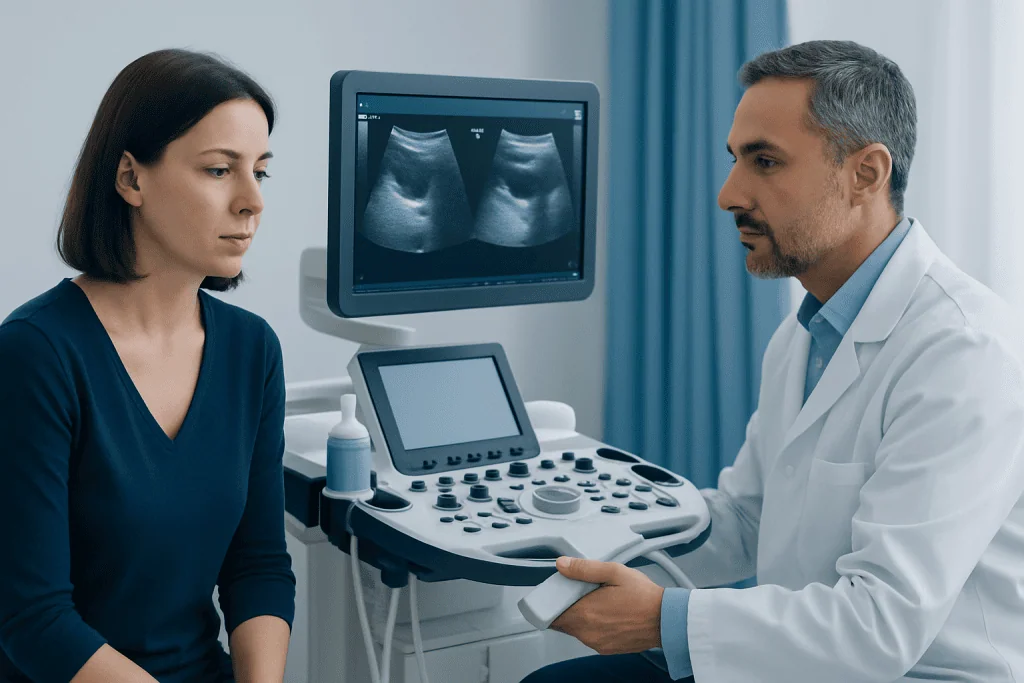
Symptoms of multiple endocrine neoplasia can be very different from one person to another. Some people have no symptoms at first, and a tumor is found during screening because of a known family history. Others develop symptoms caused by hormones being made in excess or by a tumor pressing on nearby structures.
In MEN1, overactive parathyroid glands are common and may lead to high calcium levels. This can cause tiredness, constipation, increased thirst, kidney stones, bone discomfort, or mood changes. In some cases, doctors may first detect high calcium levels on blood tests before the underlying syndrome is recognized.
Pancreatic or gastrointestinal neuroendocrine tumors in MEN1 may cause abdominal pain, ulcers, diarrhea, low blood sugar episodes, or unexplained weight changes, depending on the hormone involved. Pituitary tumors may lead to headaches, vision changes, menstrual irregularities, unwanted breast milk production, or fertility problems. Related hormone conditions such as high prolactin levels or pituitary hormone deficiency may sometimes be part of the clinical picture.
In MEN2, symptoms can include a thyroid nodule, neck swelling, hoarseness, diarrhea, episodes of pounding heartbeat, sweating, headaches, or high blood pressure. Medullary thyroid cancer may be discovered through screening before symptoms appear. Some people may notice findings similar to thyroid nodules, but the cause and treatment approach can be very different in hereditary syndromes.
Causes and Risk Factors

The main cause of multiple endocrine neoplasia is an inherited gene mutation. MEN1 is linked to changes in the MEN1 gene, while MEN2 is linked to changes in the RET gene. These mutations can be passed from a parent to a child. A person who inherits one of these mutations has a significantly increased chance of developing certain endocrine tumors over their lifetime.
MEN is usually inherited in an autosomal dominant pattern. This means a child may inherit the altered gene from just one affected parent. However, some people are the first in their family to have the mutation because it started as a new genetic change. Even then, they can pass it on to their children.
The strongest risk factor is family history. A close relative with MEN, medullary thyroid cancer, pheochromocytoma, hyperparathyroidism, pituitary tumors, or pancreatic neuroendocrine tumors may raise suspicion. Age also matters because some tumors tend to appear earlier in life, which is why screening may begin in childhood or young adulthood for certain inherited mutations.
It is important to understand that lifestyle factors do not cause MEN. Diet, stress, or everyday habits do not create the inherited mutation. Even so, healthy routines still matter because they support general well-being and may help people cope better with treatment and long-term monitoring.
Diagnosis
Diagnosis begins with a detailed medical and family history. Doctors ask about endocrine tumors, kidney stones, thyroid cancer, unexplained ulcers, repeated hormone abnormalities, or relatives with similar conditions. A physical examination may focus on the neck, blood pressure, signs of hormone excess, and symptoms related to calcium, pituitary, or adrenal disorders.
Blood and urine tests are used to look for hormone changes and biochemical clues. These may include calcium and parathyroid hormone levels, pituitary hormones, markers for medullary thyroid cancer, adrenal hormone tests, and tests that suggest pancreatic neuroendocrine tumors. The exact test list depends on the suspected MEN type and the person’s age and symptoms.
Imaging tests help identify affected glands and define the size and location of tumors. These can include ultrasound, MRI, CT, nuclear medicine studies, or specialized scans for neuroendocrine tumors. When thyroid involvement is suspected, doctors may combine laboratory assessment with imaging and, if needed, targeted procedures or surgery planning.
Genetic testing is a key part of diagnosis. If a MEN1 or RET mutation is found, relatives may also be offered counseling and testing. This process helps identify family members who need surveillance and reassures those who do not carry the mutation. Because MEN care is often complex, people may benefit from a team that includes endocrinologists, genetic specialists, surgeons, radiologists, and oncologists.
Treatment Options
Treatment for multiple endocrine neoplasia depends on the type of MEN, the organs involved, whether a tumor is benign or cancerous, and whether it is producing hormones. Management is individualized. In many cases, care includes a combination of regular monitoring, medication, and surgery at the right time.
For MEN1, overactive parathyroid glands are often treated surgically when calcium-related disease becomes significant. Pancreatic and gastrointestinal neuroendocrine tumors may be monitored, treated with medication, or removed depending on their size, growth, hormone activity, and cancer risk. Pituitary tumors may be treated with medicines, surgery, or less commonly radiation therapy, depending on the tumor type.
For MEN2, the thyroid often requires especially close attention because of the risk of medullary thyroid cancer. Depending on the RET mutation and clinical findings, doctors may recommend timely thyroid cancer treatment or preventive thyroid surgery. Pheochromocytoma usually needs careful preparation with medication before adrenal surgery to improve safety and control blood pressure.
Some patients may need treatment for neuroendocrine tumors if pancreatic or related tumors are present. Ongoing hormone replacement may also be necessary if surgery reduces normal gland function. Near the end of the care pathway, some people seek coordinated international support; Acibadem International’s multidisciplinary specialists in JCI-accredited hospitals diagnose and treat complex endocrine conditions for international patients.
Prevention and Self-care
There is no way to prevent the inherited gene mutation that causes multiple endocrine neoplasia. However, complications can often be reduced through early detection and lifelong surveillance. For people known to carry a MEN-related mutation, following the recommended testing schedule is one of the most important forms of self-care.
Genetic counseling can help individuals and families understand inheritance, testing options, and what the results may mean for children, siblings, and parents. This information supports informed decisions and may reduce uncertainty. Keeping a clear family medical record is also helpful, especially when relatives are treated at different hospitals.
Everyday self-care includes attending appointments, reporting new symptoms promptly, taking medicines exactly as prescribed, and asking for support with stress or practical concerns. People with endocrine disorders may live with repeated tests and procedures, so emotional support from family, counseling, or patient groups can be valuable.
General healthy habits remain important even though they do not remove the genetic risk. These include balanced nutrition, regular physical activity as tolerated, not smoking, moderating alcohol intake, and maintaining good sleep. If calcium, blood pressure, or blood sugar problems are present, the medical team may advise more specific lifestyle measures.
When to See a Doctor
A person should speak with a doctor if they have a strong family history of endocrine tumors or hereditary thyroid cancer, especially if several relatives are affected or diagnosis happened at a younger age. Medical advice is also important for symptoms such as persistent high blood pressure, pounding heartbeat episodes, headaches with sweating, unexplained ulcers, repeated kidney stones, high calcium levels, or a new neck lump.
Urgent assessment may be needed for severe high blood pressure, sudden intense headache, chest pain, fainting, serious low blood sugar symptoms, or signs of rapidly worsening illness. While these symptoms do not always mean MEN, they should not be ignored. Prompt evaluation helps rule out emergencies and start appropriate treatment if needed.
Even without symptoms, relatives of a person diagnosed with MEN may benefit from genetic counseling and screening. In inherited conditions, absence of symptoms does not always mean absence of risk. Regular specialist follow-up can detect hormone changes or tumors before they cause major problems.
People already diagnosed with MEN should contact their care team if they notice new symptoms, medication side effects, changes in blood pressure, worsening headaches, vision changes, or unexplained weight loss. Ongoing communication is an important part of safe long-term care.
Frequently asked questions
What is multiple endocrine neoplasia?
Multiple endocrine neoplasia is an inherited group of disorders that increases the risk of tumors in several hormone-producing glands. The main types are MEN1 and MEN2, and each tends to affect a different pattern of organs.
Is multiple endocrine neoplasia cancer?
MEN itself is not a single cancer. It is a genetic syndrome that raises the chance of developing certain benign tumors and certain cancers, depending on the glands involved. This is why regular screening is so important.
How is MEN passed through families?
MEN is usually inherited in an autosomal dominant pattern, meaning a parent with the gene change can pass it to a child. Genetic counseling helps families understand who may need testing and follow-up.
What are the most common glands affected in MEN?
In MEN1, the parathyroid glands, pancreas, and pituitary gland are commonly involved. In MEN2, the thyroid gland and adrenal glands are especially important, and some people also develop parathyroid disease.
Can multiple endocrine neoplasia be cured?
The inherited genetic tendency cannot be removed, so MEN requires long-term follow-up. However, many of the tumors and hormone problems linked to MEN can be treated effectively with surgery, medicines, or careful monitoring.
Should family members be tested if one person has MEN?
Often, yes. If a disease-causing mutation is identified in one family member, close relatives may be offered genetic counseling and testing. This can help find who needs screening and who does not.
References
- National Institute of Diabetes and Digestive and Kidney Diseases
- National Cancer Institute
- American Thyroid Association
- Endocrine Society
- National Organization for Rare Disorders
This article is for general information only and is not a substitute for professional medical advice. Please consult a qualified doctor about your individual situation.
Medical weight-loss options in Turkey — costs & eligibility
JCI-accredited · board-certified surgeons · reply within 24h
Add us as a Preferred Source to see more of our trusted health content across Google Search, AI Overviews and Discover.
Check your numbers in seconds
BMI, calories, due date, blood pressure and 30+ more clinical calculators — free, instant, doctor-reviewed ranges.

Related Conditions
More from the Health Library



Related Specialists
Prof. Dr. Neslihan Kurtulmuş
Endocrinology
Prof. Dr. İnan Anaforoğlu
Endocrinology
Assoc. Prof. Dr. Ayşenur Özderya
Endocrinology
Assoc. Prof. Dr. Müjdat Kara
Endocrinology