

Uterine Polyp Removal: When It Is Recommended and What Recovery Looks Like

Uterine polyps are growths in the lining of the uterus that can cause irregular bleeding or no symptoms at all. Removal is often recommended for bothersome bleeding, infertility concerns, recurrent miscarriage, or when a polyp appears suspicious.
Key Takeaways
- Uterine polyps are growths in the lining of the uterus that can cause irregular bleeding or no symptoms at all.
- Removal is often recommended for bothersome bleeding, infertility concerns, recurrent miscarriage, or when a polyp appears suspicious.
- Hysteroscopic polypectomy is the usual treatment because it allows the doctor to see and remove the polyp directly.
- Most people have mild cramping and light bleeding for a few days after the procedure and recover quickly.
- Any tissue removed is usually sent for laboratory analysis to confirm the diagnosis and check for abnormal changes.
Uterine polyp removal is a common procedure used when polyps cause symptoms, interfere with fertility, or need evaluation to rule out abnormal cells. In many cases, removal is done with hysteroscopy and recovery is relatively quick, with most people returning to normal activities within a short time.
Overview: what uterine polyps are and why removal may be needed
Uterine polyps, also called endometrial polyps, are soft growths that develop from the inner lining of the uterus. They are usually benign, meaning non-cancerous, and they can be small and flat or larger and more rounded. Some people have a single polyp, while others may have more than one.
Not every uterine polyp needs to be removed. Small polyps that are not causing symptoms may sometimes be monitored, especially in people who are not at increased risk for abnormal uterine changes. However, removal is often advised when the polyp causes irregular bleeding, contributes to fertility problems, returns after previous treatment, or has features that need closer evaluation.
Doctors often recommend uterine polyp removal because symptoms can overlap with other gynecologic conditions, including fibroids or endometriosis. Removing the polyp can both treat symptoms and provide tissue for laboratory testing. This helps confirm whether the growth is benign and guides any further care if needed.
Symptoms that may suggest a uterine polyp
Many uterine polyps do not cause symptoms and are found during an ultrasound or fertility evaluation. When symptoms are present, the most common one is abnormal uterine bleeding. This may include bleeding between periods, heavier than usual menstrual flow, very unpredictable cycles, or bleeding after menopause.
Some people notice spotting after sexual intercourse or bleeding that seems out of pattern for them. Others may experience mild pelvic discomfort, although pain is less common than bleeding. In people trying to conceive, a polyp may be suspected if there is unexplained infertility or repeated early pregnancy loss.
Symptoms can vary depending on the size and location of the polyp. A growth near the opening of the fallopian tubes or within the uterine cavity may interfere more with implantation or pregnancy than one that is very small. Because these symptoms are not specific to polyps, medical evaluation is important rather than self-diagnosis.
- Bleeding between periods
- Heavy or prolonged menstrual bleeding
- Irregular menstrual cycles
- Bleeding after menopause
- Unexplained infertility or recurrent miscarriage
When doctors recommend uterine polyp removal
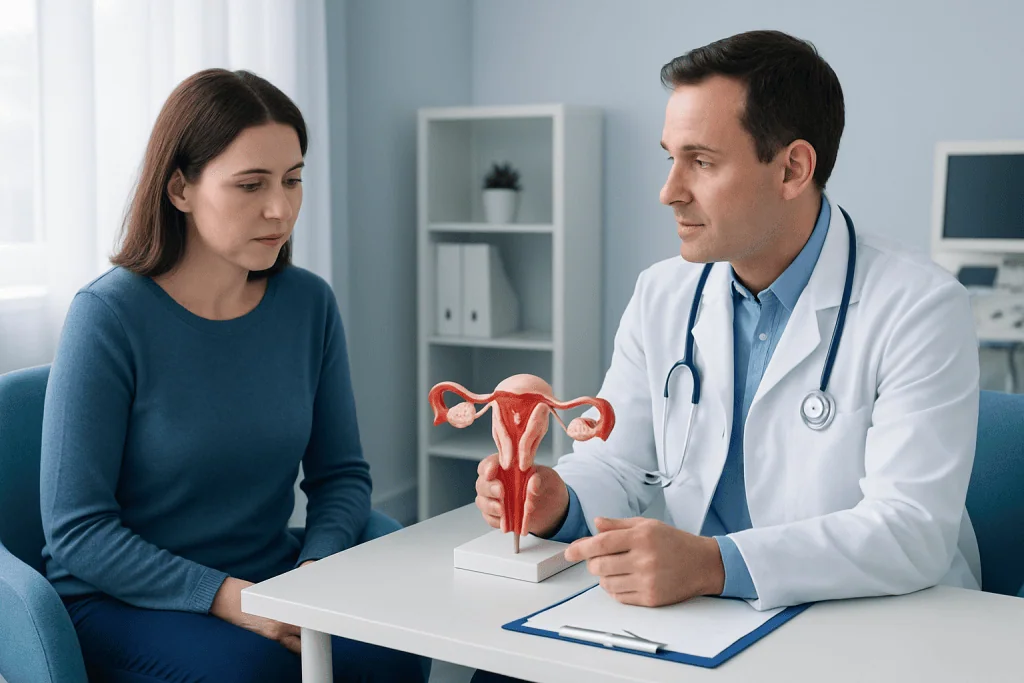
The decision to remove a uterine polyp depends on symptoms, age, reproductive goals, and how the polyp looks on imaging. Removal is commonly recommended when a person has bothersome bleeding or spotting that affects daily life. It is also often advised after menopause, since any abnormal bleeding at that stage deserves careful assessment.
In fertility care, a doctor may suggest removing a polyp if it could be affecting implantation or contributing to repeated pregnancy loss. This can be part of a broader evaluation for reproductive health, sometimes alongside fertility treatment planning when appropriate. Polyps may also be removed before embryo transfer or other gynecologic procedures to improve the uterine environment.
Another important reason for removal is diagnosis. Although most uterine polyps are benign, some can contain precancerous or cancerous changes, especially in people with postmenopausal bleeding or certain risk factors. For that reason, polyps that are large, persistent, recurrent, or suspicious on scan are usually removed and examined under a microscope.
Risk factors that may make removal more likely include obesity, high blood pressure, use of tamoxifen, and being in or after menopause. A doctor considers the full clinical picture before advising treatment. The aim is to balance symptom relief, reassurance, and safety.
How uterine polyps are diagnosed
Diagnosis often begins with a discussion of symptoms and a pelvic examination, followed by imaging. Transvaginal ultrasound is commonly used first because it can show thickening or a focal growth in the uterine lining. Sometimes saline is placed into the uterus during the scan, a method called sonohysterography, to outline the cavity more clearly.
Hysteroscopy is one of the most useful tools for diagnosis because it allows the doctor to look directly inside the uterus with a thin camera. This can confirm whether a suspected growth is truly a polyp and can often allow treatment in the same session. In some cases, a sample of the uterine lining may also be taken to look for abnormal cells.
Doctors may also evaluate other possible causes of bleeding, such as fibroids, hormonal changes, pregnancy-related conditions, or gynecological cancers. The goal is not only to identify a polyp but also to make sure no other condition is being missed. This is especially important when bleeding occurs after menopause or is unusually heavy.
Treatment options and how the procedure is done
The standard treatment for a symptomatic or suspicious uterine polyp is hysteroscopic polypectomy. During this procedure, a thin instrument is passed through the vagina and cervix into the uterus, so there is no external incision. The doctor visualizes the inside of the uterus and removes the polyp with small surgical instruments.
Hysteroscopic removal is preferred because it is targeted and usually effective. It helps preserve healthy uterine tissue and allows complete removal of the visible growth. If the person also has other issues inside the uterus, such as a fibroid, the treatment plan may be adjusted and sometimes coordinated with myomectomy when clinically appropriate.
The procedure may be done in an outpatient setting, day surgery unit, or operating room depending on the size and number of polyps, the person’s medical history, and the type of anesthesia used. Some patients have local anesthesia or light sedation, while others have short general anesthesia. The removed tissue is generally sent to pathology for confirmation.
Medication alone does not usually eliminate uterine polyps permanently, though hormonal treatment may sometimes be used temporarily to manage bleeding in selected cases. If polyps recur or if abnormal pathology is found, the doctor may recommend further evaluation. In uncommon complex situations, broader gynecologic treatment may be discussed, including hysterectomy for carefully selected patients.
What recovery looks like after uterine polyp removal
Recovery after uterine polyp removal is often smooth and relatively quick. Many people go home the same day and can return to light daily activities within a day or two, depending on the anesthesia used and how they feel. Mild cramping, tiredness, and light vaginal bleeding or spotting are common for a few days.
Doctors usually advise avoiding tampons, douching, and sexual intercourse for a short period to lower the chance of infection and allow the uterus to heal. It is also sensible to avoid strenuous exercise for a brief time if cramping or bleeding continues. The care team provides individual instructions based on the procedure performed and the patient’s overall health.
Results from pathology may take several days or longer, and follow-up is important so the doctor can explain the findings. Most pathology reports confirm a benign endometrial polyp. If abnormal cells are found, the next steps depend on the exact result and may include additional testing or treatment.
Warning signs after the procedure include heavy bleeding, severe pain not improving, fever, fainting, or foul-smelling discharge. These symptoms do not happen to most people, but they should prompt prompt medical advice. Near the end of the care pathway, some patients may choose to seek support from experienced centers; Acibadem International’s multidisciplinary specialists in JCI-accredited hospitals diagnose and treat uterine conditions for international patients.
Prevention, self-care, and when to see a doctor
There is no guaranteed way to prevent uterine polyps. However, paying attention to menstrual changes and seeking medical care for unusual bleeding can help polyps and other uterine conditions be found early. Keeping follow-up appointments is also important, especially for people who have had a polyp before, because recurrence can happen.
General self-care after diagnosis or treatment includes resting as needed, following post-procedure instructions, and asking about the best time to resume work, exercise, and sexual activity. People trying to conceive should discuss timing with their gynecologist or fertility specialist. In many cases, pregnancy attempts can resume after the uterus has healed and the doctor confirms it is appropriate.
A doctor should be consulted for bleeding after menopause, very heavy periods, bleeding between periods, or infertility concerns. Urgent advice is appropriate after a procedure if there is fever, severe pelvic pain, heavy bleeding, or signs of infection. Early assessment is reassuring and helps ensure the right treatment is given if needed.
Frequently asked questions
Are uterine polyps usually cancerous?
Most uterine polyps are benign. However, some can contain precancerous or cancerous cells, which is why doctors often send removed tissue for laboratory analysis, especially in people with postmenopausal bleeding or other risk factors.
Is uterine polyp removal painful?
During the procedure, pain is usually controlled with local anesthesia, sedation, or general anesthesia, depending on the plan. Afterward, mild cramping and light bleeding are common, but many people describe recovery discomfort as manageable and short-lived.
How long does it take to recover from uterine polyp removal?
Most people recover quickly and return to light activities within a day or two. Spotting and mild cramping may last a few days, but the exact timeline depends on the size of the polyp, the type of procedure, and the anesthesia used.
Can uterine polyps come back after removal?
Yes, uterine polyps can recur in some people. Regular follow-up may be recommended if symptoms return or if a person has risk factors that increase the chance of developing new polyps.
Can removing a uterine polyp improve fertility?
In some cases, yes. If a polyp is interfering with implantation or affecting the uterine cavity, removing it may improve the chances of conception, though fertility always depends on several factors and should be assessed individually.
When should someone call a doctor after the procedure?
A doctor should be contacted if there is heavy bleeding, worsening pain, fever, foul-smelling discharge, or fainting. These symptoms are not typical recovery features and may need prompt medical attention.
References
- American College of Obstetricians and Gynecologists
- National Health Service
- Mayo Clinic
- Merck Manual
- Royal College of Obstetricians and Gynaecologists
This article is for general information only and is not a substitute for professional medical advice. Please consult a qualified doctor about your individual situation.
IVF & fertility treatment in Turkey — success rates and costs
JCI-accredited · board-certified surgeons · reply within 24h
Add us as a Preferred Source to see more of our trusted health content across Google Search, AI Overviews and Discover.
Check your numbers in seconds
BMI, calories, due date, blood pressure and 30+ more clinical calculators — free, instant, doctor-reviewed ranges.

More from the Health Library


Related Specialists

Assoc. Prof. Dr. Seçkin Satılmış
Cardiology
Prof. Dr. Korhan Özkan
Orthopedic Surgery & Traumatology
Assoc. Prof. Dr. Hepsen Mine Serin
Pediatrics
Prof. Dr. Çağatay Karşıdağ
Psychiatry