Foods and Nutrients That Support Eye Health

Leafy greens, colorful fruits and vegetables, oily fish, eggs, nuts, seeds, and legumes supply nutrients the eyes use, including lutein, vitamin A, vitamin C, vitamin E, zinc, and omega-3 fatty acids. A varied diet supports vision, but it does not replace regular eye examinations or treatment for existing eye conditions.
Key Takeaways
- Leafy greens, oily fish, eggs, nuts, seeds, citrus fruits, and colorful vegetables are among the best foods for eye health.
- Key nutrients for vision include lutein, zeaxanthin, omega-3 fatty acids, vitamins A, C, and E, and zinc.
- Healthy eating supports eye function but does not cure eye disease or replace regular eye exams.
- A varied, whole-food diet is usually more helpful than relying on a single “superfood.”
- People with existing eye conditions, diabetes, or sudden vision changes should speak with an eye specialist.
The best foods for eye health provide nutrients that help support the retina, lens, tear film, and blood vessels of the eye. A balanced diet cannot replace eye care, but it can play a meaningful role in maintaining vision and supporting long-term eye health.
Overview: How Nutrition Supports Eye Health
The eyes rely on a steady supply of nutrients to support everyday functions such as focusing, adapting to light, protecting surface tissues, and maintaining the health of the retina. Good nutrition helps the body provide these nutrients, which is why diet is often discussed as part of a broader approach to eye health.
When people ask about the best foods for eye health, the answer is usually not one single food. Instead, a balanced pattern of eating that includes vegetables, fruits, healthy fats, legumes, whole grains, fish, and other nutrient-rich foods is most helpful. Different nutrients support different parts of the eye, so variety matters.
Some nutrients are especially well known for their role in vision. These include lutein and zeaxanthin, vitamin A, vitamin C, vitamin E, omega-3 fatty acids, and zinc. These compounds may help protect eye tissues from oxidative stress and support normal visual function as part of an overall healthy lifestyle.
Nutrition is important, but it is only one part of eye care. Regular eye examinations, management of chronic conditions such as diabetes, sun protection, and avoiding smoking also play a major role in maintaining healthy vision over time.
Key Nutrients That Support Vision
Lutein and zeaxanthin are carotenoids that are found in high concentrations in the retina, particularly in the macula. They act as antioxidants and may help filter some high-energy light. Foods rich in these nutrients include spinach, kale, collard greens, peas, broccoli, corn, and egg yolks.
Vitamin A is essential for normal vision, especially in dim light, because it supports the function of the retina. Foods that provide vitamin A or its plant precursor beta-carotene include carrots, sweet potatoes, pumpkin, mango, apricots, spinach, and liver. Severe deficiency can affect vision and eye surface health.
Vitamin C and vitamin E help protect cells from oxidative damage. Vitamin C is found in citrus fruits, strawberries, kiwi, bell peppers, tomatoes, and broccoli. Vitamin E is present in almonds, sunflower seeds, hazelnuts, and vegetable oils. Zinc also supports eye health and helps vitamin A function properly; it is found in beans, lentils, dairy products, meat, shellfish, nuts, and whole grains.
Omega-3 fatty acids, especially those found in oily fish, support retinal function and may also help maintain the tear film on the eye’s surface. Salmon, sardines, mackerel, trout, and herring are common sources. For people who do not eat fish, plant foods such as walnuts, chia seeds, and flaxseeds provide alpha-linolenic acid, though the body converts only a limited amount into the forms used most directly by the eye.
Best Foods for Eye Health

Dark leafy greens are often considered some of the best foods for eye health because they are rich in lutein and zeaxanthin. Spinach, kale, Swiss chard, and romaine lettuce can be included in salads, soups, omelets, smoothies, or cooked side dishes. Regular intake may help support the macula and overall retinal health.
Colorful vegetables and fruits also deserve a central place in an eye-friendly diet. Carrots, sweet potatoes, red peppers, pumpkin, tomatoes, oranges, berries, and kiwi offer a range of vitamins and antioxidants. These foods support overall health as well as blood vessel and tissue function within the eyes.
Fish and seafood provide omega-3 fatty acids and other nutrients important for vision. Eggs are another practical choice because the yolk contains lutein and zeaxanthin, along with other nutrients. Nuts, seeds, and legumes can also support eye health by supplying vitamin E, zinc, and healthy fats.
A helpful way to build meals is to combine several eye-supporting foods at once. For example:
- Oatmeal topped with berries, walnuts, and chia seeds
- An omelet with spinach, tomatoes, and peppers
- Grilled salmon with broccoli and sweet potato
- A lentil salad with kale, citrus, olive oil, and sunflower seeds
Can Food Help Prevent Eye Problems?
Healthy eating may help lower the risk of some age-related eye problems or support eye tissues as people get older, but food is not a guaranteed way to prevent disease. Vision changes can happen for many reasons, including genetics, aging, medical conditions, environmental exposure, and lifestyle factors. Diet is one supportive piece of the picture.
For example, nutrients such as lutein, zeaxanthin, zinc, vitamins C and E, and omega-3 fats are often discussed in relation to age-related eye health. They may help protect the retina and other structures from oxidative stress. However, they do not replace medical monitoring for conditions such as macular degeneration or glaucoma.
Diet may also be relevant to people with dry eye symptoms, especially when hydration and omega-3 intake are considered as part of overall care. At the same time, dry eye can have multiple causes, including medications, screen use, hormonal changes, and environmental factors. Some people may need a full eye assessment and treatments beyond lifestyle steps for concerns such as dry eye.
For individuals with diabetes or high blood pressure, nutrition is especially important because these conditions can affect the small blood vessels that support vision. Managing blood sugar, cholesterol, and blood pressure can help protect eye health as well as general wellbeing.
Foods and Habits That May Work Against Eye Health
No single food is likely to damage the eyes on its own, but a long-term eating pattern high in ultra-processed foods, added sugars, and unhealthy fats may contribute to poor overall vascular and metabolic health. Because the eyes depend on healthy blood flow and nerve function, general nutrition habits can affect them indirectly.
Diets low in fruits, vegetables, and healthy fats may also mean lower intake of important nutrients for vision. In addition, smoking is strongly associated with eye health risks and can increase oxidative stress throughout the body. Alcohol in excess can also affect nutrition status and general health.
Daily habits matter beyond the plate. Staying hydrated supports tear production, especially for people who experience eye dryness. Taking screen breaks, getting enough sleep, wearing UV-protective sunglasses, and using appropriate lighting for reading or work can all support comfort and visual function.
People should also be cautious about relying on unproven supplements or “vision boosting” products. Supplements may be appropriate in some cases, but they should ideally be chosen with guidance from a qualified doctor, especially for people who take medications or have chronic health conditions.
Practical Tips for Building an Eye-Healthy Diet
An eye-healthy diet does not need to be complicated. A simple goal is to include colorful produce at most meals and choose a variety of plant foods over the course of the week. Rotating leafy greens, orange vegetables, berries, citrus fruits, beans, nuts, seeds, whole grains, eggs, and fish can help provide a broad range of nutrients.
Meal planning can make these choices easier. Keeping washed greens in the refrigerator, frozen vegetables in the freezer, and nuts or seeds for quick snacks can help people eat well even on busy days. For those who do not enjoy fish, it may help to start with mild varieties such as trout or salmon prepared with simple seasonings.
People with special dietary needs can still support eye health. Vegetarians and vegans can focus on leafy greens, orange vegetables, legumes, nuts, seeds, and fortified foods. Those with food allergies or digestive restrictions may benefit from advice from a dietitian or physician to help identify safe nutrient sources.
If a person has blurred vision, ongoing dryness, eye pain, or concern about a specific condition, medical evaluation is important. Depending on the cause, an ophthalmologist may recommend further testing or treatment, and some patients may benefit from services such as a comprehensive eye exam or management for underlying conditions such as retina treatment.
When to See a Doctor
Nutrition supports eye health, but it should not delay medical care when symptoms appear. A person should seek professional advice if they notice sudden blurred vision, flashes of light, new floaters, eye pain, double vision, loss of part of the visual field, or redness that does not improve. These symptoms can have many causes, some of which need prompt attention.
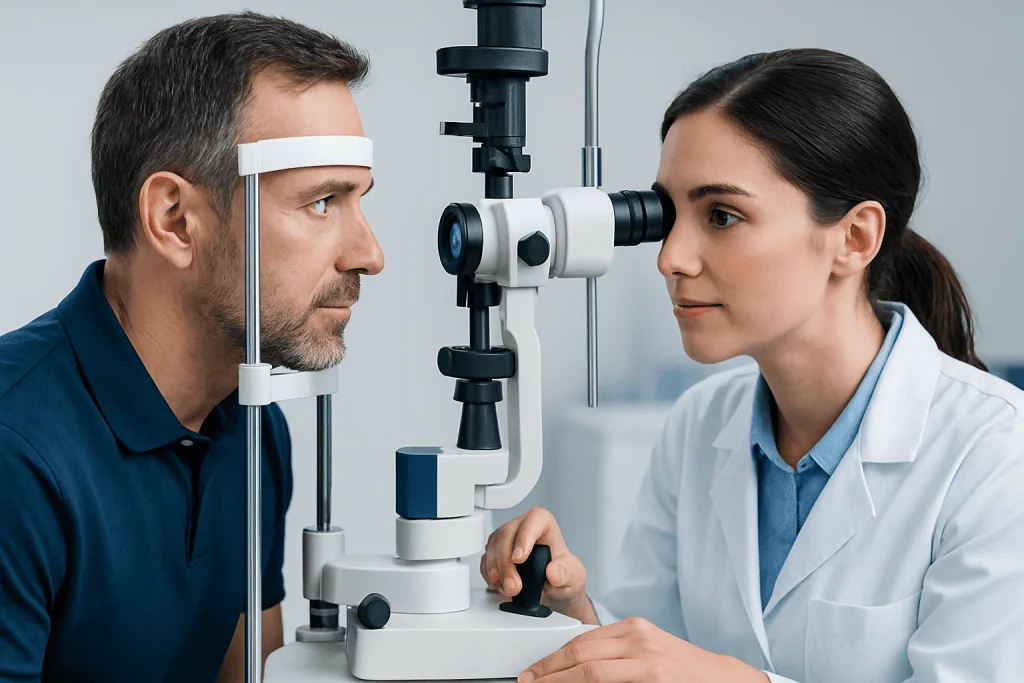
Regular eye exams are important even when no symptoms are present, especially for older adults and people with diabetes, high blood pressure, a family history of eye disease, or long-term screen exposure. Eye specialists can detect changes early and advise on lifestyle, monitoring, and treatment if needed.
If someone is already diagnosed with an eye condition, dietary changes should be viewed as supportive rather than curative. Treatment plans may include monitoring, medications, corrective lenses, or procedures depending on the diagnosis. In some situations, patients may be referred for advanced evaluation or laser eye surgery when clinically appropriate.
For international patients who need assessment or treatment, Acibadem International’s multidisciplinary specialists and JCI-accredited hospitals provide diagnosis and care for a wide range of eye conditions. A qualified ophthalmologist can help determine which nutritional, medical, or procedural steps are most suitable for the individual.
Frequently asked questions
What are the best foods for eye health?
Some of the best foods for eye health are leafy green vegetables, oily fish, eggs, citrus fruits, berries, carrots, sweet potatoes, nuts, and seeds. These foods provide nutrients such as lutein, zeaxanthin, omega-3 fatty acids, and vitamins A, C, and E.
Can carrots really improve vision?
Carrots provide beta-carotene, which the body can convert into vitamin A, an important nutrient for normal vision. They are a healthy choice, but they do not give people “super vision” or reverse most eye diseases on their own.
Are supplements better than food for eye health?
Food is usually the preferred foundation because it provides a range of nutrients in a balanced way. Supplements may be useful in selected situations, but they are not always necessary and should ideally be discussed with a doctor.
Does fish help with dry eyes?
Fish that contains omega-3 fatty acids may support tear film function and overall eye surface health. However, dry eye has many possible causes, so a person with ongoing symptoms may need a full eye assessment.
How often should someone have an eye exam?
The ideal schedule depends on age, symptoms, medical history, and risk factors such as diabetes or family history of eye disease. Many people benefit from regular routine exams, and anyone with vision changes should seek care sooner.
Can diet prevent age-related vision problems?
A healthy diet may help support eye tissues and reduce some risk factors linked to age-related eye changes. Still, it cannot guarantee prevention, so regular check-ups and medical follow-up remain important.
This article is for general information only and is not a substitute for professional medical advice. Please consult a qualified doctor about your individual situation.
Explore treatments in Turkey — costs, top hospitals & a free quote
JCI-accredited · board-certified surgeons · reply within 24h
Add us as a Preferred Source to see more of our trusted health content across Google Search, AI Overviews and Discover.
Check your numbers in seconds
BMI, calories, due date, blood pressure and 30+ more clinical calculators — free, instant, doctor-reviewed ranges.