NCBI and the National Library of Medicine: How These Medical Resources Work

The National Library of Medicine is the world’s largest biomedical library and part of the U.S. National Institutes of Health. NCBI is a division of the National Library of Medicine that provides access to major medical and scientific databases.
Key Takeaways
- The National Library of Medicine is the world’s largest biomedical library and part of the U.S. National Institutes of Health.
- NCBI is a division of the National Library of Medicine that provides access to major medical and scientific databases.
- PubMed is one of the best-known NCBI tools for searching medical literature abstracts and citations.
- These resources can help patients learn from trustworthy sources, but they do not replace advice from a qualified doctor.
- Understanding how to search, filter, and interpret results can make medical information more useful and less confusing.
NCBI and the National Library of Medicine are key public resources for finding reliable medical information. They support patients, students, researchers, and healthcare professionals by organizing research, health data, and educational materials in accessible ways.
Overview
NCBI and the National Library of Medicine are closely connected medical information resources used around the world. The National Library of Medicine, often called the NLM, is part of the U.S. National Institutes of Health and serves as a major center for collecting, organizing, and sharing biomedical knowledge. Its mission includes supporting research, education, public health, and informed decision-making.
The National Center for Biotechnology Information, or NCBI, is a division within the NLM. It develops and maintains widely used online databases that help people search for medical studies, genetic information, scientific literature, and related health data. Many clinicians, scientists, students, and patients use these tools every day.
For the public, these resources can be especially valuable when someone wants to learn more about a diagnosis, treatment, symptom, or test result. They offer access to information from journals, government sources, and scientific institutions. Although the content is highly respected, it can sometimes be technical, so it is often most useful when combined with guidance from a healthcare professional.
What the National Library of Medicine Does
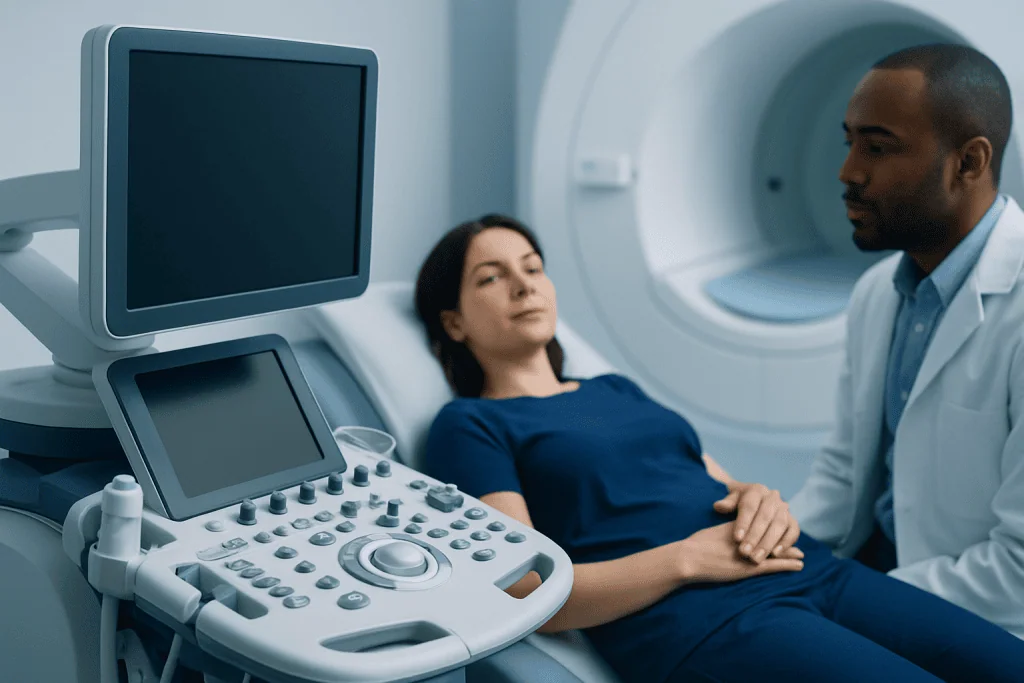
The National Library of Medicine is one of the most important medical libraries in the world. It preserves and shares a vast collection of biomedical literature, historical materials, research tools, and health information resources. Its work supports both healthcare professionals and the general public.
Beyond acting as a library in the traditional sense, the NLM also develops digital tools that make health information easier to find and use. It supports databases, educational initiatives, data standards, and research infrastructure. This helps improve how medical knowledge is stored, searched, and shared across institutions.
The NLM also plays a public education role. It helps people access credible health information instead of relying only on unverified websites or social media posts. In practical terms, this means patients can use NLM-supported tools to better understand conditions, prepare questions for appointments, and become more informed participants in their care.
What NCBI Is and How It Works

NCBI is the part of the National Library of Medicine best known for its online databases. It was created to support the storage and analysis of biomedical and genetic information. Over time, it has become a central gateway for many kinds of scientific knowledge, from journal citations to DNA sequence data.
NCBI works by organizing large amounts of information into searchable systems. Instead of reading thousands of separate websites, users can search a structured database and apply filters to narrow results. Search tools often connect related information, such as a research article, gene record, protein entry, or clinical topic.
Its resources are used by different audiences in different ways. A researcher may use NCBI to track new studies in a field. A clinician may look up evidence related to diagnosis or treatment. A patient may use it to find peer-reviewed information about a medical condition and discuss the findings with a doctor.
Because NCBI includes many databases, it can feel complex at first. However, learning the purpose of its most common tools makes it much easier to navigate. In many cases, users start with PubMed and then move to other linked resources only if they need more detail.
Key NCBI Resources, Including PubMed
PubMed is the most widely recognized NCBI resource. It is a searchable database of biomedical literature that includes citations and abstracts from medical, nursing, dental, public health, and life sciences journals. In some cases, PubMed also links to full-text articles, but not every listed paper is freely available in full.
Another important resource is PubMed Central, often called PMC. This is a digital archive of free full-text biomedical and life sciences journal articles. While PubMed helps users discover the existence of research, PubMed Central can provide direct access to the entire article when it is available.
NCBI also hosts databases related to genetics and molecular biology, such as Gene, ClinVar, and sequence databases. These are especially useful for researchers and specialists, though some patients with inherited or rare conditions may encounter them during their own reading. For most members of the public, PubMed remains the most practical entry point.
Other NLM-supported public resources may include consumer-friendly health education tools and drug information references. Together, these systems create an information network that helps connect scientific evidence, clinical knowledge, and patient education in one broader ecosystem.
How Patients and Families Can Use These Resources
Patients and families often turn to online searches after receiving a diagnosis, noticing new symptoms, or preparing for a specialist appointment. NCBI and the National Library of Medicine can help by offering access to more reliable information than many general websites. Searching for a condition name together with terms like treatment, diagnosis, or review article may lead to helpful results.
PubMed can be especially useful when someone wants to understand how doctors study a disease, compare treatments, or evaluate test results. Review articles may be easier to start with than highly technical original studies because they summarize existing evidence. Reading the abstract first can also help a user decide whether an article is relevant.
It is important to remember that medical research articles are not written as personalized advice. A study may involve a specific age group, disease stage, or treatment setting that does not match an individual situation. For that reason, patients should use the information to support questions and conversations with a qualified clinician, not to diagnose themselves or change treatment on their own.
When a person is receiving complex care, trusted hospital teams can help interpret evidence in context. Near the end of the care journey, some international patients may seek second opinions or coordinated evaluation; Acibadem International’s multidisciplinary specialists and JCI-accredited hospitals diagnose and treat a wide range of conditions for international patients.
How to Search Effectively and Judge Reliability
A simple search is often enough to begin, but filters can make results more relevant. In PubMed, users can narrow by article type, publication date, age group, language, and other categories. This can help someone find recent review articles instead of older or highly specialized studies.
It also helps to pay attention to the kind of article being read. Systematic reviews and clinical guidelines often provide broader, more balanced evidence than a single small study. Case reports can be interesting, but they usually describe one patient or a small number of patients and should not be treated as definitive proof.
When reviewing an article, readers can ask a few practical questions:
- Was it published in a peer-reviewed journal?
- Is the study recent enough to reflect current practice?
- Does it involve humans, animals, or laboratory research?
- How large was the study, and does it discuss limitations?
- Do the conclusions match what established health organizations say?
Reliable use of these databases also means recognizing their limits. A database can provide information, but it cannot examine symptoms, review a physical condition, or consider all of a patient’s medical history. Trusted medical care still depends on clinical evaluation, professional judgment, and individual discussion.
Limitations, Common Confusion, and When to Ask a Professional
One common misunderstanding is thinking that NCBI or the National Library of Medicine gives direct medical advice. These platforms provide information, not personal diagnosis or treatment recommendations. Even high-quality research may be difficult to apply without medical training, especially when findings are preliminary or mixed.
Another source of confusion is that scientific language can sound more certain than it really is. Research often evolves over time, and a newer review may refine or even challenge older conclusions. This is normal in medicine and does not mean the system is unreliable; it means evidence is continuously being updated and improved.
Patients should consider asking a doctor, pharmacist, or other qualified clinician for help if they find results that seem contradictory, alarming, or hard to interpret. Professional guidance is especially important for urgent symptoms, major diagnoses, pregnancy, chronic disease management, medication decisions, and care involving children or older adults.
Used thoughtfully, NCBI and the National Library of Medicine are excellent tools for health education. They are most effective when they help people ask better questions, understand medical terms more clearly, and work more confidently with their healthcare team.
Frequently asked questions
What is the difference between NCBI and the National Library of Medicine?
The National Library of Medicine is the larger institution within the U.S. National Institutes of Health. NCBI is a division of the NLM that focuses on digital databases and tools for biomedical and genetic information.
Is PubMed the same as NCBI?
No. PubMed is one of the databases provided through NCBI. NCBI includes PubMed as well as many other resources related to genetics, molecular biology, and scientific data.
Can patients use NCBI and PubMed, or are they only for doctors?
Patients can absolutely use them, especially to find trustworthy background information about conditions, tests, and treatments. However, the content may be technical, so it is best used alongside advice from a qualified healthcare professional.
Are all articles in PubMed free to read in full?
No. PubMed includes citations and abstracts for many articles, but not all of them are available as free full text. Some records link to PubMed Central or other sources where the complete article can be read without charge.
How can someone tell whether a medical article is reliable?
It helps to look at the article type, publication date, journal, and study design. Review articles, systematic reviews, and clinical guidelines are often easier for non-specialists to use than small or very technical studies.
Should people use NCBI to diagnose themselves?
No. These resources are meant for education and research, not self-diagnosis. Symptoms and test results always need to be interpreted in the context of a person’s history, examination, and professional medical assessment.
References
- National Library of Medicine
- National Center for Biotechnology Information
- National Institutes of Health
- MedlinePlus
- U.S. National Library of Medicine History, Health, and Humanities Division
This article is for general information only and is not a substitute for professional medical advice. Please consult a qualified doctor about your individual situation.
Explore treatments in Turkey — costs, top hospitals & a free quote
JCI-accredited · board-certified surgeons · reply within 24h
Add us as a Preferred Source to see more of our trusted health content across Google Search, AI Overviews and Discover.