Can You Live With One Lung? Daily Life, Recovery, and Outlook

A person can live with one lung, and many return to independent daily activities. Recovery depends on overall health, age, fitness, and the reason the lung was removed or lost.
Key Takeaways
- A person can live with one lung, and many return to independent daily activities.
- Recovery depends on overall health, age, fitness, and the reason the lung was removed or lost.
- Shortness of breath with exertion is common at first, but breathing often improves with rehabilitation and conditioning.
- Avoiding smoking, staying active, and preventing infections are important for long-term lung health.
- Regular follow-up helps monitor breathing, healing, and any underlying disease.
Many people can live well with one lung, especially when the remaining lung is healthy and recovery is carefully managed. Daily life may require adjustments, but breathing, activity, and quality of life can often improve over time.
Overview: Can a Person Live With One Lung?
Yes. A person can live with one lung, and many people do so for years or decades. The body can adapt because the remaining lung often expands somewhat and becomes more efficient over time. While overall breathing capacity is lower than with two healthy lungs, this does not always prevent someone from walking, working, traveling, or managing day-to-day tasks.
People may have one lung for different reasons. Some are born with only one functioning lung, while others lose a lung after surgery, severe infection, trauma, or advanced lung disease. In adults, surgical removal of a lung is called pneumonectomy and may be used in selected cases of lung cancer or major lung damage.
Life with one lung is not exactly the same as life with two lungs. Heavy exertion may feel harder, and some people notice faster breathing or reduced stamina. Even so, many are able to regain independence and enjoy a good quality of life with the right medical care, rehabilitation, and healthy habits.
Why Someone May Have One Lung

There are several reasons a person may end up living with one lung. A surgeon may remove one lung when disease is limited to that side and other treatments are unlikely to be enough. This can happen with some lung cancers, severe bronchiectasis, major chest injury, or irreversible infection affecting one lung.
Less commonly, a person may be born with an underdeveloped or absent lung, or one lung may stop functioning well because of longstanding damage. In these situations, the healthy lung often takes on most of the work over time. Some people have lived for years without realizing that one lung contributes very little.
Before lung removal surgery, doctors carefully assess whether a person can safely live with one lung. This usually includes breathing tests, imaging, heart evaluation, and an assessment of daily function. The aim is to understand how much reserve the remaining lung has and whether the body is likely to adapt well.
In selected cases, treatment planning may involve specialists in thoracic surgery, chest medicine, anesthesia, oncology, and rehabilitation. If lung removal is being considered, procedures such as lung cancer surgery may be discussed alongside less extensive options when appropriate.
What Daily Life Is Like With One Lung
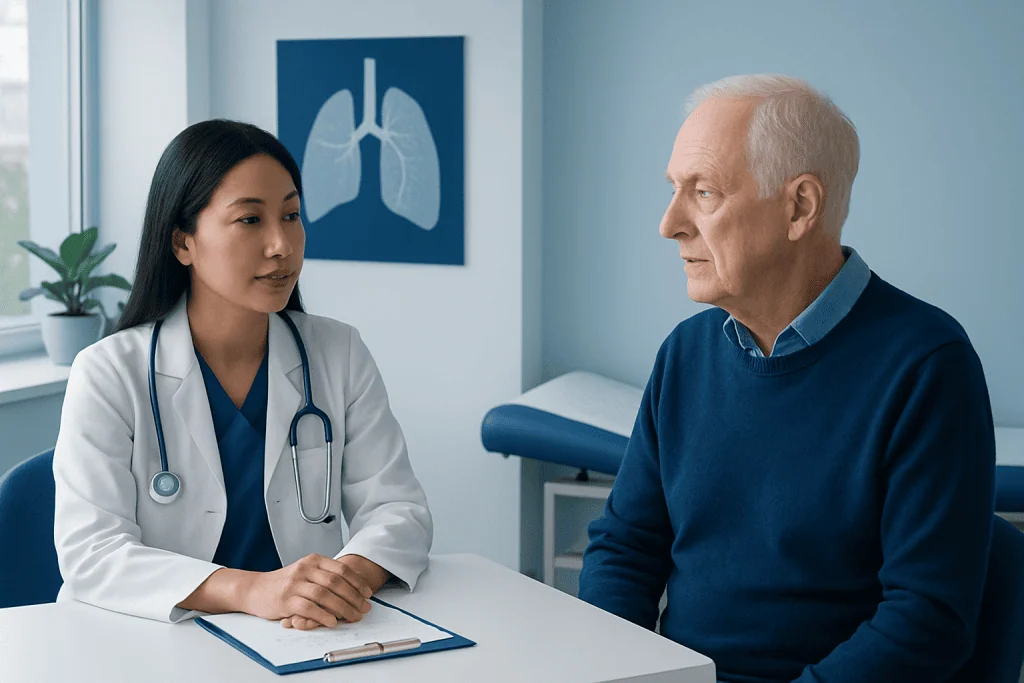
Daily life with one lung varies from person to person. Much depends on age, pre-existing lung function, fitness level, and the reason for the lung loss. Some people notice only mild limitations in routine tasks, while others need to pace themselves more carefully, especially during the first months after surgery or illness.
Shortness of breath is often most noticeable during activities that increase oxygen demand, such as climbing stairs, walking uphill, carrying heavy items, or exercising. Over time, many people learn energy-saving strategies, build endurance gradually, and become more confident in recognizing their physical limits without avoiding activity entirely.
Common adjustments may include:
- Taking breaks during demanding tasks
- Walking at a steady pace rather than rushing
- Using breathing techniques taught in rehabilitation
- Planning rest after strenuous activity
- Avoiding smoke, dust, and air pollution when possible
Emotional adjustment is also part of recovery. It is normal to feel anxious about breathing or uncertain about exercise at first. Clear guidance from the care team, gradual physical training, and family support can help people return to a fuller routine safely.
Recovery After Losing or Removing a Lung
Recovery after loss or removal of a lung usually takes time. In the early period, tiredness, discomfort, and breathlessness with movement are expected. Hospital recovery focuses on pain control, early mobilization, breathing exercises, and monitoring for complications such as infection, fluid build-up, or blood clots.
Once at home, improvement is often gradual rather than immediate. Many people find that basic activities become easier week by week, while endurance for longer walks or more physical tasks returns over months. The remaining lung and the chest wall continue to adapt, and physical conditioning plays an important role in this process.
Pulmonary rehabilitation may be recommended, especially for people who had reduced lung function before surgery or illness. These supervised programs combine exercise training, breathing education, and symptom management. In some cases, doctors may also advise respiratory therapy and pulmonary rehabilitation to improve confidence and functional capacity.
Recovery can be slower if a person also has conditions such as chronic obstructive pulmonary disease, heart disease, obesity, anemia, or poor muscle strength. For that reason, follow-up appointments are important. They allow the team to monitor healing, assess breathing, and guide a safe return to work, travel, or exercise.
Symptoms, Challenges, and Possible Complications
The most common symptom of living with one lung is reduced exercise tolerance. A person may become short of breath sooner than before, especially during exertion. Mild fatigue, a temporary cough, and chest discomfort can also happen during recovery, but these should gradually improve.
Some people have ongoing respiratory symptoms because of an underlying lung condition rather than because they have one lung alone. For example, if the remaining lung is affected by chronic disease, symptoms may be more noticeable. Problems such as COPD or repeated infections can have a greater impact when there is less lung reserve.
Possible complications after lung removal or severe lung injury can include:
- Lung infection or pneumonia
- Persistent air leak in the early postoperative period
- Fluid collections in the chest
- Irregular heart rhythm after surgery
- Blood clots
- Long-term reduced stamina
Urgent medical review is needed for warning signs such as sudden worsening breathlessness, chest pain, blue lips, coughing up blood, high fever, confusion, or severe dizziness. These symptoms do not always mean a serious problem, but they should be assessed quickly to protect the remaining lung and overall health.
How Doctors Assess Breathing and Long-Term Outlook
Doctors assess a person living with one lung by looking at both symptoms and objective test results. Breathing tests can measure lung volumes and airflow, while pulse oximetry and imaging help show how the remaining lung is functioning. If needed, exercise testing may be used to understand how the body responds during activity.
The long-term outlook is often better than many people expect. When the remaining lung is healthy, the heart is functioning well, and the underlying disease is under control, people may return to many normal activities. Some even resume light sports or structured exercise with medical guidance.
Outlook depends on several factors:
- The health of the remaining lung
- The reason the other lung was removed or lost
- Age and overall physical condition
- Whether the person smokes or is exposed to lung irritants
- The presence of heart disease or other chronic illnesses
If surgery was performed for cancer, outlook also depends on the cancer type, stage, and response to treatment. In those cases, care may include imaging follow-up and, when needed, treatments such as medical oncology as part of an individualized plan.
Self-Care, Exercise, and Protecting the Remaining Lung
Protecting the remaining lung is one of the most important parts of long-term care. Not smoking is essential, and avoiding secondhand smoke matters as well. Vaccination against seasonal flu and other recommended respiratory infections can help lower the risk of serious illness, especially in older adults or people with chronic lung disease.
Regular physical activity is usually beneficial, even though it may need to be reintroduced slowly. Gentle walking, breathing exercises, and supervised conditioning can improve endurance and reduce anxiety about shortness of breath. People should increase activity step by step and stop for medical advice if symptoms become unusually severe or persistent.
Helpful self-care measures include:
- Following breathing exercises as instructed
- Maintaining a healthy body weight
- Eating a balanced diet to support healing and strength
- Managing allergies, asthma, or chronic lung conditions carefully
- Seeking prompt treatment for cough, fever, or chest infections
For people with complex breathing problems, multidisciplinary evaluation may be useful. Near the end of the treatment journey, some international patients choose centers such as Acibadem International, where multidisciplinary specialists in JCI-accredited hospitals assess and treat advanced lung conditions and recovery needs.
When to See a Doctor
Anyone living with one lung should keep regular follow-up appointments, particularly in the first year after surgery or major illness. These visits help monitor breathing, healing, exercise tolerance, and any underlying condition that could affect long-term health. Even when a person feels well, routine review can identify issues early.
A doctor should be contacted sooner if there is increasing breathlessness, swelling in the legs, fever, persistent cough, chest discomfort, or a clear drop in exercise capacity. These symptoms may have many causes, from infection to fluid retention to worsening disease in the remaining lung, and they deserve timely assessment.
Emergency care is important for severe shortness of breath, chest pain, fainting, confusion, blue discoloration of the lips, or coughing up significant blood. Prompt treatment can be especially important when there is only one lung carrying most or all of the breathing work.
Frequently asked questions
Can you live a normal life with one lung?
Many people can live a full and independent life with one lung. What feels normal may involve some adjustments, especially for strenuous activity, but routine daily tasks are often manageable after recovery.
Is it harder to breathe with one lung?
It can be, especially during exertion. Most people notice reduced stamina at first, but breathing often becomes easier over time as the body adapts and physical conditioning improves.
How long does it take to recover after a lung is removed?
Recovery time varies depending on general health, age, fitness, and the reason for surgery. Early healing happens over weeks, but rebuilding strength and endurance may take several months.
Can a person exercise with one lung?
Yes, many people can exercise with one lung, usually with a gradual and supervised approach at first. Walking, breathing exercises, and pulmonary rehabilitation are often helpful ways to rebuild fitness safely.
What should someone with one lung avoid?
Smoking and secondhand smoke are especially important to avoid. It is also wise to limit exposure to air pollution, lung irritants, and infections, and to seek medical advice before very strenuous activity.
Does the remaining lung grow or work harder?
The remaining lung can expand somewhat and become more efficient, helping the body adapt. It does not fully replace the lost lung, but it often compensates enough to support daily life.
References
- American Lung Association
- National Heart, Lung, and Blood Institute
- National Health Service
- European Respiratory Society
- American Thoracic Society
This article is for general information only and is not a substitute for professional medical advice. Please consult a qualified doctor about your individual situation.
Explore treatments in Turkey — costs, top hospitals & a free quote
JCI-accredited · board-certified surgeons · reply within 24h
Add us as a Preferred Source to see more of our trusted health content across Google Search, AI Overviews and Discover.