Does Vaping Cause Lung Cancer?

Vaping exposes the lungs to substances that may damage cells and irritate airways. There is no clear proof that vaping directly causes lung cancer, but long-term risks are still being studied.
Key Takeaways
- Vaping exposes the lungs to substances that may damage cells and irritate airways.
- There is no clear proof that vaping directly causes lung cancer, but long-term risks are still being studied.
- Many e-cigarette liquids and aerosols contain chemicals linked to inflammation, oxidative stress, and possible DNA damage.
- People who both smoke and vape may face higher overall harm than those who do neither.
- Stopping vaping and smoking can support lung health and reduce future disease risk.
- A doctor should assess ongoing cough, shortness of breath, chest pain, or coughing up blood.
Vaping is not considered harmless. While research is still ongoing, e-cigarettes can expose the lungs to potentially harmful chemicals, and experts are concerned about their possible role in raising cancer risk over time.
Overview
The question, does vaping cause lung cancer, does not yet have a simple yes-or-no answer. E-cigarettes do not burn tobacco in the same way as traditional cigarettes, so they usually expose users to fewer of the well-known carcinogens created by combustion. However, that does not mean vaping is safe. The aerosol inhaled from e-cigarettes can contain nicotine, ultrafine particles, flavoring chemicals, heavy metals, and other substances that may affect lung tissue.
Lung cancer usually develops over many years. Because vaping products are relatively new compared with traditional cigarettes, researchers are still learning about their long-term effects. Current evidence suggests that vaping may expose the lungs to compounds that can irritate airways, trigger inflammation, and potentially damage cells. These are changes that may contribute to disease over time, including cancer risk.
For patients and families, the most helpful message is often this: vaping should not be viewed as harmless, especially for young people, non-smokers, and anyone with underlying lung disease. People who currently vape may benefit from understanding the risks and discussing safer ways to quit nicotine with a healthcare professional.
How vaping may affect the lungs
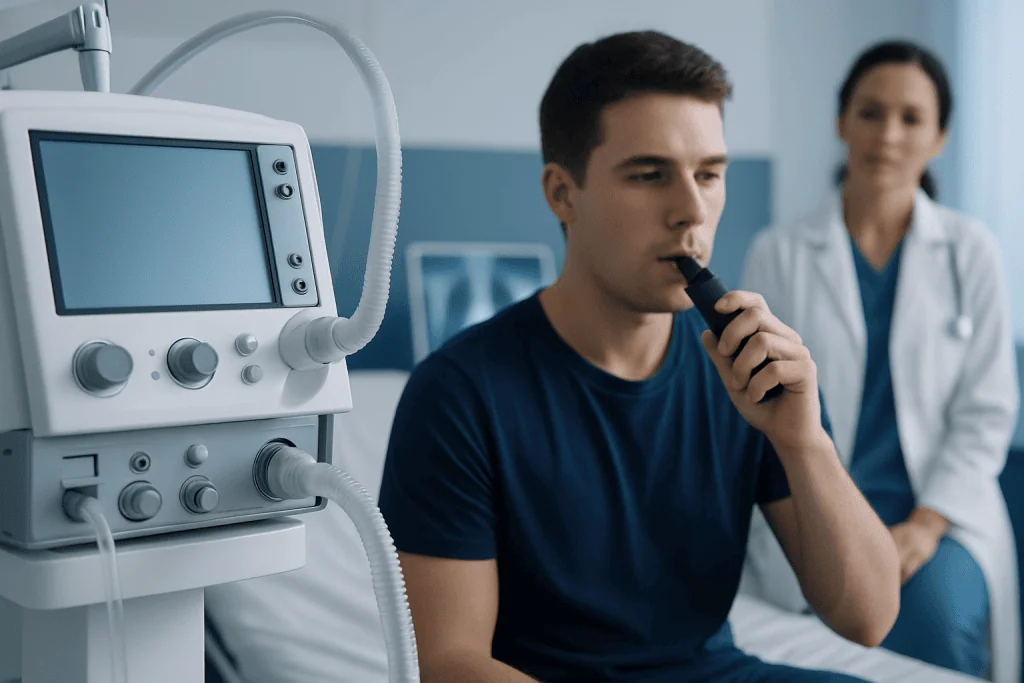
E-cigarettes heat a liquid into an aerosol that is inhaled deep into the lungs. Even when the liquid does not contain tobacco leaf, the aerosol may still carry substances that can stress lung cells. Studies have found that some vaping products release chemicals such as formaldehyde, acetaldehyde, acrolein, and metals like nickel, chromium, or lead, depending on the device and liquid used.
These exposures may contribute to inflammation, oxidative stress, and injury to the lining of the airways. Repeated irritation can affect how the lungs clear mucus and defend themselves from infection. In some laboratory studies, e-cigarette aerosol has also been linked with changes in cells that raise concern about DNA damage, although this does not automatically mean a person will develop cancer.
Vaping can also worsen breathing symptoms in some users. People may notice cough, throat irritation, wheezing, chest discomfort, or shortness of breath. Those who already have asthma, chronic bronchitis, or other respiratory conditions may be more sensitive to these effects, including people living with lung cancer or recovering from treatment.
- Airway irritation and inflammation
- Exposure to potentially toxic chemicals
- Reduced natural lung defenses
- Possible cell stress and DNA injury
- Worsening of existing respiratory symptoms
What research says about vaping and lung cancer
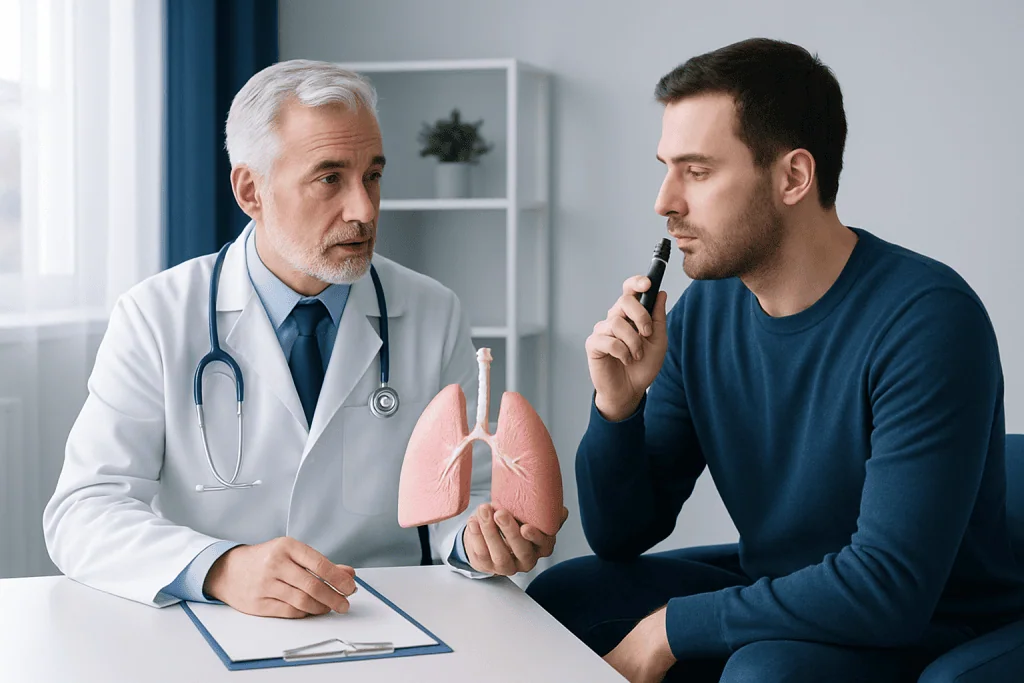
At present, there is no definitive proof that vaping directly causes lung cancer in the same way that cigarette smoking does. Traditional smoking has decades of strong evidence behind it, while vaping is newer and long-term population data are still limited. This means the absence of proof is not the same as proof of safety.
Researchers are concerned because some chemicals found in e-cigarette aerosol are known or suspected carcinogens. Laboratory and animal studies suggest that e-cigarette exposure can promote processes linked to cancer development, such as chronic inflammation, oxidative damage, and changes in gene expression. These findings do not predict exactly who will get cancer, but they support caution.
The greatest concern may be for people who both smoke and vape, sometimes called dual users. In that situation, vaping does not replace exposure from cigarettes and may add further stress to the lungs. For people trying to understand their personal risk, factors such as age, smoking history, family history, occupational exposures, and overall lung health are also important.
Symptoms that should not be ignored
Vaping itself may cause mild respiratory irritation, but persistent or worsening symptoms deserve medical attention. A short-lived dry throat after vaping is different from a cough that continues for weeks or breathing problems that interfere with daily life. Ongoing symptoms should not be dismissed, especially in someone who also smokes.
Possible warning signs of significant lung irritation or a more serious condition include a cough that does not improve, shortness of breath, wheezing, chest pain, frequent chest infections, or unexplained fatigue. Coughing up blood, even in small amounts, should always be assessed urgently. These symptoms do not necessarily mean cancer, but they do need evaluation.
In some cases, doctors may investigate whether symptoms relate to asthma, infection, inflammation, chronic lung disease, or another condition such as COPD. When symptoms are ongoing, early assessment can help identify the cause and guide treatment.
- A cough lasting several weeks
- Shortness of breath or wheezing
- Chest pain or chest tightness
- Repeated respiratory infections
- Coughing up blood
- Unexplained weight loss or tiredness
Who may be at higher risk
Not everyone who vapes has the same level of risk. People who use nicotine products heavily, use high-temperature devices, or choose unregulated products may have greater exposure to harmful substances. The exact risk can vary with device type, liquid ingredients, frequency of use, and whether the person also smokes tobacco.
Young people and adolescents are a special concern because their lungs and brains are still developing, and nicotine can be particularly harmful during these years. Pregnant individuals should also avoid vaping, since nicotine and other chemicals may affect both the parent and the developing baby. People with asthma or chronic respiratory disease may notice stronger effects from inhaled aerosol.
Former smokers sometimes switch to vaping in the hope of reducing harm. While some healthcare professionals may discuss e-cigarettes within a smoking-cessation plan for selected adults, it is still preferable to work toward stopping all nicotine use if possible. Those with a heavy smoking history may already have an elevated risk of conditions such as lung cancer, whether they vape or not.
Diagnosis and medical evaluation
If a person who vapes develops persistent respiratory symptoms, a doctor will usually begin with a medical history and physical examination. Questions may cover how long the symptoms have been present, whether the person also smokes, what type of vaping device is used, and whether there are other exposures such as air pollution or workplace chemicals.
Depending on the symptoms, doctors may recommend tests to look at lung function or to check for infection, inflammation, or structural changes in the chest. This may include breathing tests, blood tests, or imaging studies. When cancer is a concern, imaging such as CT scanning may help doctors look more closely at the lungs.
If a suspicious area is found, further assessment may be needed. This can involve referral to specialists in pulmonology, radiology, or oncology, and in some cases tests such as bronchoscopy to examine the airways more directly. The goal is not to assume the worst, but to identify the cause accurately and treat it appropriately.
Treatment, prevention, and self-care
The most important step for reducing risk is to stop vaping, especially for people who have never smoked or who are also using cigarettes. Quitting can lower ongoing exposure to harmful chemicals and may improve coughing, wheezing, and throat irritation over time. Support from a doctor, pharmacist, or smoking-cessation program can make quitting more achievable.
If a person uses e-cigarettes as an alternative to smoking, it is wise to seek professional advice on a safe and realistic quit plan rather than continuing long-term use without review. Some people may benefit from structured smoking-cessation strategies, behavioral support, or evidence-based nicotine replacement approaches. Evaluation of symptoms may also include pulmonary function tests if breathing problems are present.
General lung care also matters. Avoiding smoking and secondhand smoke, staying physically active as able, keeping vaccinations up to date, and seeking prompt care for chest infections can all support respiratory health. Near the end of the care pathway, if a more serious diagnosis is found, multidisciplinary assessment is important; Acibadem International’s specialists in JCI-accredited hospitals evaluate and treat respiratory and oncologic conditions for international patients.
- Make a plan to stop vaping and smoking
- Ask about cessation support and follow-up
- Avoid unregulated vaping products
- Protect the lungs from smoke and pollutants
- Seek medical review for persistent symptoms
When to see a doctor
A doctor should be consulted if vaping is causing repeated cough, throat irritation, wheezing, or shortness of breath, especially if symptoms are becoming more frequent or severe. Medical advice is also sensible for anyone who vapes regularly and has a history of smoking, asthma, or another chronic lung condition.
Urgent medical attention is needed for severe chest pain, marked difficulty breathing, bluish lips, high fever, or coughing up blood. These symptoms can have many causes, but they should never be ignored. Early assessment can help rule out serious problems and provide reassurance when the cause is less severe.
Patients often feel uncertain about whether their symptoms are related to vaping, infection, allergy, or another condition. A healthcare professional can help sort this out, explain the likely cause, and recommend the next steps. For many people, that conversation can also be a good starting point for quitting nicotine completely.
Frequently asked questions
Does vaping cause lung cancer directly?
There is not yet clear long-term proof that vaping directly causes lung cancer in the same established way as cigarette smoking. However, vaping can expose the lungs to potentially harmful chemicals, and experts are concerned that these exposures may raise cancer risk over time.
Is vaping safer than smoking cigarettes?
Many experts consider vaping likely to expose users to fewer toxic substances than smoking traditional cigarettes, but that does not make it safe. Vaping still carries risks, especially for the lungs, heart, and people who have never smoked.
Can vaping damage the lungs even if it does not cause cancer?
Yes. Vaping may irritate the airways and lead to cough, wheezing, chest discomfort, or shortness of breath. In some people, it can worsen existing respiratory conditions such as asthma or chronic bronchitis.
Are nicotine-free vapes harmless?
No. Even without nicotine, e-cigarette aerosol may contain flavoring chemicals, ultrafine particles, and other substances that can irritate or injure the lungs. Nicotine-free does not mean risk-free.
What symptoms after vaping should prompt medical advice?
A persistent cough, shortness of breath, wheezing, chest pain, or repeated chest infections should be checked by a doctor. Coughing up blood or having severe breathing difficulty needs urgent medical attention.
If someone switched from smoking to vaping, should they still be concerned about lung cancer?
Yes, especially if they have a long history of smoking. Their past tobacco exposure may already increase lung cancer risk, and continuing to vape may add further lung irritation rather than fully removing concern.
References
- World Health Organization
- U.S. Centers for Disease Control and Prevention
- National Cancer Institute
- American Lung Association
- European Respiratory Society
This article is for general information only and is not a substitute for professional medical advice. Please consult a qualified doctor about your individual situation.
Lung Cancer in Turkey — costs, top hospitals & a free quote
JCI-accredited · board-certified surgeons · reply within 24h
Add us as a Preferred Source to see more of our trusted health content across Google Search, AI Overviews and Discover.

Medical Oncology Department
Medical treatment of cancer with chemotherapy, immunotherapy and targeted therapies under a multidisciplinary tumor board.
60 specialists in this unit