When to See an Orthopedic Surgeon: Warning Signs and Next Steps

Persistent pain, swelling, stiffness, or limited movement may justify an orthopedic evaluation. Sudden injury, visible deformity, inability to bear weight, or numbness needs prompt medical attention.
Key Takeaways
- Persistent pain, swelling, stiffness, or limited movement may justify an orthopedic evaluation.
- Sudden injury, visible deformity, inability to bear weight, or numbness needs prompt medical attention.
- Many orthopedic problems can be treated without surgery through medication, physical therapy, injections, or bracing.
- Early diagnosis may prevent further joint damage and support safer return to daily activities and sports.
- An orthopedic surgeon can also help when symptoms continue despite rest, home care, or general treatment.
An orthopedic surgeon evaluates problems affecting bones, joints, muscles, ligaments, tendons, and the spine. Knowing the warning signs can help a person seek timely care, relieve pain, and protect mobility.
Overview
An orthopedic surgeon is a doctor who diagnoses and treats conditions involving the musculoskeletal system. This includes bones, joints, cartilage, muscles, ligaments, tendons, and the spine. Some orthopedic surgeons focus on surgery, while many also provide non-surgical care such as rehabilitation plans, joint injections, bracing, and guidance on activity changes.
People often wonder whether joint pain, back pain, or a sports injury should be seen by a general doctor, a physical therapist, or a specialist. In many cases, mild symptoms improve with rest and basic care. However, ongoing pain, repeated injuries, weakness, or loss of function may point to a problem that needs a more detailed orthopedic assessment.
Seeing an orthopedic surgeon does not automatically mean surgery is needed. In fact, many common issues are treated conservatively first. The main reasons to seek specialist care are to understand the cause of symptoms, prevent worsening damage, and create a treatment plan that supports comfort, movement, and quality of life.
Common Warning Signs
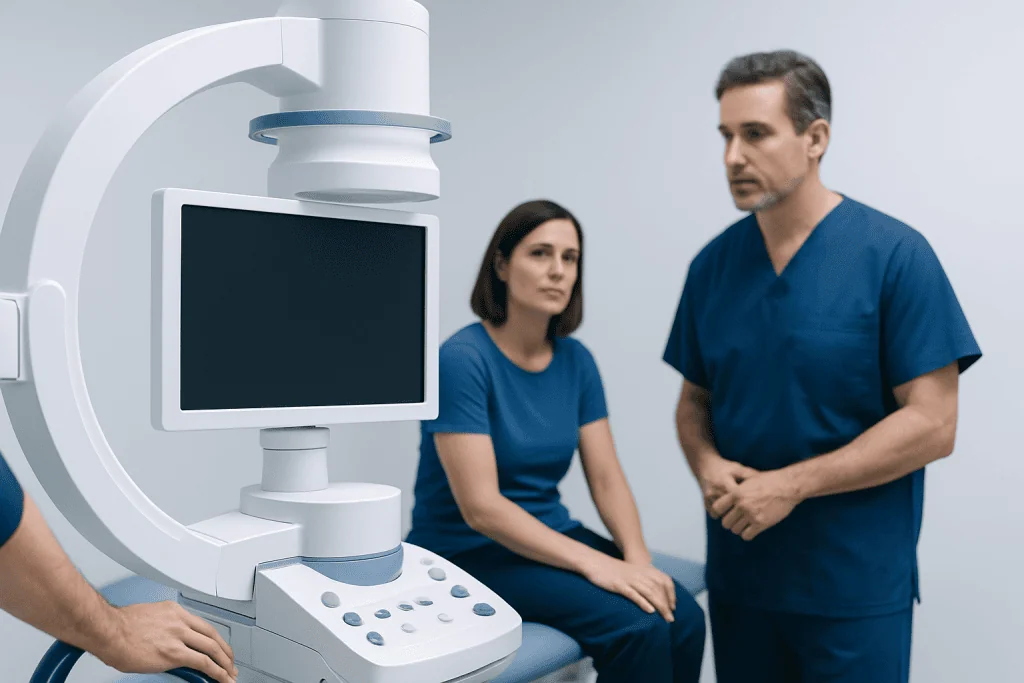
One of the clearest reasons to consider an orthopedic evaluation is pain that does not improve. Pain in the knee, hip, shoulder, back, neck, ankle, or wrist that lasts for several weeks, keeps coming back, or interferes with sleep and daily tasks should not be ignored. Persistent symptoms may be related to arthritis, tendon injury, cartilage damage, stress fracture, or overuse.
Swelling, stiffness, and reduced range of motion are also important warning signs. If a person cannot fully bend or straighten a joint, has difficulty climbing stairs, lifting the arm, turning the neck, or walking comfortably, a specialist can help determine whether inflammation, mechanical injury, or joint degeneration is involved. These symptoms may be seen with problems such as knee arthritis or shoulder tendon disorders.
Other symptoms that deserve attention include:
- Joint instability or the feeling that a joint “gives way”
- Clicking, locking, or catching in a joint
- Weakness in an arm, hand, leg, or foot
- Pain during sports or repetitive work that keeps returning
- Visible deformity after an injury
- Difficulty bearing weight or walking normally
Numbness, tingling, or pain that shoots down an arm or leg can suggest nerve involvement, especially when symptoms begin in the neck or lower back. These signs may be linked to spinal conditions such as herniated disc, and they should be evaluated promptly if they are severe, progressive, or combined with weakness.
Causes and Risk Factors
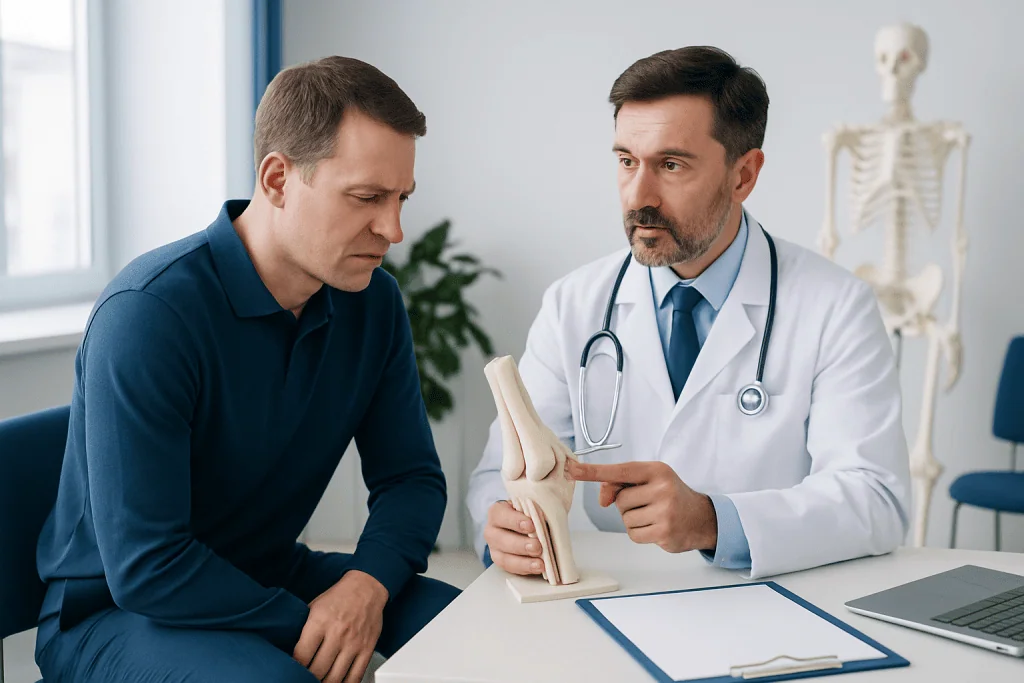
Orthopedic problems can develop suddenly after trauma or gradually over time. Falls, sports injuries, traffic accidents, and workplace incidents may cause fractures, ligament tears, tendon injuries, or joint dislocations. In other cases, years of repetitive movement, heavy lifting, poor mechanics, or age-related wear can lead to tendon irritation, cartilage damage, or arthritis.
Several factors can increase the chance of needing orthopedic care. These include older age, a physically demanding occupation, participation in contact or high-impact sports, excess body weight, previous injuries, and weak supporting muscles. People with osteoporosis may be more likely to sustain fractures, while those with inflammatory conditions may develop joint pain and stiffness more easily.
Some symptoms begin after a clear injury, but others appear without a single memorable event. A runner may gradually develop knee or foot pain, an office worker may notice worsening neck and shoulder symptoms, or an older adult may develop hip pain from joint degeneration. Because different conditions can cause similar symptoms, specialist evaluation can be helpful when the pattern is unclear or the problem keeps returning.
How Orthopedic Problems Are Diagnosed
Diagnosis usually starts with a detailed conversation about symptoms, activity level, previous injuries, general health, and what makes the pain better or worse. The orthopedic surgeon then performs a physical examination to assess swelling, tenderness, alignment, strength, balance, reflexes, joint stability, and range of motion. Watching how a person walks, stands, or uses an affected limb can provide important clues.
Imaging tests are often used to confirm the diagnosis or rule out serious injury. X-rays can show fractures, joint space changes, or alignment problems. MRI is useful for soft tissue injuries such as ligament tears, tendon damage, or cartilage problems, while ultrasound may help evaluate certain tendon and muscle conditions. CT scans can be used in more complex bone injuries, especially when surgical planning is needed.
Additional testing may be recommended depending on the symptoms. Blood tests can help if infection, inflammatory arthritis, or another systemic condition is suspected. Nerve studies may be considered when numbness, tingling, or weakness suggests compression or injury. The goal is not just to name the condition, but to understand how much it affects movement and which treatment path is most appropriate.
Treatment Options and Next Steps
Treatment depends on the diagnosis, symptom severity, activity goals, and overall health of the patient. Many orthopedic conditions improve with non-surgical care. Common first steps include rest from aggravating activities, ice or heat, short-term pain relief strategies, physical therapy, supportive braces, footwear changes, and a gradual return to exercise. Structured rehabilitation is especially important after injuries and for long-term joint or spine symptoms.
When conservative care is not enough, an orthopedic surgeon may discuss additional options such as injections or procedures. For certain joint problems, treatments may include knee replacement, hip replacement, or arthroscopy when symptoms significantly affect function and imaging supports the need. The decision is individualized and usually follows a careful review of risks, benefits, and expected recovery.
Spine-related symptoms can also require specialist input, particularly when pain is persistent or there is nerve compression. In selected cases, advanced care such as spine surgery may be considered after evaluation and when less invasive treatment has not provided adequate relief. Even then, surgery is typically only one part of a broader treatment plan that also includes rehabilitation and ongoing self-care.
For many patients, the most important next step is simply getting a clear diagnosis. Once the source of pain or weakness is identified, the doctor can explain what to expect, whether urgent treatment is needed, and how to protect the affected area while healing begins.
Prevention and Self-Care
Not every orthopedic issue can be prevented, but many injuries and overuse problems can be reduced with healthy habits. Regular strength and flexibility training helps support joints and improve balance. Warm-up before exercise, proper technique during sports, and gradual increases in activity can lower the risk of strains, tendon problems, and stress injuries.
Maintaining a healthy body weight can reduce stress on the hips, knees, ankles, and spine. Supportive footwear, safe lifting technique, and ergonomic workstations can also protect the musculoskeletal system. People who spend long periods sitting may benefit from standing breaks, posture awareness, and stretching during the day.
At home, simple measures may help mild symptoms in the short term. Resting the painful area, applying ice after an injury, and avoiding movements that worsen pain may be reasonable first steps. However, self-care has limits. Pain that is severe, prolonged, or worsening should be checked by a qualified professional rather than repeatedly managed without a diagnosis.
When to See a Doctor Urgently
Some symptoms should be assessed without delay. A person should seek urgent medical attention after a major fall, collision, or sports injury if there is severe pain, rapid swelling, visible deformity, or inability to move the limb normally. These signs may indicate a fracture, dislocation, tendon rupture, or major ligament injury.
Urgent review is also important when there is sudden inability to bear weight, progressive weakness, or new numbness after an injury. Back or neck pain with radiating symptoms into the arm or leg can suggest nerve compression, particularly if weakness is present. Fever, redness, and intense joint pain can also be warning signs of infection and should be taken seriously.
If symptoms are not an emergency but continue despite rest, home care, or treatment from a primary doctor, an orthopedic consultation may still be the right next step. Acibadem International’s multidisciplinary specialists and JCI-accredited hospitals diagnose and treat orthopedic conditions for international patients, helping coordinate evaluation, imaging, and personalized treatment planning when specialist care is needed.
Frequently asked questions
What does an orthopedic surgeon treat?
An orthopedic surgeon treats conditions affecting bones, joints, muscles, tendons, ligaments, and the spine. This can include fractures, arthritis, sports injuries, back pain, tendon tears, and problems with walking or joint movement.
Does seeing an orthopedic surgeon mean surgery is necessary?
No. Many people are referred to an orthopedic surgeon for diagnosis, monitoring, or non-surgical treatment. Physical therapy, medication, bracing, activity changes, and injections are often tried before surgery is considered.
How long should joint or back pain last before seeing a specialist?
Pain that lasts several weeks, keeps returning, or interferes with normal activities should be assessed. A specialist visit may also be appropriate sooner if the pain is severe, follows an injury, or comes with swelling, weakness, or limited movement.
Should a person see an orthopedic surgeon after a sports injury?
It depends on the injury and symptoms. Mild strains may improve with rest, but persistent pain, instability, swelling, or inability to return to activity should be evaluated. Immediate care is important if there is deformity, severe pain, or inability to bear weight.
What tests might an orthopedic surgeon order?
Common tests include X-rays, MRI, ultrasound, or CT scans depending on the suspected problem. The doctor may also recommend blood tests or nerve studies if inflammation, infection, or nerve compression is a concern.
When is back pain an urgent orthopedic problem?
Back pain should be assessed urgently if it follows significant trauma or is accompanied by progressive weakness, numbness, or severe pain radiating down the leg or arm. New bowel or bladder problems are also emergency warning signs and need immediate medical care.
References
- American Academy of Orthopaedic Surgeons
- National Institute of Arthritis and Musculoskeletal and Skin Diseases
- OrthoInfo
- Mayo Clinic
- National Health Service
This article is for general information only and is not a substitute for professional medical advice. Please consult a qualified doctor about your individual situation.
Joint and spine care in Turkey — expert assessment & treatment
JCI-accredited · board-certified surgeons · reply within 24h
Add us as a Preferred Source to see more of our trusted health content across Google Search, AI Overviews and Discover.

Orthopedics & Spine
Care for bones, joints and the musculoskeletal system, including joint replacement, sports injuries and trauma.
125 specialists in this unit