What an Orthopedic Doctor Does

An orthopedic doctor treats conditions affecting the musculoskeletal system, including bones, joints, muscles, tendons, and ligaments. Orthopedic care may include physical examination, imaging tests, medication, injections, rehabilitation, and surgery when needed.
Key Takeaways
- An orthopedic doctor treats conditions affecting the musculoskeletal system, including bones, joints, muscles, tendons, and ligaments.
- Orthopedic care may include physical examination, imaging tests, medication, injections, rehabilitation, and surgery when needed.
- People commonly see an orthopedist for joint pain, sports injuries, fractures, arthritis, back pain, or reduced mobility.
- Many orthopedic conditions improve with non-surgical treatment such as rest, physiotherapy, bracing, and lifestyle changes.
- Early assessment can help prevent complications and support better function, comfort, and recovery.
An orthopedic doctor is a specialist who diagnoses, treats, and helps prevent problems affecting bones, joints, muscles, tendons, and ligaments. They care for injuries, long-term joint conditions, spine-related concerns, and movement problems using both non-surgical and surgical options.
Overview: What Is an Orthopedic Doctor?
An orthopedic doctor, also called an orthopedist or orthopedic specialist, is a physician who focuses on the musculoskeletal system. This includes the bones, joints, muscles, tendons, ligaments, and related structures that help the body move, stay balanced, and support everyday activity. Orthopedic doctors diagnose health problems, relieve pain, improve movement, and help people return to daily life as safely and comfortably as possible.
Orthopedic care covers a wide range of needs. Some people see an orthopedic doctor after a sudden injury such as a fracture, sprain, or torn ligament. Others need help for longer-term concerns such as arthritis, chronic back pain, joint stiffness, or reduced mobility. Orthopedic doctors also care for age-related changes, overuse injuries, congenital conditions, and complications from previous injuries.
Not all orthopedic treatment involves surgery. In fact, many musculoskeletal conditions are managed with non-surgical approaches such as exercise-based rehabilitation, medication, supportive braces, lifestyle changes, and image-guided injections. When surgery is the best option, orthopedic surgeons perform procedures designed to repair damaged structures, stabilize bones and joints, or replace severely worn joints.
What Conditions Does an Orthopedic Doctor Treat?
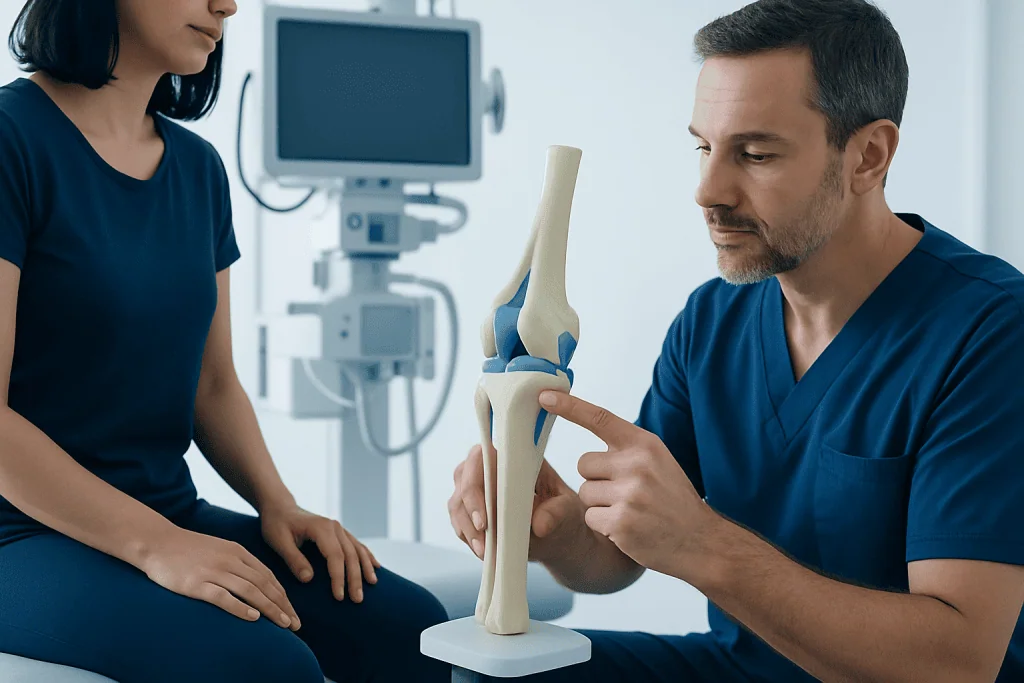
Orthopedic doctors treat many conditions that affect movement and physical function. These may involve a single area, such as a painful knee or injured shoulder, or broader issues such as generalized joint degeneration or spine-related problems. Their goal is not only to address the condition itself but also to improve strength, flexibility, independence, and quality of life.
Common conditions managed by orthopedic specialists include:
- Fractures and dislocations
- Sprains, strains, and tendon injuries
- Sports injuries, including ligament tears
- Osteoarthritis and other degenerative joint conditions
- Back and neck pain related to the spine
- Shoulder, hip, knee, hand, foot, and ankle disorders
- Overuse injuries such as tendonitis and bursitis
- Carpal tunnel syndrome and some nerve compression conditions
- Bone deformities and posture-related concerns
- Musculoskeletal infections or tumors, often in collaboration with other specialists
Many orthopedic doctors also develop subspecialty expertise. Some focus on sports medicine, pediatric orthopedics, spine surgery, hand surgery, trauma, joint replacement, or foot and ankle care. This means a person may first see a general orthopedist and then be referred to a more specialized colleague if needed.
Symptoms and Signs That May Need Orthopedic Care
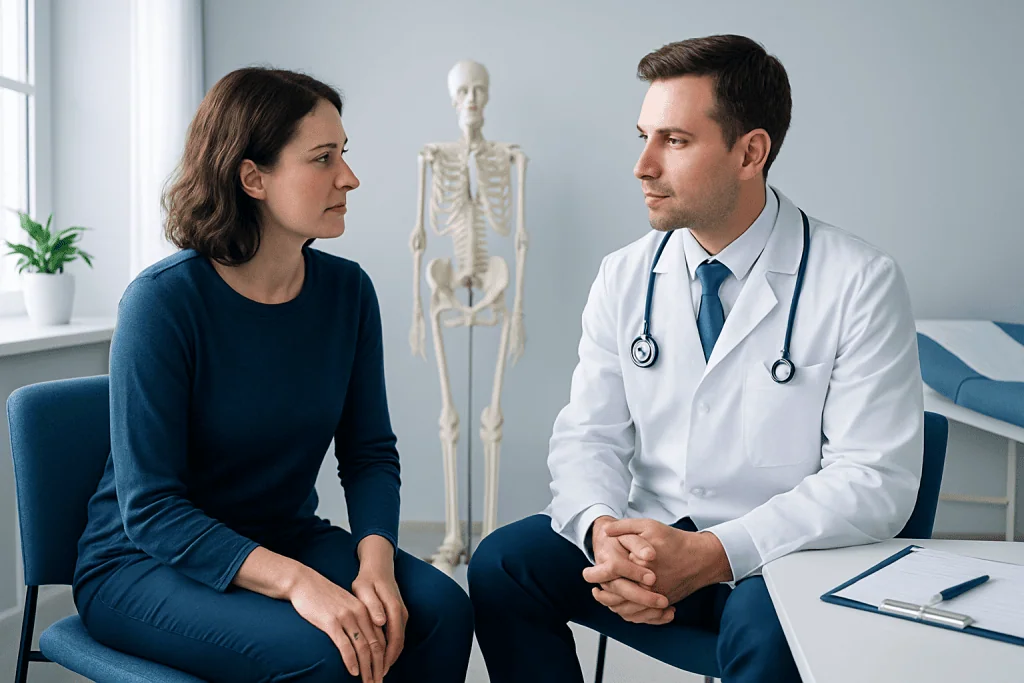
People often visit an orthopedic doctor when pain, swelling, weakness, or stiffness begins to interfere with daily life. Symptoms may appear suddenly after an injury or develop gradually over time. If walking, climbing stairs, lifting objects, exercising, or even sleeping becomes difficult because of bone, joint, or muscle discomfort, an orthopedic assessment may be helpful.
Common reasons to see an orthopedist include ongoing joint pain, limited range of motion, repeated swelling, instability, numbness linked to musculoskeletal compression, or a visible deformity after an injury. A person may also seek care for a sports injury that is not improving, a fracture that needs specialized treatment, or persistent back or neck pain affecting work and routine activities.
Some symptoms deserve quicker attention. These include severe pain after trauma, inability to bear weight, a joint that appears out of place, sudden weakness, or signs of infection such as redness, warmth, fever, and intense pain near a bone or joint. Prompt medical review can help reduce the risk of further damage and support timely treatment.
How an Orthopedic Doctor Makes a Diagnosis
Diagnosis begins with a detailed medical history and physical examination. The orthopedic doctor asks about symptoms, when they started, previous injuries, general health, physical activity, and how the problem affects daily function. During the exam, they may assess posture, walking pattern, joint movement, muscle strength, tenderness, swelling, and stability.
Imaging tests are commonly used to confirm the diagnosis or better understand the extent of an injury. Depending on the problem, the doctor may request X-rays to look at bones and joint alignment, ultrasound to assess soft tissues, CT scans for more detailed bony anatomy, or MRI scans to view structures such as cartilage, ligaments, tendons, and discs. In some situations, blood tests may help rule out infection, inflammation, or metabolic bone disease.
The diagnosis process is often practical and stepwise. For example, a person with knee pain may first have an examination and X-ray, then an MRI if a ligament or cartilage injury is suspected. A person with advanced joint wear may be evaluated for osteoarthritis, while someone with long-term back pain may need assessment for posture, disc-related problems, or nerve involvement. The aim is to identify the cause clearly so treatment can be tailored to the individual.
Treatment Options an Orthopedic Doctor May Offer
Orthopedic treatment is usually personalized. Doctors consider the diagnosis, severity of symptoms, age, activity level, overall health, and the person’s goals. Many musculoskeletal problems improve with conservative care, especially when treatment starts early and is followed consistently.
Non-surgical treatment may include rest or activity modification, pain-relieving or anti-inflammatory medicines, splints or braces, physiotherapy, strengthening and flexibility exercises, and targeted injections for selected conditions. Orthopedic doctors often work closely with rehabilitation specialists to improve function and reduce the chance of future injury. For sports-related problems, a gradual return-to-activity plan may be recommended.
If symptoms are severe, the joint is badly damaged, or non-surgical care has not worked, surgery may be considered. Depending on the condition, this can include fracture fixation, tendon or ligament repair, arthroscopic procedures, spinal operations, or joint replacement. For example, advanced knee damage may be treated with knee replacement, while severe hip degeneration may benefit from hip replacement. Some shoulder problems may be managed with shoulder arthroscopy or with broader care plans for shoulder pain.
Orthopedic doctors also guide recovery after treatment. Follow-up care may involve wound checks, imaging, rehabilitation, mobility aids, and advice on safe movement. Recovery time varies widely, but structured rehabilitation is often a key part of achieving the best possible result.
Orthopedic Subspecialties and Team-Based Care
Orthopedics is a broad field, so many doctors choose to focus on a specific area of the body or type of condition. A sports medicine orthopedist may care for ligament tears and overuse injuries, while a spine specialist focuses on disorders affecting the back and neck. Other subspecialties include hand and wrist care, foot and ankle surgery, pediatric orthopedics, orthopedic trauma, and joint reconstruction.
Because musculoskeletal problems can affect several parts of health, orthopedic doctors often work as part of a wider medical team. This may include radiologists, physiatrists, pain specialists, rheumatologists, neurologists, anesthesiologists, and physical therapists. Team-based care can be especially valuable for complex injuries, chronic pain, or conditions that overlap with nerve, inflammatory, or mobility-related disorders.
Near the end of the care pathway, some people benefit from a second opinion, especially if surgery is being considered or symptoms have not improved as expected. Acibadem International’s multidisciplinary specialists and JCI-accredited hospitals diagnose and treat orthopedic conditions for international patients, with evaluation and treatment planning based on individual clinical needs.
Prevention, Self-Care, and Protecting Joint Health
Although not every orthopedic problem can be prevented, healthy habits can lower the risk of injury and support long-term bone and joint health. Regular physical activity helps keep muscles strong, joints mobile, and balance steady. Exercises that build strength, flexibility, and core stability may reduce strain on the knees, hips, shoulders, and spine.
Daily choices also matter. Maintaining a healthy body weight can reduce pressure on weight-bearing joints, especially the knees and hips. Wearing proper footwear, using safe lifting techniques, warming up before sports, and increasing training intensity gradually can help prevent many common injuries. Good posture and an ergonomic workspace may also reduce strain on the neck, back, and wrists.
After an injury or flare-up, self-care should be sensible and guided by medical advice. Resting the affected area for a short time, avoiding activities that worsen pain, and following a rehabilitation plan can support recovery. However, persistent pain should not simply be ignored. If symptoms continue, professional assessment can help prevent a minor issue from becoming a more lasting problem.
When to See an Orthopedic Doctor
It may be time to see an orthopedic doctor when pain, swelling, or reduced movement lasts longer than expected or keeps returning. A person should also seek evaluation if a joint feels unstable, daily tasks become difficult, or previous treatment has not brought enough relief. Early attention can make treatment simpler and may improve recovery.
Urgent assessment is important after a major fall, sports collision, road traffic injury, or sudden twisting injury followed by severe pain or inability to use the limb. Immediate care is also needed if there is a suspected fracture, a visibly deformed joint, numbness or weakness after an injury, or signs of infection in a bone or joint area.
For people living with chronic musculoskeletal symptoms, regular review can also be helpful. Ongoing orthopedic care may monitor joint wear, guide rehabilitation, and adjust treatment as needs change over time. Anyone unsure whether their symptoms are orthopedic in nature should start by speaking with a qualified doctor, who can recommend the most appropriate next step.
Frequently asked questions
What does an orthopedic doctor do?
An orthopedic doctor diagnoses and treats problems affecting bones, joints, muscles, tendons, and ligaments. They use both non-surgical and surgical treatments to reduce pain, restore movement, and improve physical function.
Is an orthopedic doctor the same as an orthopedic surgeon?
An orthopedic surgeon is an orthopedic doctor trained to perform surgery, but orthopedic care is not limited to operations. Many orthopedic specialists provide non-surgical treatment and only recommend surgery when it is truly needed.
Do I need a referral to see an orthopedic doctor?
This depends on the healthcare system, insurance rules, and the clinic involved. In some cases, people can book directly, while in others a referral from a general practitioner or another specialist is required.
What tests might an orthopedist order?
An orthopedist may order X-rays, MRI scans, CT scans, ultrasound, or blood tests depending on the symptoms. These tests help confirm the diagnosis and show whether bones, joints, cartilage, ligaments, or other tissues are involved.
Can an orthopedic doctor treat back pain?
Yes, many orthopedic doctors evaluate and treat back and neck pain, especially when it is related to the spine, joints, discs, or posture. Some cases may be managed by a spine-focused orthopedic specialist, particularly if symptoms are severe or long-lasting.
When is surgery recommended by an orthopedic doctor?
Surgery may be recommended when an injury is severe, a joint is significantly damaged, or non-surgical treatment has not relieved symptoms. The decision is usually based on pain, function, imaging results, and the person’s overall health and goals.
References
- American Academy of Orthopaedic Surgeons
- National Institute of Arthritis and Musculoskeletal and Skin Diseases
- Mayo Clinic
- NHS
- OrthoInfo
This article is for general information only and is not a substitute for professional medical advice. Please consult a qualified doctor about your individual situation.
Joint and spine care in Turkey — expert assessment & treatment
JCI-accredited · board-certified surgeons · reply within 24h
Add us as a Preferred Source to see more of our trusted health content across Google Search, AI Overviews and Discover.

Orthopedics & Spine
Care for bones, joints and the musculoskeletal system, including joint replacement, sports injuries and trauma.
125 specialists in this unit