How to Prevent a Stroke: Risk Factors, Warning Signs, and Daily Habits

High blood pressure is one of the most important stroke risk factors to control. Sudden weakness, speech trouble, facial drooping, or vision changes need emergency medical attention.
Key Takeaways
- High blood pressure is one of the most important stroke risk factors to control.
- Sudden weakness, speech trouble, facial drooping, or vision changes need emergency medical attention.
- Not all stroke risks can be changed, but many can be lowered through treatment and daily habits.
- Healthy eating, regular activity, not smoking, and limiting alcohol support stroke prevention.
- People with conditions such as diabetes, high cholesterol, or atrial fibrillation may need closer medical follow-up.
Stroke prevention often starts with managing everyday health risks such as high blood pressure, smoking, diabetes, and inactivity. Knowing the warning signs and building heart-healthy habits can greatly reduce the chance of a stroke and help people seek urgent care quickly if symptoms appear.
Overview
Stroke happens when blood flow to part of the brain is interrupted or when a blood vessel in the brain bursts. Without enough oxygen and nutrients, brain cells can be damaged within minutes. Because the brain controls movement, speech, memory, and many other vital functions, a stroke can have serious effects on daily life.
Prevention is especially important because many stroke risk factors are identifiable and treatable. A person cannot change their age or family history, but they can often improve blood pressure, blood sugar, cholesterol, activity level, and smoking habits. Working on these areas can lower the chance of both a first stroke and a repeat stroke.
Stroke prevention also includes recognizing symptoms early. Fast treatment can reduce brain injury and improve recovery. For this reason, understanding warning signs is part of prevention, not just treatment.
What Raises the Risk of Stroke?
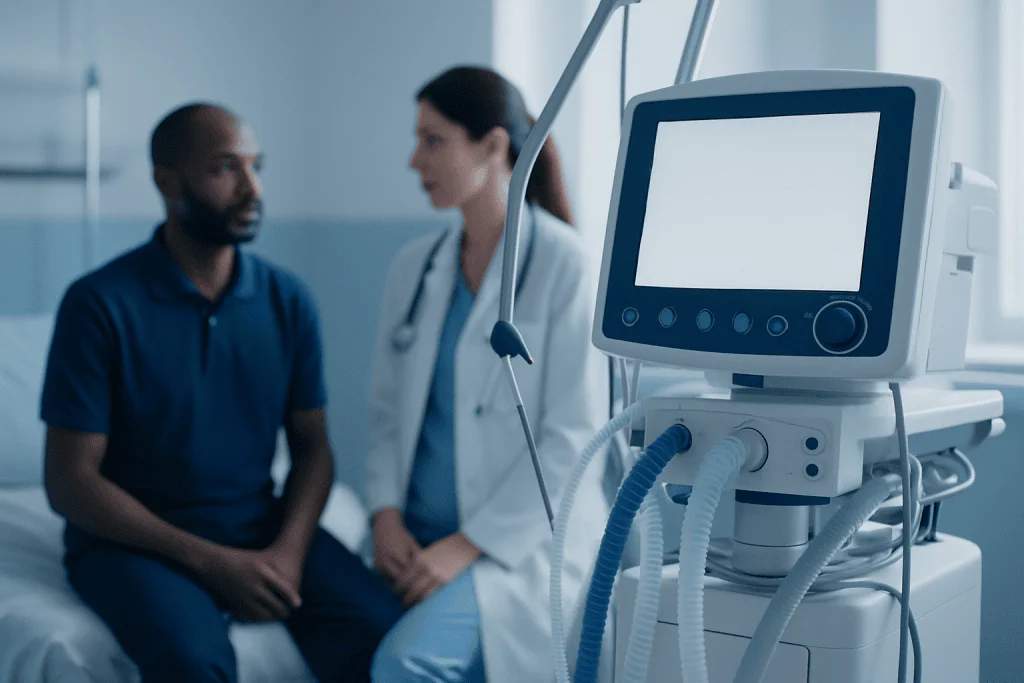
Stroke risk factors are commonly divided into non-modifiable and modifiable factors. Non-modifiable factors include older age, a family history of stroke, and certain inherited conditions. Some groups may also have a higher overall risk because of differences in health conditions, healthcare access, or genetics.
Modifiable risk factors are the main focus of prevention. High blood pressure is one of the strongest contributors to stroke risk. Other important factors include diabetes, high cholesterol, obesity, smoking, physical inactivity, poor sleep, heavy alcohol use, and heart rhythm problems such as atrial fibrillation. Conditions affecting the blood vessels, including carotid artery disease, can also reduce blood flow to the brain or increase the chance of clot formation.
Some medical conditions raise risk indirectly by damaging the heart or blood vessels over time. For example, untreated high blood pressure can strain arteries throughout the body, including those supplying the brain. A doctor may also look for atrial fibrillation in people with unexplained palpitations or a history of mini-strokes, because this rhythm problem can allow clots to form in the heart.
- High blood pressure
- Smoking or tobacco use
- Diabetes
- High cholesterol
- Atrial fibrillation and other heart disease
- Overweight and obesity
- Lack of exercise
- Excess alcohol use
- Unhealthy diet high in salt and saturated fats
- Previous stroke or transient ischemic attack (TIA)
Warning Signs That Need Emergency Care
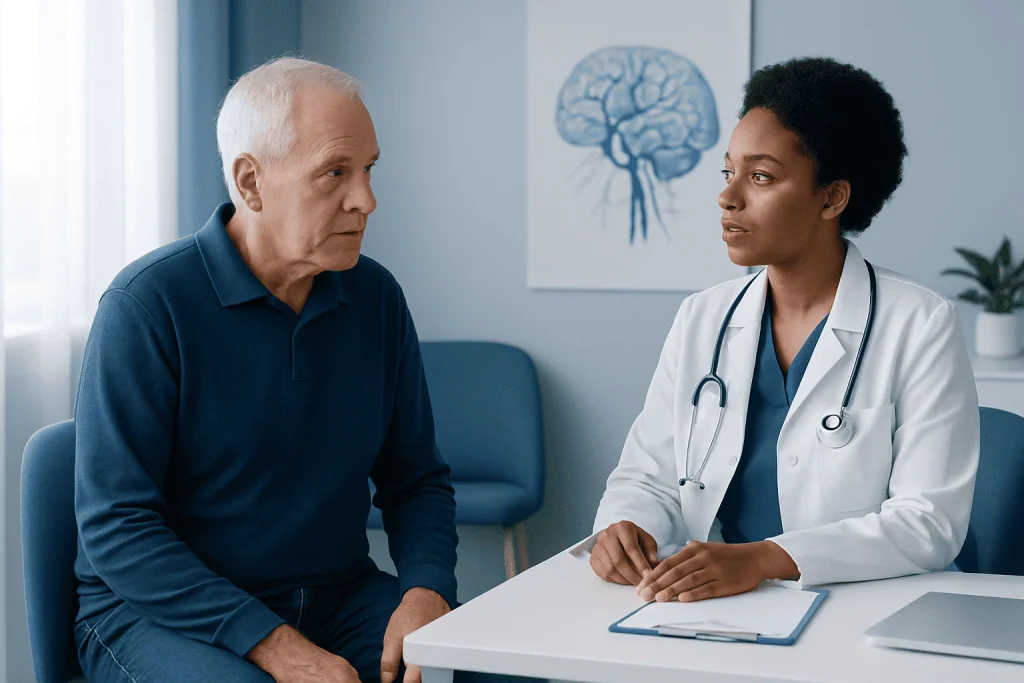
A stroke is a medical emergency. People should seek urgent medical attention right away if symptoms start suddenly, even if they improve after a few minutes. A temporary episode can be a transient ischemic attack, sometimes called a mini-stroke, and it may be an important warning sign of a future stroke.
Common warning signs include sudden numbness or weakness of the face, arm, or leg, especially on one side of the body. Other signs include sudden trouble speaking or understanding speech, confusion, sudden loss of balance, dizziness, severe unexplained headache, or sudden trouble seeing in one or both eyes.
A useful way to remember stroke warning signs is FAST: Face drooping, Arm weakness, Speech difficulty, Time to call emergency services. People should not wait to see if symptoms pass. Quick evaluation can make a major difference because some treatments work best when given as early as possible.
How Stroke Risk Is Assessed
Stroke prevention usually begins with a medical review of personal and family history, symptoms, and lifestyle. A doctor may ask about blood pressure readings, smoking, alcohol use, sleep habits, exercise, migraines, heart disease, and previous episodes of weakness, numbness, or speech difficulty. This helps identify both obvious and hidden risk factors.
Examination and testing may include blood pressure measurement, blood tests for glucose and cholesterol, and evaluation of heart rhythm. If atrial fibrillation is suspected, the doctor may recommend heart monitoring. Imaging or vascular studies can be used in selected patients to look at the brain, neck arteries, or heart structure when there is concern about stroke, TIA, or vessel disease.
Sometimes further assessment is needed to guide prevention. Depending on the situation, a clinician may recommend tests related to cardiology evaluation, neurology care, or preventive health check-up. The goal is not to test everyone in the same way, but to match the evaluation to each person’s age, symptoms, and health profile.
Daily Habits That Help Prevent Stroke
Healthy daily routines can meaningfully lower stroke risk over time. One of the most effective steps is keeping blood pressure in a healthy range through regular monitoring, medical care, and lifestyle changes. Taking prescribed medicines consistently is important, because blood pressure and cholesterol often stay high without causing noticeable symptoms.
Food choices matter as well. A diet centered on vegetables, fruits, beans, whole grains, nuts, and healthy fats can support heart and brain health. Many people benefit from reducing excess salt, processed foods, sugary drinks, and foods high in saturated or trans fats. Drinking enough water and choosing balanced meals may also help support healthy blood pressure and weight.
Regular physical activity supports circulation, weight management, blood sugar control, and emotional well-being. Even moderate exercise done most days of the week can help. Quitting smoking is another major step, since tobacco damages blood vessels and increases clot risk. People who drink alcohol should do so in moderation, and those with sleep problems such as loud snoring or daytime sleepiness may benefit from discussing possible sleep apnea with a doctor.
- Check blood pressure regularly
- Take prescribed medications as directed
- Choose a diet rich in plant-based, minimally processed foods
- Stay physically active most days
- Stop smoking and avoid secondhand smoke
- Maintain a healthy weight
- Limit alcohol
- Manage stress and prioritize sleep
Medical Treatment for Stroke Prevention
For many people, stroke prevention includes medical treatment in addition to lifestyle changes. Doctors may prescribe medicines to lower blood pressure, improve cholesterol levels, control diabetes, or reduce the chance of blood clots. The exact plan depends on a person’s health history, stroke type, and test results.
People with atrial fibrillation may need medication to reduce clot formation, because this condition can send clots from the heart to the brain. Others may benefit from antiplatelet treatment if they have had a previous stroke or TIA, or if they have certain types of blood vessel disease. It is important not to start or stop these medicines without medical advice, because they can have risks as well as benefits.
In some cases, treating an underlying heart or blood vessel problem is part of prevention. A person with significant narrowing in the neck arteries may need specialist evaluation, and someone with rhythm abnormalities may need more advanced management through electrophysiology services. The best approach is individualized and should be reviewed regularly with a qualified clinician.
When to See a Doctor
Anyone with sudden stroke symptoms should seek emergency care immediately. Even if symptoms disappear quickly, urgent evaluation is still needed because a TIA can be a warning sign of a major stroke in the near future. Prompt care allows doctors to look for the cause and begin prevention early.
People should also arrange a routine medical visit if they have risk factors such as high blood pressure, diabetes, high cholesterol, irregular heartbeat, smoking, obesity, or a strong family history of stroke. New headaches, unexplained dizziness, episodes of weakness, or temporary vision or speech problems should be discussed without delay.
Regular follow-up is especially important after a previous stroke or TIA. A prevention plan may need adjustment over time as blood pressure, cholesterol, medications, or other conditions change. Near the end of the care pathway, some international patients may choose centers such as Acibadem International, where multidisciplinary specialists in JCI-accredited hospitals diagnose and treat stroke-related conditions with individualized care plans.
Frequently asked questions
What is the most important thing to do to prevent a stroke?
For many adults, controlling high blood pressure is one of the most effective ways to lower stroke risk. Other key steps include not smoking, staying active, eating a balanced diet, and managing conditions such as diabetes, high cholesterol, and atrial fibrillation.
Can a stroke be prevented completely?
Not every stroke can be prevented, because some risk factors such as age and family history cannot be changed. However, many strokes are linked to factors that can be treated or improved, so prevention can significantly reduce overall risk.
What are the first warning signs of a stroke?
Common warning signs include sudden facial drooping, arm weakness, speech difficulty, numbness on one side, vision changes, balance problems, or a severe sudden headache. These symptoms need emergency care right away, even if they improve quickly.
Does a healthy lifestyle really lower stroke risk?
Yes. Daily habits such as regular exercise, not smoking, limiting alcohol, maintaining a healthy weight, and following a heart-healthy eating pattern can improve blood pressure, cholesterol, and blood sugar, all of which affect stroke risk.
Who is at higher risk of stroke?
People with high blood pressure, diabetes, high cholesterol, heart disease, atrial fibrillation, obesity, or a history of TIA or stroke are at higher risk. Risk also tends to increase with age, and family history can play a role.
What is a TIA and why does it matter?
A transient ischemic attack, or TIA, is a temporary blockage of blood flow to the brain that causes stroke-like symptoms for a short time. It matters because it can be a warning sign that a full stroke may happen later, so urgent medical assessment is important.
References
- World Health Organization
- American Stroke Association
- Centers for Disease Control and Prevention
- National Institute of Neurological Disorders and Stroke
- European Stroke Organisation
This article is for general information only and is not a substitute for professional medical advice. Please consult a qualified doctor about your individual situation.
Explore treatments in Turkey — costs, top hospitals & a free quote
JCI-accredited · board-certified surgeons · reply within 24h
Add us as a Preferred Source to see more of our trusted health content across Google Search, AI Overviews and Discover.
Check your numbers in seconds
BMI, calories, due date, blood pressure and 30+ more clinical calculators — free, instant, doctor-reviewed ranges.