How to Prevent Falls at Home for Older Adults

Most falls happen because several small risk factors add up, such as poor lighting, loose rugs, weak muscles, or side effects from medicines. Simple home changes like adding grab bars, improving lighting, and removing clutter can significantly lower fall risk.
Key Takeaways
- Most falls happen because several small risk factors add up, such as poor lighting, loose rugs, weak muscles, or side effects from medicines.
- Simple home changes like adding grab bars, improving lighting, and removing clutter can significantly lower fall risk.
- Regular exercise that supports strength and balance is one of the most effective ways to prevent falls.
- Vision checks, footwear choices, and medication reviews are important parts of fall prevention.
- A doctor should assess any fall, repeated near-falls, dizziness, or sudden changes in walking or balance.
Many falls in older adults can be prevented with practical changes at home and regular attention to health, balance, vision, and medications. A safer living space, supportive routines, and early medical advice can help maintain independence and confidence.
Overview
Fall prevention is an important part of healthy aging. As people get older, changes in strength, balance, eyesight, reaction time, and medical conditions can make everyday movements less steady. Even a small hazard at home, such as a slippery bathroom floor or a loose electrical cord, may increase the chance of a fall.
Preventing falls at home for older adults usually works best when it combines two approaches: making the home safer and supporting overall health. This may include better lighting, safer flooring, regular exercise, medication review, and managing conditions that affect mobility or alertness.
Falls are not an inevitable part of aging. Many can be prevented with thoughtful planning and small, practical adjustments. Taking action early can help older adults stay active, independent, and confident in their daily routines.
Why Falls Happen
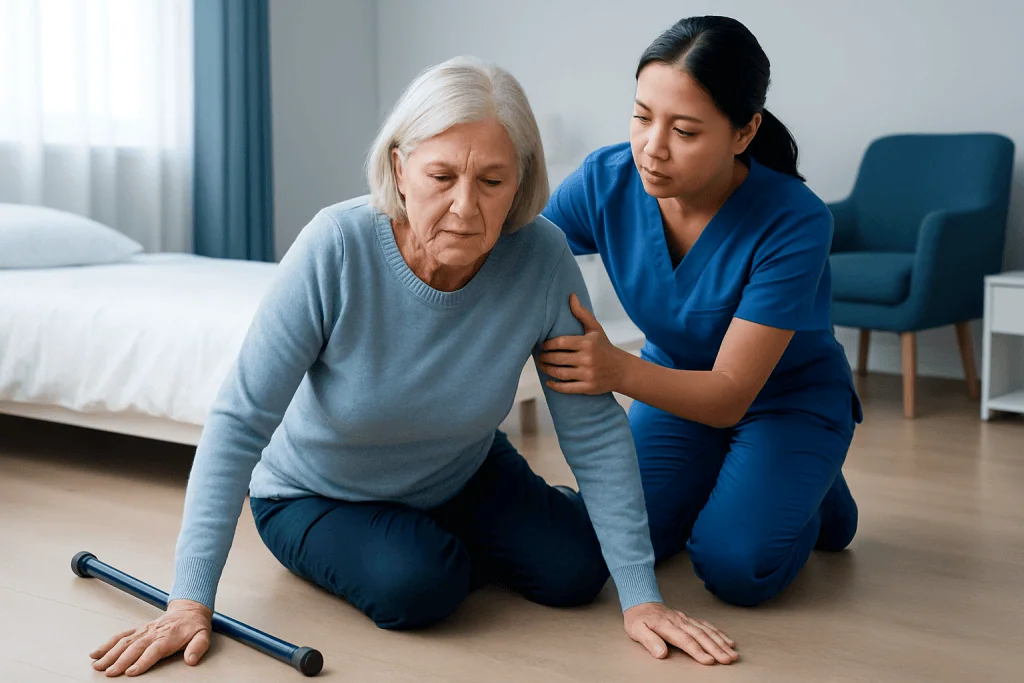
Falls often happen because of a combination of personal and environmental factors rather than a single cause. For example, an older adult with mild leg weakness may be able to move around well most of the time, but if they get up quickly at night in a dim hallway, they may lose balance. Understanding these overlapping risks is the first step toward prevention.
Physical factors can include reduced muscle strength, poor balance, joint pain, foot problems, slower reflexes, dizziness, low blood pressure, and chronic conditions such as arthritis, diabetes, heart disease, or neurological disorders. Memory problems or confusion may also make it harder to notice hazards or use mobility aids correctly.
Home-related risks are also common. Slippery floors, cluttered walkways, uneven steps, low seating, hard-to-reach storage, and bathrooms without grab bars can all contribute. In many cases, reducing just a few of these hazards makes daily life much safer.
- Weak muscles or reduced balance
- Poor vision or outdated eyeglass prescriptions
- Side effects from medications
- Trips caused by rugs, cords, or clutter
- Slippery bathrooms and kitchens
- Improper footwear or walking barefoot on smooth floors
Common Home Safety Changes

One of the most effective ways to prevent falls at home for older adults is to identify and remove hazards room by room. A safer home does not need to look clinical. Simple updates can improve safety while preserving comfort and independence.
Good lighting is especially important. Bright, even lighting helps older adults see obstacles clearly and judge steps or changes in floor level. Light switches should be easy to reach, and night-lights can help guide trips to the bathroom or kitchen after dark. Motion-sensor lighting may also be helpful in hallways and entrances.
Floors and walkways should be kept clear and stable. Loose rugs can be removed or secured with non-slip backing. Electrical cords should be moved away from walking paths, and clutter should be reduced. Furniture should be arranged to create wide, easy routes through each room, especially for anyone using a cane or walker.
Bathrooms, stairs, and bedrooms deserve special attention. Installing grab bars near the toilet and in the shower, placing non-slip mats in wet areas, adding handrails on both sides of stairs, and choosing a bed height that is easy to get in and out of can all reduce risk.
- Use bright lighting in hallways, bedrooms, bathrooms, and stairways
- Install grab bars and non-slip surfaces in bathrooms
- Secure or remove loose rugs
- Keep frequently used items within easy reach
- Add sturdy handrails to staircases
- Choose chairs with supportive arms to make standing easier
Health Factors That Affect Fall Risk
Medical and physical health play a major role in fall prevention. Medicines are a common example. Some prescription and over-the-counter drugs can cause drowsiness, dizziness, blurred vision, or a drop in blood pressure, especially when standing up. This is why regular medication review with a doctor or pharmacist is so valuable, particularly after new medicines are started.
Vision and hearing also matter. Poor vision can make it difficult to see edges, objects on the floor, or low lighting conditions. Hearing changes may affect awareness of the environment and balance in some people. Routine eye checks, up-to-date glasses, and attention to hearing concerns can support safer movement around the home.
Chronic conditions may affect balance and mobility over time. Arthritis can make steps and transfers painful. Diabetes may reduce sensation in the feet. Neurological conditions can change gait or coordination, and inner ear disorders may lead to dizziness or vertigo. If symptoms such as dizziness, unsteadiness, numb feet, or repeated near-falls are present, a medical assessment is important. In some people, evaluation may include a comprehensive health check-up to identify reversible causes.
Bone health is another consideration. While preventing the fall itself is the main goal, reducing the chance of serious injury also matters. A doctor may assess osteoporosis risk, especially after menopause, with long-term steroid use, or after a low-impact fracture. Supportive care may overlap with management of osteoporosis when bone strength is a concern.
Exercise, Balance, and Mobility Support
Exercise is one of the most effective ways to reduce fall risk. Activities that improve leg strength, core stability, flexibility, and balance can make everyday tasks safer, from climbing stairs to getting up from a chair. Gentle, regular exercise is often more helpful than occasional intense effort.
Programs that focus on balance and strength may include walking, chair exercises, tai chi, supervised resistance training, or physical therapy-based routines. The right choice depends on the person’s fitness level, medical conditions, and whether they already use a mobility aid. A healthcare professional can help identify a safe starting point.
Footwear should not be overlooked. Shoes should fit well, support the heel, and have non-slip soles. Slippers without support, high heels, and shoes with worn soles may increase risk. Walking barefoot on polished or wet surfaces can also make slipping more likely.
For older adults who have had a recent fall, feel unsteady, or are recovering from illness or surgery, targeted rehabilitation may be helpful. In selected cases, a doctor may recommend physical therapy and rehabilitation to improve gait, strength, confidence, and safe use of walking aids.
Daily Habits That Help Prevent Falls
Many falls occur during ordinary routines, so small daily habits can make a meaningful difference. Standing up slowly from bed or a chair gives the body time to adjust, especially for people who feel lightheaded when they rise. Taking a moment before walking can improve balance and prevent sudden dizziness from leading to a fall.
Hydration, regular meals, and sleep also matter. Dehydration, low blood sugar, and fatigue can increase weakness, confusion, or dizziness. Keeping water available, eating balanced meals, and maintaining a consistent sleep schedule can support steadier movement throughout the day.
Using mobility aids correctly is another important habit. Canes and walkers should be fitted properly and used consistently when recommended. Some people avoid them out of concern that they signal frailty, but well-chosen mobility aids often improve confidence and help preserve independence.
Emergency planning can also provide reassurance. Keeping a phone within reach, using a wearable alert device if needed, and checking in regularly with family or caregivers can help ensure quick assistance if a fall does happen. These steps do not replace prevention, but they support safety and peace of mind.
- Stand up slowly and pause before walking
- Stay hydrated and avoid skipping meals
- Use prescribed walking aids properly
- Keep a phone accessible in key rooms
- Plan regular check-ins for people living alone
When to Seek Medical Advice
A doctor should be consulted after any fall that causes pain, bruising, swelling, head injury, or difficulty walking. Even if there is no obvious injury, a fall may be a sign of an underlying medical issue such as low blood pressure, heart rhythm changes, medication side effects, infection, vision problems, or a neurological condition.
Medical advice is also important for repeated near-falls, new unsteadiness, dizziness, fainting, sudden weakness, or changes in memory or walking pattern. These symptoms deserve prompt evaluation, especially if they appear suddenly or are getting worse. Early treatment can sometimes prevent future falls and improve quality of life.
For people with persistent balance problems, pain that limits mobility, or concern about bone or joint health, further assessment may be useful. Depending on the situation, this may include imaging, specialist evaluation, or support for conditions affecting movement, including arthritis.
Older adults who need coordinated assessment and treatment may benefit from a multidisciplinary approach. Acibadem International’s specialists in JCI-accredited hospitals diagnose and treat fall-related risks for international patients, including evaluation of balance, bone health, mobility, and rehabilitation needs.
Frequently asked questions
What is the best way to prevent falls at home for older adults?
The best approach combines home safety improvements with attention to health. Removing trip hazards, improving lighting, adding grab bars, reviewing medications, and doing balance and strength exercises are all important. A doctor can help identify personal risk factors and recommend the safest plan.
Which room in the home is usually the most dangerous for falls?
Bathrooms and stairways are often high-risk areas because of wet surfaces, hard floors, and changes in height. Bedrooms and hallways can also be risky at night if lighting is poor. Safety changes in these spaces can greatly reduce the chance of falling.
Can medications increase fall risk in older adults?
Yes. Some medicines may cause dizziness, sleepiness, blurred vision, or low blood pressure, especially when standing. Regular medication review with a doctor or pharmacist can help reduce these risks.
Do exercise programs really help prevent falls?
Yes, exercise can make a major difference. Activities that improve strength, balance, and flexibility often help older adults move more safely and confidently. The most suitable program depends on the person's health, mobility, and previous fall history.
Should an older adult see a doctor after a minor fall?
It is wise to seek medical advice after a fall, even if the person feels mostly well. Some injuries are not immediately obvious, and the fall itself may signal a health problem that needs attention. Urgent care is especially important after a head injury, severe pain, fainting, or trouble walking.
What kind of shoes are safest for older adults at home?
Shoes with a secure fit, good heel support, and non-slip soles are usually the safest choice. Loose slippers, worn shoes, and walking barefoot on smooth floors can increase the risk of slipping. Comfort and stability are more important than style when preventing falls.
References
- World Health Organization
- Centers for Disease Control and Prevention
- National Institute on Aging
- American Geriatrics Society
- National Health Service
This article is for general information only and is not a substitute for professional medical advice. Please consult a qualified doctor about your individual situation.
Explore treatments in Turkey — costs, top hospitals & a free quote
JCI-accredited · board-certified surgeons · reply within 24h
Add us as a Preferred Source to see more of our trusted health content across Google Search, AI Overviews and Discover.
Check your numbers in seconds
BMI, calories, due date, blood pressure and 30+ more clinical calculators — free, instant, doctor-reviewed ranges.