

Facial Rejuvenation Therapy: How It Works and Who It Suits

Facial rejuvenation therapy can be non-surgical, minimally invasive, or surgical. The best approach depends on skin quality, facial volume, laxity, age-related changes, and personal goals.
Key Takeaways
- Facial rejuvenation therapy can be non-surgical, minimally invasive, or surgical.
- The best approach depends on skin quality, facial volume, laxity, age-related changes, and personal goals.
- A medical assessment helps match each person to the safest and most suitable treatment plan.
- Results and recovery vary widely between treatments, from little downtime to several weeks.
- Sun protection, skin care, and healthy habits help maintain results over time.
Facial rejuvenation therapy refers to treatments that improve visible signs of aging, sun damage, and volume loss in the face. It can include skin-based procedures, injectables, laser treatments, or surgery, depending on a person’s goals, skin condition, and preferred recovery time.
Overview of Facial Rejuvenation Therapy
Facial rejuvenation therapy is a broad term for treatments designed to refresh the appearance of the face. These treatments may target fine lines, wrinkles, uneven skin tone, sun damage, sagging skin, enlarged pores, acne scars, or loss of facial volume. Some people seek treatment to restore a more rested look, while others want to address specific features such as the forehead, eyelids, cheeks, jawline, or neck.
There is no single facial rejuvenation treatment that suits everyone. Options range from non-surgical methods, such as medical skin care, injectables, chemical peels, and energy-based treatments, to operations that lift and tighten deeper tissues. A treatment plan may use one method or combine several approaches for more balanced results.
Modern facial rejuvenation aims to preserve natural facial expression rather than create an overly altered appearance. In many cases, treatment focuses on the underlying causes of visible aging, including reduced collagen, changes in skin texture, shifting fat pads, and skin laxity. A careful evaluation helps identify which layers of the face need attention.
What It Can Treat
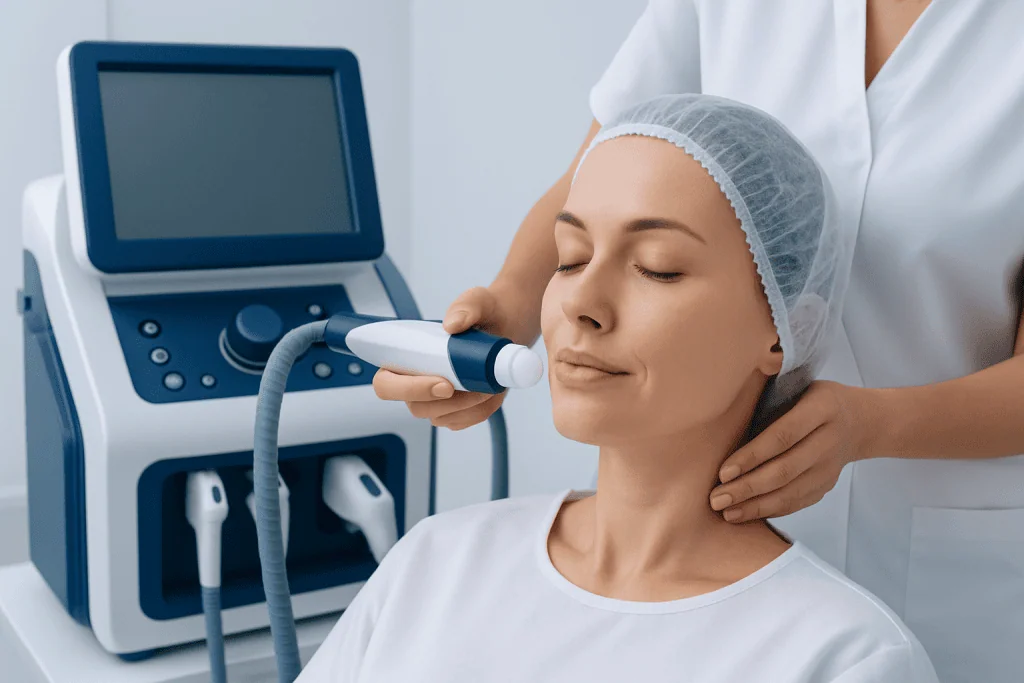
Facial rejuvenation therapy can address a wide range of cosmetic concerns. Common targets include forehead lines, frown lines, crow’s feet, under-eye hollowness, loss of cheek volume, folds around the nose and mouth, uneven pigmentation, rough texture, and skin laxity around the jawline or neck. Some treatments are also used to improve acne scarring or mild vascular changes.
Different concerns respond to different methods. For example, dynamic expression lines may be treated with muscle-relaxing injections, while volume loss may respond better to dermal fillers or fat transfer. Surface issues such as pigmentation, texture changes, and some scars may improve with lasers, peels, microneedling, or other resurfacing procedures.
When aging changes are more advanced, surgery may offer the most meaningful improvement. Procedures such as facelift surgery can reposition tissue and reduce laxity that non-surgical methods cannot fully correct. Some people also benefit from combining facial rejuvenation with eyelid surgery when tired-looking eyes are a major concern.
How Facial Rejuvenation Works

Facial rejuvenation works by improving one or more of the key processes behind visible aging. These include decreased collagen production, slower skin renewal, volume loss in the cheeks and temples, muscle activity that creates expression lines, and loosening of the skin and supporting tissues. Each treatment is designed to target one or several of these changes.
Non-surgical options often work by stimulating collagen, smoothing the skin surface, relaxing specific muscles, or restoring lost volume. Examples include injectable treatments, laser and light therapies, radiofrequency, ultrasound-based procedures, peels, and medical-grade skin care. These methods usually involve less downtime, but they may require repeated sessions and maintenance over time.
Surgical treatments work at a deeper structural level. A facelift, brow procedure, or eyelid operation can tighten or reposition tissues, remove excess skin, and improve facial contours. Surgery generally produces longer-lasting changes but involves a more involved recovery. In some cases, a surgeon may recommend combining procedures such as rhinoplasty or skin resurfacing to support overall facial harmony.
Many people benefit most from a layered approach. For instance, surgery may address sagging, while skin-based treatments improve pigmentation and texture. This combination approach is often considered when a person has concerns that affect different facial layers rather than just one isolated issue.
Who It Suits Best
Facial rejuvenation therapy can suit adults of different ages, provided the treatment matches their needs and health status. Younger adults may seek preventive or early treatments for sun damage, acne scarring, or expression lines. Middle-aged and older adults often seek help for skin laxity, volume loss, deeper wrinkles, and changes in facial contours.
A suitable candidate usually has realistic expectations and a clear understanding of what treatment can and cannot achieve. Non-surgical procedures may be well suited to people with mild to moderate concerns, those who prefer little downtime, or those who want gradual improvement. Surgical options may be more appropriate for more advanced tissue laxity or when a person wants stronger, longer-lasting correction.
Skin type, medical history, medications, smoking status, and healing tendency all matter. Certain conditions, such as active skin infection, uncontrolled chronic illness, or a tendency to form problematic scars, may affect treatment choices. People with a history of conditions such as skin cancer or recurrent inflammatory skin disease may need specific dermatologic evaluation before cosmetic procedures.
The best candidates are also prepared to care for their skin after treatment. Ongoing sun protection, appropriate skin care, and follow-up appointments are important parts of maintaining results and reducing the risk of avoidable complications.
Assessment and Treatment Planning
Before facial rejuvenation therapy, a clinician typically performs a detailed consultation. This includes asking about medical conditions, allergies, previous cosmetic procedures, medications, smoking, and any history of poor wound healing. The face is examined at rest and in motion to understand skin quality, facial symmetry, volume distribution, and tissue support.
Good planning is especially important because facial aging is not only about wrinkles. A person may feel that one feature is the problem, but a broader assessment may show that the concern is related to several factors, such as skin thinning, cheek descent, or eyelid changes. For that reason, treatment plans are often individualized rather than based on age alone.
Photographs may be taken to document the starting point and help discuss goals. In many consultations, the clinician explains the likely benefits, limitations, possible side effects, expected recovery, and how long results may last. This helps the person make an informed decision and compare non-surgical and surgical choices in a realistic way.
If there are signs of an underlying skin condition, suspicious lesions, or severe inflammation, medical assessment may be recommended before proceeding. Cosmetic treatment should not delay the diagnosis of important skin problems, including conditions such as melanoma when a pigmented lesion appears unusual.
Treatment Options and Recovery
Non-surgical facial rejuvenation options include neuromodulators, dermal fillers, chemical peels, microneedling, laser resurfacing, intense pulsed light, radiofrequency, ultrasound-based skin tightening, and prescription skin care. These treatments may improve fine lines, pigmentation, mild laxity, and early volume loss. Recovery can range from almost none to several days of redness, swelling, or peeling, depending on the procedure.
Minimally invasive treatments can be appealing because they are usually performed without general anesthesia and often allow a faster return to daily activities. However, they are not always substitutes for surgery. In people with significant sagging or excess skin, non-surgical methods may have limited effect and may need repeated maintenance sessions.
Surgical facial rejuvenation may include facelift, neck lift, eyelid surgery, brow lift, or fat grafting. These procedures can provide more substantial structural improvement, but they require careful preparation and a longer healing period. Temporary bruising, swelling, tightness, and activity restrictions are common parts of recovery.
After any procedure, aftercare instructions should be followed closely. This may include wound care, avoiding strenuous activity for a period, sleeping with the head elevated, using gentle skin products, and protecting healing skin from sun exposure. The exact timeline varies by treatment and by the individual’s healing response.
- Shorter recovery: many injectables and light skin treatments
- Moderate recovery: resurfacing procedures, deeper peels, some energy-based treatments
- Longer recovery: facelift and other facial surgeries
Benefits, Risks, and Long-Term Care
The main benefit of facial rejuvenation therapy is improvement in facial appearance in a way that aligns with a person’s goals. Depending on the treatment, this may include smoother skin, more even tone, softer lines, improved definition, or a fresher overall look. For many people, the goal is not to look different, but to look less tired or more in keeping with how they feel.
Like all medical and cosmetic procedures, facial rejuvenation carries some risk. Common temporary effects include redness, swelling, bruising, tenderness, or peeling. Less common but more important risks depend on the treatment and may include infection, prolonged pigmentation changes, scarring, asymmetry, unsatisfactory cosmetic outcome, or complications related to anesthesia in surgery. Choosing a qualified clinician and following aftercare guidance help reduce risk.
Long-term results depend on the method used, the person’s skin, and lifestyle factors. Aging continues naturally, so no treatment stops it completely. Maintenance sessions may be needed after non-surgical treatments, and even surgical results gradually evolve over time as the face continues to age.
Daily sun protection, smoking avoidance, sleep, nutrition, and consistent skin care support better long-term outcomes. Near the end of the care pathway, some people choose to continue follow-up with a multidisciplinary team. Acibadem International’s specialists in JCI-accredited hospitals diagnose and treat facial aging concerns for international patients, with plans tailored to individual needs.
When to Seek Professional Advice
Professional advice is helpful when a person is considering facial rejuvenation but is unsure which treatment is suitable. A consultation can clarify whether the main issue is skin quality, volume loss, muscle-related lines, or tissue laxity. This makes it easier to choose a treatment that is more likely to meet expectations safely.
A doctor should also be consulted if there is active acne, rosacea, eczema, recurrent cold sores, unusual moles, or a history of significant allergic reactions. These factors do not always prevent treatment, but they may affect timing, preparation, or the safest option. New or changing pigmented lesions should be medically assessed before any cosmetic procedure.
After treatment, prompt medical review is important if symptoms seem unusual or severe. Increasing pain, spreading redness, significant asymmetry, fever, skin color changes, or visual symptoms after facial procedures should not be ignored. Early evaluation helps address possible complications quickly and appropriately.
Frequently asked questions
What is facial rejuvenation therapy?
Facial rejuvenation therapy is a group of treatments used to improve visible signs of aging, sun damage, and skin texture changes in the face. It may include non-surgical procedures, injectables, skin resurfacing, or surgery, depending on the person’s concerns and goals.
Is facial rejuvenation always surgical?
No. Many facial rejuvenation treatments are non-surgical or minimally invasive, such as injectables, laser treatments, chemical peels, or microneedling. Surgery is usually considered when there is more significant sagging, excess skin, or a need for longer-lasting structural improvement.
How long do results last?
Results vary by treatment type, skin condition, age-related changes, and lifestyle habits. Some non-surgical treatments last months and may need maintenance, while surgical results often last longer but still change gradually as natural aging continues.
Who is a good candidate for facial rejuvenation therapy?
A good candidate is someone in suitable general health who has realistic expectations and wants to address specific facial concerns. The best treatment depends on skin quality, degree of laxity, facial volume, recovery preferences, and medical history.
What is recovery like after facial rejuvenation?
Recovery depends on the procedure. Some treatments involve only mild redness or swelling for a short time, while others, especially surgery, may require a longer healing period with bruising, swelling, and temporary activity limits.
Are there risks with facial rejuvenation therapy?
Yes, all procedures carry some degree of risk, although many are manageable when treatment is performed appropriately. Possible issues include bruising, swelling, pigment changes, infection, asymmetry, scarring, or results that do not fully match expectations.
References
- American Society of Plastic Surgeons
- American Academy of Dermatology
- British Association of Aesthetic Plastic Surgeons
- National Health Service
- International Society of Aesthetic Plastic Surgery
This article is for general information only and is not a substitute for professional medical advice. Please consult a qualified doctor about your individual situation.
Facial Rejuvenation in Turkey — costs, top hospitals & a free quote
JCI-accredited · board-certified surgeons · reply within 24h
Add us as a Preferred Source to see more of our trusted health content across Google Search, AI Overviews and Discover.

More from the Health Library



Related Specialists
Prof. Dr. Seyhan Topbaş
Ophthalmology
Dr. Oya Yeşim Hacımustafaoğlu Utkan
Dermatology
Dr. Davit Çukran
Internal Medicine
Prof. Dr. Kübra Eren Bozdağ
Dermatology