Ovarian Cyst Surgery: Who Needs It and What Recovery Looks Like

Many ovarian cysts go away on their own and do not require surgery. Surgery may be recommended for cysts that are large, persistent, painful, complex, or concerning for complications.
Key Takeaways
- Many ovarian cysts go away on their own and do not require surgery.
- Surgery may be recommended for cysts that are large, persistent, painful, complex, or concerning for complications.
- Minimally invasive laparoscopic surgery is often used, but some patients need open surgery depending on the cyst and overall situation.
- Recovery time varies by procedure, with shorter recovery after laparoscopy and longer healing after open surgery.
- Follow-up care is important to review pathology results, monitor healing, and discuss future fertility if relevant.
Ovarian cyst surgery is not needed for every cyst, but it can be an important treatment when a cyst is large, persistent, painful, or suspicious. Understanding when surgery is recommended and what recovery involves can help patients feel more prepared and reassured.
Overview of ovarian cyst surgery
Ovarian cyst surgery is a procedure used to remove a cyst from or near an ovary. Ovarian cysts are fluid-filled or tissue-filled sacs that can develop during the menstrual cycle or for other reasons. Many are harmless and disappear without treatment, especially functional cysts linked to ovulation. Surgery is usually considered only when a cyst causes symptoms, does not go away, appears complex on imaging, or raises concern for complications.
The goal of surgery is to relieve symptoms, prevent urgent problems such as twisting or rupture, and make sure the cyst is properly evaluated. In many cases, the surgeon can remove only the cyst and preserve the ovary. In other situations, part or all of the affected ovary may need to be removed, particularly if the cyst is very large, has damaged the ovary, or is suspicious for cancer.
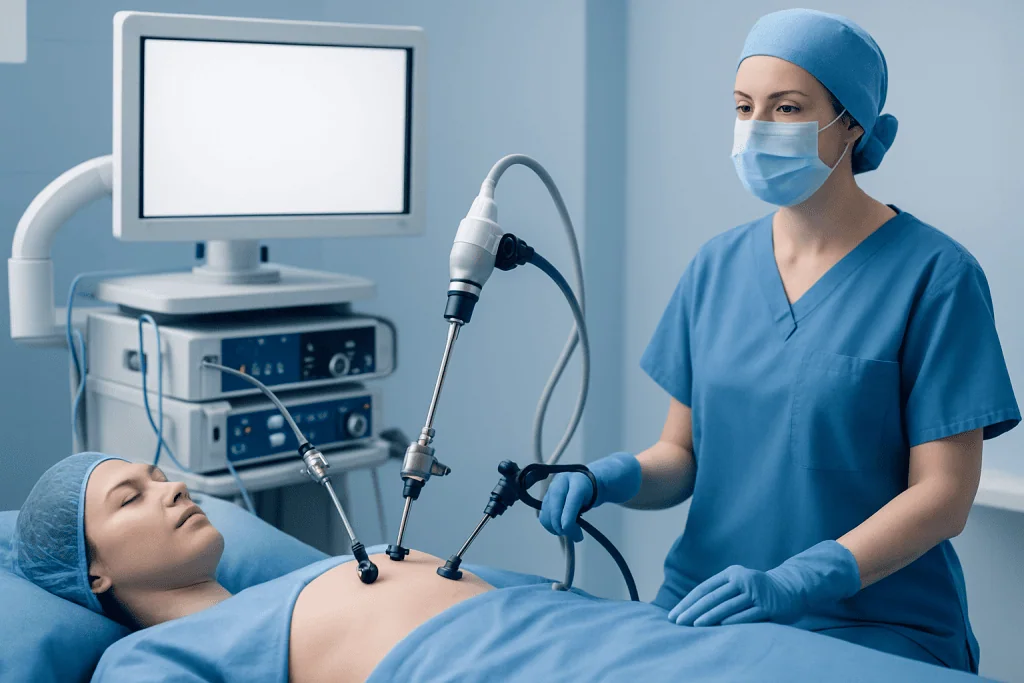
There are two main approaches. Laparoscopic surgery uses small cuts and a camera, and it is often preferred because it usually leads to less pain and a quicker recovery. Open surgery, also called laparotomy, may be recommended if the cyst is very large, if there is a higher concern for cancer, or if emergency treatment is needed.
Who may need ovarian cyst surgery
Not every ovarian cyst needs an operation. Doctors often monitor simple cysts with pelvic examination and ultrasound, especially if the patient has few or no symptoms. Surgery becomes more likely when a cyst persists over time, grows larger, causes significant discomfort, or has features that make it less likely to be a simple benign cyst.
Patients may be advised to have ovarian cyst surgery if they have:
- Persistent pelvic pain, pressure, bloating, or pain during intercourse
- A cyst that remains after several menstrual cycles or follow-up scans
- A large cyst that may increase the risk of twisting the ovary
- A complex cyst with solid areas, septations, or other concerning ultrasound findings
- Signs of complications such as rupture, internal bleeding, or ovarian torsion
- A cyst found after menopause, especially if it appears abnormal
Surgery may also be considered when the diagnosis is uncertain. Some ovarian masses can resemble benign cysts but require closer assessment, including conditions such as ovarian cancer or severe endometriosis. A personalized evaluation helps the care team choose the safest and most appropriate next step.
Symptoms and warning signs
Many ovarian cysts do not cause symptoms and are found during a routine pelvic exam or imaging test done for another reason. When symptoms do occur, they can include one-sided pelvic pain, a feeling of fullness or heaviness in the lower abdomen, bloating, changes in menstrual timing, or discomfort during exercise or sexual activity. These symptoms do not always mean surgery is needed, but they do justify medical evaluation.
Certain symptoms need more urgent attention because they may suggest complications. Sudden, severe pelvic pain can happen if a cyst ruptures or if the ovary twists around its supporting tissues, a condition called ovarian torsion. This may also cause nausea, vomiting, dizziness, weakness, or fever. Heavy vaginal bleeding or signs of fainting should also be assessed promptly.
Because the symptoms of ovarian cysts can overlap with other gynecologic and abdominal conditions, diagnosis should not be based on symptoms alone. Problems involving the uterus, bowel, bladder, or fallopian tubes can feel similar. A careful medical review helps guide the right testing and treatment plan.
How doctors diagnose and assess ovarian cysts
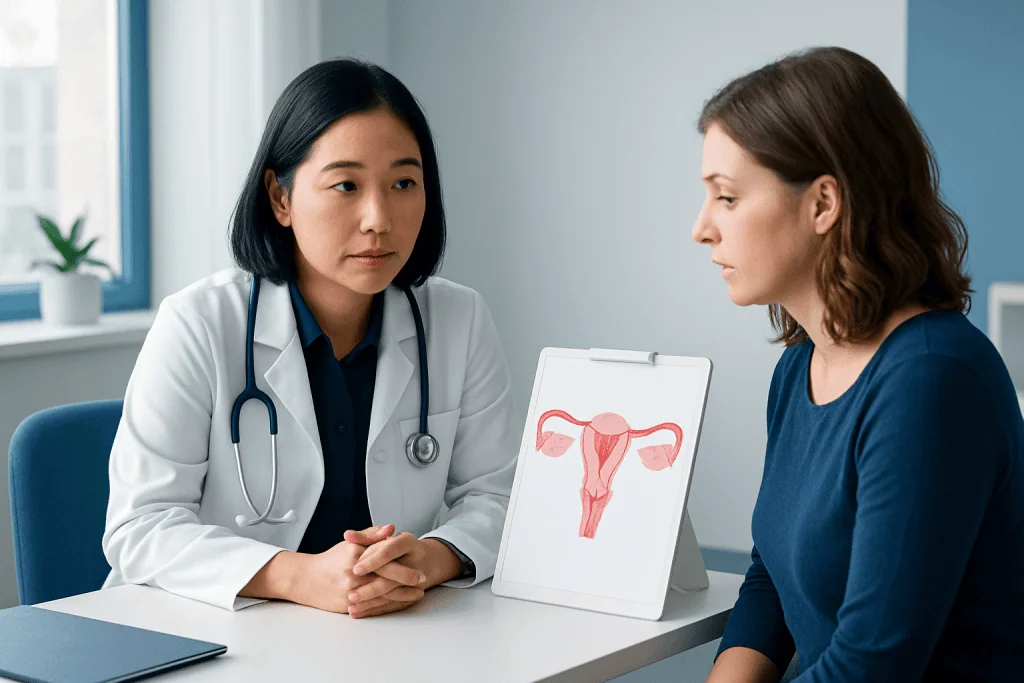
Diagnosis usually begins with a medical history and pelvic examination. The doctor asks about pain, menstrual patterns, pregnancy status, past cysts, family history, and whether the patient has symptoms such as bloating or urinary pressure. The next step is often a pelvic ultrasound, which helps show the cyst’s size, location, and whether it appears simple or complex.
Depending on age, symptoms, and scan findings, additional tests may be needed. Blood tests can help rule out pregnancy, infection, or other causes of pelvic pain. In selected cases, a tumor marker blood test such as CA-125 may be considered, especially after menopause or when imaging is concerning. However, these blood tests do not diagnose cancer on their own and must be interpreted in context.
If surgery is being considered, the doctor also reviews overall health, medications, fertility goals, and prior operations. Some patients may need further imaging such as MRI for a clearer view of the mass. This planning helps determine whether laparoscopy is appropriate or whether a more extensive operation may be safer.
Treatment options and types of surgery
Treatment depends on the type of cyst, symptoms, age, and whether the patient has reached menopause. Watchful waiting is common for simple cysts that are likely to resolve naturally. Pain relief and repeat ultrasound may be all that is needed. When surgery is recommended, the most common operation is cystectomy, which removes the cyst while leaving as much healthy ovary as possible.
Laparoscopic ovarian cyst surgery is often the preferred method for benign-appearing cysts. Through small incisions, the surgeon inserts a camera and fine instruments to remove the cyst. This approach usually means less postoperative pain, a shorter hospital stay, and faster return to normal activities. In more complex cases, surgical treatment for ovarian masses may involve a larger incision so the surgeon can remove the cyst safely and reduce the risk of spilling its contents.
Sometimes the ovary itself must be removed, especially if the cyst has replaced most of the ovarian tissue, if there is torsion with loss of blood supply, or if cancer is suspected. If there is concern that the cyst is related to another pelvic condition, additional procedures may be discussed at the same time. The exact plan should be explained before surgery whenever possible, including how fertility might be affected.
Pathology examination of the removed tissue is an important part of treatment. Even when a cyst appears benign on imaging, testing the tissue under a microscope provides a definite diagnosis. This result helps guide any follow-up care.
What recovery looks like after ovarian cyst surgery
Recovery depends on the type of surgery, the size and nature of the cyst, and the patient’s general health. After laparoscopic surgery, many patients go home the same day or after a short hospital stay. Mild to moderate abdominal discomfort, shoulder-tip pain from the gas used during laparoscopy, light vaginal spotting, and fatigue are common for a few days. Most patients gradually return to routine activities within one to two weeks, although full recovery may take longer.
Open surgery usually requires a longer hospital stay and a slower recovery. Soreness around the incision, reduced energy, and activity restrictions are more noticeable. Returning to work and exercise may take several weeks, and lifting limits are often advised during healing. The surgeon provides individualized instructions based on the operation performed.
At home, recovery is supported by rest, gentle walking, hydration, and taking medicines exactly as instructed. Patients are usually advised to avoid strenuous exercise, heavy lifting, and sexual intercourse until the doctor confirms that healing is progressing well. Follow-up visits are important to check the incision, review pathology, and discuss next steps if the cyst was related to a condition such as endometriosis treatment.
Patients should seek medical advice if they develop fever, worsening pain, heavy bleeding, vomiting, trouble urinating, shortness of breath, redness or drainage from the incision, or swelling in the legs. These symptoms do not always mean a serious problem, but they should be assessed promptly.
Fertility, prevention, and self-care
Many people worry about fertility when ovarian cyst surgery is discussed. In many cases, surgeons aim to preserve the ovary and reproductive potential, especially in younger patients who may want children in the future. The effect on fertility depends on the type of cyst, whether one or both ovaries are involved, and whether there is an underlying condition such as endometriosis or repeated cyst formation.
There is no guaranteed way to prevent all ovarian cysts. However, regular gynecologic care can help detect changes early and monitor cysts before they cause complications. Patients should keep track of pelvic pain, cycle changes, bloating, and any symptoms that seem persistent or unusual. This information can be useful at appointments.
Self-care after diagnosis may include following the recommended imaging schedule, using pain relief only as advised by a clinician, and avoiding delay if symptoms suddenly worsen. For patients needing specialist care, Acibadem International’s multidisciplinary teams in JCI-accredited hospitals diagnose and treat ovarian cysts and related gynecologic conditions for international patients.
When to see a doctor
A doctor should be consulted for ongoing pelvic pain, abdominal bloating, pressure symptoms, pain with intercourse, or menstrual changes that are new or persistent. Even though these symptoms often have non-serious causes, they deserve assessment, especially if they interfere with daily life.
Urgent medical care is important for sudden severe pelvic or abdominal pain, pain with nausea or vomiting, fainting, rapid weakness, fever, or heavy bleeding. These symptoms can occur with ovarian torsion, rupture, or other emergency conditions. Early treatment can help protect the ovary and reduce complications.
Patients who already know they have an ovarian cyst should follow the monitoring plan recommended by their doctor. If the pain changes suddenly, the abdomen becomes more swollen, or new symptoms appear, it is sensible to get medical advice rather than waiting for the next routine appointment.
Frequently asked questions
Do all ovarian cysts need surgery?
No. Many ovarian cysts are harmless, cause no symptoms, and go away on their own over time. Surgery is usually reserved for cysts that are persistent, large, painful, complex, or suspicious for complications or cancer.
How long does it take to recover from ovarian cyst surgery?
Recovery varies by procedure. After laparoscopic surgery, many patients feel significantly better within one to two weeks, while open surgery often requires several weeks of healing. The exact timeline depends on the operation, overall health, and whether there were any complications.
Can ovarian cyst surgery affect fertility?
It can, but many operations are designed to remove only the cyst and preserve the ovary. The impact on fertility depends on the type of cyst, the amount of ovarian tissue involved, and whether one or both ovaries are affected. Patients with future pregnancy plans should discuss this before surgery.
Is laparoscopic ovarian cyst surgery always possible?
Not always. Laparoscopy is often suitable for benign-looking cysts and offers a faster recovery, but some patients need open surgery. A larger incision may be safer if the cyst is very large, if there is an emergency, or if cancer is a concern.
What are the signs of a ruptured cyst or ovarian torsion?
Warning signs can include sudden severe pelvic pain, nausea, vomiting, dizziness, weakness, or heavy bleeding. These symptoms need prompt medical attention because they may indicate an urgent complication. Quick evaluation helps guide the right treatment.
Will the cyst come back after surgery?
Some cysts do not return, while others may recur depending on the underlying cause. Functional cysts can form again during future cycles, and conditions such as endometriosis can also increase recurrence risk. Follow-up care helps monitor for new symptoms or repeat cysts.
References
- American College of Obstetricians and Gynecologists
- National Institute for Health and Care Excellence
- Mayo Clinic
- National Cancer Institute
This article is for general information only and is not a substitute for professional medical advice. Please consult a qualified doctor about your individual situation.
Ovarian Cyst in Turkey — costs, top hospitals & a free quote
JCI-accredited · board-certified surgeons · reply within 24h
Add us as a Preferred Source to see more of our trusted health content across Google Search, AI Overviews and Discover.
Check your numbers in seconds
BMI, calories, due date, blood pressure and 30+ more clinical calculators — free, instant, doctor-reviewed ranges.

Gynecology & Obstetrics
Women’s health across pregnancy, gynecologic surgery and high-risk pregnancy care.
187 specialists in this unit