

Menopause Hormone Therapy: Who It Helps, Risks, and Expected Benefits

Menopause hormone therapy is most often used to treat bothersome hot flashes, night sweats, and genitourinary symptoms such as vaginal dryness. Benefits and risks vary by a woman’s age, health history, whether she still has a uterus, and how long it has been since menopause began.
Key Takeaways
- Menopause hormone therapy is most often used to treat bothersome hot flashes, night sweats, and genitourinary symptoms such as vaginal dryness.
- Benefits and risks vary by a woman’s age, health history, whether she still has a uterus, and how long it has been since menopause began.
- Systemic hormone therapy and local vaginal estrogen are used for different symptom patterns and are not interchangeable in every situation.
- The lowest effective dose for the shortest appropriate duration is often recommended, with regular follow-up and reassessment.
- Hormone therapy is not suitable for everyone, especially women with certain cancers, blood clotting disorders, stroke history, or unexplained vaginal bleeding.
Menopause hormone therapy can be an effective way to ease hot flashes, night sweats, sleep disruption, and vaginal dryness for some women. The best choice depends on symptoms, age, time since menopause, and personal health history, so treatment should be individualized with a qualified clinician.
Overview of Menopause Hormone Therapy
Menopause hormone therapy refers to treatment with estrogen alone or estrogen combined with a progestogen to relieve symptoms caused by falling hormone levels around menopause. It is sometimes called hormone replacement therapy, or HRT. Treatment may be given as tablets, skin patches, gels, sprays, vaginal creams, rings, or tablets, depending on the symptoms being treated and a woman’s medical profile.
The main purpose of menopause hormone therapy is symptom relief. It is most effective for vasomotor symptoms such as hot flashes and night sweats, and it can also help with sleep disturbance when these symptoms are the underlying cause. In addition, certain forms can improve vaginal dryness, discomfort during sex, urinary urgency, and recurrent irritation related to menopause.
Hormone therapy is not a one-size-fits-all treatment. Women who still have a uterus usually need both estrogen and a progestogen with systemic therapy to help protect the uterine lining. Women who have had a hysterectomy may be able to use estrogen alone. A doctor helps choose the right type, route, and dose based on symptoms, goals, and safety considerations.
Who It Helps and Expected Benefits
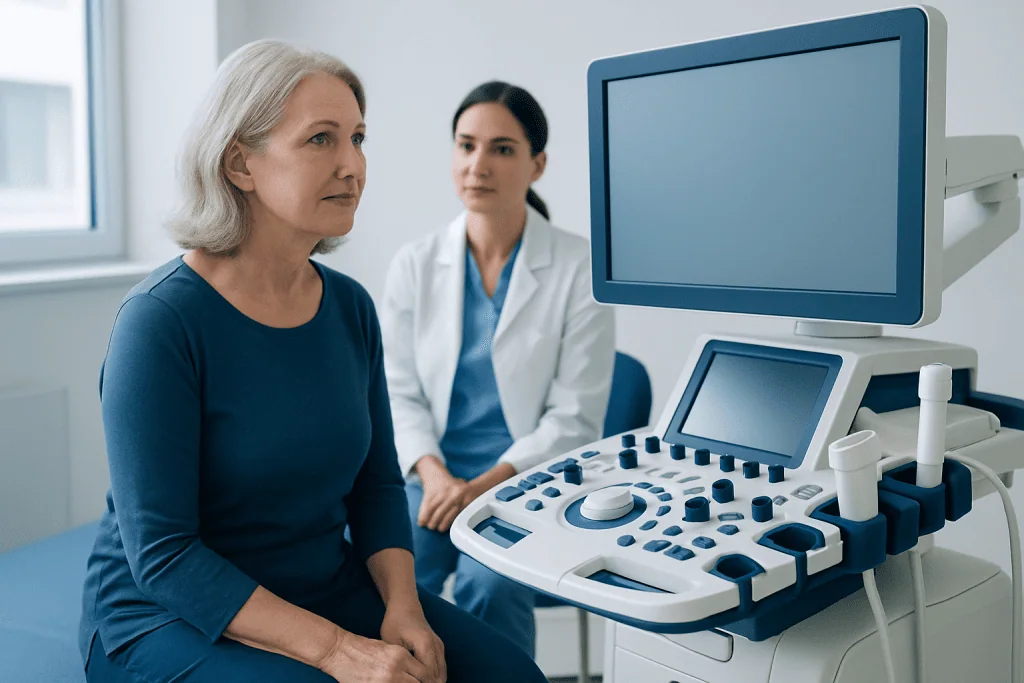
Menopause hormone therapy can help women whose menopause symptoms affect daily life, work, sleep, mood, or intimate comfort. The strongest evidence supports its use for moderate to severe hot flashes and night sweats. Many women also notice improvement in sleep quality and overall quality of life once these symptoms are better controlled.
For women with vaginal dryness, burning, discomfort with intercourse, or urinary symptoms related to menopause, low-dose vaginal estrogen may be especially helpful. Because it acts mainly in local tissues, it is often used when symptoms are limited to the vaginal and urinary area. This differs from systemic therapy, which circulates throughout the body and is used more often for hot flashes and wider symptoms.
Hormone therapy may also help prevent bone loss in some women around menopause, particularly when fracture risk is a concern and other options are not suitable. However, it is not appropriate for everyone and is not usually started only for general wellness, skin changes, or weight control. The decision should focus on clear symptom relief and overall risk-benefit balance.
In some situations, menopause can happen earlier than expected, including after surgery or certain medical treatments. Women with early or premature menopause may have different needs and may benefit from specialized assessment, especially if fertility or long-term bone and heart health are concerns. Related conditions such as menopause and ovarian cancer treatment history can affect which options are safest.
Types of Hormone Therapy

There are two broad approaches: systemic hormone therapy and local vaginal therapy. Systemic treatment includes oral tablets, transdermal patches, gels, and sprays that deliver estrogen throughout the body. These are usually chosen for hot flashes, night sweats, and broader menopause symptoms. If a woman has a uterus, a progestogen is generally added to reduce the risk of endometrial overgrowth.
Local vaginal therapy includes low-dose creams, tablets, inserts, or rings used primarily for vaginal and urinary symptoms. These products typically deliver much lower doses directly to the tissues involved. In many cases, they provide effective relief with less overall hormone exposure than systemic treatment.
The route of treatment can matter. For example, transdermal estrogen may be preferred for some women because it avoids first-pass metabolism in the liver and may be a better option in certain risk profiles. A clinician may also discuss nonhormonal options if hormone therapy is not suitable or if symptoms are mild.
When symptoms are complex, doctors may combine careful assessment with other gynecologic care. In some women, bothersome bleeding, pelvic symptoms, or uterine conditions need evaluation before treatment begins, and related procedures such as hysteroscopy may be considered when appropriate.
Risks, Side Effects, and Who Should Avoid It
Like any medical treatment, menopause hormone therapy has possible risks as well as benefits. The balance depends on age, time since menopause, dose, route, duration of use, and personal medical history. For many healthy women who start treatment near menopause and use it mainly for symptom relief, the overall benefit-risk profile can be favorable, especially when symptoms are significant.
Known concerns may include blood clots, stroke, gallbladder disease, and, in some situations, breast cancer risk with combined estrogen-progestogen therapy over time. Estrogen alone has a different risk pattern from combined therapy. Common side effects can include breast tenderness, bloating, headaches, nausea, or irregular bleeding, especially during the first months of treatment.
Hormone therapy is usually not recommended for women with unexplained vaginal bleeding, a history of certain estrogen-sensitive cancers, prior blood clots, some liver diseases, stroke, or known coronary disease in particular settings. Women with migraine, high blood pressure, diabetes, or strong family histories may still be candidates, but they need individualized review rather than automatic exclusion.
Any new bleeding after menopause should be assessed rather than assumed to be a harmless treatment effect. Depending on the cause, doctors may need to rule out uterine problems before continuing or changing therapy, particularly if symptoms overlap with conditions such as endometrial cancer.
How Doctors Decide if It Is Right
Assessment begins with a detailed history of symptoms, menstrual pattern, age at menopause, and personal goals. A doctor also reviews medical conditions, past surgeries, family history, smoking status, medications, and any history of breast disease, clotting problems, stroke, or heart disease. This helps identify who is likely to benefit and who may need alternatives.
Menopause itself is often diagnosed clinically based on age and symptoms, especially when periods have become irregular or stopped. Blood tests are not always necessary, though they may be used in selected cases, such as very early menopause, uncertain diagnosis, or symptoms that could have another cause. A pelvic exam, breast evaluation, or additional imaging may be recommended depending on symptoms.
The clinician then matches the treatment to the symptom pattern. Systemic therapy may be chosen for hot flashes and night sweats, while local therapy may be enough for vaginal and urinary symptoms. Women who still have a uterus generally need endometrial protection with a progestogen if using systemic estrogen. Regular review is important so treatment can be adjusted if symptoms change.
If menopause symptoms occur in the setting of surgical gynecologic treatment or other reproductive health issues, coordinated care may be useful. Depending on the situation, the care plan may intersect with services such as IVF counseling for fertility questions or gynecologic oncology review when there is a cancer-related history.
Treatment Use, Monitoring, and Alternatives
When hormone therapy is started, the aim is usually to use the lowest effective dose that provides meaningful relief. The best duration varies. Some women need treatment for a relatively short period, while others may need longer use with regular reassessment. Stopping is not always required by a fixed deadline; instead, the decision is guided by symptoms and evolving health risks.
Follow-up visits help track symptom improvement, side effects, bleeding patterns, blood pressure, and any new medical issues. A doctor may suggest changing the dose, route, or formulation if there are side effects or if symptoms are not well controlled. Good monitoring helps keep treatment both effective and as safe as possible.
Not every woman wants or can use hormones. Nonhormonal options may include lifestyle measures, vaginal moisturizers and lubricants, and certain prescription medicines for hot flashes. Sleep support, exercise, and cognitive behavioral strategies may also help, especially when symptoms affect energy, mood, or daily functioning.
For women with significant vaginal symptoms but no hot flashes, local treatment may be enough. For women whose symptoms are complex or whose risks are higher, specialist review can be valuable. Near the end of the care pathway, it may help to know that Acibadem International’s multidisciplinary specialists and JCI-accredited hospitals diagnose and treat menopause-related conditions for international patients.
Self-care and When to See a Doctor
Self-care can support medical treatment and sometimes reduce symptom triggers. Helpful habits may include dressing in layers, keeping the bedroom cool, limiting alcohol or very spicy foods if they trigger hot flashes, staying physically active, and practicing good sleep routines. Vaginal moisturizers and lubricants can improve comfort for some women, whether or not hormones are used.
Bone and heart health also matter during and after menopause. Adequate calcium and vitamin D, weight-bearing activity, not smoking, and regular preventive health checks are all important. These steps do not replace hormone therapy when symptoms are severe, but they contribute to long-term wellbeing.
A woman should speak with a doctor if menopause symptoms are interfering with sleep, work, relationships, or daily activities. Medical advice is also important if symptoms begin unusually early, if there is uncertainty about the cause, or if a woman has a history of cancer, blood clots, stroke, liver disease, or significant heart problems.
Urgent assessment is needed for chest pain, shortness of breath, sudden leg swelling, weakness on one side, severe headache unlike usual, or any postmenopausal bleeding that is new or persistent. These symptoms do not always mean a serious problem, but they should not be ignored.
Frequently asked questions
What is menopause hormone therapy used for?
Menopause hormone therapy is mainly used to relieve hot flashes, night sweats, and symptoms affecting the vagina and urinary tract, such as dryness and discomfort. In some women, it also helps sleep and quality of life when these symptoms are disruptive.
Is menopause hormone therapy the same for every woman?
No. The treatment plan depends on symptoms, age, time since menopause, whether the woman still has a uterus, and her medical history. Some women use systemic estrogen, while others need combined therapy or only local vaginal treatment.
Who should not use hormone therapy?
Hormone therapy is usually avoided in women with unexplained vaginal bleeding, certain hormone-sensitive cancers, a history of blood clots, stroke, or some liver diseases. A doctor can review individual risks because some women need only a different route or a nonhormonal option rather than complete avoidance.
Does hormone therapy cause cancer?
Hormone therapy does not carry the same risk profile for every woman or every product. Some forms, especially combined estrogen-progestogen therapy used over time, may increase certain risks, while other forms have different patterns. This is why treatment should be individualized and reviewed regularly.
How long can a woman stay on menopause hormone therapy?
There is no single time limit that fits everyone. Many clinicians aim for the lowest effective dose for the shortest appropriate duration, but longer use may be reasonable for some women after careful review of benefits and risks.
Can local vaginal estrogen be used without full hormone therapy?
Yes. If symptoms are mainly vaginal dryness, irritation, or pain during sex, local vaginal estrogen may be used on its own in many cases. It is different from systemic therapy and is chosen for a different symptom pattern.
Should a woman see a doctor for bleeding after menopause while on hormone therapy?
Yes. Any new, heavy, or persistent bleeding after menopause should be evaluated, even if hormone therapy might be a possible explanation. A doctor may need to adjust treatment or rule out other causes.
References
- North American Menopause Society
- American College of Obstetricians and Gynecologists
- National Institute for Health and Care Excellence
- Office on Women's Health
- Endocrine Society
This article is for general information only and is not a substitute for professional medical advice. Please consult a qualified doctor about your individual situation.
Hormone Therapy in Turkey — costs, top hospitals & a free quote
JCI-accredited · board-certified surgeons · reply within 24h
Add us as a Preferred Source to see more of our trusted health content across Google Search, AI Overviews and Discover.

Medical Oncology Department
Medical treatment of cancer with chemotherapy, immunotherapy and targeted therapies under a multidisciplinary tumor board.
60 specialists in this unitMore from the Health Library



Related Specialists

Assoc. Prof. Dr. Selin Özaltın
Gynecology & Obstetrics
Prof. Dr. Duhan Fatih Bayrak
Cardiology
Assoc. Prof. Dr. Nefise Nazlı Yenigül
Gynecology & Obstetrics
Dr. Ümit Şen
Pediatrics