

Who Is a Good Candidate for LASIK in Turkey?

LASIK in Turkey can suit adults with stable vision and healthy eyes. This guide explains candidacy, recovery, travel planning, and expectations.
This guide explains who may be a good candidate for LASIK in Turkey, how suitability is assessed, what treatment and recovery usually involve, and how to plan your trip with confidence. You will also find practical information about evaluation, travel, aftercare, and what to expect before making a decision.
At a glance
- Procedure type: Laser vision correction procedure
- Purpose: To reduce dependence on glasses or contact lenses by correcting refractive errors
- Anesthesia: Local anesthetic eye drops
- Hospital stay: Usually same-day treatment without overnight stay
- Estimated recovery: Initial recovery in a few days, with vision stabilizing over weeks
- Return to daily life: Often within 1-3 days, depending on your eye condition and work type
- Final result timeline: Functional improvement is often quick, while full stabilization may take several weeks to months
- Suitable department: Ophthalmology / Eye Diseases
- International patient support: Interpreter services, transfer coordination, accommodation guidance, and remote follow-up support
What is this treatment?
LASIK is a laser eye procedure used to correct common refractive errors such as myopia, hyperopia, and astigmatism. Its goal is to improve how light focuses on your retina so you can see more clearly and rely less on glasses or contact lenses. During the procedure, the shape of the cornea is adjusted with a laser after a very thin flap is created on the corneal surface.
When you are considering LASIK in Turkey, one of the most important questions is not only how the procedure is performed, but whether it is right for your eyes. LASIK is not suitable for everyone, and safe candidacy depends on several factors including your corneal thickness, refractive error, eye health, age, and the stability of your prescription over time.
At Acibadem International, LASIK candidacy is assessed by ophthalmology specialists using a detailed eye examination and imaging tests. This careful approach matters because a good result begins with selecting the right patient for the right procedure. In some cases, another laser method or lens-based option may be safer and more effective than LASIK.
When is it recommended?
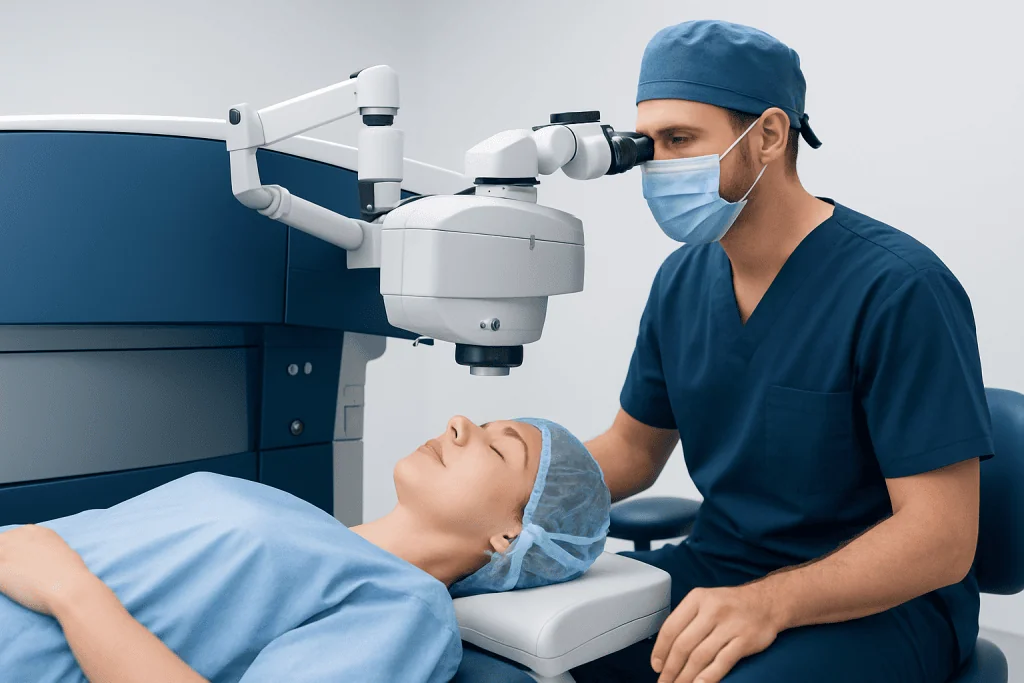
LASIK is generally recommended when you want to reduce dependence on glasses or contact lenses and your eyes meet the safety criteria for laser vision correction. It is commonly considered for adults whose vision prescription has been stable and who have enough corneal thickness to allow safe reshaping.
Your ophthalmologist may consider LASIK if you have refractive errors within an appropriate treatment range, do not have active eye disease, and understand that the goal is visual improvement rather than guaranteed perfect vision. Some people still need glasses for certain tasks later, especially as age-related near vision changes develop.
LASIK is not usually recommended if your eye measurements are borderline, if you have signs of corneal weakness, if your vision is changing, or if you have certain medical or eye conditions. In these situations, a specialist may recommend postponing treatment or choosing an alternative such as PRK, SMILE, or lens-based correction, depending on your examination findings.
Who is a good candidate?
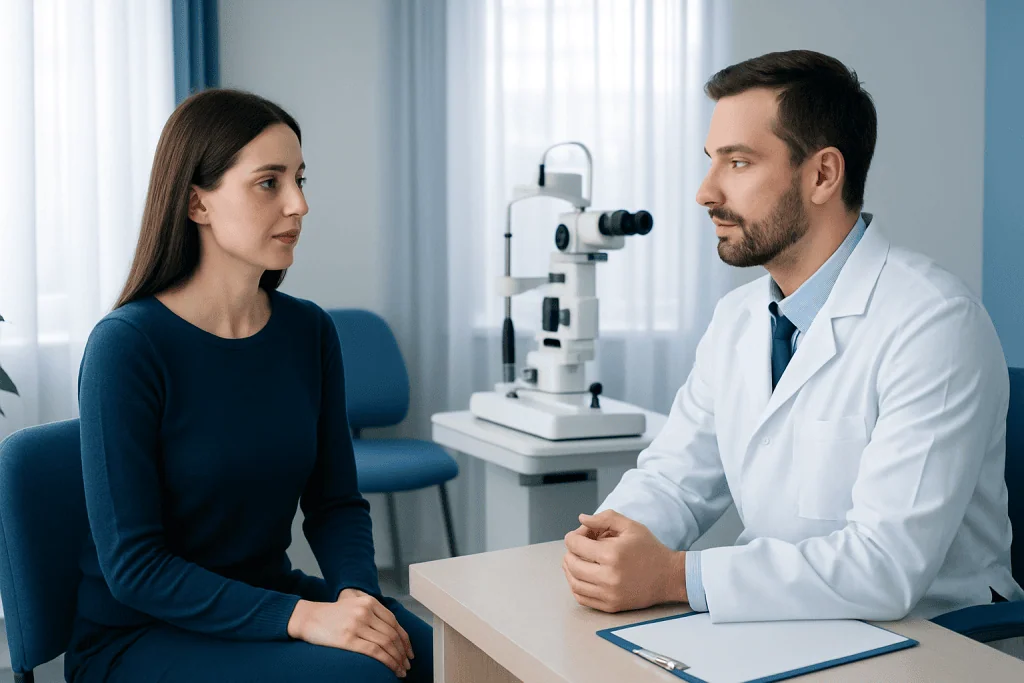
You may be a good candidate for LASIK if you are an adult with a stable vision prescription, healthy eyes, and realistic expectations about the outcome. In general, your ophthalmologist will look for a healthy cornea, suitable corneal thickness, and no sign of conditions that could make flap creation or laser reshaping unsafe.
A good candidate typically does not have uncontrolled dry eye, active infection, significant corneal scarring, or corneal shape problems such as ectatic disorders. Your general health also matters. Certain autoimmune conditions, healing problems, pregnancy-related vision fluctuations, or medications that affect healing may influence whether LASIK is advisable at that time.
Realistic expectations are just as important as technical suitability. LASIK can often reduce your need for glasses or contact lenses, but it does not stop natural aging of the eyes. You may still need glasses for reading later in life, and enhancement or revision is sometimes considered if the original correction does not fully meet your visual needs.
- Adult age with stable prescription
- Healthy cornea and adequate corneal thickness
- No active eye infection or uncontrolled eye disease
- Manageable or mild dry eye, if present
- Expectations focused on improvement, not perfection
- Willingness to attend examination and follow-up visits
Treatment options
LASIK is one of several refractive surgery options, and the best choice depends on your eye measurements, lifestyle, and clinical findings. Standard LASIK uses a corneal flap followed by laser reshaping. In some centers, bladeless or femtosecond-assisted LASIK may be used to create the flap with laser technology rather than a mechanical device.
If your cornea is thinner, if there are flap-related concerns, or if another technique may suit your eye surface better, alternatives may be discussed. These can include PRK or other surface laser procedures, which do not involve a flap, and may be appropriate in selected cases. For some patients, SMILE or lens-based options may be considered depending on refractive error and corneal suitability.
If you are asking who is a good candidate for LASIK in Turkey, it is helpful to remember that being a good candidate for vision correction surgery does not automatically mean LASIK itself is the best option. A proper ophthalmic evaluation helps match you to the safest and most effective method for your eyes rather than forcing one treatment approach.
Online evaluation before travel
Before you travel to Turkey, you can usually begin with an online pre-assessment. This helps the medical team understand your eye history, current prescription, age, symptoms, and whether there are any early signs that LASIK may or may not be appropriate. You may be asked to share previous eye examination reports, glasses prescriptions, contact lens history, and any known eye conditions.
An online evaluation is helpful for planning, but it does not replace a full in-person examination. LASIK candidacy cannot be confirmed safely without corneal mapping, refraction testing, tear film assessment, and other ophthalmology checks performed at the hospital. This is especially important because some corneal conditions are only detected with specialized imaging.
Acibadem International can help coordinate the process for international patients, including document review, appointment planning, and practical travel support. If your initial information suggests you may be suitable, the team can guide you toward an in-person assessment in Istanbul or another appropriate Acibadem location, where the final decision is made by the treating ophthalmologist.
Before the treatment
Before LASIK, you will have a detailed eye examination to confirm whether the procedure is safe and suitable for you. This usually includes measurement of refractive error, corneal thickness, corneal topography, pupil assessment, tear film evaluation, and a general eye health examination. If you wear contact lenses, you may be asked to stop using them for a period before testing so that corneal measurements are accurate.
You should also share your full medical history, including previous eye surgery, dry eye symptoms, allergies, medications, pregnancy status, and any autoimmune or chronic health conditions. Even details that seem minor can matter because they may affect healing, comfort, or whether a different procedure would be safer.
On the practical side, it helps to plan for someone to accompany you after the procedure, as you should not drive immediately afterward. You may also be advised to avoid eye makeup, heavy creams around the eyes, and certain products on the day of treatment. Your team will explain exactly how to prepare based on your examination findings and travel schedule.
What happens during the treatment
LASIK is usually performed as a day procedure under local anesthetic eye drops. You remain awake, but your eyes are numbed so the treatment is generally not painful, though you may feel pressure or mild discomfort for a short time. The ophthalmic team positions you under the laser and guides you throughout each step.
First, a thin flap is created on the surface of the cornea. The flap is gently lifted, and an excimer laser reshapes the underlying corneal tissue based on your measured refractive error. The flap is then repositioned carefully. No stitches are usually needed because the flap naturally adheres in place.
The procedure itself is typically brief for each eye, but you should still expect time for preparation, checks, and observation afterward. Your vision may seem hazy or blurry at first, and your eyes may water or feel irritated for several hours. Before you leave, you will receive instructions about drops, eye protection, and your first follow-up visit.
Hospital stay and discharge
LASIK is most often completed without an overnight hospital stay. After treatment, you will spend a short period under observation so the team can check your comfort, the eye surface, and your immediate recovery. Once the ophthalmologist is satisfied that you are stable, you can usually return to your hotel or accommodation the same day.
At discharge, you will be given practical instructions about eye drops, hygiene, resting your eyes, and what symptoms are expected in the first day or two. You may also receive protective shields or guidance about avoiding eye rubbing while the corneal flap settles. Clear discharge advice is especially important for international patients who are staying in Turkey for a limited period.
Acibadem International supports international patients with coordination around transfers, interpretation, and follow-up planning. Before you travel home, your doctor will usually want to examine your eyes again to make sure early healing is progressing as expected and to advise when flying is appropriate in your case.
Recovery timeline
Recovery after LASIK is often relatively quick, but your experience can vary depending on your eyes, the degree of correction, and whether dryness or sensitivity develops. Many people notice visual improvement early, although fluctuations are common in the beginning.
You should follow your ophthalmologist’s instructions carefully, especially regarding eye drops, hygiene, screens, and follow-up visits. Even if you feel well, healing continues beneath the surface for some time.
| Timeframe | What to expect |
|---|---|
| First 24 hours | Blurred or hazy vision, watering, mild burning, light sensitivity, and a need to rest your eyes. A follow-up check is often scheduled soon after treatment. |
| First week | Vision often improves noticeably, though dryness, glare, halos, and fluctuation can still occur. You will usually use prescribed eye drops and avoid rubbing your eyes. |
| Weeks 2-4 | Comfort and vision commonly continue to improve. Many daily activities feel easier, but dryness or night-vision symptoms may still be present in some patients. |
| Months 1-3 | Vision tends to stabilize further. Your doctor assesses whether healing is on track and whether any residual refractive error remains significant. |
| Final result | Results are often functionally clear much earlier, but full stabilization and your personal long-term outcome may take several weeks to months. |
Your surgeon will advise when it is safe to resume specific activities such as exercise, swimming, makeup, or longer travel. If you are coming from abroad, it is sensible to keep your schedule flexible until your doctor confirms that recovery is progressing normally.
What to avoid after treatment
After LASIK, one of the most important things to avoid is rubbing your eyes, especially during the early healing period. Because a corneal flap is involved, physical pressure on the eye can interfere with healing. You should also avoid dusty environments, smoke exposure, and anything that may irritate the eyes while they are sensitive.
For a period recommended by your doctor, you may need to avoid swimming pools, hot tubs, saunas, and direct water exposure to the eyes. Eye makeup, creams around the eyelids, and contact sports may also need to be paused temporarily. These restrictions help reduce the risk of irritation, infection, and accidental trauma.
Screen use is not always completely prohibited, but you may be advised to limit prolonged screen time at first because it can worsen dryness and discomfort. It also helps to avoid skipping your eye drops or returning to intense exercise too quickly. Always follow your own surgeon’s instructions, as they are tailored to your eye condition and healing progress.
Risks and possible complications
Like any medical procedure, LASIK carries risks and possible complications, even when performed appropriately and after careful selection. Common short-term issues can include dryness, glare, halos, light sensitivity, fluctuating vision, and temporary discomfort. In many cases these improve over time, but the duration varies between patients.
Less common but important risks can include under-correction, over-correction, regression, flap-related problems, infection, inflammation, and persistent visual symptoms. In rare cases, if the cornea is not suitable, laser treatment may increase the risk of structural weakness. This is why detailed preoperative screening is central to safe LASIK planning.
You can reduce risk by choosing a well-equipped ophthalmology center, sharing your medical history honestly, following pre- and post-treatment instructions carefully, and attending follow-up visits. Acibadem International’s multidisciplinary and quality-focused approach supports this process, but no provider can guarantee a perfect result. In some cases, enhancement, alternative treatment, or ongoing eye care may be needed.
Warning signs: when to contact a doctor
Some irritation, tearing, and blurry vision can be normal shortly after LASIK. However, certain symptoms need prompt medical attention because they may suggest infection, flap displacement, or another complication.
- Severe or worsening eye pain
- Sudden drop in vision or marked loss of clarity
- Increasing redness, especially if one eye is much worse than the other
- Significant discharge from the eye
- New injury to the eye or accidental rubbing with persistent symptoms afterward
- Flashes, many new floaters, or a curtain-like shadow in your vision
- Persistent nausea with severe eye discomfort or headache
- Symptoms that are getting worse instead of gradually improving
If you are an international patient and have already returned home, contact both your local eye doctor and the treating team in Turkey. Remote follow-up can help coordinate what to do next, but urgent symptoms should never wait for routine messaging alone.
Results and expectations
Many patients choose LASIK because they want more freedom from glasses or contact lenses, and that is a reasonable goal when you are a suitable candidate. Functional vision often improves quickly, but final clarity and comfort may continue to evolve during the healing period. Your exact outcome depends on your starting prescription, corneal characteristics, tear film quality, age, and how your eyes heal.
It is important to understand that LASIK improves refractive error; it does not prevent the natural aging of the eye. If you are approaching or beyond the age when near vision changes become noticeable, you may still need reading glasses even if distance vision improves significantly. Some patients also notice night-time glare or halos, particularly early on.
The best expectations are realistic ones: reduced dependence on corrective lenses, a structured healing process, and the possibility that additional management may occasionally be needed. If your result is not fully as expected, your ophthalmologist may discuss observation, dry eye treatment, glasses for specific tasks, or in selected cases an enhancement procedure once your eyes are stable enough for reassessment.
International patient travel planning
If you are traveling to Turkey for LASIK, planning should include more than the procedure day itself. You will need time for your detailed eye examination, the treatment, and at least one early postoperative check before your doctor confirms that travel is appropriate. The exact number of days depends on your eye findings, treatment plan, and recovery speed.
Bring your passport, previous prescriptions, eye reports, medication list, and any imaging or test results from earlier evaluations. If you wear contact lenses, tell the team what type you use and follow instructions about when to stop wearing them before examination. This detail matters because contact lenses can temporarily alter corneal shape and affect candidacy measurements.
Acibadem International helps coordinate many practical aspects of your trip, including interpreter support, appointment scheduling, transfers, and guidance about accommodation. Because international patients may need remote follow-up after returning home, it is helpful to keep copies of your reports and understand exactly when you should see your local eye doctor as part of your ongoing care.
Cost and package information
The cost of LASIK in Turkey can vary depending on several medical and practical factors. These include the complexity of your refractive error, whether both eyes are treated, the technology used, the need for detailed diagnostic testing, the ophthalmology team’s assessment, and whether another procedure is recommended instead of LASIK after evaluation.
For international patients, package structure may also vary depending on the level of coordination requested. Typical inclusions may cover the initial consultation, eye examination, treatment planning, the procedure itself, standard day-case care, and early follow-up visits. Some packages may also include international patient support services such as interpreter assistance and transfer coordination.
Items that are not always included can involve flights, hotel accommodation, extended local stay, additional tests requested after examination, treatment of unrelated eye conditions, medications taken after discharge, or any future enhancement if needed. The most reliable quote is the one based on your own medical review, because LASIK suitability and the final treatment pathway can only be confirmed after physician evaluation.
Why choose Acibadem
When you travel abroad for eye treatment, you want a provider that combines medical expertise with clear organization. Acibadem International supports international patients through JCI-accredited hospitals, experienced ophthalmology teams, advanced diagnostic assessment, and structured care pathways designed to prioritize safety and communication.
For LASIK and other refractive procedures, candidacy is especially important. A careful, individualized evaluation helps determine whether LASIK is appropriate for you or whether another option would better suit your eyes. This patient-first approach supports better decision-making and helps avoid oversimplified recommendations.
Beyond the medical side, practical support can make your trip much easier. Acibadem International assists with interpreters, appointment coordination, transfers, accommodation guidance, and follow-up communication after you return home. This is particularly helpful when you are balancing treatment decisions with travel timing, comfort, and peace of mind.
Medical review and disclaimer
This guide has been medically reviewed by the Acibadem International medical team. It is intended to give you general information about LASIK candidacy, treatment planning, recovery, and travel considerations for international patients.
It does not replace a personal consultation, eye examination, or professional medical advice. LASIK is not suitable for everyone, and the safest treatment option can only be determined after a physician evaluates your eyes, overall health, and test results.
If you are considering LASIK in Turkey, the next step is a formal medical assessment rather than relying on general online information alone. Your ophthalmologist will explain whether you are a good candidate, whether another treatment may be more appropriate, and what benefits and limitations apply in your specific case.
Step by step
- Initial contact. You contact Acibadem International and share that you are considering LASIK in Turkey.
- Medical record / photo submission. You send previous eye prescriptions, reports, contact lens history, medication details, and any relevant imaging or test results.
- Preliminary medical review. The team performs an initial review to see whether LASIK may be worth evaluating further and whether more information is needed.
- Treatment plan and quotation. You receive a preliminary plan explaining the likely pathway, possible alternatives, and a personalized quotation based on available information.
- Travel planning. Appointments are coordinated and you receive support with timing, accommodation guidance, airport-hospital transfers, and interpreter arrangements.
- Arrival. After arriving in Turkey, you are guided through your scheduled hospital visit and international patient registration process.
- In-person consultation. You meet the ophthalmology team for a full examination, detailed eye measurements, and a final candidacy assessment.
- Pre-operative tests. Corneal mapping, refractive measurements, tear film assessment, and other ophthalmic tests are completed to confirm safety and planning.
- Treatment. If you are confirmed as suitable and choose to proceed, LASIK is performed as a day procedure with numbing eye drops.
- Hospital stay. You remain for short observation after treatment and receive medication instructions, eye protection advice, and discharge guidance.
- First control. You return for an early postoperative eye check so the doctor can assess healing and answer any concerns.
- Discharge / travel clearance. Once your doctor is satisfied with your early recovery, you receive advice about onward travel and home care.
- Remote follow-up. After returning home, you can stay in contact with the team and share follow-up updates while also seeing your local eye doctor if recommended.
Your checklist
- Passport or valid travel identification
- Previous glasses and contact lens prescriptions
- Recent eye examination reports, if available
- Corneal imaging or other ophthalmology test results, if available
- Full medical history including chronic conditions
- Current medication list including eye drops and supplements
- Known drug or material allergies
- Details of previous eye surgeries or other operations
- Description of current symptoms such as dryness, glare, or fluctuating vision
- Contact lens type and how often you wear them
Key takeaways
- LASIK may suit adults with stable vision, healthy corneas, and realistic expectations.
- A detailed eye examination is essential because not everyone is a safe candidate for LASIK.
- Most international patients can travel for a short stay, but timing depends on examination and follow-up needs.
- Recovery is usually quick, though temporary dryness, glare, or fluctuating vision can happen.
- If LASIK is not suitable, your ophthalmologist may recommend another vision correction option.
Frequently asked questions
How do I know if I am a good candidate for LASIK?
The only reliable way to know is to have a full ophthalmology examination. Your doctor will assess your prescription, corneal thickness and shape, tear film, general eye health, and whether your vision has been stable. Online review can help with planning, but final suitability must be confirmed in person.
What age is usually appropriate for LASIK?
LASIK is generally considered for adults rather than children or teenagers because the prescription should be stable first. Age alone does not determine eligibility, though. Your eye measurements, vision stability, and age-related near vision changes all affect whether LASIK is the right choice.
Can I have LASIK if I have dry eyes?
Possibly, but it depends on how significant the dryness is and how your tear film behaves on examination. Mild dryness may be manageable, while more severe or uncontrolled dry eye can make LASIK less suitable. In some cases, treatment for dry eye or a different refractive procedure may be advised.
How long should I stay in Turkey for LASIK?
Most patients need a short stay that covers the preoperative examination, treatment day, and at least one follow-up visit. The exact timing varies depending on your examination findings and recovery. Your doctor will advise when it is safe for you to fly home.
Will I need glasses after LASIK?
Many patients reduce their dependence on glasses or contact lenses significantly, but results vary. Some still need glasses for certain tasks, and reading glasses may become necessary later with natural age-related vision changes. The aim is improvement, not a guarantee of perfect vision in every situation.
Is LASIK painful?
LASIK is usually performed with numbing eye drops, so it is generally not described as painful during the procedure. You may feel pressure, irritation, tearing, or burning afterward for a limited time. Most discomfort improves within the early recovery period.
What if I am not a suitable candidate for LASIK?
If LASIK is not the safest option, your ophthalmologist may discuss alternatives such as another laser technique or a lens-based solution. Not being suitable for LASIK does not always mean you have no vision correction options. The best recommendation depends on your examination findings and visual needs.
Are the results immediate?
Visual improvement is often noticed early, sometimes within the first day or two, but that does not mean healing is complete. Vision can fluctuate at first, and dryness or glare may temporarily affect quality. Full stabilization can take several weeks or longer depending on your eyes.
What factors influence the cost of LASIK in Turkey?
Cost depends on the treatment technology used, your diagnostic testing needs, whether both eyes are treated, the complexity of your refractive error, and the level of international patient support included. It can also change if examination shows that a different procedure is more appropriate. A personalized quote is most meaningful after medical review.
Is it safe to travel abroad for LASIK?
It can be a practical option when care is organized carefully and you choose an experienced provider with strong diagnostic and follow-up processes. Safety depends on proper patient selection, a full examination, clear aftercare instructions, and access to support after you return home. You should also be prepared to follow both the treating team's and your local doctor's advice.
Add us as a Preferred Source to see more of our trusted health content across Google Search, AI Overviews and Discover.

More Patient Guides
Day Surgery in Turkey: Can You Leave Hospital the Same Day?
Day surgery in Turkey often lets you go home the same day if your procedure and recovery are suitable and your doctor…
11 min read
General Anesthesia in Turkey: How to Prepare and What Happens Before You Sleep
General anesthesia in Turkey helps you sleep safely through surgery. Learn preparation, recovery, risks, and travel planning in Istanbul.
11 min read
Choosing Between Outpatient and Inpatient Treatment in Turkey: What Affects the Decision
Choosing Between Outpatient and Inpatient Treatment in Turkey depends on your procedure, health, recovery needs and travel plans.
11 min read