

How to Prepare for IVF Treatment in Turkey

IVF treatment in Turkey involves staged fertility care, testing, and travel planning. This guide explains how to prepare for IVF in Istanbul.
This guide explains how to prepare for IVF treatment in Turkey, from online evaluation and travel planning to treatment steps, recovery, and follow-up. You will find practical information to help you plan your journey with realistic expectations and confidence.
At a glance
- Procedure type: Assisted reproductive treatment carried out in planned stages
- Purpose: To support fertilization and embryo transfer when natural conception is difficult
- Anesthesia: Usually light sedation or short anesthesia for egg collection; embryo transfer is often done without general anesthesia
- Hospital stay: Usually day-case visits; overnight stay is uncommon unless medically needed
- Estimated recovery: Most people recover quickly after egg collection, with mild discomfort for a few days
- Return to daily life: Often within 1-3 days after egg collection, depending on how you feel
- Final result timeline: Pregnancy testing usually takes place about 10-14 days after embryo transfer; full treatment planning may span several weeks
- Suitable department: Reproductive Medicine and IVF / Fertility Specialists
- International patient support: Interpreter services, airport-hospital transfers, accommodation guidance, and remote follow-up support
What is this treatment?
IVF, or in vitro fertilization, is a fertility treatment that helps eggs and sperm come together outside the body in a laboratory. The resulting embryo is then placed into the uterus at the most appropriate time. IVF is not a single procedure on one day; it is a planned treatment cycle that includes assessment, hormone medication, monitoring, egg collection, laboratory fertilization, and embryo transfer.
If you are traveling for care, preparing well is especially important. IVF treatment in Turkey often attracts international patients because it can combine advanced fertility services with coordinated travel support. At Acibadem International, your care pathway may involve fertility specialists, embryology teams, nurses, laboratory professionals, and international patient coordinators working together.
Your preparation for IVF starts before you fly. You may need blood tests, ultrasound findings, semen analysis, previous treatment records, and details about your menstrual cycle or fertility history. This early review helps the medical team understand your needs, estimate timing, and decide whether IVF or another fertility approach may be more suitable.
When is it recommended?

IVF may be recommended when pregnancy has not occurred after a reasonable period of trying, or when there is a known fertility issue that makes natural conception less likely. Common reasons include ovulation problems, blocked or damaged fallopian tubes, low sperm count or motility, endometriosis, reduced ovarian reserve, unexplained infertility, or previous unsuccessful fertility treatments.
It may also be considered if you need a more controlled approach to fertilization, embryo development, or timing. In some cases, IVF is discussed after less invasive treatments have not worked. In others, it may be recommended earlier because of age-related fertility decline or significant male or female factor infertility.
The right timing depends on your age, medical background, fertility test results, and how long you have been trying to conceive. A proper physician evaluation is essential, because IVF is not automatically the first or best option for everyone. Sometimes another treatment plan may be safer, simpler, or more effective for your individual circumstances.
Who is a good candidate?
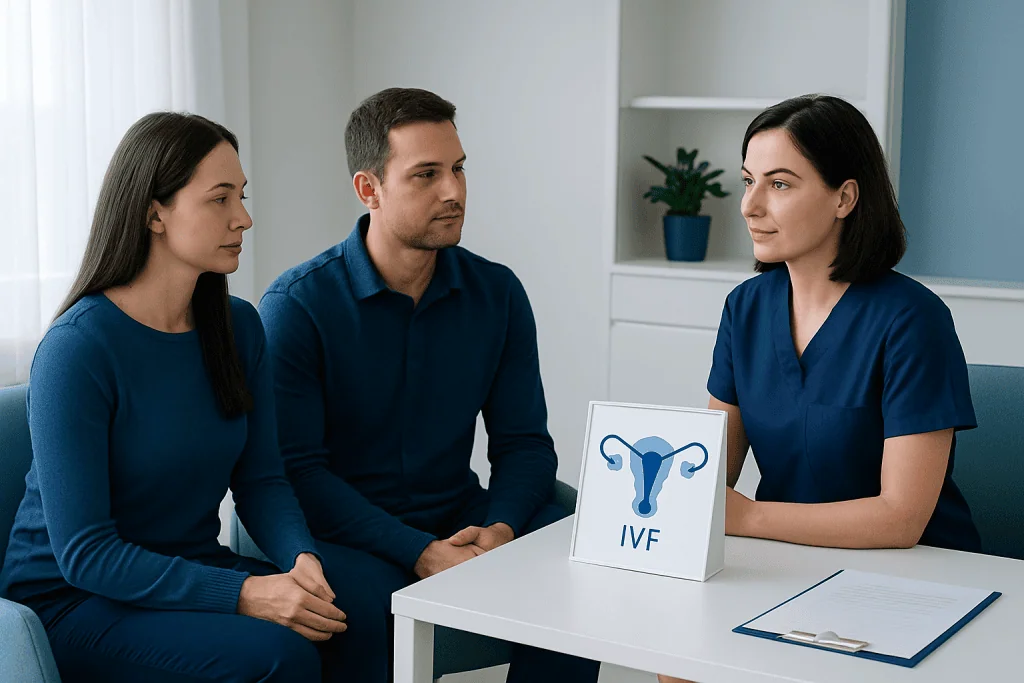
You may be a good candidate for IVF if you have a documented fertility challenge and your medical evaluation suggests that IVF could improve the chance of pregnancy. This includes individuals or couples with female factor, male factor, combined factor, or unexplained infertility. Your ovarian reserve, uterine health, semen parameters, and overall health all matter when planning treatment.
Good candidates are also able to follow a structured treatment schedule. IVF requires close timing, medication use, and monitoring appointments. If you are traveling from abroad, you should be prepared for a stay long enough to complete scans, egg collection, and embryo transfer, or to follow a split plan if recommended by your doctor.
Certain medical conditions may require extra evaluation or stabilization before treatment. These can include thyroid disorders, diabetes, uterine abnormalities, severe endometriosis, blood clotting issues, or previous reproductive surgeries. The team will also review any medications you take, lifestyle factors, and prior fertility treatment history before confirming suitability.
Treatment options
IVF is not one identical pathway for every patient. Your fertility specialist may discuss conventional IVF, where eggs and sperm are combined in the lab, or ICSI, where a single sperm is injected into an egg. ICSI is commonly considered when there is a male factor issue, fertilization concern, or a specific laboratory indication.
Depending on your situation, treatment planning may also include fresh embryo transfer or frozen embryo transfer, blastocyst culture, donor-related legal or ethical discussions where applicable under local regulations, and embryo freezing if suitable. Some patients also need sperm retrieval planning, cycle synchronization, or fertility preservation-related approaches.
Additional options may be discussed if medically appropriate, such as pre-treatment hormonal preparation, genetic testing pathways where indicated and permitted, or tailored stimulation protocols based on age and ovarian reserve. The goal is not to fit you into a standard package, but to build a safe, realistic plan around your medical profile and reproductive goals.
- Conventional IVF
- ICSI for selected male factor or fertilization indications
- Fresh or frozen embryo transfer
- Individualized ovarian stimulation protocols
- Embryo freezing when appropriate
Online evaluation before travel
Before you travel to Turkey, an online medical evaluation can help clarify whether IVF is suitable and what preparation is needed. You may be asked to share recent blood tests, ultrasound reports, semen analysis, previous IVF records if relevant, and a brief summary of your fertility journey. This allows the fertility team to review your case before suggesting travel dates.
For international patients, this step is especially useful because IVF depends on timing. Your doctor may ask about the first day of your menstrual cycle, past ovarian response, previous miscarriages, gynecological history, and any known health conditions. If additional tests are needed before travel, completing them in advance can make your stay smoother and more efficient.
At Acibadem International, international patient teams can help organize this process and explain which records are most important. A remote review does not replace an in-person examination, but it can help you understand the likely pathway, expected length of stay, and practical preparations before you leave home.
Before the treatment
Preparation for IVF usually starts with a detailed fertility consultation and updated testing. You may need hormone blood tests, pelvic ultrasound, infectious disease screening, semen analysis, and a review of your uterus and ovaries. If you have had previous treatment elsewhere, bring all records, including medication protocols, egg numbers, fertilization results, and embryo development notes if available.
You should also prepare practically. IVF treatment may require several visits over a short period, so accommodation close to the hospital can be helpful. Pack your regular medications, identification documents, comfortable clothing, and any prescribed fertility medicines if advised by your medical team. If you need to start medication before arrival, it is important to follow instructions exactly and confirm storage requirements.
Lifestyle preparation matters too. Your doctor may advise you to avoid smoking, limit alcohol, review caffeine intake, maintain a balanced diet, and aim for good sleep. These steps do not guarantee a result, but they can support your general health during treatment. Always ask before starting supplements, herbal products, or new medication, because some may interfere with care.
What happens during the treatment
An IVF cycle usually begins with hormone medication to stimulate the ovaries so that multiple eggs can mature. During this phase, you will have ultrasound scans and blood tests to monitor response and adjust treatment if needed. When the follicles reach the right stage, you receive a final trigger medication to prepare the eggs for collection.
Egg collection is typically performed under light sedation or short anesthesia. A doctor uses ultrasound guidance to retrieve the eggs, and you are then observed for a short time as you recover. On the same day, the sperm sample is prepared in the laboratory. Fertilization takes place either through standard IVF or ICSI, depending on your plan.
Over the next few days, the embryology team monitors embryo development. If transfer is planned in the same cycle, one or more embryos may be transferred at the recommended stage according to your medical circumstances and local clinical practice. Embryo transfer is usually a short procedure and often does not require general anesthesia. Afterward, you will receive guidance about medications, rest, and the timing of your pregnancy test.
Hospital stay and discharge
Most IVF treatment is outpatient, so you usually do not need a prolonged hospital stay. Monitoring scans, blood tests, and embryo transfer are generally completed during scheduled visits. Egg collection is commonly a day-case procedure, meaning you come in, recover for observation, and return to your accommodation the same day if you are well.
After egg collection, it is normal to stay in the clinic or hospital for a short period so staff can make sure you are comfortable, stable, and ready to leave. Because sedation may be used, you should not drive yourself and should arrange support for your return to the hotel or residence. Mild cramping, light spotting, and bloating can happen for a short time afterward.
Before discharge, you will be told how to use any prescribed medication, what symptoms are expected, and when to return for transfer or follow-up. Your team will also explain what to do if your plan changes, for example if embryos are frozen for transfer later rather than transferred in the same cycle.
Recovery timeline
Recovery after IVF is usually manageable, but your experience depends on your ovarian response, the number of eggs collected, and whether you are sensitive to hormone medication. Many people feel well enough for light daily activities soon after egg collection, while others need extra rest for bloating or cramping.
Embryo transfer generally has little physical recovery, but the emotional side of waiting for results can feel significant. It helps to plan a calm schedule, stay hydrated, and follow the medication instructions exactly. Your team will tell you when to test and what symptoms should prompt a medical review.
| Timeframe | What to expect |
|---|---|
| First 24 hours | After egg collection, you may feel sleepy, bloated, crampy, or mildly sore. Light spotting can occur. Rest, fluids, and following discharge instructions are usually enough. |
| First week | Bloating and pelvic discomfort often improve gradually. If embryo transfer is planned, it may take place during this period depending on embryo development and your treatment plan. |
| Weeks 2-4 | You usually continue hormone support as instructed. A pregnancy test is generally scheduled about 10-14 days after embryo transfer. Emotional ups and downs are common during the waiting period. |
| Months 1-3 | If pregnancy occurs, early obstetric follow-up begins. If not, your doctor reviews the cycle and discusses next steps, such as another attempt, frozen embryo transfer, or changes to the protocol. |
| Final result | The outcome of one IVF cycle becomes clearer after pregnancy testing and follow-up review. Some patients need more than one cycle, and results vary from person to person. |
What to avoid after treatment
After egg collection, avoid strenuous exercise, heavy lifting, and activities that increase abdominal pressure until your doctor says it is safe. Your ovaries can remain enlarged for a short time, and intense activity may worsen discomfort. It is usually best to choose gentle walking and light daily movement instead.
You should also avoid alcohol, smoking, and any non-prescribed medicines or supplements unless your fertility team has approved them. Always check before taking pain relievers, herbal products, or over-the-counter medication. After sedation, do not drive, sign important documents, or make major decisions until the effects have fully worn off.
Following embryo transfer, many patients ask whether strict bed rest is needed. In most cases, prolonged bed rest is not routinely required, but you should follow the advice given for your specific case. A calm routine, good hydration, and careful medication use are usually more helpful than excessive restriction.
Risks and possible complications
IVF is widely used, but like any medical treatment, it has potential risks and limitations. Medication-related side effects can include bloating, mood changes, headaches, or injection site discomfort. Egg collection may rarely lead to bleeding, infection, injury to nearby structures, or anesthesia-related problems, although every effort is made to minimize these risks.
One important concern in some patients is ovarian hyperstimulation syndrome, where the ovaries respond too strongly to medication. The likelihood and severity vary depending on your ovarian reserve and treatment protocol. Your team monitors you closely to reduce this risk and may change the plan if your response suggests extra caution is needed.
It is also important to understand that IVF does not guarantee pregnancy. Fertilization may not occur, embryos may not develop as hoped, implantation may not happen, or pregnancy may end in miscarriage. Sometimes a cycle is modified, frozen, or canceled for safety or medical reasons. Honest planning means recognizing both the possibilities and the uncertainties.
Warning signs: when to contact a doctor
Most symptoms after IVF are mild and temporary, but some signs need prompt medical advice. Contact your doctor or fertility team without delay if you notice any of the following, especially after egg collection or during the days that follow.
- Severe or worsening abdominal pain
- Rapid abdominal swelling or marked bloating
- Heavy vaginal bleeding
- Fever or chills
- Shortness of breath
- Nausea or vomiting that prevents drinking fluids
- Reduced urination or signs of dehydration
- Fainting, severe dizziness, or chest symptoms
- Any reaction to medication that concerns you
If you are traveling, make sure you know who to call both during office hours and after hours. Acibadem International teams can help guide international patients on urgent communication routes and follow-up arrangements.
Results and expectations
The main goal of IVF is to achieve a healthy pregnancy, but the outcome depends on many factors, including age, ovarian reserve, sperm quality, uterine health, embryo development, and prior reproductive history. Some patients conceive in one cycle, while others need repeated attempts or changes to the treatment plan. This does not necessarily mean something has gone wrong; fertility treatment often requires individual adjustment.
It is important to separate the milestones of treatment. Producing eggs, achieving fertilization, developing embryos, completing transfer, obtaining a positive pregnancy test, and continuing to an ongoing pregnancy are all different steps. Success at one stage does not automatically guarantee the next, which is why your doctor will discuss your case carefully and honestly.
Good preparation can make the process smoother, but it cannot promise a particular result. The best expectation is to approach IVF as a structured medical journey with personalized decision-making, close monitoring, and support before, during, and after treatment. If a cycle does not lead to pregnancy, a review can still provide valuable information for future planning.
International patient travel planning
Travel planning for IVF in Turkey should begin as early as possible because timing matters. You may need to coordinate your arrival with your menstrual cycle, medication start date, scan schedule, and the likely date of egg collection. Ask your doctor how long you should plan to stay in Turkey and whether parts of the work-up can be completed in your home country before travel.
Bring your passport, prior fertility records, medication list, and any imaging or laboratory results requested during the online review. If you are traveling with a partner, check whether both of you need to attend certain appointments in person. It is also wise to discuss work leave, flexible flight options, and accommodation near the hospital, since the exact treatment timeline can shift according to your body’s response.
Acibadem International supports international patients with practical coordination, including interpreters, transfer planning, and guidance around accommodation and hospital visits. This can make the experience easier to manage when you are balancing medical appointments with travel logistics in a new country.
Cost and package information
The cost of IVF treatment can vary because the final plan depends on your medical needs rather than a single standard pathway. Factors that often influence cost include the number and type of consultations, fertility tests, ovarian stimulation medications, monitoring scans, laboratory techniques such as ICSI, anesthesia for egg collection, embryo freezing, genetic testing where indicated, and whether a fresh or frozen transfer is planned.
For international patients, a quotation may also differ depending on how much of the pre-treatment assessment is done before arrival and whether extra services are needed during your stay. If you have had previous IVF cycles, this history may affect the recommended protocol and therefore the scope of care. A detailed review of your records helps the team prepare a clearer estimate.
Typically included items may cover physician consultations, cycle monitoring within the agreed plan, egg collection, laboratory fertilization, and embryo transfer when applicable. Items not always included can involve medications, additional laboratory procedures, embryo freezing and storage arrangements, extra tests, treatment for unrelated medical issues, accommodation, flights, visas, or extended stays. Always ask for a written breakdown so you understand what is included, what may change, and what circumstances could lead to additional costs.
Why choose Acibadem
Choosing where to have IVF is about more than facilities alone. You want a center that combines reproductive expertise, laboratory standards, careful communication, and coordinated support for international patients. Acibadem International offers access to JCI-accredited hospitals and multidisciplinary teams who understand the practical and emotional complexity of fertility treatment.
For patients traveling from abroad, coordinated care matters. International patient services can assist with document collection, appointment scheduling, interpreter support, transfers, and practical planning around your treatment dates. This helps reduce uncertainty and allows you to focus more on the medical process itself.
Just as importantly, your care should feel individualized. A good IVF program does not promise the same answer to everyone. It reviews your history carefully, explains options clearly, and supports realistic expectations. That balanced, patient-centered approach is especially valuable when you are making decisions from another country.
Medical review and disclaimer
This guide has been medically reviewed by the Acibadem International medical team. It is intended to help you understand how to prepare for IVF treatment in Turkey and what the general treatment journey may involve.
The information here is for general educational purposes only and does not replace a personal medical consultation, examination, or fertility assessment. IVF planning is highly individualized, and tests, timing, medications, and treatment options vary from one patient to another.
Your suitability for IVF, the details of your treatment plan, and the advice you receive before and after care should always be confirmed by a qualified physician. If you have urgent symptoms or concerns, seek prompt medical attention and follow the guidance of your treating team.
Step by step
- Initial contact. You contact the international patient team and explain that you are considering IVF treatment in Turkey.
- Medical record / photo submission. You share fertility history, test results, semen analysis, ultrasound reports, prior IVF records, and cycle details as requested.
- Preliminary medical review. The fertility team reviews your records to assess whether IVF may be appropriate and what further information is needed.
- Treatment plan and quotation. You receive a preliminary treatment outline, likely timeline, and a written quotation based on the available information.
- Travel planning. You organize passport, visa requirements if applicable, flights, accommodation, and flexible dates aligned with your cycle.
- Arrival. After arriving in Turkey, you settle into your accommodation and prepare for your scheduled hospital visits.
- In-person consultation. You meet the fertility specialist for examination, review of your history, and confirmation or adjustment of the treatment plan.
- Pre-operative tests. You complete any required blood tests, imaging, infectious screening, semen testing, or anesthesia assessment before egg collection.
- Treatment. You begin or continue ovarian stimulation, monitoring, trigger medication, egg collection, fertilization, and embryo transfer according to your protocol.
- Hospital stay. Egg collection is usually managed as a day-case visit with short observation before return to your accommodation.
- First control. Your doctor reviews recovery, explains embryo progress or transfer details, and confirms medication instructions.
- Discharge / travel clearance. Once medically appropriate, you are given discharge advice and guidance on when it is safe to travel or continue care remotely.
- Remote follow-up. After you return home, the team can review your pregnancy test, recovery, and next steps through coordinated follow-up.
Your checklist
- Passport and travel documents
- Complete medical history
- List of current medications and supplements
- Known allergies or past reactions to medications
- Details of previous surgeries or hospitalizations
- Current symptoms and fertility concerns
- Menstrual cycle information and last period date
- Previous fertility treatment records, if any
- Relevant blood test results and hormone tests
- Ultrasound reports, imaging, or uterine evaluation results where relevant
- Recent semen analysis where relevant
- Contact details for your regular doctor or fertility specialist at home
Key takeaways
- IVF may suit you if you have been trying to conceive without success or have specific fertility factors affecting pregnancy.
- Preparation usually includes fertility tests, medication planning, timing your cycle, and organizing your stay in Turkey.
- Most IVF steps are outpatient, but you should plan enough time in Turkey for scans, egg collection, and embryo transfer.
- Recovery after egg collection is usually short, though some bloating and cramping are common.
- A doctor should review your history, test results, and treatment goals before confirming whether IVF is appropriate for you.
Frequently asked questions
How do I know if IVF is the right treatment for me?
IVF may be appropriate if you have been trying to conceive without success or if testing shows a fertility factor that reduces the chance of natural conception. The only reliable way to confirm suitability is through a fertility specialist review of your medical history, test results, age, and reproductive goals.
Can I arrange IVF in Turkey before I travel?
Yes, much of the early planning can begin remotely. You can usually send your records for a preliminary review, receive guidance on missing tests, and discuss likely timing before booking travel.
How long should I plan to stay in Turkey for IVF?
The required stay depends on your protocol, how much of the testing is done in advance, and whether embryo transfer happens in the same cycle. Many patients need enough time for monitoring, egg collection, and transfer, but your doctor should give you a more accurate estimate after reviewing your case.
Is IVF treatment painful?
Many parts of IVF are more uncomfortable than painful, though experiences vary. Injections, bloating, and mild pelvic discomfort are common, and egg collection is usually performed with sedation or short anesthesia to improve comfort.
When can I return to normal activities after egg collection?
Most people return to light daily activities within a day or two, depending on how they feel. Strenuous exercise, heavy lifting, and high-impact activity are usually avoided for a short period, especially if your ovaries are enlarged.
Do I need bed rest after embryo transfer?
Strict bed rest is not routinely required in many cases, but you should follow the specific advice given by your treating physician. A calm routine, good hydration, and correct medication use are generally more important than staying in bed for long periods.
What affects the cost of IVF treatment in Turkey?
The cost depends on your treatment plan, the medicines required, the laboratory techniques used, and whether additional procedures or freezing services are needed. Travel-related expenses such as flights and accommodation are usually separate unless specifically included in a package.
Is IVF in Turkey safe for international patients?
Safety depends on the quality of the medical center, careful patient selection, laboratory standards, and clear follow-up arrangements. Choosing a well-established provider with coordinated international patient services can help make the process more organized and reassuring.
What if my first IVF cycle does not work?
A first cycle may provide important information even if it does not lead to pregnancy. Your doctor can review ovarian response, fertilization, embryo development, and transfer details to see whether changes may help in a future cycle.
Will I definitely become pregnant with IVF?
No fertility treatment can guarantee pregnancy. IVF can improve the chance of conception in many situations, but outcomes vary based on age, fertility factors, embryo development, and other medical considerations.
Add us as a Preferred Source to see more of our trusted health content across Google Search, AI Overviews and Discover.
More Patient Guides

Day Surgery in Turkey: Can You Leave Hospital the Same Day?
Day surgery in Turkey often lets you go home the same day if your procedure and recovery are suitable and your doctor…
11 min read
General Anesthesia in Turkey: How to Prepare and What Happens Before You Sleep
General anesthesia in Turkey helps you sleep safely through surgery. Learn preparation, recovery, risks, and travel planning in Istanbul.
11 min read
Choosing Between Outpatient and Inpatient Treatment in Turkey: What Affects the Decision
Choosing Between Outpatient and Inpatient Treatment in Turkey depends on your procedure, health, recovery needs and travel plans.
11 min read