Cancer Risk Factors: Lifestyle, Genetics, and Age

Cancer usually develops from a combination of risk factors rather than one single cause. Age, inherited gene changes, and family history can raise risk even in people with healthy lifestyles.
Key Takeaways
- Cancer usually develops from a combination of risk factors rather than one single cause.
- Age, inherited gene changes, and family history can raise risk even in people with healthy lifestyles.
- Avoiding tobacco, limiting alcohol, maintaining a healthy weight, staying active, and protecting the skin can help lower risk.
- Certain infections, environmental exposures, and radiation may also contribute to cancer risk.
- Regular screening and medical advice are important, especially for people with stronger personal or family risk factors.
Cancer risk factors are traits, exposures, or habits that can increase the chance of developing cancer. Some, such as age and inherited genetics, cannot be changed, while others, including smoking, alcohol use, sun exposure, and body weight, may be reduced through healthy choices and regular medical care.
Overview
Cancer risk factors are anything that make a person more likely to develop cancer over time. A risk factor does not mean cancer will definitely occur, and having no known risk factors does not guarantee that cancer cannot develop. In most cases, cancer is linked to a combination of age, genetics, environment, and lifestyle rather than a single cause.
Cancer begins when cells grow and divide in an uncontrolled way. This can happen after changes build up in the genes that guide normal cell behavior. Some of these changes are inherited from parents, while others happen during life because of aging, tobacco smoke, ultraviolet light, infections, or other exposures.
Understanding cancer risk factors can help people make informed choices about prevention and screening. It also helps families know when a conversation with a doctor or genetic counselor may be useful. The goal is not to create worry, but to support early action and healthier habits where possible.
Which Cancer Risk Factors Cannot Be Changed?
Some cancer risk factors are not within a person’s control. Age is one of the most important. As people get older, cells have had more time to accumulate DNA damage, and the body’s repair systems may become less effective. This is one reason many cancers are diagnosed more often later in life, although cancer can occur at any age.
Inherited genetics and family history also matter. A person may be born with gene changes that increase the risk of certain cancers, such as breast, ovarian, colorectal, or prostate cancer. A strong family history does not always mean an inherited syndrome is present, but it can signal the need for earlier or more frequent screening.
Biological sex, ethnicity, and personal medical history can also affect cancer risk. For example, some cancers are more common in men or women, and some are linked to prior illnesses or past cancer treatment. People with inflammatory bowel disease, certain hormone-related conditions, or a previous cancer diagnosis may need closer follow-up.
These unchangeable factors are important because they help doctors estimate overall risk and decide which tests may be appropriate. When risk is higher, physicians may recommend genetic evaluation or screening for related conditions such as colon cancer or breast cancer based on the individual’s history.
Lifestyle Factors That Can Increase Cancer Risk

Lifestyle plays a major role in many cancers. Tobacco use is one of the strongest known risk factors and is linked to cancers of the lung, mouth, throat, bladder, pancreas, kidney, and several other organs. This includes cigarettes, cigars, pipes, and exposure to secondhand smoke. Stopping tobacco use can lower risk over time, even after many years of smoking.
Alcohol can also increase the risk of several cancers, including those of the mouth, throat, liver, breast, and colon. Risk often rises with the amount consumed. In addition, alcohol and tobacco together can have a stronger harmful effect than either one alone.
Body weight, diet, and physical activity are also important. Excess body fat is associated with a higher risk of several cancers, while regular movement supports overall health and may lower cancer risk. Diets low in vegetables, fruits, whole grains, and fiber and high in processed meats or heavily processed foods may contribute to risk in some people.
Sun exposure and indoor tanning are key lifestyle-related causes of skin cancer. Ultraviolet radiation damages skin cells and can lead to changes that build up over time. Protecting the skin with shade, clothing, and sunscreen and avoiding tanning beds can help reduce risk.
Environmental, Occupational, and Medical Exposures
Not all cancer risk factors come from everyday habits. Some are linked to the environment or workplace. Long-term exposure to substances such as asbestos, benzene, diesel exhaust, and certain industrial chemicals can raise the risk of specific cancers. The level of risk depends on the type of substance, the amount of exposure, and how long exposure continues.
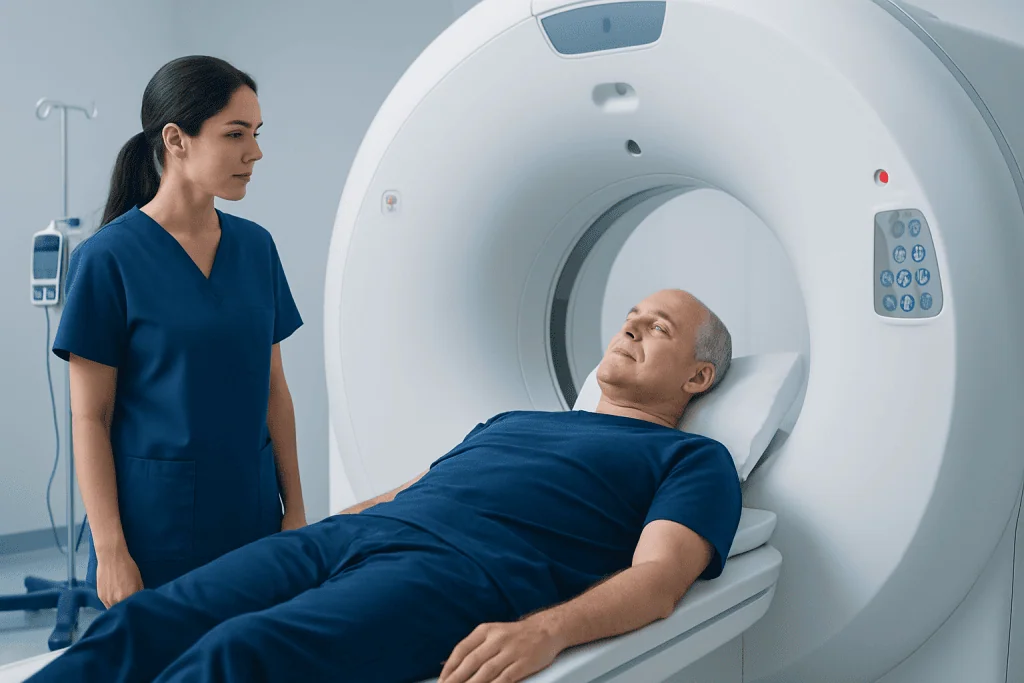
Radiation exposure may also play a role. Ultraviolet radiation from the sun is the most familiar example, but ionizing radiation from certain medical imaging tests, environmental sources, or past radiation treatment can increase cancer risk in some circumstances. Medical imaging is often necessary and beneficial, but it should be used thoughtfully and only when clinically appropriate.
Air pollution has also been linked to a higher risk of some cancers, especially lung cancer. In addition, exposure to radon gas in homes can increase risk over time. Radon is colorless and odorless, so testing may be recommended in some regions.
Past medical treatments can sometimes influence future risk. For example, people who have received chemotherapy or radiation for another illness may need long-term monitoring. Doctors balance these risks carefully, because treatment benefits usually outweigh the potential for later complications.
Infections, Hormones, and Other Health Conditions
Some infections can increase the risk of cancer. Human papillomavirus, or HPV, is linked to cervical cancer and several cancers of the throat and genital area. Hepatitis B and hepatitis C can increase the risk of liver cancer, and Helicobacter pylori infection may raise the risk of stomach cancer in some people. Vaccination, testing, and treatment can help reduce some of these risks.
Hormonal factors can also affect risk. A person’s reproductive history, long-term hormone exposure, and certain hormone-related medications may influence the chance of developing some cancers. These relationships are often complex, so decisions about hormone use should be discussed with a doctor based on the person’s individual health needs.
Chronic inflammation and some long-standing health conditions can contribute as well. For example, cirrhosis can raise the risk of liver cancer, and chronic acid reflux can increase the risk of certain esophageal changes. Weakened immunity, whether due to illness or medicines that suppress the immune system, may also make it harder for the body to detect and remove abnormal cells.
These factors do not mean cancer is unavoidable. Instead, they help guide prevention, vaccination, treatment of underlying illness, and screening. In some cases, specialist care may be needed to monitor organs at higher risk, such as the liver, colon, or cervix.
How Doctors Assess Cancer Risk
Doctors assess cancer risk by looking at the whole picture. This often includes age, personal medical history, family history, smoking and alcohol use, body weight, occupational exposures, infections, and previous test results. A clear family tree covering several relatives can be especially helpful when inherited cancer syndromes are a concern.
When hereditary risk is suspected, a doctor may recommend genetic counseling and, in some cases, genetic testing. Genetic counseling helps people understand what a test can and cannot show, what the results might mean for relatives, and whether screening or prevention plans should change. Testing is usually most useful when there is a strong personal or family pattern of cancer.
Risk assessment may also involve screening tests designed to find cancer early or detect pre-cancerous changes before cancer develops. Depending on age and risk level, this may include mammography, cervical screening, colonoscopy, skin checks, low-dose CT scans for selected smokers, or imaging and blood tests in specific situations.
If cancer is suspected, the next steps may include imaging, endoscopy, laboratory testing, and biopsy to confirm the diagnosis. Diagnostic planning is individualized, and some patients may need a biopsy or advanced PET-CT imaging to clarify findings and guide care.
Ways to Lower Cancer Risk
Not every cancer can be prevented, but many people can lower their risk through practical steps. Avoiding tobacco is one of the most important. For people who smoke, quitting is beneficial at any age. Limiting alcohol, protecting the skin from ultraviolet light, and staying physically active are also helpful measures.
Maintaining a healthy body weight and choosing a balanced diet may support cancer prevention. Many experts encourage meals centered around vegetables, fruits, legumes, whole grains, and moderate portions, while limiting processed meats and heavily processed foods. These habits also benefit heart health, blood sugar, and overall well-being.
Vaccination can prevent some cancer-related infections. HPV vaccination helps protect against several HPV-related cancers, and hepatitis B vaccination lowers the risk of chronic infection that can lead to liver cancer. Safe sex practices, treatment of chronic infections, and regular medical follow-up also matter.
Screening is another key part of prevention because it can find problems early, when treatment may be simpler and more effective. Depending on individual risk, doctors may recommend colonoscopy or other screening tests. For people needing specialized evaluation, Acibadem International’s multidisciplinary specialists in JCI-accredited hospitals diagnose and treat cancer-related conditions for international patients.
When to See a Doctor
A doctor should be consulted if there is a strong family history of cancer, especially if several relatives were diagnosed at a young age or had the same type of cancer. Medical advice is also important for people with known inherited gene changes, long-term tobacco use, significant occupational exposures, or chronic infections such as hepatitis.
It is also wise to seek medical attention for symptoms that are persistent or unexplained. These may include a new lump, unusual bleeding, a changing skin lesion, unintentional weight loss, ongoing fatigue, changes in bowel or bladder habits, difficulty swallowing, or a cough that does not improve. These symptoms often have causes other than cancer, but they deserve evaluation.
People should not wait for symptoms before discussing risk. Preventive care visits are a good time to review family history, ask about appropriate screening, and discuss whether referral to an oncologist, gastroenterologist, dermatologist, gynecologist, or genetic counselor would be useful. Early guidance can help reduce uncertainty and support timely care.
Frequently asked questions
What are the main cancer risk factors?
The main cancer risk factors include age, tobacco use, alcohol, excess body weight, poor diet, low physical activity, sun exposure, certain infections, inherited gene changes, and environmental or workplace exposures. Different cancers have different risk patterns, so not every factor applies equally to every person.
Does having a family history of cancer mean a person will get cancer?
No. A family history means risk may be higher, but it does not mean cancer is certain. Many people with a family history never develop cancer, and many people with cancer have no strong family history.
Can cancer be prevented?
Not all cancers can be prevented, but risk can often be lowered. Avoiding tobacco, limiting alcohol, maintaining a healthy weight, staying active, protecting the skin, getting recommended vaccines, and attending screening appointments can all help.
Why does age increase cancer risk?
As people grow older, cells have more time to accumulate damage in their DNA. The body's repair mechanisms and immune surveillance may also become less effective with time, which can make abnormal cell growth more likely.
Should everyone have genetic testing for cancer risk?
Not necessarily. Genetic testing is usually most helpful for people with a strong personal or family history suggesting an inherited cancer syndrome. A doctor or genetic counselor can help decide whether testing is appropriate and explain what the results may mean.
Are cancer risk factors the same as cancer symptoms?
No. Risk factors increase the chance of developing cancer, while symptoms are changes that may appear after a condition develops. A person can have risk factors without symptoms, which is why prevention and screening are important.
References
- World Health Organization
- National Cancer Institute
- American Cancer Society
- Centers for Disease Control and Prevention
- International Agency for Research on Cancer
This article is for general information only and is not a substitute for professional medical advice. Please consult a qualified doctor about your individual situation.
Oncology care in Turkey — second opinion and treatment plan
JCI-accredited · board-certified surgeons · reply within 24h
Add us as a Preferred Source to see more of our trusted health content across Google Search, AI Overviews and Discover.
Check your numbers in seconds
BMI, calories, due date, blood pressure and 30+ more clinical calculators — free, instant, doctor-reviewed ranges.

Medical Oncology Department
Medical treatment of cancer with chemotherapy, immunotherapy and targeted therapies under a multidisciplinary tumor board.
60 specialists in this unit