Second Opinion in Cancer Care: When It Matters Most
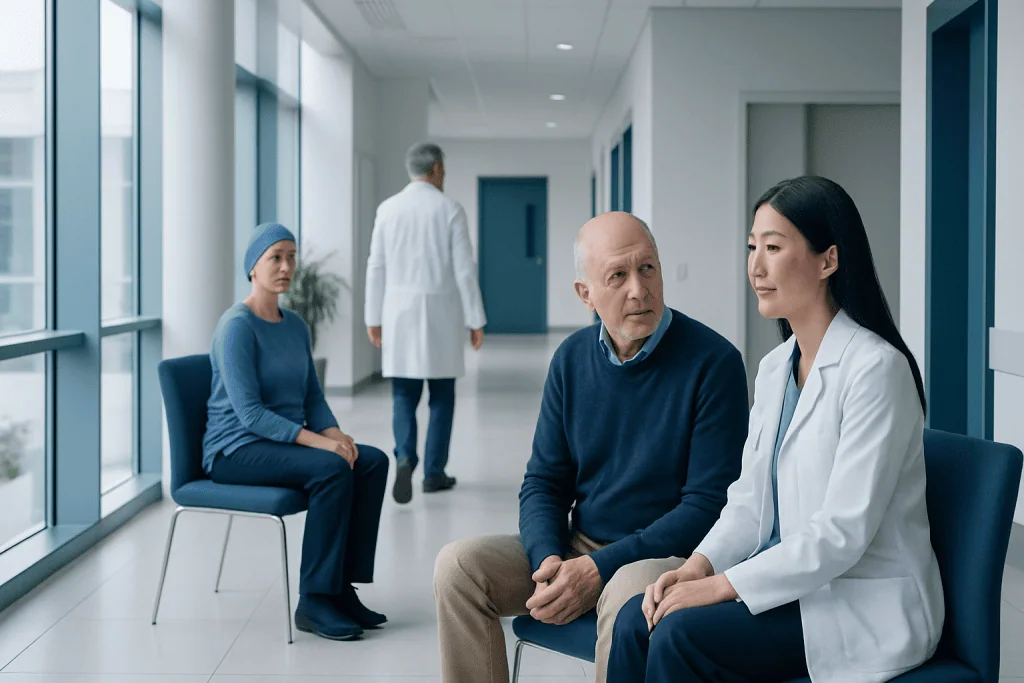
A second opinion in cancer care is common and can help patients make informed decisions. It may confirm the original diagnosis and treatment plan or suggest other appropriate options.
Key Takeaways
- A second opinion in cancer care is common and can help patients make informed decisions.
- It may confirm the original diagnosis and treatment plan or suggest other appropriate options.
- Second opinions are especially valuable for rare, complex, advanced, or recurring cancers.
- Pathology, imaging, and staging may be reviewed again to improve accuracy.
- Seeking another expert opinion usually should not be seen as distrust of the first doctor.
- Patients should bring records, scan results, pathology reports, and questions to the appointment.
A second opinion in cancer care can help confirm the diagnosis, clarify the stage, and review treatment choices before a person moves forward. It often brings reassurance and, in some cases, may identify additional options that better fit the patient’s needs and goals.
Overview
Second opinion in cancer care means asking another qualified cancer specialist to review the diagnosis, test results, stage, and treatment plan. This is a standard part of modern oncology and can be helpful at many points in care. It is not a sign of disrespect toward the first doctor. Instead, it is a way to gather more information and make decisions with greater confidence.
Cancer care can be complex. Different treatments may be available depending on the cancer type, stage, tumor biology, symptoms, overall health, and personal priorities. A second opinion can help patients understand whether the proposed plan is the usual standard treatment, whether there are alternatives, and whether the expected benefits and side effects are clear.
Sometimes the second doctor agrees fully with the first recommendation. That alone can be reassuring and may help a patient move forward with less uncertainty. In other situations, the second opinion may suggest a different sequence of treatment, additional testing, or access to specialized therapies through a multidisciplinary team.
When a Second Opinion Matters Most
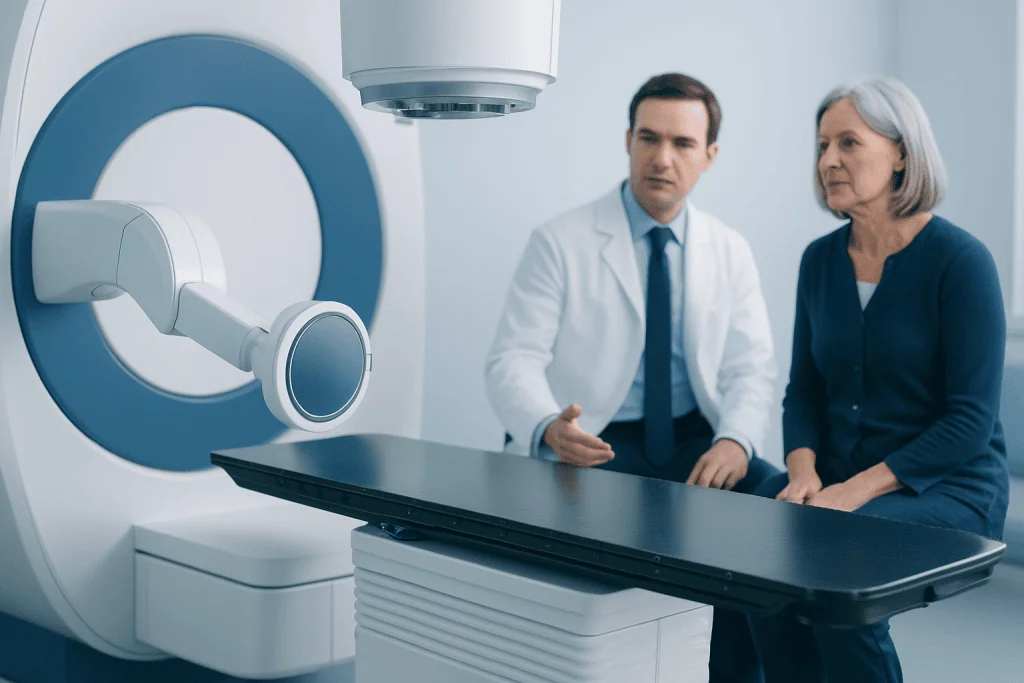
A second opinion can be useful after almost any cancer diagnosis, but it may matter most when the situation is complicated or the treatment is likely to have major long-term effects. It is especially reasonable to seek another review before starting surgery, chemotherapy, radiation therapy, or a combination plan that could change future options.
Common situations where a second opinion may be particularly important include:
- A rare cancer or an uncommon subtype
- An unclear diagnosis or uncertain pathology result
- Advanced, metastatic, or recurrent cancer
- Several treatment options with different side effect profiles
- A recommendation for major surgery or organ-removing surgery
- A plan that could affect fertility, speech, swallowing, mobility, or quality of life
- Concerns that treatment is not working as expected
- Interest in targeted therapy, immunotherapy, or clinical trials
It may also be helpful when a patient feels rushed, confused, or unsure that all questions have been answered. Cancer decisions often need timely action, but many cases still allow enough time for a focused expert review. A second opinion can support better understanding without necessarily causing harmful delay.
What a Second Opinion Can Help Clarify

One of the most important parts of a second opinion is confirming the diagnosis. In cancer care, diagnosis often depends on pathology, which is the laboratory examination of biopsy or surgical tissue. A specialist may review the pathology slides again to confirm the exact cancer type, grade, receptor status, or molecular features. This can influence the choice of treatment in a meaningful way.
The second opinion can also reassess staging. Staging describes how far the cancer has spread and often relies on imaging, blood tests, pathology findings, and sometimes surgical information. If the stage changes, the treatment plan may change as well. In some cases, the doctor may advise additional imaging or specialized testing to complete the picture.
Beyond diagnosis and staging, the review can help clarify treatment goals. Some therapies are intended to cure, some to reduce recurrence risk, and others to control disease and relieve symptoms. Understanding that goal helps patients compare options more clearly. For some people, this may include reviewing approaches such as medical oncology, radiation oncology, or surgical oncology as part of an individualized plan.
How the Process Works
To get a second opinion, patients usually make an appointment with another oncologist or a specialized cancer center. The most useful consultation includes complete medical records. These often include clinic notes, pathology reports, biopsy results, imaging reports, actual scan images on disc or electronic transfer, blood test results, and details of any treatment already given.
Before the visit, it helps to prepare a short medical summary and a list of questions. Questions may include: Is the diagnosis certain? Is the cancer stage correct? What are the standard treatment options? Are there alternatives with similar effectiveness but different side effects? Is there a role for genetic or molecular testing? Could a clinical trial be appropriate?
Many second opinions are provided by multidisciplinary teams. This means specialists in medical oncology, surgery, radiation oncology, radiology, pathology, genetics, and supportive care discuss the case together. That team approach can be especially helpful for people with cancer that involves several possible treatment paths or multiple body systems.
Some second opinions can also be arranged remotely, depending on local regulations and the type of records available. Virtual review may be convenient for international patients or for those who want expertise from a center with experience in a specific tumor type.
Benefits and Possible Limitations
The main benefit of a second opinion is informed decision-making. It may confirm that the current plan is appropriate, which can reduce anxiety and build trust in the next steps. It may also identify newer options, suggest a different order of treatment, or point to supportive care services that improve quality of life during therapy.
For some cancers, highly specialized review is especially valuable because treatment depends on subtle pathology or imaging findings. This may apply to uncommon tumors, cancers in children and young adults, or situations where preserving function is important. Expert review can also help determine whether a person should be treated at a local center or a center with greater subspecialty experience.
There can be practical limitations. Gathering records may take time, and insurance coverage or travel logistics may need attention, depending on the country and health system. In urgent situations, the first treatment step may need to begin quickly. Even then, it is sometimes still possible to seek a second opinion on later phases of care, follow-up planning, or management of recurrence.
Questions to Ask During a Cancer Second Opinion
A second opinion is most helpful when the discussion is focused and patient-centered. The goal is not only to hear another plan, but also to understand why that plan is recommended. Patients may wish to bring a family member or trusted friend to help take notes and remember key information.
Useful questions can include:
- Do you agree with the diagnosis and stage?
- Should the biopsy, pathology slides, or scans be reviewed again?
- What treatment do you recommend, and what is the goal of that treatment?
- What are the benefits, risks, and common side effects?
- Are there other reasonable options for my situation?
- Would genetic, biomarker, or molecular testing change the plan?
- Is treatment best given now, or is there time to consider choices?
- Would I benefit from supportive care, rehabilitation, or fertility counseling?
It is also reasonable to ask whether the recommendation follows current guidelines and whether a clinical trial may be available. If the opinions differ, patients can ask what factors explain the difference. This often helps reveal whether one approach is more aggressive, more conservative, or better aligned with the patient’s personal goals.
Making a Decision After the Second Opinion
After the consultation, patients may find that both doctors recommend similar treatment. When that happens, the next step may simply be choosing where to receive care and who feels like the best fit for communication, coordination, and support. If the opinions differ, it can help to compare the reasons behind each recommendation rather than focusing only on the treatments themselves.
Important factors include the expected goal of treatment, likely side effects, need for hospital visits, recovery time, effect on daily life, and the experience of the treating team with that particular cancer. Some people may value the most intensive approach possible, while others may prioritize function, convenience, or symptom control. A good plan should reflect both medical evidence and the patient’s preferences.
Patients should not feel pressured to choose immediately unless the cancer team explains that urgent treatment is necessary. Asking for a clear summary in writing can make the decision easier. Near the end of this process, some international patients choose centers such as Acibadem International, where multidisciplinary specialists in JCI-accredited hospitals diagnose and treat cancer for patients coming from abroad.
If there is ongoing uncertainty, a third opinion may occasionally be appropriate, especially for rare cancers or unusual pathology findings. The aim is not to keep searching indefinitely, but to reach a well-supported decision and begin care without unnecessary delay.
When to See a Doctor Urgently
While arranging a second opinion is often reasonable, some symptoms need prompt medical attention and should not wait for another consultation. Patients should contact their cancer team urgently or seek immediate care for severe shortness of breath, chest pain, uncontrolled bleeding, new confusion, seizures, high fever during treatment, or sudden weakness.
Severe dehydration, inability to keep fluids down, intense uncontrolled pain, and signs of infection also need timely review. People who are already receiving chemotherapy or other systemic treatment may have special instructions about when to call the hospital or oncology clinic, and these should be followed closely.
In urgent cases, the safest approach is to address the immediate medical problem first. A second opinion can often still be arranged after stabilization or between treatment phases. Prompt care and thoughtful review can work together; patients do not usually have to choose one or the other.
Frequently asked questions
Is it normal to ask for a second opinion after a cancer diagnosis?
Yes. A second opinion is a common and accepted part of cancer care. Many doctors expect patients to want confirmation and are comfortable helping them gather records for another review.
Will getting a second opinion delay cancer treatment?
Not always. In many cases, there is enough time to review the diagnosis and treatment plan without affecting safety. If treatment is urgent, the doctor can explain what needs to happen immediately and what decisions can still be reviewed afterward.
What should a patient bring to a second opinion appointment?
It helps to bring pathology reports, scan reports, actual imaging files, blood test results, treatment summaries, and a list of medications. A written list of questions and a short timeline of symptoms and tests can also make the visit more productive.
Can a second opinion change the diagnosis or treatment plan?
Sometimes it can. Another specialist may confirm the original plan, recommend more testing, or suggest a different treatment approach based on pathology, staging, or tumor biology. Even when the plan does not change, the added clarity can be very valuable.
Does asking for a second opinion mean a patient does not trust the first doctor?
No. Seeking another expert review is usually about understanding options and feeling confident about important decisions. Most oncologists recognize that cancer treatment is complex and support patients who want more information.
Should every person with cancer get a second opinion?
Not every case requires one, but many patients find it helpful. It is especially worth considering for rare cancers, major surgery, recurrence, advanced disease, or when there are several possible treatment choices.
References
- National Cancer Institute
- American Society of Clinical Oncology
- National Comprehensive Cancer Network
- World Health Organization
This article is for general information only and is not a substitute for professional medical advice. Please consult a qualified doctor about your individual situation.
Oncology care in Turkey — second opinion and treatment plan
JCI-accredited · board-certified surgeons · reply within 24h
Add us as a Preferred Source to see more of our trusted health content across Google Search, AI Overviews and Discover.

Medical Oncology Department
Medical treatment of cancer with chemotherapy, immunotherapy and targeted therapies under a multidisciplinary tumor board.
60 specialists in this unit