When to Get a Second Oncology Opinion
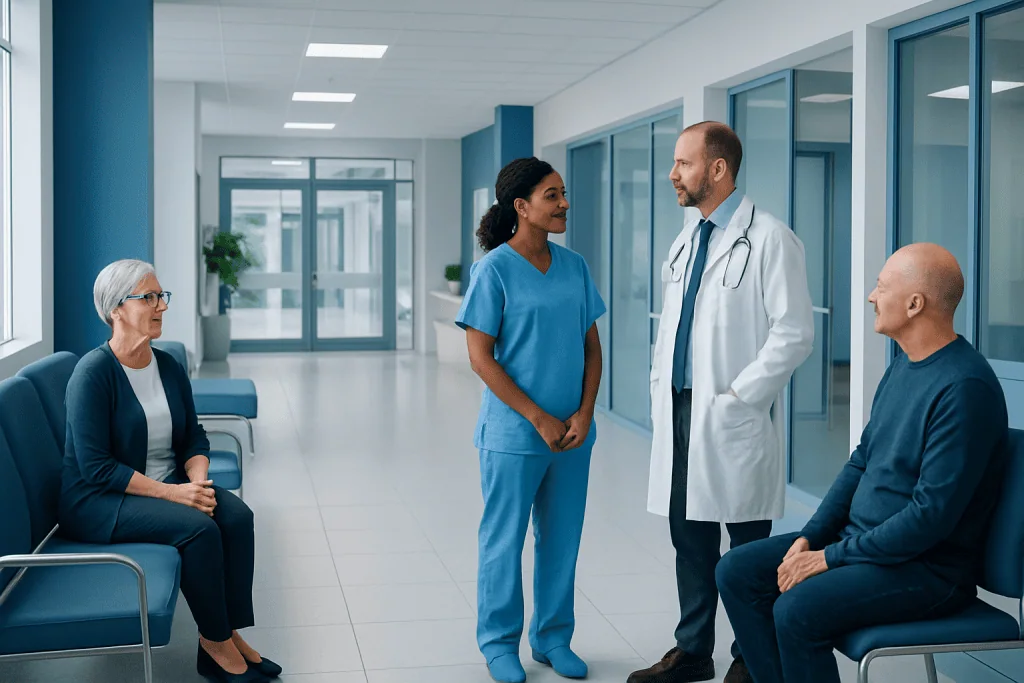
A second oncology opinion is common and can be helpful at many points in cancer care. It may confirm the original plan or present additional treatment options.
Key Takeaways
- A second oncology opinion is common and can be helpful at many points in cancer care.
- It may confirm the original plan or present additional treatment options.
- Patients often seek another opinion when the diagnosis is rare, the treatment is complex, or they want more clarity.
- Getting a second opinion usually involves reviewing pathology, imaging, and the current treatment plan.
- A second opinion should not replace urgent treatment when cancer care needs to start quickly.
A second oncology opinion can help confirm a cancer diagnosis, review staging, and explain treatment options in a clearer way. For many people, it offers reassurance, more information, and greater confidence before starting or changing treatment.
Overview
A second oncology opinion means asking another cancer specialist to review a diagnosis, stage, test results, and treatment plan. This is a normal part of cancer care and is often encouraged, especially when decisions are complex or several treatment paths are possible. It does not mean a patient distrusts their doctor. In many cases, it simply helps confirm the next steps.
Cancer care can involve surgery, medical oncology, radiation oncology, pathology, genetic testing, and supportive care. Because these decisions can affect both outcomes and quality of life, many patients want another expert view before starting treatment. A second opinion may support the original recommendation, suggest additional tests, or offer a different approach based on a specialist’s experience.
Patients commonly seek a second oncology opinion after a new diagnosis, before major surgery, when treatment is not working as expected, or when a cancer returns. It can also be useful for rare cancers, unusual pathology findings, or when a person is considering treatment at a specialized center. The main goal is informed, confident decision-making.
When a Second Oncology Opinion May Be Helpful
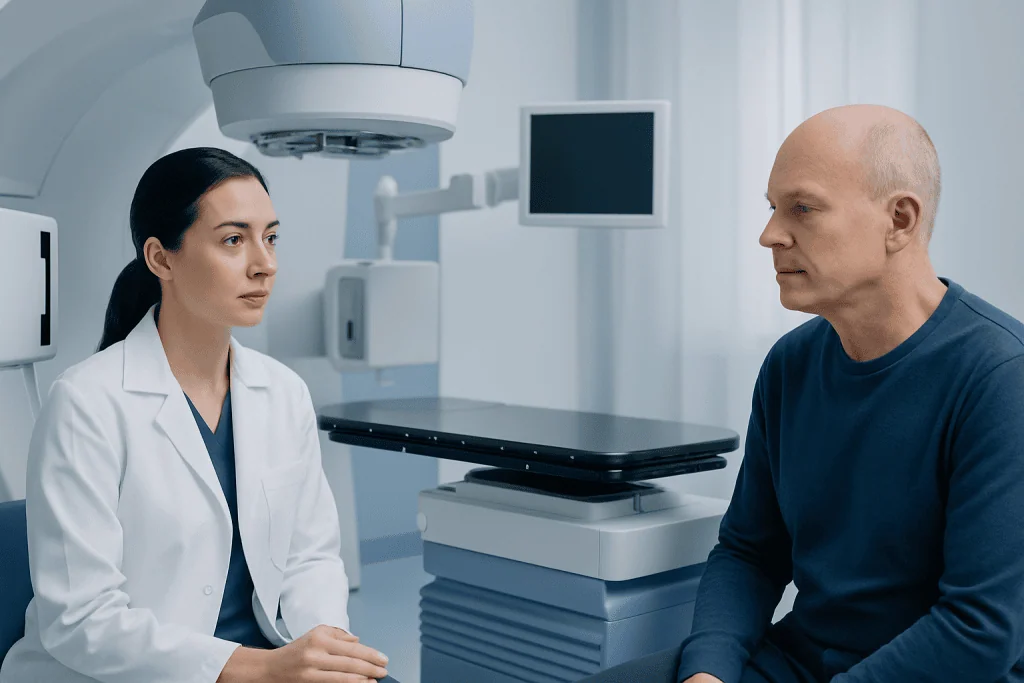
There is no single rule for when to seek a second oncology opinion. For many people, the right time is soon after diagnosis and before treatment begins, especially if there is enough time to review records without delaying necessary care. In other situations, a second opinion may be helpful later, such as when the cancer progresses, side effects become difficult, or a treatment choice feels unclear.
A second opinion may be especially useful when the diagnosis is rare, the cancer stage is uncertain, or more than one treatment approach seems reasonable. It can also help if pathology results are complex, if a patient is told they may need a major operation, or if they want to understand whether targeted therapy, immunotherapy, radiation, or surgery are appropriate options.
Common situations include:
- A newly diagnosed cancer and uncertainty about the best first treatment
- A rare cancer or an uncommon subtype of a common cancer
- Conflicting test results or questions about staging
- A recommendation for extensive surgery or combination therapy
- Cancer that has returned or spread
- Interest in clinical trials or specialized treatments
- A desire for clearer explanations before making a decision
Even when treatment needs to begin promptly, many centers can provide a focused record review quickly. The important balance is getting more information without creating unnecessary delays in urgent care.
What a Second Opinion Can Clarify

A second oncology opinion can help clarify several parts of cancer care. One of the most important is whether the diagnosis itself is correct. In some cases, another pathologist may review biopsy slides to confirm the exact cancer type, grade, or molecular features. This matters because treatment recommendations often depend on these details.
Another key area is staging. A second specialist may review scans, blood tests, and pathology to confirm how advanced the cancer is. Accurate staging helps guide whether treatment should focus on cure, control, symptom relief, or a combination of these goals.
The review may also compare different treatment approaches. For example, one specialist may recommend surgery first, while another may advise chemotherapy, radiation, or a combined plan. In some cancers, there may be newer options such as immunotherapy or personalized treatment based on tumor markers. A second opinion can help patients understand why one path may be preferred over another.
Finally, it can improve communication. Some patients leave the visit not fully understanding the diagnosis or plan. Another consultation can provide time to ask questions, discuss possible benefits and risks, and better understand expected side effects, recovery, and follow-up.
How to Prepare for a Second Oncology Opinion
Preparation can make the consultation more useful. Patients should gather all relevant medical records, including clinic notes, biopsy and pathology reports, imaging reports, scan discs if requested, laboratory results, and a list of current medicines. If treatment has already started, it helps to bring details about what was given, how the body responded, and any side effects.
Writing down questions in advance can also be helpful. Many people want to ask whether the diagnosis is certain, what stage the cancer is, what treatment options exist, and which option is usually recommended for someone in a similar situation. Questions about side effects, fertility, daily life, work, and the expected timeline may also be important.
Patients may find it reassuring to bring a family member or friend to the appointment. Another person can help take notes, remember details, and offer support during a stressful discussion. If language is a concern, asking for interpreter support can make the visit easier and clearer.
For complex cases, multidisciplinary review can be valuable. This means more than one specialist, such as a surgeon, medical oncologist, radiation oncologist, radiologist, and pathologist, considers the case together. This approach is often useful when choosing among cancer treatment options or deciding whether oncology care at a specialized center may add benefit.
What to Expect During the Consultation
During a second opinion visit, the specialist usually reviews the medical history, symptoms, previous test results, and the current treatment recommendation. They may perform a physical examination if needed. In many cases, the consultation focuses on confirming what is already known and explaining the options in a more structured way.
Sometimes the second doctor agrees fully with the original plan. This can be very reassuring and may help the patient move forward with greater confidence. In other cases, the specialist may recommend further imaging, repeat pathology review, genetic testing, or a different treatment sequence. That does not necessarily mean the first plan was wrong; it may reflect a different area of expertise or access to certain therapies.
Patients should feel comfortable asking practical questions, such as how soon treatment should start, whether there are alternatives with fewer side effects, and what the goals of care are. It can also be helpful to ask whether the recommendation follows widely accepted guidelines and whether there are any suitable clinical trials.
If surgery is part of the discussion, another opinion may help clarify the extent of surgery, possible reconstruction, and whether additional therapies are likely before or after the operation. In some situations, a specialist may also discuss related services such as robotic surgery when it is relevant and appropriate for the cancer type.
Benefits, Limits, and Common Concerns
The main benefit of a second oncology opinion is greater confidence in decision-making. It can confirm that the diagnosis and stage are accurate, show that the original treatment plan is appropriate, or identify other reasonable options. For some patients, this reduces anxiety and helps them feel more in control during a difficult time.
A second opinion can also connect patients with subspecialists who focus on a particular cancer, such as breast cancer or lung cancer. Specialists who see a high volume of one cancer type may be familiar with newer diagnostic tools, treatment sequences, and supportive care strategies that are especially relevant to that disease.
At the same time, a second opinion has limits. It may not always produce a different recommendation, and in urgent situations there may be only a short window to review records before treatment must begin. Also, medical opinions can differ even when both are evidence-based, because cancer care sometimes includes more than one accepted option.
Some patients worry that asking for another opinion will upset their current doctor. In practice, many oncology teams understand and support this choice. Open communication can help. Patients can explain that they want the most complete information possible before moving ahead.
Making the Final Decision and When to Seek Care Promptly
After receiving a second oncology opinion, the next step is to compare the recommendations in a practical way. Patients may want to look at the expected benefits, possible side effects, treatment timing, follow-up needs, and how care may affect work, family life, travel, and daily routines. If the opinions differ, it can help to ask each doctor why they prefer a certain plan and which evidence or experience supports it.
It is reasonable to ask whether additional review by pathology, radiology, or a tumor board would help resolve differences. Some patients also benefit from discussing goals of care in plain language: is the treatment aiming to cure the cancer, shrink it before surgery, reduce the chance of recurrence, control disease, or relieve symptoms? Clear goals often make decisions easier.
Urgent symptoms should never be ignored while seeking another opinion. Immediate medical attention may be needed for severe pain, heavy bleeding, breathing difficulty, fever during chemotherapy, sudden weakness, confusion, dehydration, or other rapidly worsening symptoms. In these situations, safety comes first, and emergency care should not be delayed.
For patients seeking care across borders, coordination of records and specialist review can be important. Near the end of this process, some may choose an international center for ongoing management. Acibadem International’s multidisciplinary specialists and JCI-accredited hospitals diagnose and treat cancer for international patients, with care plans tailored to the individual case.
Frequently asked questions
Is it normal to get a second oncology opinion?
Yes. A second oncology opinion is a common and accepted part of cancer care. Many patients seek one to confirm the diagnosis, understand treatment choices better, or feel more confident before starting therapy.
Will a second opinion delay cancer treatment?
Not always. In many cases, records can be reviewed quickly, especially if pathology and imaging are already available. However, if treatment is urgent, patients should ask their current team how to get another opinion without creating unsafe delays.
What records are usually needed for a second opinion?
Most specialists need pathology reports, biopsy results, scan reports, lab tests, clinic notes, and a treatment summary if therapy has already begun. Some centers may also ask for scan discs or pathology slides for direct review.
What if the second doctor disagrees with the first doctor?
Different recommendations do not always mean one doctor is wrong. Some cancers have more than one evidence-based treatment approach. Patients can ask each specialist to explain the reasons for their recommendation and whether a multidisciplinary review may help.
Should patients get a second opinion before surgery?
It can be especially helpful before major cancer surgery, because surgery may affect both treatment results and quality of life. Another specialist can confirm whether surgery is the best first step and whether any additional tests or treatments should come first.
Can a second opinion help if cancer has come back?
Yes. A second oncology opinion may be very useful when cancer recurs or spreads, because treatment choices may change based on prior therapy, new test results, and the current goals of care. It can also help identify clinical trials or newer treatment options.
References
- National Cancer Institute
- American Cancer Society
- American Society of Clinical Oncology
- National Comprehensive Cancer Network
- World Health Organization
This article is for general information only and is not a substitute for professional medical advice. Please consult a qualified doctor about your individual situation.
Oncology care in Turkey — second opinion and treatment plan
JCI-accredited · board-certified surgeons · reply within 24h
Add us as a Preferred Source to see more of our trusted health content across Google Search, AI Overviews and Discover.

Medical Oncology Department
Medical treatment of cancer with chemotherapy, immunotherapy and targeted therapies under a multidisciplinary tumor board.
60 specialists in this unit