What to Expect at an Orthopedic Appointment

An orthopedic appointment usually begins with a review of symptoms, medical history, and daily activity limits. The physical exam may assess movement, strength, balance, joint stability, and areas of tenderness.
Key Takeaways
- An orthopedic appointment usually begins with a review of symptoms, medical history, and daily activity limits.
- The physical exam may assess movement, strength, balance, joint stability, and areas of tenderness.
- Imaging tests such as X-rays, MRI, or ultrasound are ordered only when they are likely to help clarify the diagnosis.
- Treatment may include exercises, medicines, bracing, injections, or surgery depending on the problem and its severity.
- Bringing prior scans, medication lists, and a record of symptoms can help make the visit more productive.
- Prompt medical attention is important for sudden severe pain, major swelling, deformity, or inability to bear weight.
An orthopedic appointment helps identify the cause of bone, joint, muscle, tendon, or ligament symptoms and guides next steps in care. Most visits include a discussion of symptoms, a physical examination, and, when needed, imaging or other tests.
Overview
An orthopedic appointment is a visit with a doctor who evaluates problems affecting bones, joints, muscles, tendons, ligaments, and the spine. People may be referred for knee pain, shoulder stiffness, back symptoms, sports injuries, arthritis, fractures, or difficulty walking and moving comfortably. The main goal is to understand what is causing the symptoms and create a plan that supports pain relief, function, and long-term joint health.
For many patients, the first visit is straightforward and reassuring. The doctor usually starts by listening carefully to the patient’s symptoms, reviewing past injuries or medical conditions, and asking how the issue affects work, exercise, sleep, and daily life. A focused physical examination often provides important clues, and some patients may need imaging or laboratory tests to confirm the diagnosis.
Orthopedic care is not only for surgery. In fact, many musculoskeletal problems improve with non-surgical treatment such as activity changes, exercise-based rehabilitation, medication, bracing, or injections. When surgery is appropriate, the appointment also helps the patient understand why it is being considered, what alternatives exist, and what recovery may involve.
When an Orthopedic Appointment May Be Needed
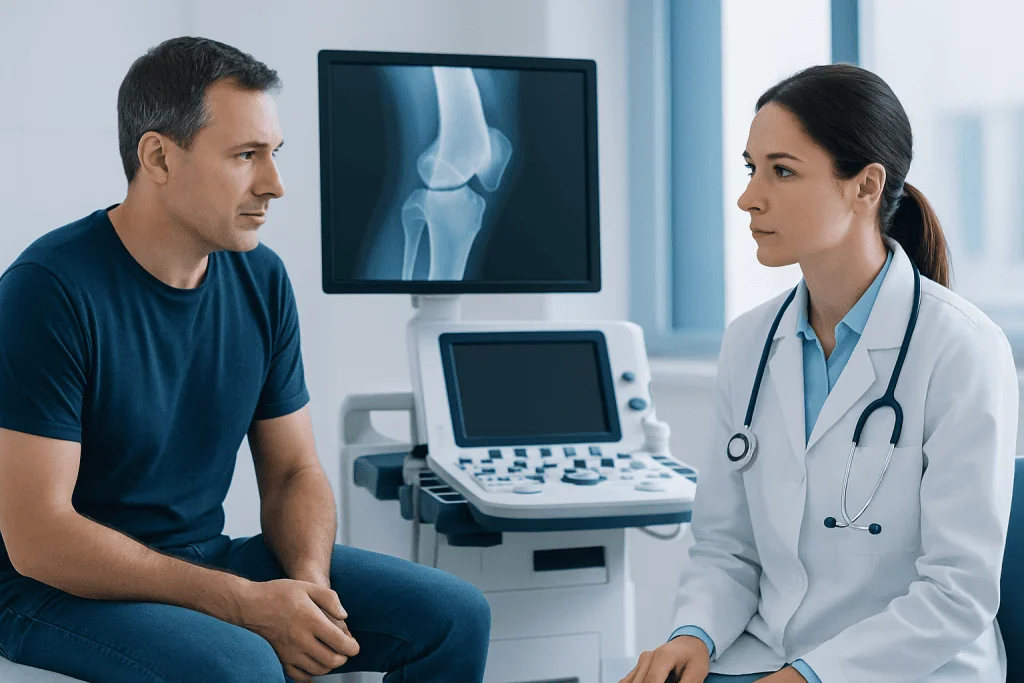
People often seek orthopedic care when pain, swelling, stiffness, weakness, or limited movement does not improve as expected. A visit may also be helpful after an injury, such as a fall, twist, collision, or sports-related strain. Some patients are referred by a primary care doctor, emergency department, physiotherapist, or another specialist after initial treatment has not fully resolved the problem.
Common reasons for an orthopedic appointment include persistent joint pain, recurring ankle sprains, shoulder pain with lifting, hip pain when walking, back pain with leg symptoms, hand numbness, or trouble using a limb normally. The visit can also help evaluate age-related wear, overuse injuries, and chronic conditions such as osteoarthritis or scoliosis when symptoms begin affecting posture, mobility, or quality of life.
Children, adults, athletes, and older adults may all see an orthopedist, although the focus of care may differ. For example, younger patients may be assessed for growth-related or sports injuries, while older adults may be evaluated for arthritis, tendon tears, balance problems, or fragility fractures. The purpose remains the same: to identify the source of symptoms and guide the safest, most effective next step.
What Happens During the Visit
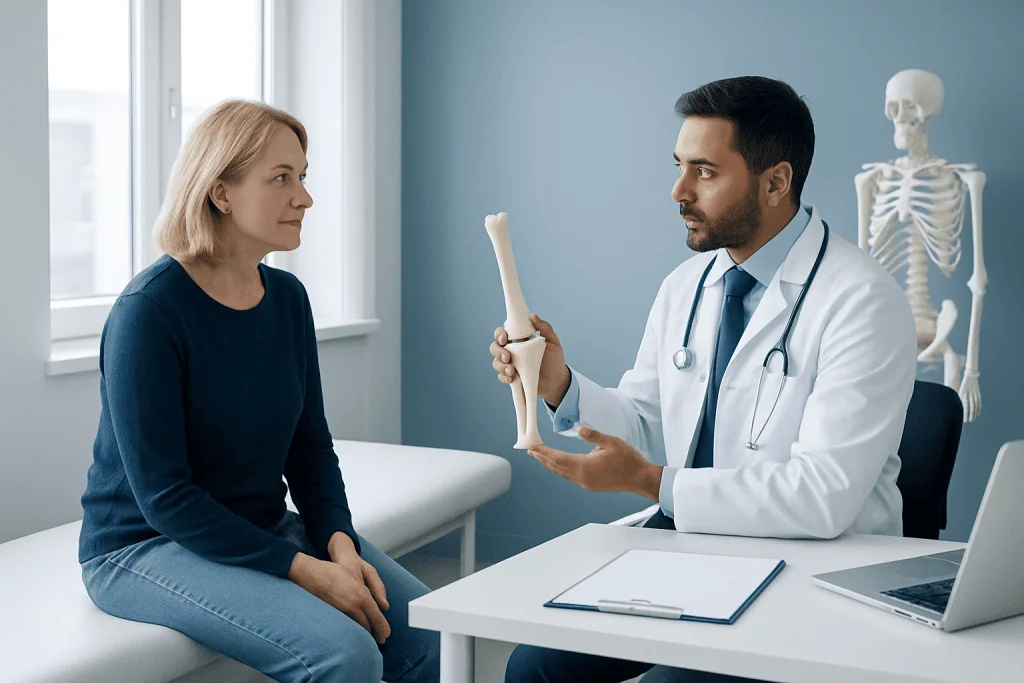
The appointment usually begins with a detailed conversation. The doctor may ask when the symptoms started, whether they followed an injury, what makes them better or worse, and whether pain is sharp, dull, burning, or associated with clicking, locking, numbness, or weakness. The patient may also be asked about medical history, previous surgeries, medicines, allergies, sports participation, occupation, and family history of bone or joint disease.
A physical examination follows. Depending on the body area involved, the doctor may inspect posture, walking pattern, alignment, and swelling; gently feel for tenderness or warmth; and test range of motion, strength, reflexes, sensation, stability, and balance. For spine-related concerns, the exam may include nerve testing and checking how symptoms change with bending, straightening, or lifting the leg.
The examination is usually focused and practical rather than complicated. Patients are often asked to perform simple movements, such as raising an arm, bending a knee, standing on one leg, or walking a short distance. These steps help show how the bones, joints, muscles, and nerves are functioning together and often narrow the list of possible causes.
At the end of the evaluation, the doctor typically explains the likely diagnosis or the most likely possibilities if more testing is needed. Patients are encouraged to ask questions about the condition, expected healing time, activity restrictions, and treatment choices so they can take an active role in care decisions.
Tests and Imaging That May Be Recommended
Not every orthopedic appointment requires tests. When the history and examination clearly suggest a common problem, the doctor may begin treatment right away. However, imaging can be helpful when there has been trauma, symptoms are severe or persistent, nerve involvement is suspected, or surgery is being considered.
X-rays are often the first imaging test for fractures, joint alignment issues, arthritis, and some spine problems. MRI can provide more detail about soft tissues such as cartilage, meniscus, ligaments, tendons, discs, and nerves. Ultrasound may be used for certain tendon, muscle, and joint conditions, and CT scans can help evaluate complex fractures or bone anatomy in more detail.
In some cases, blood tests may be requested if the symptoms suggest inflammation, infection, gout, or another systemic condition rather than a purely mechanical injury. The orthopedic specialist may also review previous scans or reports, so bringing copies of outside imaging can save time and prevent duplication.
Test results are interpreted together with symptoms and the physical exam. This is important because imaging findings do not always match how a patient feels. For example, a scan may show wear-and-tear changes that are common with age, while the true cause of pain may still depend on the full clinical picture.
Possible Treatment Options After Evaluation
Treatment depends on the diagnosis, symptom severity, age, activity level, and the patient’s goals. For many conditions, conservative care is the first step. This may include rest from aggravating activities, ice or heat, short-term pain relief medicines, anti-inflammatory treatment when appropriate, supportive braces, shoe modifications, and a structured home exercise or rehabilitation program.
Physical therapy is commonly recommended to improve strength, flexibility, balance, posture, and joint mechanics. When symptoms are caused by overuse or muscle imbalance, guided rehabilitation can be especially helpful. Some patients may also benefit from image-guided or office-based procedures, such as joint aspiration or carefully selected injections, depending on the condition being treated.
If symptoms do not improve or if there is a structural problem that is unlikely to heal well without intervention, surgery may be discussed. Depending on the diagnosis, this might include knee replacement, hip replacement, arthroscopic surgery, or spine surgery. The doctor generally explains the expected benefits, possible risks, likely recovery process, and whether non-surgical options remain reasonable.
The best treatment plan is individualized. Some people need only reassurance and self-care advice, while others need coordinated management involving rehabilitation specialists, pain experts, radiologists, or surgeons. Near the end of care planning, patients may learn about follow-up timing, warning signs to watch for, and what progress should look like over the coming weeks.
How to Prepare for an Orthopedic Appointment
A little preparation can make the appointment more efficient and informative. Patients may find it helpful to write down when symptoms began, where pain is located, what activities trigger it, and whether there is swelling, numbness, instability, or night pain. If symptoms come and go, keeping a brief record can help the doctor identify patterns.
It is also useful to bring a list of current medicines, previous treatments, allergies, and relevant medical conditions. Copies of prior X-rays, MRI scans, operative reports, or physiotherapy notes can be especially important if the patient has already been evaluated elsewhere. Wearing comfortable clothing that allows the painful area to be examined easily may also help.
Questions are worth preparing in advance. Patients often want to know the likely cause of symptoms, whether exercise is safe, how long healing may take, and whether work or sports should be limited. Asking about alternatives, expected results, and the purpose of each test or treatment can support shared decision-making and reduce uncertainty after the visit.
Some patients benefit from bringing a family member or friend, especially if they have severe pain, mobility limitations, or think surgery may be discussed. Another person can help remember information, note the treatment plan, and provide support with practical next steps.
Self-care, Recovery, and Follow-up
After the appointment, following the agreed plan carefully can improve recovery. This may mean doing exercises regularly, avoiding specific movements for a period, using a brace correctly, or taking medicines only as advised. Improvement can be gradual, especially for tendon injuries, arthritis flare-ups, and long-standing back or joint problems.
Patients are often encouraged to stay active within safe limits rather than stopping all movement. Gentle, guided activity can help maintain muscle strength, joint mobility, and circulation. The right balance depends on the condition, so the orthopedic team may explain which activities are encouraged, which should be modified, and which should be avoided temporarily.
Follow-up appointments allow the doctor to assess how symptoms are changing and whether the diagnosis or treatment plan needs to be adjusted. If pain is worsening, new weakness develops, or the patient cannot carry out normal daily activities despite treatment, the next step may involve repeat examination, different imaging, or a referral for more specialized care.
For international patients seeking coordinated musculoskeletal care, Acibadem International’s multidisciplinary specialists in JCI-accredited hospitals diagnose and treat a wide range of orthopedic conditions, from sports injuries to joint and spine disorders.
When to Seek Prompt Medical Attention
Although many orthopedic concerns are not emergencies, some symptoms should be assessed without delay. Sudden inability to bear weight, a visibly deformed limb, rapidly increasing swelling, severe pain after trauma, or a suspected fracture should be evaluated promptly. The same is true for a joint that becomes very hot, red, and painful, especially if there is fever.
Urgent assessment is also important for new numbness, loss of bladder or bowel control, progressive weakness, or severe back pain with neurological symptoms, because these can suggest nerve compression or another serious problem. Open wounds near a joint or bone, or pain following a high-impact accident, should not be ignored.
Even when symptoms are less dramatic, a doctor’s review is sensible if pain lasts more than a few weeks, keeps returning, or interferes with sleep, work, walking, or daily activities. Early evaluation can often prevent a minor issue from becoming a longer-lasting limitation and may improve treatment options.
Frequently asked questions
Do patients need a referral for an orthopedic appointment?
This depends on the healthcare system, insurance plan, and clinic policies. Some patients can book directly with an orthopedist, while others are referred by a primary care doctor or another specialist. It is usually best to check local requirements before scheduling.
Will imaging always be done at the first orthopedic appointment?
No. Many orthopedic problems can be assessed initially through a medical history and physical examination. Imaging is usually requested only when it is likely to change the diagnosis or treatment plan.
What should a patient wear to an orthopedic visit?
Comfortable clothing that allows the affected area to be examined is often most practical. For example, shorts may help with a knee problem, while a loose top may make a shoulder exam easier. Supportive shoes can also be useful if walking needs to be assessed.
Can an orthopedic doctor treat back pain?
Yes, orthopedists often evaluate back and neck pain, especially when it involves the spine, joints, discs, or nerve-related symptoms. The doctor will assess whether the cause is mechanical, degenerative, injury-related, or linked to another condition. Some patients may also be referred to rehabilitation, pain, or neurosurgical specialists depending on the findings.
Does seeing an orthopedist mean surgery will be needed?
No. Many people who see an orthopedic specialist are treated without surgery. Exercise-based rehabilitation, medication, bracing, lifestyle changes, and injections are common first-line options for many conditions.
How long does an orthopedic appointment usually take?
The length of the visit varies depending on the reason for the appointment, whether prior records need review, and whether imaging is discussed. Initial consultations are often longer than follow-up visits because they include a more detailed history and examination. If extra tests are needed, the full diagnostic process may continue over more than one visit.
References
- American Academy of Orthopaedic Surgeons
- National Institute of Arthritis and Musculoskeletal and Skin Diseases
- NHS
- MedlinePlus
- American College of Radiology
This article is for general information only and is not a substitute for professional medical advice. Please consult a qualified doctor about your individual situation.
Joint and spine care in Turkey — expert assessment & treatment
JCI-accredited · board-certified surgeons · reply within 24h
Add us as a Preferred Source to see more of our trusted health content across Google Search, AI Overviews and Discover.

Orthopedics & Spine
Care for bones, joints and the musculoskeletal system, including joint replacement, sports injuries and trauma.
125 specialists in this unit