Orthopedic Injury Warning Signs: When to See a Doctor
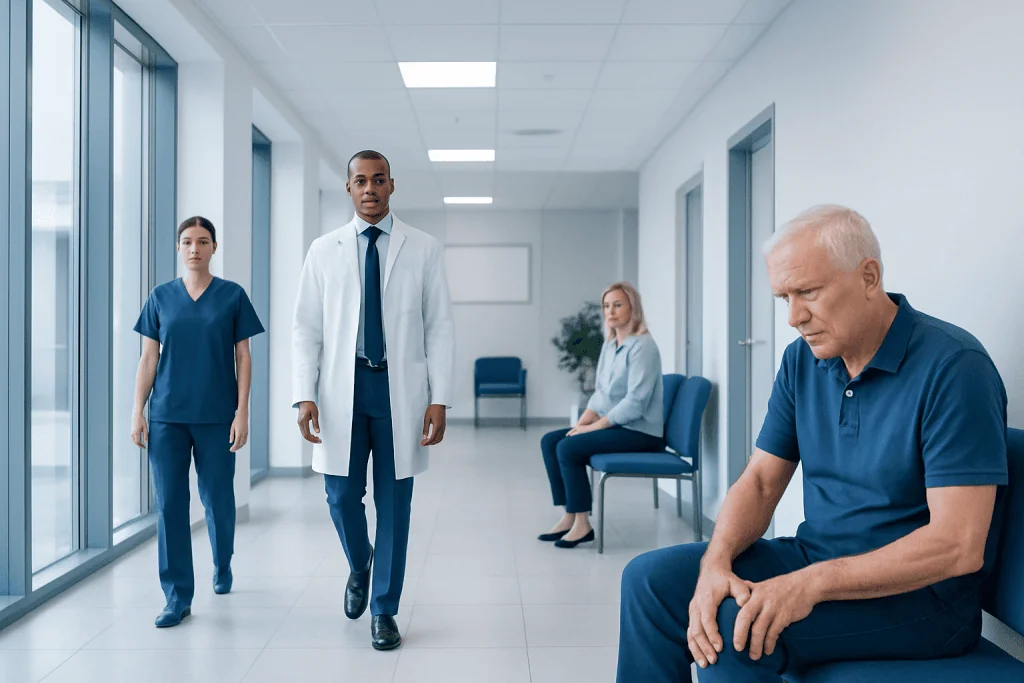
Severe pain, visible deformity, numbness, or inability to bear weight are important warning signs. Swelling, bruising, and limited movement can happen with both minor and serious injuries.
Key Takeaways
- Severe pain, visible deformity, numbness, or inability to bear weight are important warning signs.
- Swelling, bruising, and limited movement can happen with both minor and serious injuries.
- A fracture, dislocation, tendon tear, or ligament injury may not always be obvious without an examination or imaging.
- Early diagnosis and treatment can reduce pain, support healing, and help prevent long-term problems.
- Medical attention is especially important after high-impact trauma, worsening symptoms, or signs of infection.
Orthopedic injuries affect bones, joints, muscles, ligaments, and tendons. Knowing the warning signs can help a person decide when home care may be enough and when prompt medical evaluation is the safer choice.
Overview
Orthopedic injuries involve the musculoskeletal system, including bones, joints, cartilage, muscles, ligaments, and tendons. They can happen during sports, exercise, work, daily activities, falls, or road traffic accidents. Some are mild and improve with rest and simple care, while others need urgent assessment to protect function and prevent complications.
Many people find it difficult to judge whether an injury is “just a sprain” or something more serious. Symptoms such as pain, swelling, or bruising may occur in both minor and major injuries. Because of this overlap, certain warning signs are especially helpful when deciding whether to seek medical care.
In general, injuries that cause severe pain, obvious deformity, numbness, weakness, inability to use the limb, or symptoms that do not improve should be evaluated by a doctor. Prompt care can identify fractures, dislocations, tendon ruptures, or joint injuries that may not be clear at first.
Common Warning Signs After an Orthopedic Injury
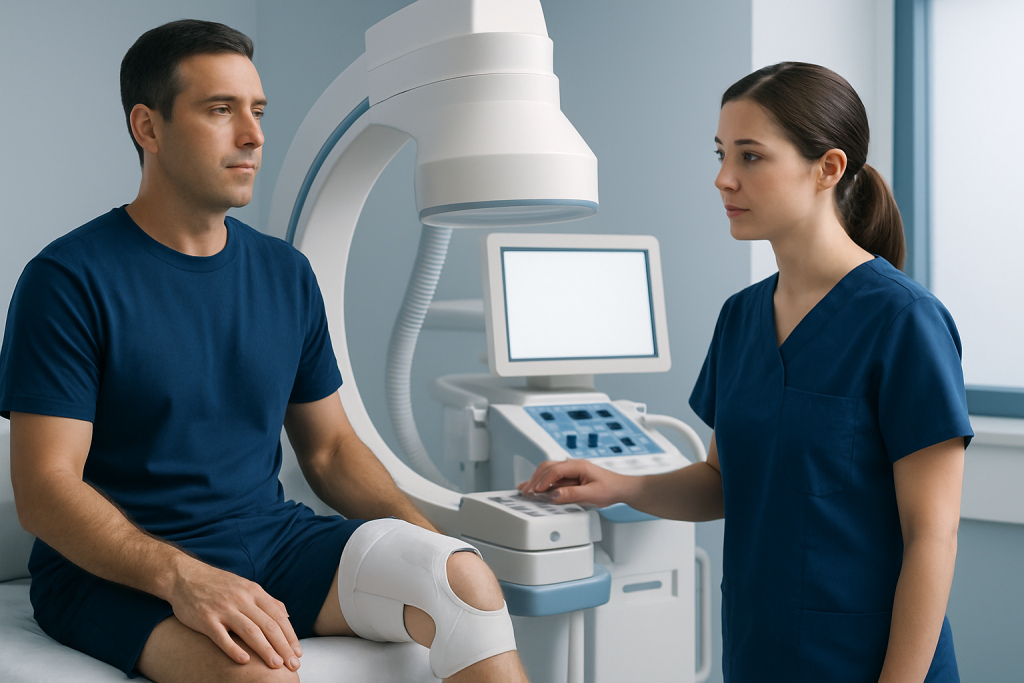
Some symptoms suggest that an injury may be more than a simple strain or bruise. Pain that is intense, sharp, or getting worse rather than better deserves attention. The same is true if a person cannot stand, walk, grip, lift, or move the injured area normally.
Visible changes are also important. A limb that looks crooked, shortened, out of place, or unusually swollen may indicate a fracture or dislocation. Rapid swelling after an injury can suggest bleeding into a joint or significant soft tissue damage. Bruising alone is not always serious, but extensive bruising together with loss of function can be a warning sign.
Sensory changes should never be ignored. Numbness, tingling, unusual coldness, pale skin, or weakness can mean that nerves or blood flow are affected. These symptoms call for prompt medical assessment, especially if they appear suddenly after trauma.
- Severe or worsening pain
- Inability to bear weight or use the limb
- Visible deformity or a joint that looks out of place
- Marked swelling or rapidly increasing bruising
- Numbness, tingling, weakness, or color change
- A popping sensation followed by loss of function
Symptoms That Need Urgent Medical Attention
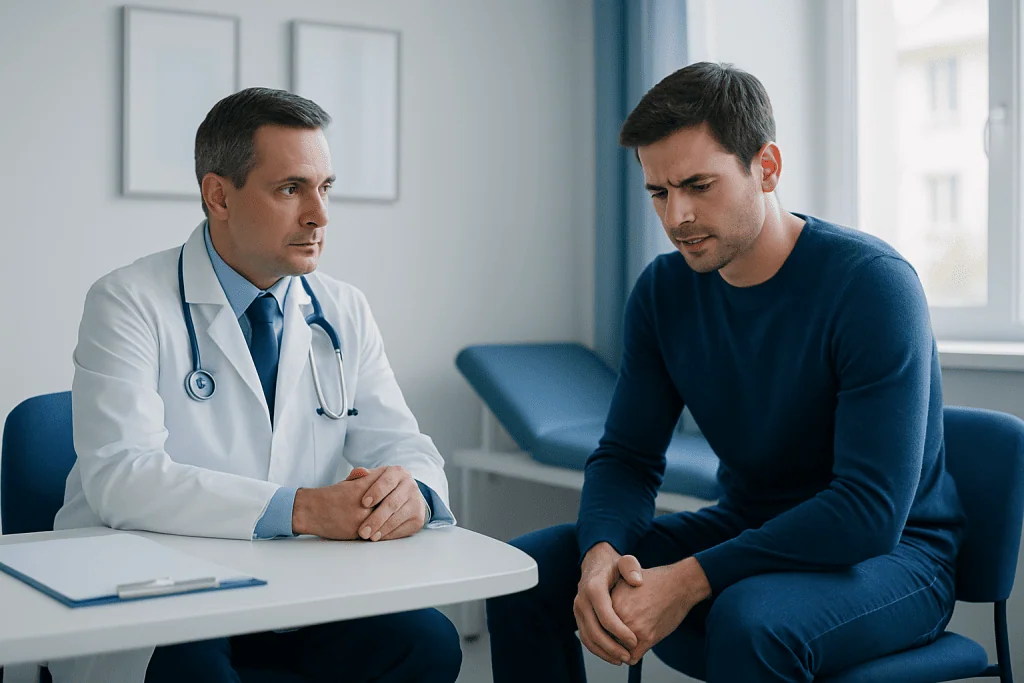
Some orthopedic injuries need same-day or emergency care. An open wound over a bone or joint, bleeding that is difficult to control, or bone that may be visible through the skin requires urgent treatment. These injuries carry a higher risk of infection and damage to surrounding tissues.
A suspected fracture of the hip, spine, or pelvis should be assessed promptly, especially after a fall or traffic accident. Severe back or neck pain after trauma, particularly with weakness, numbness, or loss of bladder or bowel control, needs urgent evaluation because the spinal cord or nerves could be involved.
Signs of reduced circulation are another reason to seek immediate help. If fingers or toes become blue, pale, cold, or very painful, blood flow may be compromised. A doctor should also be consulted urgently if a child has a significant limp, refuses to use an arm or leg, or has severe pain after an injury.
Possible Causes and Who Is at Higher Risk
Orthopedic injuries can result from sudden trauma or repeated stress. Common causes include falls, twisting injuries, direct blows, overuse during sports, lifting accidents, and repetitive movements at work. Even a low-energy incident, such as stepping off a curb awkwardly, can cause significant injury in some people.
Risk is higher in athletes, physically active adults, older adults, and people with balance problems or weak bones. Conditions such as osteoporosis increase the chance of fractures from relatively minor falls. Previous injuries can also make a joint more vulnerable to instability or re-injury.
Children and teenagers may have growth plate injuries that need careful assessment. In adults, sudden pain after a “pop” can point to ligament or tendon damage, such as an Achilles tendon tear or knee ligament injury. Repetitive pain that develops over time may reflect stress injuries, tendon inflammation, or cartilage problems rather than one single event.
How Doctors Diagnose Orthopedic Injuries
Diagnosis starts with a careful history and physical examination. A doctor will ask how the injury happened, where the pain is located, whether there was a snap or pop, and what movements are difficult. The examination may include checking tenderness, swelling, range of motion, joint stability, strength, nerve function, and circulation.
Imaging is often used when a fracture, dislocation, or serious soft tissue injury is suspected. X-rays are commonly the first test for possible broken bones or joint alignment problems. Ultrasound or MRI may be recommended to evaluate tendons, ligaments, muscles, cartilage, or hidden injuries that do not show on standard X-rays.
Not every injury needs advanced imaging right away, but persistent pain, joint locking, recurrent instability, or failure to improve may lead to further testing. In some cases, a person may be referred for MRI imaging or other assessments to clarify the diagnosis and guide treatment.
Treatment Options and Early Self-Care
Treatment depends on the type and severity of the injury. Mild sprains, strains, and bruises may improve with rest, temporary activity reduction, ice, compression, elevation, and short-term support such as a brace or sling if advised by a clinician. Pain relief may also be recommended, but medicines should be used according to a doctor’s or pharmacist’s guidance.
More significant injuries may need immobilization with a splint, cast, or boot. A dislocated joint may need to be repositioned by a trained clinician. Fractures, tendon ruptures, and some ligament injuries can require specialist treatment, and certain cases are best managed with orthopedic surgery. Early and appropriate care may improve healing and lower the risk of chronic pain or instability.
Rehabilitation is often an important part of recovery. After the initial injury begins to heal, supervised physical therapy and rehabilitation can help restore strength, flexibility, balance, and function. Recovery time varies widely, so returning to sport or work too soon may delay healing or increase the chance of another injury.
Prevention and Safe Self-Care at Home
Not every orthopedic injury can be prevented, but simple habits can reduce risk. Regular strength and balance exercises help support joints and improve stability. Wearing suitable footwear, using protective sports equipment, and warming up before physical activity are also practical steps.
At home, a person with a mild injury should monitor symptoms closely during the first 24 to 72 hours. If pain and swelling gradually improve and normal movement returns, conservative care may be enough. However, worsening pain, increasing swelling, repeated giving way, or new numbness should prompt medical review.
It is safest to avoid “pushing through” severe pain or forcing an injured joint to move. Massaging a newly injured area aggressively or returning to training too early can make the problem worse. People with diabetes, osteoporosis, circulation problems, or weakened immunity should be especially cautious and seek advice earlier if symptoms are concerning.
When to See a Doctor
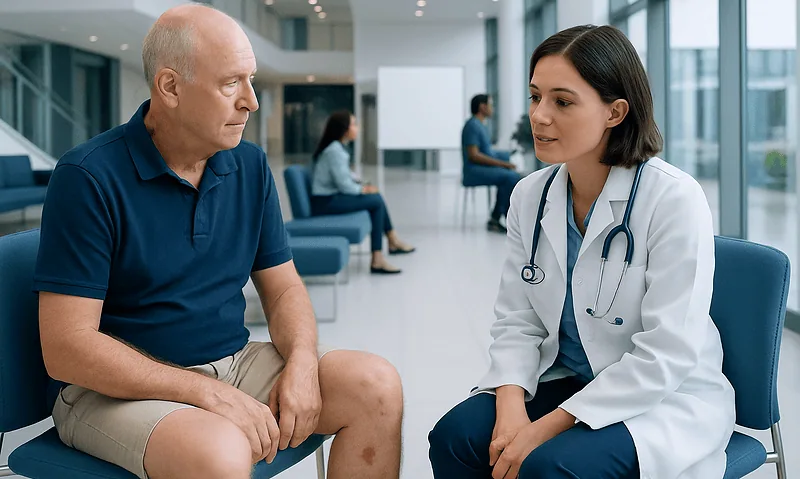
A doctor should be consulted if pain is severe, the injury follows a major fall or collision, or there is concern about a fracture, dislocation, or tendon tear. Medical care is also important if the person cannot bear weight, cannot move the limb normally, or the joint feels unstable. Symptoms that do not improve within a few days, or that return repeatedly with activity, also deserve evaluation.
Fever, redness, warmth, or drainage around an injured area may suggest infection and should be assessed promptly. Persistent back, shoulder, knee, ankle, or wrist symptoms may reflect a specific condition that benefits from targeted treatment, such as meniscus tear or ACL tear. In some cases, referral for arthroscopy or another procedure may be discussed if symptoms continue despite conservative care.
For international patients seeking assessment and treatment, Acibadem International offers multidisciplinary orthopedic care in JCI-accredited hospitals. A qualified doctor can determine whether an injury is minor, needs imaging, or requires specialist treatment and rehabilitation.
Frequently asked questions
How can a person tell the difference between a sprain and a fracture?
It is not always possible to tell based on symptoms alone, because both can cause pain, swelling, and bruising. A fracture is more likely if there is deformity, severe tenderness over a bone, inability to bear weight, or pain that is intense and persistent. An examination and, in many cases, an X-ray are needed to confirm the diagnosis.
Should a person go to the doctor if they can still move the injured area?
Yes, because movement does not rule out a serious injury. Some fractures, tendon tears, and ligament injuries still allow partial movement, especially soon after the injury. If pain is significant, swelling is marked, or function is reduced, medical assessment is sensible.
When is swelling after an injury considered serious?
Swelling is common after many injuries, but it is more concerning when it appears very quickly, keeps increasing, or is combined with severe pain, numbness, or color change. These features can suggest a fracture, dislocation, or significant soft tissue injury. A doctor should assess these symptoms promptly.
Is it safe to walk on an injured ankle or knee?
If walking causes severe pain, limping, instability, or the feeling that the joint may give way, it is better to stop and seek advice. Continuing to walk on a more serious injury can worsen damage. Until assessed, rest and support are usually safer than forcing activity.
Can an orthopedic injury become worse if treatment is delayed?
Yes, some injuries can become more difficult to treat if diagnosis is delayed. Unrecognized fractures, dislocations, tendon ruptures, and major ligament tears may heal poorly or lead to long-term pain, stiffness, or instability. Early evaluation helps guide the right treatment and rehabilitation plan.
What symptoms after a back or neck injury need urgent care?
Urgent care is needed for severe pain after trauma, especially if it comes with weakness, numbness, difficulty walking, or loss of bladder or bowel control. These symptoms may suggest nerve or spinal cord involvement. Prompt medical attention is important to protect function and identify serious injury.
References
- American Academy of Orthopaedic Surgeons
- National Institute for Health and Care Excellence
- Centers for Disease Control and Prevention
- MedlinePlus
- American College of Radiology
This article is for general information only and is not a substitute for professional medical advice. Please consult a qualified doctor about your individual situation.
Joint and spine care in Turkey — expert assessment & treatment
JCI-accredited · board-certified surgeons · reply within 24h
Add us as a Preferred Source to see more of our trusted health content across Google Search, AI Overviews and Discover.

Orthopedics & Spine
Care for bones, joints and the musculoskeletal system, including joint replacement, sports injuries and trauma.
125 specialists in this unitMore from the Health Library

Related Specialists

Dr. Asmar Hasanova
Gynecology & Obstetrics
Dr. Caner Çam
Internal Medicine
Prof. Dr. Özgür Çetik
Orthopedic Surgery & Traumatology
Assoc. Prof. Dr. Fatma Ölmez
Gynecology & Obstetrics