

Open vs Laparoscopic Bariatric Surgery: What Patients Should Expect
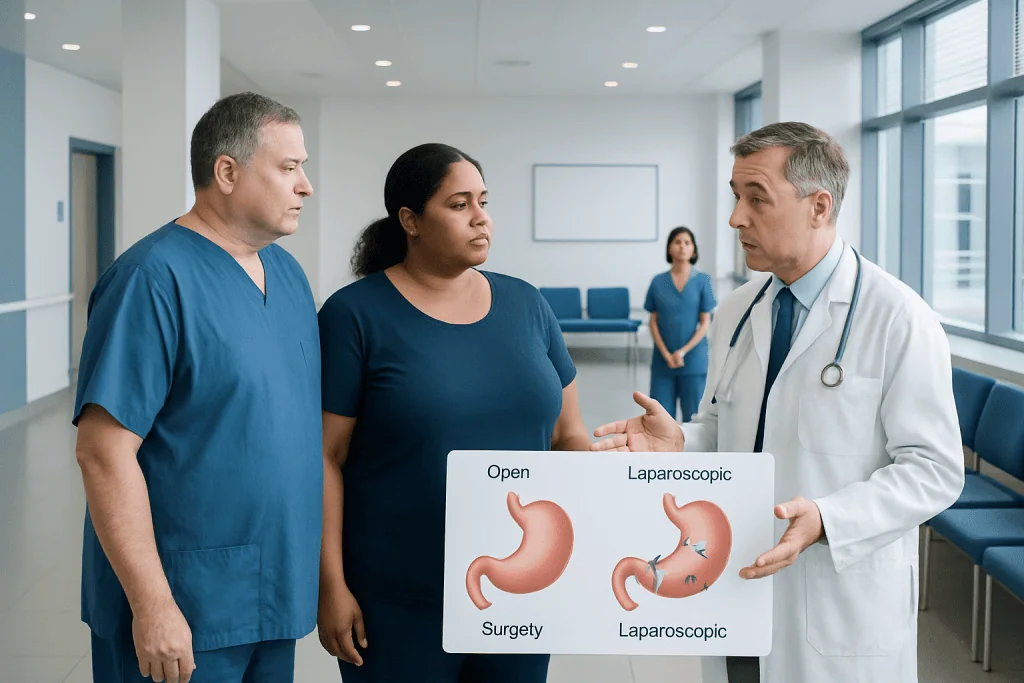
Laparoscopic bariatric surgery uses several small incisions, while open surgery uses one larger incision. Most bariatric procedures today are performed laparoscopically when it is safe and suitable.
Key Takeaways
- Laparoscopic bariatric surgery uses several small incisions, while open surgery uses one larger incision.
- Most bariatric procedures today are performed laparoscopically when it is safe and suitable.
- Laparoscopic surgery often means less pain, a shorter hospital stay, and quicker return to daily activities.
- Open surgery may still be recommended for some patients because of prior operations, scar tissue, anatomy, or surgical complexity.
- The best approach depends on the patient's health, body shape, medical history, and the surgeon's assessment.
- Long-term weight loss success depends on follow-up care, nutrition, activity, and lifestyle changes as much as the operation itself.
Open and laparoscopic bariatric surgery are two ways of performing weight loss operations, but they differ in how the surgeon reaches the stomach and intestines. For many patients, laparoscopic surgery offers smaller incisions and faster recovery, while open surgery may still be appropriate in selected situations.
Overview: What Is the Difference?
Open vs laparoscopic bariatric surgery describes two surgical approaches used to perform the same or similar weight loss operations. In open surgery, the surgeon makes one larger incision in the abdomen to access the stomach and related structures directly. In laparoscopic surgery, the surgeon works through several small incisions using a camera and long instruments.
The weight loss operation itself may be a sleeve gastrectomy, gastric bypass, or another procedure. The main difference is not always what operation is done, but how it is performed. Many people exploring bariatric surgery are surprised to learn that the surgical approach can affect recovery time, pain, wound healing, and the risk of certain complications.
Today, most bariatric procedures are done laparoscopically because this approach is often associated with less tissue trauma and a faster early recovery. However, open surgery has not disappeared. It may still be the safest or most practical option in certain circumstances, especially when there is extensive scar tissue, a complex abdominal history, or technical concerns during surgery.
Patients often focus on which method sounds easier, but the best choice is individualized. A bariatric surgeon considers the person’s weight, body shape, previous abdominal operations, medical conditions, and the planned procedure before recommending the approach that offers the best balance of safety and effectiveness.
How Each Surgical Approach Is Performed
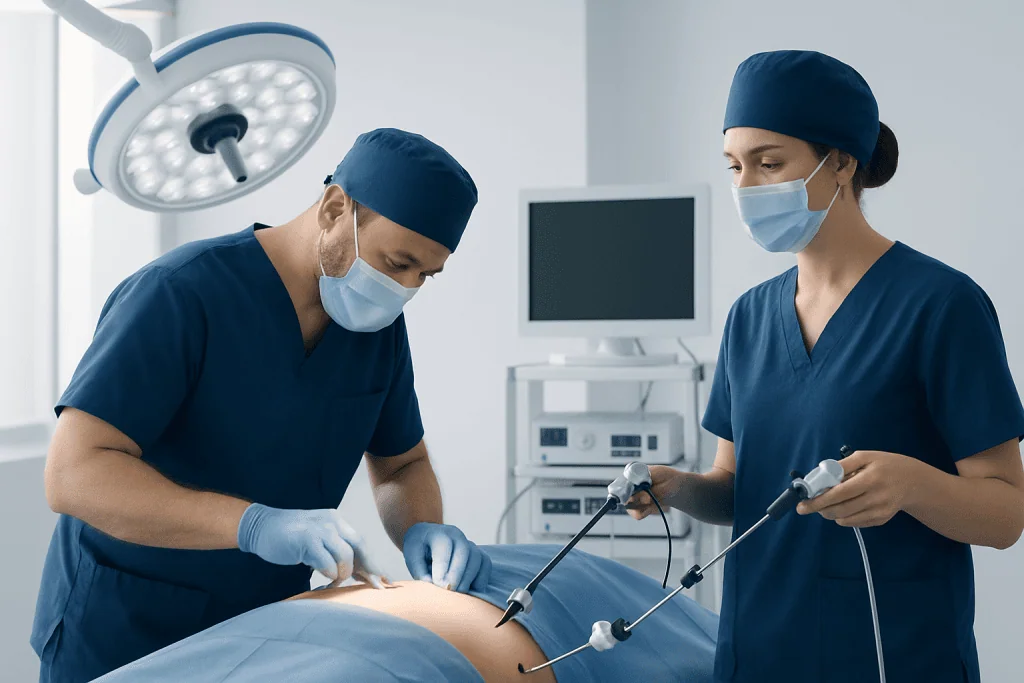
In open bariatric surgery, the surgeon makes a single abdominal incision large enough to see and handle the organs directly. This method gives full access to the surgical field and may be useful when anatomy is difficult, there is dense scarring from earlier operations, or a more complex repair is needed at the same time. Because the incision is larger, healing of the abdominal wall usually takes longer.
In laparoscopic bariatric surgery, several small incisions are made. A camera is inserted through one opening, and surgical instruments are placed through the others. The abdomen is gently inflated with gas to create working space, allowing the surgeon to operate while watching a magnified image on a monitor. This is the standard technique for many modern weight loss operations, including gastric laparoscopic surgery and sleeve gastrectomy.
Sometimes an operation planned as laparoscopic must be converted to open surgery during the procedure. This does not necessarily mean something has gone wrong. Conversion is a safety decision made when visibility is limited, bleeding occurs, scar tissue is severe, or the surgeon determines that an open approach would better protect the patient.
Whether the operation is open or laparoscopic, the goals are the same: to help support meaningful weight loss and improve obesity-related health problems. Patients with morbid obesity may also be counseled about how surgery fits into a broader medical plan that includes nutrition, movement, and long-term monitoring.
What Patients Can Expect Before Surgery
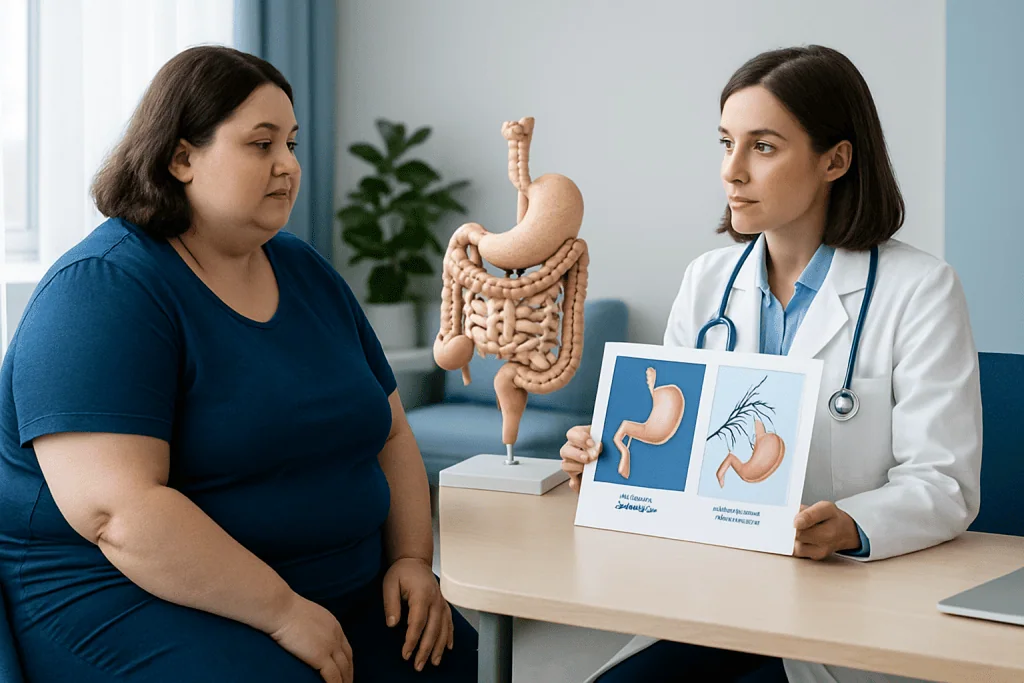
Preparation for bariatric surgery is usually similar regardless of the surgical approach. Patients typically meet a multidisciplinary team that may include a bariatric surgeon, dietitian, anesthesiologist, and sometimes a psychologist or other specialists. The team reviews medical history, medications, sleep apnea risk, diabetes, blood pressure, heart health, and prior abdominal surgeries.
Preoperative testing often includes blood work, imaging or endoscopy in selected cases, and a review of nutritional status. Many programs ask patients to begin lifestyle changes before surgery, such as eating structured meals, increasing activity as tolerated, stopping tobacco use, and following a preoperative diet. These steps can help reduce surgical risk and prepare the patient for long-term changes after the operation.
Patients should also discuss previous scars, hernias, or abdominal wall problems with their surgeon. A history of conditions such as incisional hernia can influence surgical planning and may affect whether a laparoscopic or open approach is more suitable. The surgeon will explain why one method is preferred in that individual case.
It is also important to understand that bariatric surgery is a tool, not a quick fix. Before surgery, patients benefit from knowing what eating will look like afterward, how vitamin and mineral supplementation may be needed, and why regular follow-up matters. Setting realistic expectations can make recovery smoother and improve long-term results.
Recovery, Pain, and Hospital Stay
One of the biggest practical differences between open and laparoscopic bariatric surgery is recovery. In general, laparoscopic surgery leads to less postoperative pain, a shorter hospital stay, and earlier walking and movement. Smaller incisions usually heal faster and may lower the risk of some wound-related problems.
Open surgery often involves more discomfort in the first days and weeks because the abdominal muscles and skin are affected more extensively. Patients may need a longer hospital stay and a slower return to daily routines, work, or exercise. That said, recovery varies widely, and some patients do very well after open surgery when the operation is carefully planned and postoperative care is strong.
After either approach, early walking is encouraged to support circulation, lung function, and bowel activity. The care team usually guides patients through pain control, breathing exercises, hydration, and a step-by-step diet progression from liquids to soft foods and then to more regular textures. Follow-up appointments are used to check healing, nutrition, and weight loss progress.
Patients should remember that “faster recovery” does not mean “no recovery.” Even after laparoscopic surgery, the body still needs time to heal internally. Fatigue, reduced appetite, and a period of adjusting to new eating habits are common parts of the process.
Risks, Benefits, and Why Open Surgery May Still Be Used
Laparoscopic bariatric surgery is often preferred because it can reduce blood loss, pain, wound complications, and time in the hospital. Smaller incisions may also lower the chance of some abdominal wall problems later on, although no approach removes risk completely. For many patients, these benefits make laparoscopy the first choice.
Open surgery may carry a higher risk of wound infection, a larger scar, and a longer recovery period. There may also be a greater chance of postoperative hernia at the incision site. However, open surgery can offer important advantages in selected cases, such as improved direct access in technically difficult operations or when major scar tissue limits safe laparoscopic work.
Reasons a surgeon may recommend or switch to open surgery can include severe obesity with challenging anatomy, multiple previous abdominal procedures, unexpected bleeding, dense adhesions, or the need to address another problem at the same time. For example, a patient with a known epigastric hernia or other abdominal wall issue may need an individualized plan.
Both approaches share general surgical risks, including bleeding, infection, blood clots, anesthesia-related complications, leaks from stapled or joined areas, and nutritional issues depending on the type of procedure. The most important point is not whether one method is always better, but whether the chosen method is safest and most appropriate for the individual patient.
Choosing the Right Procedure and Surgical Approach
The choice between open and laparoscopic surgery is linked to the specific bariatric procedure being planned. Common operations include sleeve gastrectomy and gastric bypass. These are usually performed laparoscopically, but the final decision depends on patient factors and surgical judgment.
During consultation, the surgeon may explain the expected benefits and trade-offs of each operation as well as the access method. For example, a patient considering gastric bypass may ask about recovery time, reflux, diabetes control, and long-term vitamin needs, in addition to whether the operation can be done laparoscopically.
Not every person with obesity is best served by surgery right away. Some may first explore structured medical weight management or less invasive options. Others may be candidates for surgery because their weight is causing serious health effects or because previous non-surgical efforts have not produced lasting improvement. The discussion should include overall health goals, not just the number on the scale.
A shared decision-making approach helps patients feel informed and confident. Questions about scarring, pain control, return to travel, future pregnancy, medications, and expected eating changes are all appropriate. A good bariatric consultation leaves the patient understanding both the procedure and the reason one surgical approach is recommended over another.
Long-Term Success, Self-Care, and When to Seek Medical Advice
Long-term results after bariatric surgery depend on more than the surgical approach. Open and laparoscopic operations can both support significant health improvement when patients follow the postoperative plan. Nutrition guidance, protein intake, hydration, physical activity, sleep, supplement use, and regular checkups are all essential parts of care.
Patients should contact their medical team promptly if they develop warning signs after surgery, such as fever, worsening abdominal pain, repeated vomiting, chest pain, shortness of breath, trouble drinking fluids, or redness and drainage from the incision. Persistent weakness, dizziness, or signs of dehydration also deserve medical attention. It is always safer to ask early than to wait.
Regular follow-up is important for monitoring weight loss, blood tests, and possible nutrient deficiencies. Emotional adjustment matters too. Eating patterns, body image, and daily routines often change after surgery, and some patients benefit from counseling or support groups during this transition.
For international patients seeking evaluation and treatment, Acibadem International’s multidisciplinary specialists and JCI-accredited hospitals provide diagnosis and care for obesity and weight loss surgery candidates. Whether surgery is performed through an open or minimally invasive approach, the goal is a safe treatment plan built around the patient’s needs.
Frequently asked questions
Is laparoscopic bariatric surgery better than open surgery?
Laparoscopic bariatric surgery is often preferred because it usually involves smaller incisions, less pain, and a quicker early recovery. However, it is not automatically better for every patient, and open surgery may be safer in some complex situations.
Why would a surgeon choose open bariatric surgery?
A surgeon may recommend open surgery if there is extensive scar tissue from previous operations, difficult anatomy, severe obesity, or another condition that makes laparoscopy less safe. In some cases, a procedure that starts laparoscopically is converted to open surgery to protect the patient.
Does open surgery cause more pain?
Open surgery often causes more pain in the early recovery period because the incision is larger and the abdominal wall is affected more. Pain control plans are used after both open and laparoscopic surgery, and most patients improve steadily with time.
Will weight loss results be different with open or laparoscopic surgery?
Long-term weight loss depends more on the type of bariatric procedure and the patient's follow-up habits than on whether the approach was open or laparoscopic. Nutrition, activity, supplementation, and regular medical review are major parts of long-term success.
How long is recovery after bariatric surgery?
Recovery time varies by person, procedure, and surgical approach. In general, patients who have laparoscopic surgery return to normal activities sooner than those who have open surgery, but both require a healing period and careful dietary progression.
Are scars smaller with laparoscopic bariatric surgery?
Yes, laparoscopic surgery usually leaves several small scars rather than one larger scar. Scar appearance still varies depending on healing, skin type, and whether there were any wound complications.
References
- American Society for Metabolic and Bariatric Surgery
- National Institute of Diabetes and Digestive and Kidney Diseases
- National Health Service
- Mayo Clinic
- World Health Organization
This article is for general information only and is not a substitute for professional medical advice. Please consult a qualified doctor about your individual situation.
Bariatric Surgery in Turkey — costs, top hospitals & a free quote
JCI-accredited · board-certified surgeons · reply within 24h
Add us as a Preferred Source to see more of our trusted health content across Google Search, AI Overviews and Discover.
Check your numbers in seconds
BMI, calories, due date, blood pressure and 30+ more clinical calculators — free, instant, doctor-reviewed ranges.

Bariatric & Metabolic Surgery
Surgical and endoscopic treatments for obesity and metabolic conditions.
Related Treatments
Related Conditions
More from the Health Library



Related Specialists

Prof. Dr. Tayfun Karahasanoğlu
General Surgery
Prof. Dr. Güralp Onur Ceyhan
General Surgery
Prof. Dr. Volkan Özben
General Surgery
Assoc. Prof. Dr. Halil Kara
General Surgery