

What Is a Bariatric Diet? Eating Stages Before and After Surgery

A bariatric diet usually progresses in stages, from liquids to pureed, soft, and then regular textured foods. Protein and hydration are top priorities after surgery, while portions stay very small.
Key Takeaways
- A bariatric diet usually progresses in stages, from liquids to pureed, soft, and then regular textured foods.
- Protein and hydration are top priorities after surgery, while portions stay very small.
- Eating slowly, chewing thoroughly, and avoiding high-sugar foods can reduce discomfort and support weight loss.
- Vitamin and mineral supplements are commonly needed after bariatric surgery.
- The exact plan varies by procedure and should be personalized by a surgeon and dietitian.
A bariatric diet is a carefully planned way of eating used before and after weight-loss surgery. It helps prepare the body for surgery, supports healing, and makes it easier to get enough protein, fluids, vitamins, and minerals while the stomach is adjusting.
Overview: What Is a Bariatric Diet?
A bariatric diet is a structured eating plan designed for people preparing for or recovering from weight-loss surgery. It is not a single fixed menu. Instead, it is a step-by-step approach that helps reduce surgical risks before an operation and protects the stomach while it heals afterward. The plan also supports steady, long-term lifestyle changes rather than short-term dieting.
Most bariatric diets focus on a few core principles: very small portions, high-protein foods, careful hydration, and avoiding foods that are hard to tolerate or high in sugar and fat. Because surgeries such as bariatric surgery, gastric sleeve surgery, and gastric bypass change how much a person can eat and sometimes how nutrients are absorbed, food choices become especially important.
Although the details differ by hospital and procedure, the goal is similar for everyone: to help the body heal, preserve muscle, prevent dehydration, and build habits that support long-term weight management. People living with morbid obesity may also find that a structured diet plan is part of a wider treatment strategy that includes medical follow-up, activity, and behavior change.
Why the Bariatric Diet Matters Before and After Surgery

Before surgery, many patients are asked to follow a specific pre-operative diet for days or weeks. This plan often aims to reduce liver size and abdominal fat, which can make the operation safer and technically easier. It may also help patients begin adjusting to smaller portions, regular meal timing, and reduced intake of sugary drinks or highly processed foods.
After surgery, the newly altered stomach needs time to recover. A sudden return to regular foods can cause pain, nausea, vomiting, stretching of the stomach pouch, or poor healing. A staged bariatric diet lowers this risk by gradually increasing texture and volume as tolerated.
The diet is also essential because food intake becomes much smaller after surgery. That means every sip and bite needs to count nutritionally. Patients are usually taught to prioritize protein, drink enough fluids between meals, and take recommended supplements to reduce the risk of deficiencies in iron, vitamin B12, folate, calcium, vitamin D, and other nutrients.
Eating Stages After Bariatric Surgery
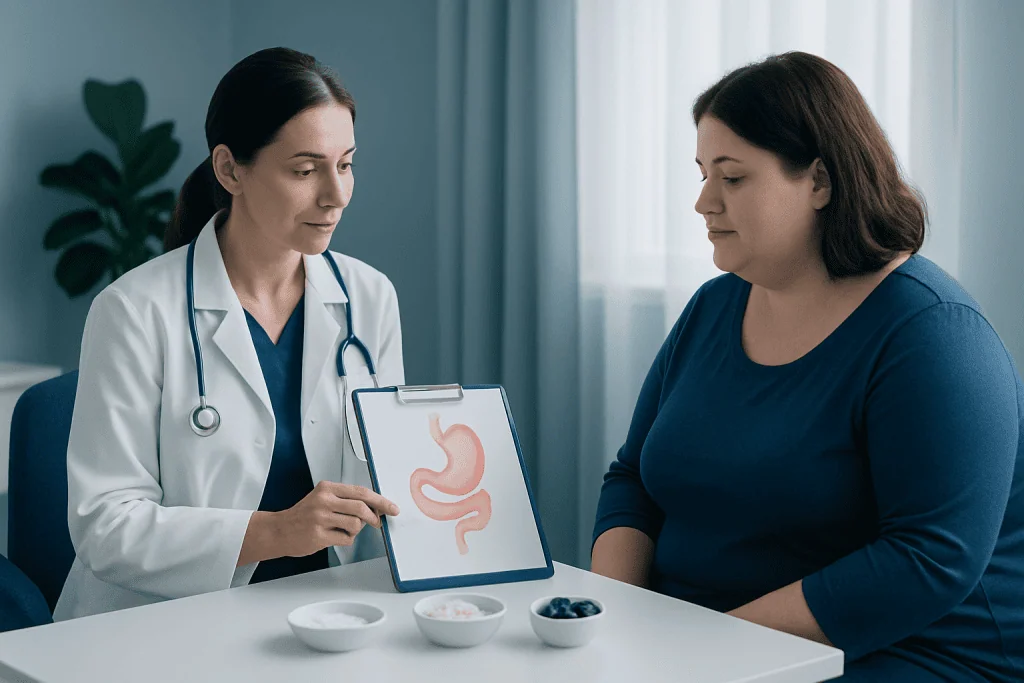
Most post-operative bariatric diets progress through several stages. The exact timing varies depending on the procedure, the surgeon’s instructions, and how well the patient is healing. Following the medical team’s schedule is more important than comparing progress with other people.
The common stages include:
- Clear liquids: Usually the first stage, with small sips of water, broth, and other approved clear fluids to prevent dehydration.
- Full liquids: This may include protein shakes, milk-based drinks if tolerated, and other smooth liquids that provide more nourishment.
- Pureed foods: Soft, blended foods with a smooth texture are introduced in tiny portions.
- Soft foods: Tender, easy-to-chew foods are added as swallowing and digestion improve.
- Regular textured foods: Patients gradually move toward a balanced long-term eating pattern with careful portion control.
At every stage, patients are usually advised to take very small bites or sips, eat slowly, and stop as soon as they feel comfortably full. Drinking during meals is often discouraged because it may lead to discomfort or cause food to pass too quickly. Many teams recommend waiting before and after meals to drink fluids.
Foods that are sticky, dry, tough, fried, or high in sugar are often introduced late or avoided altogether. Carbonated drinks may cause bloating, while sweets can trigger symptoms such as nausea, cramping, or dumping syndrome in some patients, especially after bypass procedures.
What to Eat at Each Stage
During the liquid stages, the main priorities are hydration and protein. Approved options may include water, clear broths, sugar-free drinks, and prescribed protein supplements. As full liquids are added, patients may be able to use smooth, low-sugar protein shakes or other nutrient-rich liquids recommended by their care team.
In the pureed and soft stages, common choices include smooth yogurt, cottage cheese, pureed beans, mashed fish, scrambled eggs, finely minced poultry, and well-cooked vegetables prepared to a very soft texture. The portion size is usually quite small. Even a few spoonfuls can be enough early on.
Once regular textures are allowed, the long-term bariatric diet generally centers on lean protein first, then vegetables, fruit, and small amounts of whole grains or other carbohydrate sources if tolerated. Helpful choices often include:
- Lean poultry, fish, eggs, tofu, beans, and low-fat dairy
- Cooked or soft raw vegetables as tolerated
- Fresh fruit in small portions
- Whole grains in modest amounts if approved
- Healthy fats in limited portions
Patients are often encouraged to avoid grazing throughout the day, as frequent snacking can reduce weight-loss progress. Sugary drinks, alcohol, and highly processed snack foods are usually discouraged because they add calories without much nutrition and may be poorly tolerated after surgery.
Rules That Help the Diet Work
Success with a bariatric diet depends not only on what a person eats, but also on how they eat. Many patients are advised to eat on a schedule, take small bites, chew thoroughly, and stop immediately when they feel pressure, fullness, or discomfort. Eating too quickly can lead to pain, regurgitation, or vomiting.
Hydration is another key habit. Because stomach capacity is smaller, drinking enough fluid can take effort. Sipping fluids regularly between meals is often easier than trying to drink large amounts at once. Signs of dehydration such as dark urine, dizziness, or fatigue should be taken seriously and discussed with a clinician.
Protein is usually the highest food priority, especially in the first months after surgery. Adequate protein helps wound healing and may reduce muscle loss during rapid weight reduction. Patients are often advised to eat protein first at meals and to use supplements if they cannot meet their needs through food alone.
Long-term vitamin and mineral supplementation is common after procedures such as sleeve gastrectomy and gastric bypass. The exact combination varies, so patients should use supplements recommended by their own team and have regular blood tests to monitor nutritional status.
Common Challenges and How They Are Managed
It is common to face some adjustment problems while learning a bariatric diet. Early issues may include nausea, food intolerance, constipation, reduced appetite, or difficulty meeting fluid and protein goals. These problems often improve with slow eating, careful food selection, and close follow-up with a dietitian or surgeon.
Some people notice that certain foods do not sit well after surgery. Dry meat, bread, rice, fibrous vegetables, spicy foods, and high-fat meals can be harder to tolerate, especially in the early months. Reintroducing foods gradually and one at a time can help identify what works best.
Emotional eating and old habits may also return after the initial recovery period. Surgery changes the digestive system, but it does not remove stress, boredom, or social pressure around food. For that reason, many patients benefit from behavioral support, meal planning, and regular follow-up as much as they benefit from the operation itself.
Weight-loss plateaus can happen even when a patient is following the plan. In these cases, reviewing portion sizes, snack patterns, liquid calories, and activity levels can be useful. The care team may also discuss whether other options, such as gastric balloon or non-surgical stomach reduction approaches, are relevant for selected patients who have not had surgery or need a different treatment path.
Prevention, Self-Care, and Long-Term Lifestyle Habits
A bariatric diet works best when it becomes part of a long-term routine rather than a temporary recovery plan. Meal preparation, regular eating times, food journaling, and mindful eating can all support better choices. Patients often do well when they create a simple structure for meals and snacks instead of relying on convenience foods.
Physical activity is also an important part of long-term success. After the surgeon has cleared exercise, starting with walking and gradually building up can support weight control, heart health, mood, and muscle preservation. The best approach is usually consistent, moderate activity that fits the person’s abilities and recovery stage.
Follow-up appointments remain essential even when a patient feels well. Ongoing monitoring can detect nutritional deficiencies, reflux symptoms, changes in bowel habits, or weight regain early. In addition to medical care, support groups or counseling may help patients maintain realistic expectations and lasting motivation.
For international patients seeking evaluation and follow-up, Acibadem International’s multidisciplinary specialists in JCI-accredited hospitals provide diagnosis, treatment, nutrition guidance, and aftercare for bariatric conditions and procedures.
When to See a Doctor
Patients should contact their medical team if they cannot keep fluids down, have repeated vomiting, or feel faint or unusually weak. These symptoms can suggest dehydration or a problem with how food and liquids are passing through the stomach. Ongoing abdominal pain, fever, or signs of infection also need prompt medical review.
Medical advice is also important if there is trouble meeting protein goals, persistent diarrhea or constipation, worsening heartburn, or symptoms that suggest deficiency, such as hair thinning, numbness, severe fatigue, or mouth sores. These issues may be manageable, but they should not be ignored.
Anyone considering bariatric surgery should have an individualized assessment before starting a pre-operative diet. A surgeon, physician, and dietitian can explain what to expect based on the exact procedure, health conditions, and current eating habits. Personalized guidance is especially important for people with diabetes, kidney disease, gastrointestinal conditions, or those taking regular medications.
Frequently asked questions
How long does a bariatric diet last after surgery?
The staged bariatric diet usually begins immediately after surgery and progresses over several weeks. Long term, the patient continues a bariatric-style eating pattern with small portions, high-protein foods, and regular supplements as advised.
Why do patients start with liquids after bariatric surgery?
Liquids are used first because they are gentler on the newly operated stomach and lower the risk of pain, vomiting, or strain on healing tissues. This stage also helps patients focus on hydration, which is very important in the early recovery period.
Can a person ever eat normal food again after bariatric surgery?
Yes, many patients gradually return to regular textured foods once healing has progressed and the medical team approves it. However, portions remain much smaller than before, and some foods may still be difficult to tolerate.
What foods should usually be avoided on a bariatric diet?
Foods and drinks high in sugar, fried foods, alcohol, and carbonated beverages are commonly limited or avoided. Tough, dry, sticky, or highly processed foods may also cause discomfort or interfere with weight-loss goals.
Are vitamin supplements necessary after bariatric surgery?
In many cases, yes. Because food intake is reduced and some procedures affect nutrient absorption, vitamin and mineral supplements are often needed long term. The exact supplements should be chosen with a doctor or dietitian.
Is the pre-op bariatric diet really necessary?
For many patients, the pre-operative diet is an important part of surgical preparation. It may help reduce liver size, improve safety during the procedure, and prepare the patient for the eating changes required afterward.
References
- American Society for Metabolic and Bariatric Surgery
- National Institute of Diabetes and Digestive and Kidney Diseases
- National Health Service
- Mayo Clinic
- Academy of Nutrition and Dietetics
This article is for general information only and is not a substitute for professional medical advice. Please consult a qualified doctor about your individual situation.
Medical weight-loss options in Turkey — costs & eligibility
JCI-accredited · board-certified surgeons · reply within 24h
Add us as a Preferred Source to see more of our trusted health content across Google Search, AI Overviews and Discover.

Related Treatments
Related Conditions
More from the Health Library



Related Specialists

Prof. Dr. Tayfun Karahasanoğlu
General Surgery
Prof. Dr. Güralp Onur Ceyhan
General Surgery
Prof. Dr. Volkan Özben
General Surgery
Assoc. Prof. Dr. Halil Kara
General Surgery