

Gastric Banding Surgery: What to Expect and How Weight Loss Happens

Gastric banding is an adjustable bariatric procedure that reduces how much food the stomach can hold at one time. Weight loss happens gradually as smaller meals lead to lower calorie intake and healthier habits.
Key Takeaways
- Gastric banding is an adjustable bariatric procedure that reduces how much food the stomach can hold at one time.
- Weight loss happens gradually as smaller meals lead to lower calorie intake and healthier habits.
- Regular follow-up is essential because the band often needs adjustments to improve comfort and results.
- The procedure can help improve obesity-related health problems, but success depends on lasting lifestyle changes.
- Not everyone is a candidate, and a specialist team helps decide whether gastric banding or another bariatric option is most suitable.
Gastric banding surgery is a type of weight loss surgery that places an adjustable band around the upper part of the stomach. It helps people feel full sooner, eat smaller meals, and lose weight when combined with long-term nutrition, activity, and follow-up care.
Overview of Gastric Banding Surgery
Gastric banding surgery is a bariatric procedure designed to support weight loss in people living with obesity. During the operation, a soft silicone band is placed around the upper part of the stomach, creating a small pouch above the rest of the stomach. This makes a person feel full after eating a smaller amount of food.
The band is connected to a small port placed under the skin. Through this port, a doctor can adjust the tightness of the band by adding or removing fluid. Because of this, gastric banding is considered adjustable and reversible, unlike some other weight loss operations that permanently change the stomach.
Most gastric banding procedures are performed using minimally invasive techniques, often through laparoscopic surgery. This approach usually means smaller incisions, less postoperative discomfort, and a quicker recovery than open surgery. Even so, it is still a significant medical procedure that requires careful planning and ongoing follow-up.
Today, gastric banding is one of several options within bariatric surgery. It may be considered for selected patients, although other procedures such as sleeve gastrectomy or gastric bypass are now more commonly chosen in many centers. The best option depends on a person’s weight, eating habits, medical conditions, and treatment goals.
How Weight Loss Happens After Gastric Banding
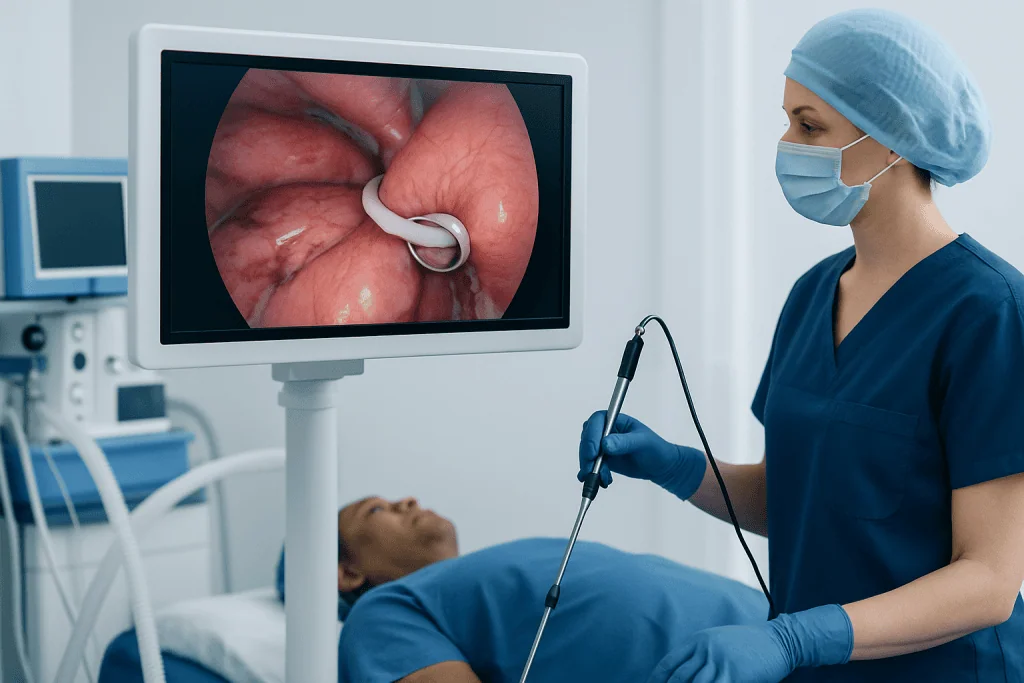
Weight loss after gastric banding happens mainly through restriction. The small pouch at the top of the stomach fills quickly, which helps a person feel satisfied after a modest meal. Because less food can be eaten comfortably at one time, daily calorie intake often decreases.
The band also slows the passage of food from the small upper pouch into the rest of the stomach. This longer sense of fullness can reduce frequent snacking and overeating. However, the surgery does not work by changing nutrient absorption in the intestines, so it is different from operations that combine restriction with malabsorption.
Results are usually gradual rather than rapid. People generally need to learn new eating patterns, such as taking small bites, chewing thoroughly, stopping when comfortably full, and avoiding high-calorie liquids that can pass through the band easily. In this way, the procedure acts as a tool that supports healthier habits rather than replacing them.
Long-term success depends on regular band adjustments, balanced nutrition, physical activity, and behavior change. People who continue to choose calorie-dense soft foods or sugary drinks may lose less weight, even if the band is in place. For many, a structured follow-up program is the key to turning the surgery into lasting progress.
Who May Be a Candidate

Gastric banding may be considered for adults with obesity, especially when lifestyle measures alone have not led to meaningful or lasting weight loss. Doctors usually assess body mass index, weight-related health problems, previous attempts at weight management, and overall readiness for surgery. People with severe morbid obesity may be evaluated for bariatric procedures as part of a comprehensive care plan.
Candidate selection is individualized. A person may need nutritional counseling, medical testing, and psychological assessment before surgery. These steps help identify eating behaviors, expectations, and health conditions that may affect safety or results. The aim is not only to see whether surgery is possible, but also whether gastric banding is the most appropriate option.
Some people may not be ideal candidates for gastric banding. This can include those with certain esophageal disorders, severe reflux symptoms, active stomach inflammation, or difficulty committing to long-term follow-up. Because the band requires periodic adjustment and monitoring, people must be willing to attend regular appointments.
In some cases, another procedure may be recommended instead, such as gastric sleeve surgery or gastric bypass. A bariatric specialist can explain the advantages and limitations of each option and help match the treatment to the patient’s health needs and goals.
What to Expect Before, During, and After Surgery
Before surgery, patients usually undergo a detailed evaluation. This often includes blood tests, heart and lung assessment when needed, nutritional review, and education about recovery and eating after the operation. Some people are asked to lose a small amount of weight before surgery or follow a special diet to help prepare the liver and stomach area.
During the operation, the surgeon places the band around the upper stomach and secures the access port beneath the skin. The procedure is usually done under general anesthesia and often takes less time than some other bariatric surgeries. Hospital stay may be short, depending on the patient’s recovery and the hospital’s routine.
After surgery, eating progresses in stages. Patients often start with liquids, then move to pureed and soft foods before returning to firmer textures. This gradual progression gives the stomach time to heal and helps patients learn how to eat comfortably with the band in place.
Band adjustments are an important part of the process. If the band is too loose, hunger may return quickly and weight loss may be limited. If it is too tight, swallowing may become difficult and symptoms such as vomiting or reflux can occur. Follow-up visits allow the care team to make careful adjustments and monitor progress safely.
Benefits, Risks, and Possible Complications
One advantage of gastric banding is that it does not involve cutting away part of the stomach or rerouting the intestines. The band can be adjusted over time and, if necessary, removed. For some patients, this flexibility is reassuring, especially when they want a less permanent surgical approach.
Weight loss can improve overall health and may help with obesity-related conditions such as high blood pressure, sleep apnea, joint strain, and type 2 diabetes risk. Even a moderate reduction in body weight can support better mobility, energy, and quality of life. Still, outcomes vary from person to person.
Like any surgery, gastric banding carries risks. These can include bleeding, infection, anesthesia-related problems, and blood clots. There are also band-specific complications, such as band slippage, stomach pouch enlargement, port or tubing problems, band erosion into the stomach, and persistent reflux or vomiting.
Because of these concerns, ongoing monitoring is essential. Some people eventually need reoperation to revise or remove the band, especially if weight loss is inadequate or complications develop. A specialist should evaluate ongoing symptoms rather than assuming they are a normal part of recovery.
Diet, Lifestyle, and Self-Care After Gastric Banding
Daily habits play a major role in the success of gastric banding surgery. Patients are usually advised to eat slowly, take small bites, chew food very well, and stop as soon as they feel comfortably full. Drinking fluids separately from meals may also be recommended to avoid overfilling the small stomach pouch.
Food choices matter just as much as portion size. A balanced eating plan generally focuses on protein, vegetables, fruit, whole grains, and other nutrient-rich foods while limiting sweets, fried foods, and calorie-dense liquids. Protein is often emphasized because it supports healing, fullness, and muscle maintenance during weight loss.
Regular physical activity supports both weight loss and long-term weight maintenance. Walking, swimming, cycling, and strength-based exercise may all be helpful, depending on the person’s health status and fitness level. Sustainable activity is usually more effective than short bursts of intense exercise that are difficult to maintain.
Behavioral support can also be valuable. Counseling, support groups, and follow-up with a dietitian may help people manage emotional eating, build consistent routines, and respond to weight-loss plateaus. For people exploring alternatives to surgery or different levels of intervention, options such as gastric banding itself, gastric balloon, or other obesity treatments can be discussed with a specialist team.
When to See a Doctor and Long-Term Follow-Up
After gastric banding, patients should contact a doctor if they have ongoing nausea, repeated vomiting, severe reflux, pain when swallowing, sudden difficulty eating, fever, redness around the port site, or new abdominal pain. These symptoms do not always mean a serious problem, but they should be assessed promptly. Early evaluation can help prevent more significant complications.
Regular follow-up appointments remain important even when a person feels well. The band may need to be adjusted as eating patterns change and weight loss progresses. Doctors may also check nutritional intake, hydration, vitamin needs, and the patient’s overall health and emotional well-being.
Weight regain can happen after any bariatric procedure, especially if follow-up becomes irregular or old eating habits return. This is not a personal failure. It is usually a sign that the treatment plan needs to be reviewed, whether through dietary support, band adjustment, exercise guidance, or consideration of another bariatric approach.
People seeking international care may benefit from experienced multidisciplinary teams. Near the end of the treatment journey, some patients choose centers such as Acibadem International, where multidisciplinary specialists and JCI-accredited hospitals diagnose and treat obesity and bariatric conditions for international patients in a coordinated way.
Frequently asked questions
Is gastric banding surgery permanent?
Gastric banding is considered reversible because the band can be removed if needed. However, it still requires surgery, and removal does not automatically lead to lasting weight control without ongoing lifestyle support.
How much weight can a person lose after gastric banding?
Weight loss varies from person to person and tends to be gradual. Results depend on factors such as regular follow-up, appropriate band adjustments, food choices, physical activity, and overall adherence to the care plan.
Does gastric banding change digestion or nutrient absorption?
No, gastric banding mainly works by restricting how much food can be eaten at one time. It does not reroute the intestines, so it does not cause the same degree of nutrient absorption changes seen with some other bariatric procedures.
Will a person feel hungry after gastric banding?
Many people feel full sooner after the procedure, especially when the band is adjusted correctly. Hunger can still occur, and eating high-calorie liquids or soft foods may reduce the effectiveness of the band.
What foods are difficult to eat with a gastric band?
Dry, tough, or poorly chewed foods can be difficult to swallow comfortably after gastric banding. Patients are usually advised to eat slowly, chew thoroughly, and follow the dietary guidance provided by their surgical team.
Can gastric banding help with obesity-related health problems?
It can help some people improve health conditions linked to excess weight, especially when meaningful weight loss occurs. Benefits may include better mobility and improvement in issues such as sleep apnea, blood pressure, and metabolic risk factors.
References
- World Health Organization
- American Society for Metabolic and Bariatric Surgery
- National Institute of Diabetes and Digestive and Kidney Diseases
- National Health Service
- Mayo Clinic
This article is for general information only and is not a substitute for professional medical advice. Please consult a qualified doctor about your individual situation.
Gastric Banding in Turkey — costs, top hospitals & a free quote
JCI-accredited · board-certified surgeons · reply within 24h
Add us as a Preferred Source to see more of our trusted health content across Google Search, AI Overviews and Discover.
Check your numbers in seconds
BMI, calories, due date, blood pressure and 30+ more clinical calculators — free, instant, doctor-reviewed ranges.

Bariatric & Metabolic Surgery
Surgical and endoscopic treatments for obesity and metabolic conditions.
Related Treatments
Related Conditions
More from the Health Library



Related Specialists

Prof. Dr. Tayfun Karahasanoğlu
General Surgery
Prof. Dr. Güralp Onur Ceyhan
General Surgery
Prof. Dr. Volkan Özben
General Surgery
Assoc. Prof. Dr. Halil Kara
General Surgery