Trigeminal Neuralgia: Sudden Facial Pain, Causes, and Treatment Choices

Trigeminal neuralgia causes sudden, sharp, electric shock-like facial pain. Simple activities such as brushing teeth, chewing, talking, or touching the face can trigger attacks.
Key Takeaways
- Trigeminal neuralgia causes sudden, sharp, electric shock-like facial pain.
- Simple activities such as brushing teeth, chewing, talking, or touching the face can trigger attacks.
- It is often linked to pressure on the trigeminal nerve, but other neurological conditions can also be involved.
- Diagnosis is based on symptoms, neurological evaluation, and imaging such as MRI when needed.
- Treatment may include anti-seizure medicines, pain procedures, or surgery depending on symptom severity and cause.
- Medical review is important if facial pain is new, worsening, or associated with numbness or other neurological symptoms.
Trigeminal neuralgia is a nerve pain condition that causes brief but intense attacks of facial pain, often on one side of the face. Although the pain can be severe, many people find relief with medicines, procedures, or surgery after a careful medical evaluation.
Overview
Trigeminal neuralgia is a chronic pain condition that affects the trigeminal nerve, the main nerve responsible for sensation in the face. It usually causes sudden, severe bursts of pain on one side of the face. Many people describe the pain as stabbing, electric shock-like, or burning. The attacks may last only seconds, but they can happen repeatedly and may significantly affect daily life.
The trigeminal nerve has three main branches that carry sensation from the forehead, cheek, and jaw. Pain can occur in one or more of these areas, most often in the cheek or jaw. The condition typically affects one side of the face, although very rarely both sides may be involved at different times.
Trigeminal neuralgia is not the same as common dental pain, sinus discomfort, or headache, though it can sometimes be mistaken for these problems at first. Because the pain can be sudden and intense, getting the correct diagnosis is important. With proper assessment, treatment plans can often reduce attacks and improve quality of life.
Symptoms
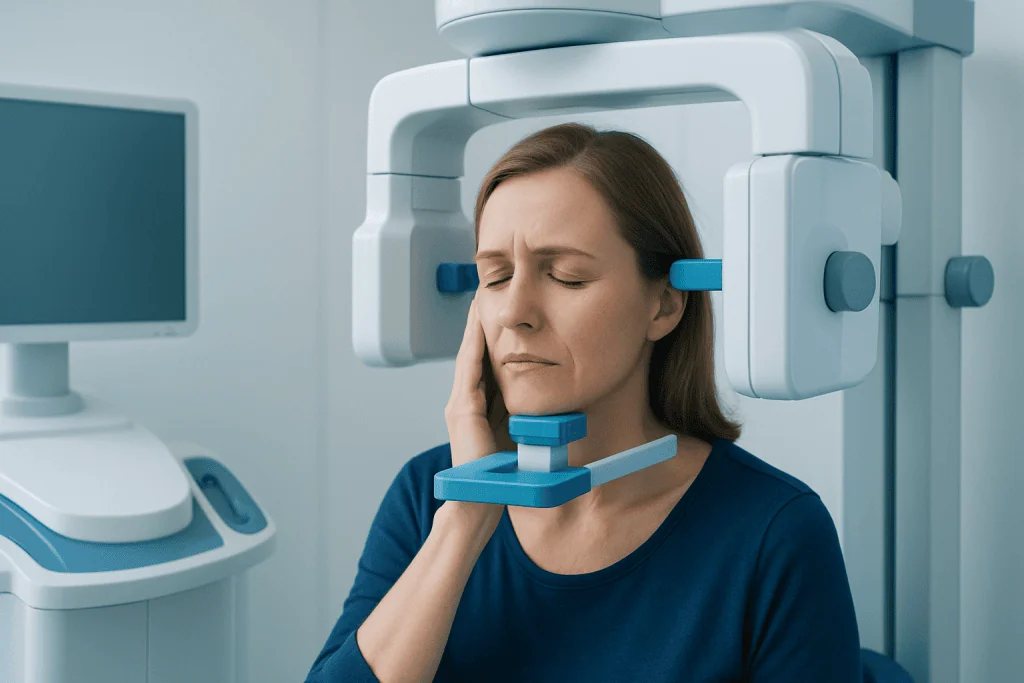
The main symptom of trigeminal neuralgia is recurrent facial pain that comes in brief attacks. The pain is often described as sharp, shooting, or like an electric shock. Between attacks, some people have no pain at all, while others may notice a lingering ache or sensitivity in the same area.
Episodes may be triggered by very light stimulation that would not normally be painful. Everyday activities such as washing the face, shaving, brushing teeth, chewing, speaking, smiling, or exposure to wind can set off an attack. In some people, touching a small “trigger zone” on the face is enough to cause pain.
Common features include:
- Pain on one side of the face
- Attacks lasting from seconds to a couple of minutes
- Clusters of repeated painful episodes
- Pain in the cheek, jaw, teeth, gums, lips, or less often the eye and forehead
- Periods when symptoms become more frequent or intense
Symptoms that are less typical for classic trigeminal neuralgia, such as facial numbness, hearing changes, weakness, or pain that is constant from the start, may suggest another cause of facial pain. These symptoms do not always mean something serious, but they do make a fuller neurological evaluation more important.
Causes and Risk Factors

In many cases, trigeminal neuralgia happens when a blood vessel presses against the trigeminal nerve near where it enters the brainstem. Over time, this contact may wear down the nerve’s protective covering, called myelin. When that happens, ordinary sensations such as touch or movement can be misread by the nerve as severe pain.
Some cases are related to other medical conditions. Multiple sclerosis can damage myelin and may cause trigeminal neuralgia, especially in younger adults. Less commonly, tumors, cysts, or other structural problems can affect the nerve. For this reason, doctors may recommend imaging to look for a clear underlying cause, especially if symptoms are unusual.
Risk tends to increase with age, and the condition is more commonly diagnosed in middle-aged and older adults. Women are affected somewhat more often than men. A personal history of neurological disease may also raise the chance of developing it.
Not all facial pain is trigeminal neuralgia. Problems involving the jaw joint, teeth, sinuses, or other nerves can also cause pain in the face. Distinguishing trigeminal neuralgia from migraine or other causes of persistent head and face pain is an important part of diagnosis.
How It Is Diagnosed
Diagnosis begins with a detailed medical history and a description of the pain. Doctors usually ask where the pain is felt, how long each attack lasts, what triggers it, and whether there are symptom-free periods between episodes. The pattern of brief, sudden, one-sided facial pain is often a strong clue.
A neurological examination helps assess facial sensation, muscle function, reflexes, and any signs that another condition may be affecting the nervous system. Although many people with classic trigeminal neuralgia have a normal neurological exam, abnormal findings can suggest a secondary cause that needs closer investigation.
MRI is commonly used to look for blood vessel compression, multiple sclerosis, tumors, or other structural causes. Imaging does not diagnose every case on its own, but it can help rule out important alternatives and guide treatment planning. In selected situations, other tests may be used if the doctor suspects another source of facial pain.
Because symptoms can overlap with dental problems or other pain disorders, some people see several clinicians before receiving the correct diagnosis. A careful evaluation can help avoid unnecessary dental procedures and focus treatment on the nerve pain itself.
Treatment Options
Treatment depends on how often pain occurs, how severe it is, the person’s overall health, and whether an underlying cause is found. Medicines are often the first step. Doctors commonly prescribe anti-seizure medicines because they can calm overactive nerve signaling. Some people may also benefit from muscle relaxants or other medications, depending on their symptoms and tolerance.
If medicines stop working well, cause side effects, or do not provide enough relief, procedures may be considered. Minimally invasive options include treatments that intentionally disrupt pain signals in part of the trigeminal nerve. Depending on the case, these may include targeted injections, radiofrequency techniques, or Gamma Knife radiosurgery. These approaches can reduce pain, though symptoms may return over time in some people.
For people whose pain is linked to a blood vessel pressing on the nerve and who are suitable surgical candidates, neurosurgery may offer another option. A procedure called microvascular decompression aims to move the vessel away from the nerve and place padding between them. This can provide longer-lasting relief for some patients, but it is a more invasive treatment and requires careful discussion of benefits and risks.
When facial pain is related to another neurological condition, treatment also focuses on that underlying issue. In complex cases, a team that may include neurology, pain specialists, radiology, and brain surgery experts can help tailor care. Near the end of the care pathway, some international patients may choose centers such as Acibadem International, where multidisciplinary specialists in JCI-accredited hospitals assess and treat trigeminal neuralgia.
Prevention and Self-care
There is no guaranteed way to prevent trigeminal neuralgia, especially when it is caused by nerve compression or another neurological condition. Even so, identifying personal triggers can help reduce painful episodes. Some people notice flares with chewing hard foods, cold wind on the face, or certain grooming routines.
Simple adjustments may make daily life easier. Choosing softer foods during flare-ups, using lukewarm water for washing, protecting the face in cold weather, and brushing teeth gently may help limit attacks. Stress management, regular sleep, and keeping a symptom diary can also be useful, especially when treatment is being adjusted.
Self-care should not replace medical treatment if attacks are frequent or severe. Pain medicines commonly used for headaches or muscle pain often do not work well for trigeminal neuralgia. Because this condition involves abnormal nerve signaling, evaluation by a doctor is important to choose the most appropriate therapy.
When to See a Doctor
Medical attention is important for any new, unexplained facial pain, especially when the pain is severe, recurrent, or triggered by simple daily activities. Early diagnosis can help avoid unnecessary treatments and may improve symptom control. A primary care doctor, neurologist, or pain specialist can begin the evaluation.
People should seek prompt medical review if facial pain is accompanied by numbness, weakness, vision changes, balance problems, hearing symptoms, rash, fever, or dental swelling. These features may point to a different problem that needs specific care. Pain that changes in pattern or stops responding to treatment also deserves reassessment.
Emergency care is appropriate if severe pain comes with sudden neurological symptoms such as facial drooping, arm weakness, difficulty speaking, or sudden confusion. While these signs are not typical of trigeminal neuralgia, they may indicate a medical emergency. Ongoing follow-up is also important, since treatment may need to be adjusted over time.
Frequently asked questions
What does trigeminal neuralgia pain feel like?
It is often described as a sudden, sharp, electric shock-like or stabbing pain on one side of the face. Attacks are usually brief, but they may happen repeatedly and can be very intense.
Can trigeminal neuralgia be mistaken for a tooth problem?
Yes. Because the pain may be felt in the jaw, gums, or teeth, it is sometimes confused with dental disease. A careful history and examination help distinguish nerve pain from tooth-related pain.
What usually triggers trigeminal neuralgia attacks?
Common triggers include brushing teeth, chewing, talking, shaving, washing the face, or even a light breeze. In some people, touching a small area of the face can set off pain.
Is trigeminal neuralgia dangerous?
The condition itself is not usually life-threatening, but it can be very disruptive and painful. It is still important to have it evaluated because, in some cases, facial pain may be related to another neurological condition that needs treatment.
Can trigeminal neuralgia go away on its own?
Some people have periods of remission when attacks become less frequent or stop for a time. However, symptoms often return, so medical follow-up is important even if pain improves temporarily.
When is surgery considered for trigeminal neuralgia?
Surgery or a procedure may be considered when medicines do not control pain well, cause troublesome side effects, or when imaging shows a treatable cause such as blood vessel compression. The best option depends on overall health, symptom pattern, and patient preference.
This article is for general information only and is not a substitute for professional medical advice. Please consult a qualified doctor about your individual situation.
Explore treatments in Turkey — costs, top hospitals & a free quote
JCI-accredited · board-certified surgeons · reply within 24h
Add us as a Preferred Source to see more of our trusted health content across Google Search, AI Overviews and Discover.

More from the Health Library

Prediabetes: Warning Signs, Blood Tests, and How to Prevent Type 2 Diabetes

Traumatic Brain Injury: Symptoms That Can Appear Days or Weeks Later

What Is Bell’s Palsy? Facial Weakness, Recovery, and Warning Signs

Autoimmune Encephalitis: Psychiatric Changes, Seizures, and Why Early Diagnosis Matters

Idiopathic Pulmonary Fibrosis vs COPD: How Symptoms and Tests Differ