

Digital Dentistry vs Traditional Methods: What Is Different for Patients?
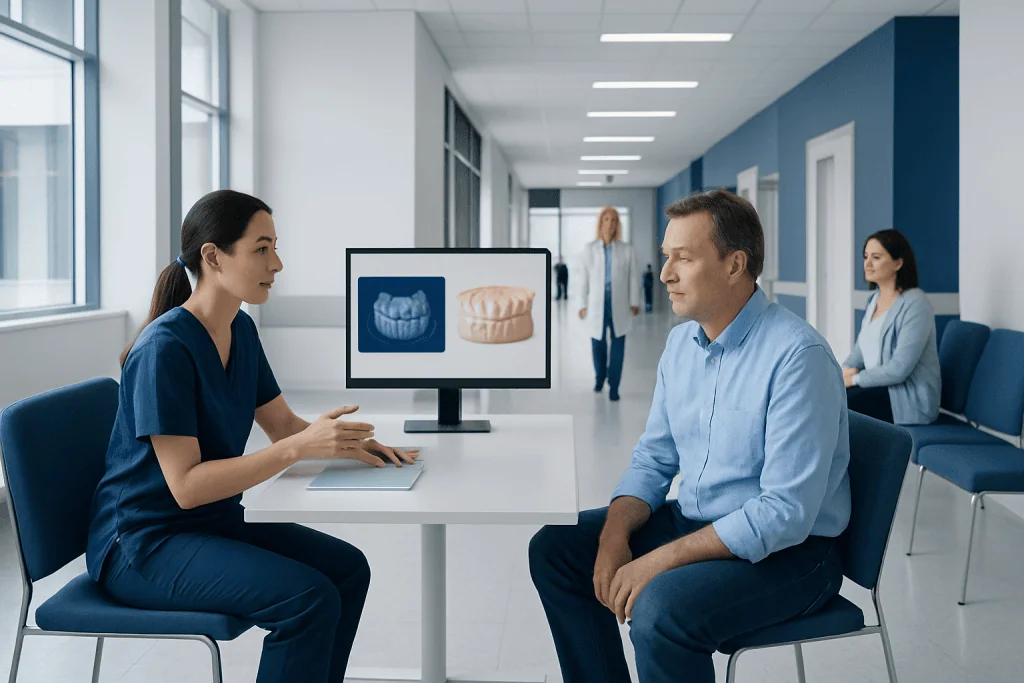
Digital dentistry uses tools such as intraoral scanners, 3D imaging, and computer-aided design to plan and perform dental care. Compared with traditional impressions and manual fabrication, digital methods may reduce discomfort and improve precision for selected treatments.
Key Takeaways
- Digital dentistry uses tools such as intraoral scanners, 3D imaging, and computer-aided design to plan and perform dental care.
- Compared with traditional impressions and manual fabrication, digital methods may reduce discomfort and improve precision for selected treatments.
- Traditional methods are still effective and may be preferred in some clinical situations depending on the patient’s needs and the dentist’s judgment.
- The best approach depends on the type of dental problem, treatment goals, oral anatomy, timing, and budget.
- Patients should ask how a proposed treatment will be planned, what technology is involved, and whether digital options are available.
Digital dentistry and traditional dental methods both aim to restore oral health and function, but they differ in how information is collected, restorations are designed, and treatment is delivered. For many patients, digital workflows can improve comfort, planning, and efficiency, while traditional techniques still remain reliable and appropriate in many situations.
Overview: What Digital Dentistry Means for Patients
Digital dentistry refers to the use of computerized tools and advanced imaging to examine the mouth, plan treatment, and create dental restorations. Common examples include intraoral scanners instead of traditional putty impressions, digital X-rays, cone beam CT imaging, computer-guided implant planning, and CAD/CAM systems that help design crowns, bridges, and other restorations. Traditional dentistry relies more heavily on manual impressions, physical stone models, hand-crafted planning, and laboratory techniques that have been used successfully for many years.
From a patient perspective, the biggest difference is often the experience during the visit. A digital scan may feel easier than holding impression material in the mouth, especially for people with a strong gag reflex or anxiety. Digital tools can also allow the dentist to show enlarged images of the teeth and gums on a screen, helping patients better understand their condition and treatment options.
Digital dentistry does not replace the importance of clinical skill. The technology supports the dentist, but the final treatment plan still depends on examination findings, oral health status, bite, gum condition, and long-term goals. In other words, digital methods can improve workflow and precision, but they work best when combined with careful clinical judgment.
How Digital and Traditional Methods Differ
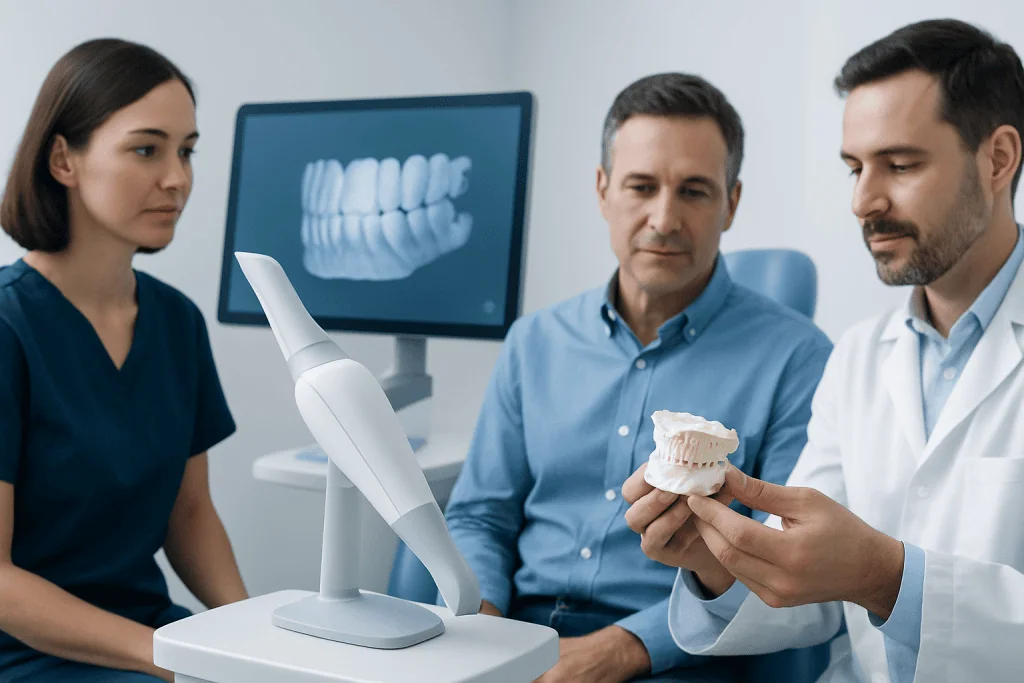
Traditional dental workflows often begin with a physical impression made from a soft material placed in a tray. That impression is used to create a model, which then helps a dental laboratory fabricate a crown, bridge, aligner, or other appliance. This process can be highly effective, but it may involve more manual steps, longer turnaround times, and possible variation from material distortion or transport between clinic and lab.
Digital workflows usually begin with a scan of the teeth and soft tissues. The scan creates a detailed 3D image that can be viewed immediately. The dentist may then use software to analyze the bite, design a restoration, or plan implant placement. In some cases, the restoration can be milled or printed with a high degree of accuracy, sometimes reducing the number of appointments needed.
For patients, these differences may affect comfort, convenience, and communication. Digital records are easier to store, share, and compare over time. They can also help dentists explain why a treatment such as a dental crown, a bridge, or a filling is being recommended. However, traditional techniques may still be selected when they are more suitable for the case, the materials involved, or the anatomy being treated.
Potential Benefits of Digital Dentistry
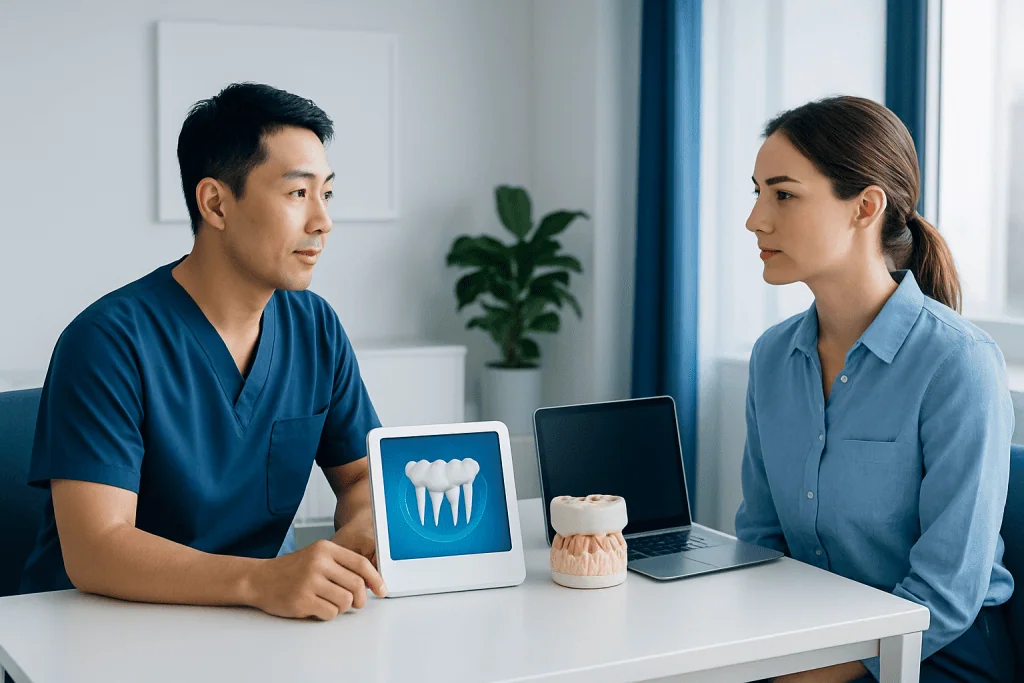
One of the most noticeable benefits of digital dentistry is patient comfort. Intraoral scanning may be preferable to traditional impressions for some people because it avoids impression trays and reduces the sensation of bulk in the mouth. This can be especially helpful for patients with sensitive gag reflexes, children, or those who feel nervous during dental procedures.
Another advantage is improved visualization and planning. Digital images can be enlarged, rotated, and measured, making it easier to evaluate tooth wear, alignment, bone support, or the fit of restorations. In treatments that require high precision, such as implant planning or cosmetic work, digital design can help the dentist create a more individualized plan. Patients considering smile design or cosmetic dentistry often appreciate seeing mock-ups or previews before treatment begins.
Efficiency may also improve. Some digital workflows shorten laboratory time and reduce repeat visits caused by inaccurate impressions. In selected cases, a restoration can be designed and produced more quickly than with a conventional approach. Digital records also make it easier to track changes over time, communicate with specialists, and compare before-and-after findings.
- Less discomfort during impressions for many patients
- Better visualization of teeth, gums, and bite
- More predictable planning for complex cases
- Potentially fewer remakes or adjustments
- Streamlined communication between clinic and lab
Possible Limitations and Why Traditional Methods Still Matter
Although digital dentistry offers important advantages, it is not automatically better for every patient or every procedure. Some cases involve deep gum margins, heavy saliva flow, limited mouth opening, or reflective surfaces that can make scanning more challenging. In these situations, traditional impressions or conventional laboratory methods may still produce very good results.
Technology also depends on equipment quality, software accuracy, and the dental team’s training. A digital tool is only as useful as the person using it. A well-made traditional impression from an experienced clinician may be more reliable than a poorly captured digital scan. For this reason, patients should focus not only on whether a clinic uses advanced technology, but also on whether the team explains the process clearly and tailors care to the individual.
Traditional methods remain valuable because they are proven, widely available, and familiar to many laboratories and specialists. They can also be practical when specific materials or treatment steps require a conventional workflow. The main goal is not to use technology for its own sake, but to choose the method that best supports safe, accurate, and durable treatment.
Which Dental Treatments Commonly Use Digital Techniques?
Digital dentistry is used in a growing range of treatments. It is commonly involved in diagnostic imaging, restorative dentistry, orthodontic planning, implant placement, and aesthetic procedures. For example, a digital scan can help design crowns, inlays, onlays, clear aligners, night guards, and surgical guides. In implant treatment, 3D imaging can help evaluate bone volume and anatomical structures before the procedure.
Restorative care is one area where patients often notice the difference. A digital workflow may support more precise design of crowns and bridges and help assess how a restoration fits with the bite. Patients receiving digital dentistry services may also benefit from easier monitoring of tooth wear, gum recession, and changes in alignment over time.
Digital methods can also support broader dental care, including diagnosis and preventive planning within general dentistry. In more complex cases, the dentist may combine digital scans with conventional examinations, photographs, and laboratory input. This blended approach is common and often offers the best balance of technology and clinical practicality.
What Patients Can Expect During the Visit
In a digital dental visit, the appointment may begin with photographs, digital X-rays, or an intraoral scan. A handheld scanner is moved around the mouth to capture images of the teeth and gums. The process is usually quick, and the results appear on a screen in real time. If the scan misses an area, it can often be corrected immediately without repeating the entire procedure.
After the images are collected, the dentist explains the findings and discusses treatment options. Patients may be shown a 3D model of their teeth, areas of decay or wear, or how a proposed restoration could look. This visual explanation can make it easier to understand why a certain treatment is recommended and what outcome is realistically expected.
If a restoration is needed, the next steps depend on the clinic’s workflow. Some practices send digital files to a laboratory, while others use in-house systems to design and produce the restoration. If treatment involves anxiety management or complex procedures, support services such as dental anesthesiology may also be part of the plan. Even when advanced technology is used, the overall experience should still feel centered on comfort, safety, and informed decision-making.
Choosing Between Digital and Traditional Dentistry
Patients do not usually need to decide on a technology before seeing a dentist. Instead, it is helpful to ask whether digital or traditional methods are recommended for the specific problem. The answer depends on the condition being treated, the complexity of the case, the type of restoration, soft tissue health, the need for imaging, and whether the treatment will involve other specialists.
Good questions include whether a digital scan can replace a traditional impression, whether the restoration will be produced in-house or in a laboratory, how fit and bite will be checked, and how many visits are likely to be needed. It is also reasonable to ask about alternatives, expected durability, comfort during the process, and what follow-up care will involve. A patient who understands these points is usually better prepared to make a confident decision.
In experienced hands, both digital and traditional methods can produce excellent results. The most suitable choice is the one that matches the patient’s oral condition and treatment goals while providing a safe and predictable outcome. Near the end of the treatment journey, patients may appreciate care from a multidisciplinary team; Acibadem International’s specialists at JCI-accredited hospitals diagnose and treat dental conditions for international patients using both conventional and advanced digital approaches when appropriate.
When to Seek Dental Evaluation
A person should arrange a dental evaluation if there is tooth pain, sensitivity, a broken tooth, difficulty chewing, bleeding gums, loose restorations, or concern about appearance or bite changes. These problems do not automatically require digital treatment, but they benefit from proper assessment. Early evaluation can also make treatment simpler and help preserve healthy tooth structure.
Patients who have had unpleasant experiences with traditional impressions, who need complex restorative work, or who want to understand newer options may wish to ask specifically about digital dentistry. This can be especially relevant before crowns, bridges, implant planning, or smile design. If emergency symptoms such as trauma, swelling, or severe pain are present, prompt clinical care is more important than the choice of workflow.
Regular checkups remain essential whether a clinic uses digital or traditional methods. Prevention, home oral hygiene, and periodic professional assessment are the foundation of long-term oral health. Technology can improve how care is delivered, but it does not replace daily brushing, flossing, and routine dental review.
Frequently asked questions
Is digital dentistry more accurate than traditional dentistry?
Digital dentistry can improve accuracy in many situations, especially for scanning, planning, and designing restorations. However, accuracy also depends on the clinical situation, the equipment used, and the experience of the dental team. Traditional methods can still be very precise when performed well.
Are digital dental scans uncomfortable?
Many patients find digital scans more comfortable than traditional impressions because there is no bulky tray filled with impression material. The scanner is moved around the teeth to capture images, and the process is usually quick. People with a strong gag reflex often prefer this approach.
Can digital dentistry reduce the number of appointments?
In some cases, yes. Digital workflows may shorten planning and laboratory steps, and some restorations can be produced more efficiently than with conventional methods. Still, the number of visits depends on the type of treatment and whether additional procedures are needed.
Is traditional dentistry outdated?
No. Traditional dentistry remains effective and widely used, and many conventional techniques have a long record of reliable results. Dentists often choose between digital and traditional methods based on what is most appropriate for the patient rather than which method is newer.
Does digital dentistry cost more?
Costs vary by country, clinic, and treatment type. Some digital treatments may involve advanced equipment and design processes, but the overall cost depends on the complete care plan rather than the technology alone. Patients should ask for a clear explanation of treatment options and pricing.
Who may benefit most from digital dentistry?
Patients who need crowns, bridges, implant planning, cosmetic treatment, or detailed bite analysis may benefit from digital workflows. It can also help people who dislike traditional impressions. Even so, suitability should be confirmed by a dentist after examination.
References
- American Dental Association
- FDI World Dental Federation
- National Institute of Dental and Craniofacial Research
- European Federation of Periodontology
This article is for general information only and is not a substitute for professional medical advice. Please consult a qualified doctor about your individual situation.
Digital Dentistry in Turkey — costs, top hospitals & a free quote
JCI-accredited · board-certified surgeons · reply within 24h
Add us as a Preferred Source to see more of our trusted health content across Google Search, AI Overviews and Discover.

Dental & Oral Health
Full-scope dental care from implants and aesthetics to oral and maxillofacial surgery.
158 specialists in this unitRelated Treatments
More from the Health Library
Related Specialists

Assoc. Prof. Dr. Ferit Bayram
Oral & Dental Health
Dt. Alara Naz Kenir
Oral & Dental Health
Dt. Gonca Katmer
Oral & Dental HealthDt. Doğa Baysal
Oral & Dental Health