General Dentistry
General dentistry covers routine dental checkups, professional cleaning, fillings, gum care and preventive treatments to maintain oral health and detect problems early.
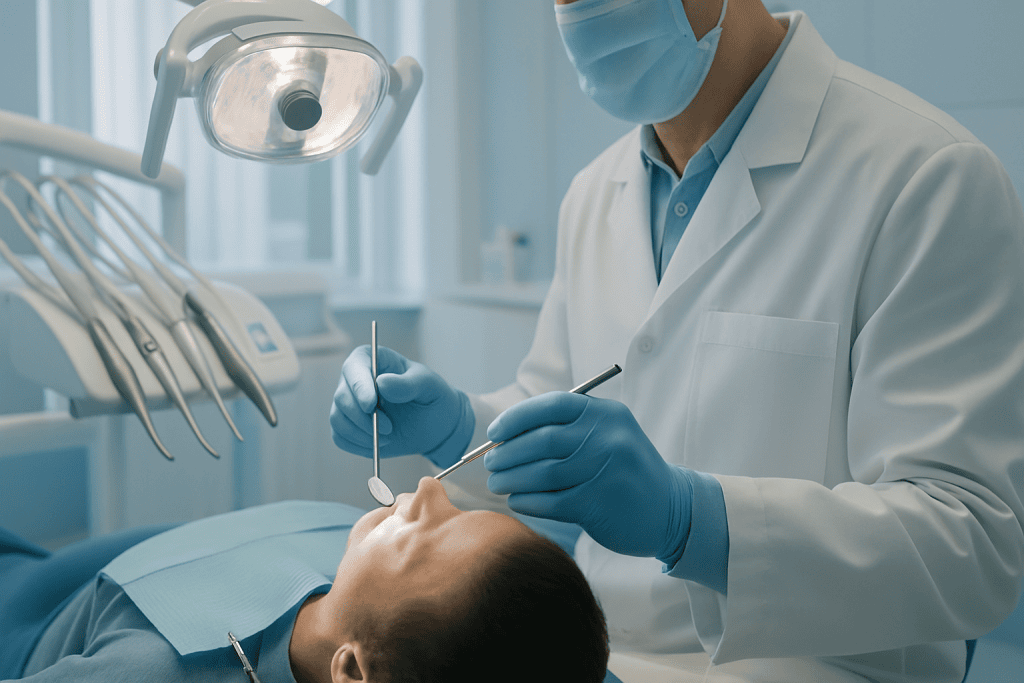
Quick answer
General dentistry is the primary care branch of dental medicine. A general dentist examines the teeth, gums, bite and oral tissues, then provides routine care: checkups, professional cleaning, fillings, gum treatment, preventive measures and early diagnosis of decay and gum disease. Most procedures are completed in one or two visits with little recovery time, and complex problems are referred to the relevant specialist.
What Is General Dentistry?
General dentistry is the primary care branch of dental medicine. A general dentist examines your teeth, gums, jaw, bite and the soft tissues of the mouth, then treats the most common oral conditions: tooth decay, gum inflammation, sensitivity, worn or leaking fillings and the early stages of gum disease. It is what most people mean when they say they need a dentist. The focus is prevention, early diagnosis, conservative treatment and long-term maintenance, with referral to a specialist when a problem needs more than routine care.
For many patients, a dental visit is about more than teeth. It can involve anxiety about discomfort, uncertainty about what the dentist may find, concerns about appearance, and practical questions about time, travel and language. International patients often add another question: will routine dental care abroad meet the standards of safety, communication and clinical judgement they are used to at home? General dentistry exists to address these concerns early and in a structured way, before small problems become complex ones.
The individual services can look simple on paper — a checkup, a cleaning, a filling. In practice, they often decide whether a small cavity stays a small repair, whether gum inflammation can be reversed, and whether pain, infection or tooth loss can be avoided altogether. The routine visits are where the trajectory of your oral health is set.
Oral health is closely connected to overall well-being. Untreated dental infections can cause pain, swelling, difficulty eating and disturbed sleep, and in some cases they raise wider health concerns. Gum disease may progress silently for years before you notice loose teeth or a change in your bite. Worn, cracked or decayed teeth can affect nutrition, speech, confidence and facial comfort. Regular care from a dentist catches these issues at the stage when treatment is usually less invasive and recovery is shorter.
At Acibadem, general dentistry is treated as both preventive care and diagnostic medicine. The aim is not only to fix the problem that brought you to the clinic, but to understand why it occurred, how it is likely to progress, and what can realistically reduce your risk of future dental disease. For international patients, that translates into clear explanations, careful planning and access to coordinated dental and medical expertise when a case calls for it.
What does general dentistry mean in daily practice?
General dentistry means the full range of routine oral healthcare: examination, diagnosis, prevention, and the conservative treatment of common dental and gum conditions. A typical visit may include a comprehensive oral examination, dental X-rays where indicated, professional cleaning, assessment of gum health, oral cancer screening, bite evaluation, and a discussion of symptoms such as sensitivity, pain, bleeding gums, bad breath, jaw discomfort or tooth wear.
Treatment within general dentistry may include fillings, replacement of old or leaking restorations, fluoride or other preventive applications, management of early gum disease, polishing, scaling, simple tooth extractions where necessary, and referral for more complex needs. A routine examination is often the entry point into a broader plan: it may identify the need for root canal treatment, periodontal therapy, implant planning, orthodontic evaluation, oral surgery or restorative dentistry. In those situations, the general dentist establishes the diagnosis and works with the relevant specialists to build a personalised sequence of care.
Modern general dentistry also looks beyond the teeth themselves. Your medical history, medications, diet, oral hygiene habits, previous dental experiences and future goals all shape the plan. A patient with diabetes may need closer periodontal monitoring. A patient taking blood-thinning medication may need coordination with their physician before certain procedures. A patient planning major dental rehabilitation usually needs the gums stabilised and active decay treated first. This broader view supports safer, more predictable care.
What does DDS mean?
DDS stands for Doctor of Dental Surgery, the degree awarded to dentists in the United States, Canada and several other countries. Some universities award a DMD (Doctor of Dental Medicine) instead; the two degrees reflect equivalent training, and the difference is historical rather than clinical. In the United Kingdom and many Commonwealth countries the equivalent qualification is the BDS, and other countries use their own national titles for the same primary dental degree. The letters after a dentist’s name tell you where and how they qualified, not what they focus on day to day. What matters more in practice is the dentist’s experience with the treatment you need, how they diagnose, and how clearly they explain your options.
Who May Need to See a Dentist
Nearly everyone benefits from regular general dental care, even when nothing hurts. Dental disease usually develops quietly. Early enamel demineralisation, small cavities between teeth, gum inflammation and early bone loss rarely cause obvious symptoms. You can feel entirely well while a treatable problem is already progressing — which is exactly why routine checkups exist.
Adults and children see a dentist for routine prevention, for a new symptom, or for follow-up after previous dental work. Common reasons include tooth sensitivity, toothache, bleeding or swollen gums, persistent bad breath, chipped or cracked teeth, food trapping between teeth, pain when biting, loose fillings, stained teeth, jaw tightness, or concern about a change somewhere in the mouth. If you have not seen a dentist for several years, a comprehensive evaluation is worthwhile even without symptoms, because the gap itself is a risk factor for silent disease.
Diagnosis begins with a conversation. The dentist asks about symptoms, timing, triggers, medical conditions, allergies, medications, previous dental treatment and your priorities. A clinical examination follows: teeth, gums, tongue, cheeks, palate, bite and existing restorations. The dentist may measure gum pocket depths, assess tooth mobility, check for signs of grinding or clenching, and test individual teeth for sensitivity or vitality when a symptom needs explaining.
Imaging is used selectively, not routinely. Digital dental X-rays can reveal cavities between teeth, infection at a root, bone loss around teeth, impacted teeth, or problems hidden beneath older restorations. In some cases, 3D imaging is recommended for more detailed evaluation — particularly for surgical planning, complex anatomy or implant assessment. Intraoral cameras and magnified visualisation help you see and understand what the dentist is describing, rather than taking findings on trust. These tools are part of the broader shift towards digital dentistry, where imaging and records support both diagnosis and communication.
Some situations require extra attention in planning. People with diabetes, heart valve conditions, immune system disorders, a history of cancer treatment, osteoporosis medications, pregnancy or bleeding disorders may need tailored dental planning and, sometimes, coordination with their treating physician. Patients with dental anxiety may need additional time, careful communication and a considered approach to pain control. International patients often need efficient scheduling as well, when diagnosis, cleaning, fillings and specialty consultations must fit into a limited stay.
What is the difference between a dentist and an orthodontist?
A general dentist provides broad primary dental care; an orthodontist is a specialist who corrects the position of teeth and jaws, most often with braces or aligners. Orthodontists complete additional specialty training after their dental degree and concentrate on bite alignment rather than fillings, cleanings or gum care. In practice, the two roles work in sequence: the general dentist identifies crowding, bite problems or jaw discrepancies during routine examination and refers to an orthodontist when specialist correction is appropriate. Some general dentists offer limited orthodontic treatment depending on their training, but complex tooth movement is specialist territory. Even during orthodontic treatment, you still need the general dentist — decay and gum disease do not pause for braces.
Can a periodontist practice general dentistry?
Yes, in most countries a periodontist holds a full dental licence and is legally able to provide general dental care. Every periodontist trains first as a general dentist before completing specialty education in gum and bone health. In practice, however, most periodontists concentrate on their specialty — treating advanced gum disease, performing gum surgery and managing the tissues around implants — and leave routine checkups, cleanings and fillings to general dentists. The relationship usually runs the other way: a general dentist manages early gum disease and refers to a periodontist when pocketing, bone loss or gum recession needs specialist treatment.
Conditions and Indications Treated Through General Dentistry
The most frequent condition in general dentistry is dental caries — tooth decay. Decay occurs when bacteria in dental plaque produce acids that weaken enamel and dentine. Detected early, it can sometimes be managed with preventive care and monitoring rather than drilling. Once a cavity has formed, the damaged tooth structure needs to be cleaned out and the tooth restored with a filling.
Gingivitis is the next most common finding: inflammation of the gums caused by plaque accumulating around the teeth. You may notice bleeding when brushing, tenderness, redness or swelling. Gingivitis is often reversible with professional cleaning and better home care. If the inflammation spreads deeper and affects the supporting bone, it becomes periodontitis — a more serious gum disease that may require staged periodontal treatment and long-term maintenance.
General dentistry also investigates tooth sensitivity, which may be caused by enamel wear, gum recession, exposed dentine, grinding, cracks, cavities or recent dental procedures. Identifying the cause matters, because sensitivity is not always minor. Pain on biting, for instance, can point to a cracked tooth or inflammation inside the tooth — both of which change the treatment conversation considerably.
Other indications include broken or worn fillings, fractured teeth, mild dental trauma, plaque and tartar buildup, early tooth wear from grinding, erosion from acidic food and drink, dry mouth, difficulty with oral hygiene, and structured prevention for patients at higher cavity risk. General dentists also detect oral lesions, ulcers, infections or tissue changes that need monitoring or referral to an oral medicine or oral surgery specialist. Spotting what does not belong in a healthy mouth is a core part of the job.
For patients considering veneers, orthodontics, implants, crowns or full-mouth rehabilitation, general dentistry comes first. Teeth and gums must be healthy before elective or advanced treatment begins. A stable oral foundation reduces the risk of complications and gives any later work a far better chance of lasting.
What Happens at the Dental Office
A dental office visit follows a predictable structure: preparation, examination, diagnosis, treatment and aftercare — and knowing that structure in advance removes much of the uncertainty. What varies is the depth of each stage, which depends on why you are there and what the dentist finds.
Preparation is both medical and practical. Before the appointment, you are usually asked about your medical history, current medications, allergies and previous dental treatment. Where previous dental records or recent X-rays exist, they help the clinical team understand your situation and plan the visit efficiently, particularly when travel time is limited and appointments need to be sequenced sensibly.
At the first visit, the dentist reviews your concerns and performs an oral examination. The goal is to identify active problems, assess risk factors and set priorities. A routine checkup takes less time; a comprehensive evaluation for a patient with several concerns needs a longer appointment. Imaging can usually be taken during the same visit if needed, letting the dentist examine areas invisible to the naked eye and explain the findings on screen.
Professional cleaning is a standard part of general dentistry. Plaque and hardened tartar are removed from the teeth and around the gumline, and the teeth are polished to remove surface staining and make new plaque harder to establish. If there is gum inflammation or deeper periodontal pocketing, the dentist or periodontal team may recommend more detailed cleaning below the gumline, sometimes performed in stages and with local anaesthetic for comfort.
If a cavity is found, a filling is the usual recommendation. The sequence is straightforward:
- 1. Numbing. The area is anaesthetised where necessary, so the work itself is done with the tooth numb.
- 2. Removing decay. The decayed portion of the tooth is removed and the cavity cleaned.
- 3. Restoring. The tooth is rebuilt with an appropriate dental material. Tooth-coloured materials are common because they preserve more tooth structure and look natural.
- 4. Shaping and polishing. The filling is adjusted until the bite feels comfortable, then polished smooth.
For larger defects, failing older restorations or structurally weakened teeth, the dentist may discuss an inlay, onlay or crown instead of a simple filling. These options protect more of the tooth when a standard filling would not be strong enough on its own.
Preventive treatments round out the visit where appropriate: fluoride application, desensitising agents, fissure sealants in selected patients, personalised oral hygiene instruction, diet counselling, and guidance on brushing and interdental cleaning technique. Patients who grind or clench may be assessed for a protective night guard. Those with dry mouth receive specific recommendations to reduce cavity risk and protect the oral tissues.
Technology supports each stage rather than replacing judgement. Digital radiography shortens imaging time and involves lower radiation exposure than older film techniques. Intraoral cameras document cracks, worn restorations, plaque accumulation and gum changes so you can see them yourself. Magnification and enhanced lighting support precision during examination and restorative work. Electronic records track findings over time, which is how subtle deterioration gets noticed. Behind all of it sit the sterilisation systems and infection-control protocols that make dental treatment safe in the first place.
How long treatment takes depends on complexity. A routine checkup and cleaning is usually completed in a single visit. One or more fillings can often be done in the same appointment or shortly afterwards. More advanced gum care may need several sessions. Where multiple problems exist, the dentist creates a staged plan: urgent problems first, then stabilisation, then longer-term functional or aesthetic goals. For international patients, that plan is built around travel logistics — clarifying what can be completed during the stay, what needs follow-up, and whether specialty consultations should be scheduled within the same trip.
Most general dentistry involves minimal downtime. After a cleaning, gums may feel mildly tender if there was inflammation or heavy tartar. After a filling, the mouth stays numb for a few hours and the tooth may be temporarily sensitive to temperature or pressure; this usually settles as the tooth adapts. Avoid chewing while numb. A bite that feels high on a new filling is common and is normally a quick adjustment, so it is worth mentioning to the dentist at review rather than waiting for it to bother you.
What is general anesthesia in dentistry?
General anesthesia in dentistry means being fully asleep for treatment, with breathing and vital signs managed by an anaesthesia team — and it is rarely needed for routine dental care. Almost all general dentistry is performed with local anaesthetic, which numbs the treated area while you remain awake. Between the two sit the options of sedation dentistry, from mild relaxation to deeper sedation, which help anxious patients tolerate longer or more involved treatment. General anesthesia is typically reserved for extensive oral surgery, patients with severe dental phobia, very young children needing substantial treatment, or patients with special care needs who cannot safely be treated awake. Because it requires monitoring, equipment and trained anaesthesia staff, it belongs in appropriately equipped settings — one reason dental anesthesiology is most safely delivered within a hospital environment. Your dentist will explain which level of anaesthesia fits your treatment; for a filling or cleaning, local anaesthetic is almost always sufficient.
Can a general dentist do cosmetic dentistry?
Yes — within the limits of their training and the complexity of the case. Many cosmetic procedures sit comfortably inside general practice: professional whitening, composite bonding, tooth-coloured fillings, and the replacement of visible metal restorations. More complex smile work — multiple veneers, significant reshaping, or full smile design combined with gum contouring — is often better handled by clinicians who focus on cosmetic dentistry, sometimes as part of a multidisciplinary team. The honest sequence matters more than the label: teeth and gums must be healthy before elective aesthetic work begins, and a good general dentist will insist on treating decay and gum inflammation first, even when a patient arrives asking only about appearance.
Why Acting Early Matters
Dental problems become more complex when ignored — reliably so. A small cavity is repaired with a conservative filling. Left alone, the decay can reach the nerve, causing significant pain and infection that may require root canal treatment or extraction. A cracked filling seems minor until bacteria work beneath it and destroy more of the tooth. Bleeding gums look harmless, yet persistent inflammation can progress to bone loss and loose teeth.
Early care usually means simpler treatment, shorter appointments, less biological cost to the tooth and an easier recovery. It also reduces the likelihood of emergency dental visits, which are particularly disruptive when travelling or living between countries. If you are planning business travel, relocation, university study or medical treatment abroad, dealing with dental problems in advance prevents interruptions at the worst possible time.
Delay also affects general health and daily life. Oral infections can spread locally, causing swelling, fever, difficulty opening the mouth or difficulty swallowing. Chronic gum inflammation makes eating uncomfortable and can worsen hygiene further, because brushing inflamed gums hurts. Missing or painful teeth change chewing patterns, overload other teeth and can contribute to jaw and muscle discomfort.
Regular checkups give the dentist something no single visit can: comparison over time. Subtle changes in gum pocket measurements, tooth wear, enamel cracks or X-ray findings guide timely intervention. This is arguably the main value of general dentistry — it lets patients and clinicians see patterns before they become urgent problems.
Benefits of General Dentistry
The benefits of routine dental care are practical, and most of them compound over years rather than announcing themselves after one visit.
| Benefit | What It Means for You |
|---|---|
| Early detection of dental problems | Small cavities, gum inflammation, cracks and failing restorations are identified before they cause severe pain or require complex treatment. |
| Prevention of tooth and gum disease | Professional cleaning, fluoride or other preventive care, and personalised hygiene guidance reduce the risk of decay, gingivitis and periodontal progression. |
| Comfort and function | Treating cavities, sensitivity, damaged fillings and bite issues makes chewing, speaking and daily oral care more comfortable. |
| Better long-term treatment planning | A clear diagnosis shows whether you need simple care, monitoring, specialist referral, or a staged plan towards more advanced dental goals. |
| Support for overall well-being | Healthy teeth and gums reduce oral infection risk, support nutrition and confidence, and make travel and medical plans less vulnerable to dental emergencies. |
Recovery After Common Dental Procedures
Recovery after routine general dental care is usually brief, although the exact experience depends on the procedure performed and the state of the teeth and gums beforehand.
| Time Period | What Patients Can Expect |
|---|---|
| Day 1 | After a checkup or cleaning, most patients return to normal activities immediately. Mild gum tenderness or temporary sensitivity may occur, especially where there was inflammation. After a filling, numbness lasts a few hours. |
| First week | Gums often feel healthier as inflammation subsides and home care improves. A restored tooth may be mildly sensitive to cold or pressure, which commonly settles. Persistent pain or an uneven bite should be raised with the dentist. |
| First month | Improved brushing, interdental cleaning and dietary changes begin to influence plaque control. If gum treatment was performed, follow-up may be scheduled to assess healing and pocket depths. |
| Longer term | Regular maintenance visits preserve results, monitor restorations and detect new problems early. The recommended interval depends on cavity risk, gum health, medical conditions and dental history. |
Factors That Influence Outcomes
A good result in general dentistry depends on more than one appointment. It reflects the accuracy of the diagnosis, the quality of the dental work, and — just as heavily — your oral hygiene, medical conditions, diet, habits and commitment to maintenance. It is honest to say the dentist controls only part of the outcome.
The condition at the time of treatment matters. A small cavity in an otherwise healthy tooth is straightforward to restore. A deep cavity near the nerve is not. Mild gingivitis is easier to reverse than advanced periodontal disease with bone loss. A small chip may need a simple repair, while a heavily cracked tooth may require a crown, root canal treatment or extraction. Early diagnosis is what keeps the conservative options on the table.
Home care is one of the strongest predictors of long-term oral health. Excellent professional treatment can still fail if plaque control stays poor or sugar exposure continues throughout the day. Effective brushing, cleaning between teeth, an appropriate toothpaste and regular replacement of toothbrushes or brush heads all contribute. Patients with limited dexterity, dental implants, bridges, orthodontic appliances or periodontal pockets may need specific tools and hands-on coaching to clean effectively.
Medical conditions and medications influence oral health in ways worth stating plainly. Diabetes increases periodontal risk, particularly when blood sugar control is poor. Dry mouth — whether from medications, autoimmune disease or previous radiation therapy — raises decay risk substantially. Acid reflux, eating disorders and frequent acidic drinks erode enamel. Smoking and tobacco products impair gum healing and increase the risk of periodontal disease and oral tissue changes. None of these prevents dental care, but each demands a tailored prevention and maintenance plan rather than a generic one.
Bite forces matter too. Grinding and clenching fracture fillings, wear enamel, strain jaw muscles and contribute to sensitivity. If the dentist sees signs of excessive wear, a protective appliance or bite evaluation may be recommended. For patients with multiple restorations or crowns, managing bite forces is what protects the work already done.
Communication is the factor patients most often underestimate. Tell the dentist if you have dental anxiety, difficulty getting numb, previous adverse reactions, a strong gag reflex or limited time in the country. Each of these changes how the appointment should be run — its length, the anaesthesia approach, the pace of explanation, the treatment sequence. For international patients, previous X-rays and treatment records help avoid duplicated imaging and support faster, better-grounded decisions.
Finally, maintenance determines durability. Fillings, gum therapy and preventive care all need monitoring. A well-placed restoration can still develop leakage or wear over the years. Gums can become inflamed again the moment plaque control slips. Regular recall visits allow small adjustments long before major intervention becomes necessary — which is the entire point of the recall system.
General Dentistry at Acibadem
International patients seek dental care abroad for a combination of clinical quality, access, scheduling efficiency and confidence in the healthcare environment. At Acibadem, general dentistry is delivered within the Dental & Oral Health units of a hospital-based healthcare group accustomed to caring for patients from many countries, cultures and medical backgrounds.
One meaningful distinction is the connection between dental care and broader medical expertise. Some dental patients have complex health histories, are undergoing medical treatment, or need coordination with physicians before procedures. In a hospital setting, dentists can take a more informed approach to patients with cardiovascular disease, diabetes, cancer history, immune conditions or medication-related risks. Where needed, a case can be discussed with the relevant medical specialists or referred to the appropriate department without leaving the institution.
Acibadem hospitals are JCI-accredited, reflecting structured standards for patient safety, quality improvement, infection control and clinical governance. For dental patients this environment supports careful sterilisation practice, organised documentation and systematic risk assessment. These details are not visible during a brief appointment, but they are central to safe healthcare delivery — and they are precisely the things a patient cannot verify from a website photograph.
General dentistry at Acibadem also benefits from multidisciplinary planning. A patient may come for a routine checkup and discover a need for periodontal care, root canal treatment, oral surgery, prosthetic work, orthodontic evaluation or implant planning. Rather than treating these as isolated services, the dental team coordinates a step-by-step plan according to priority, urgency, medical considerations and the patient’s travel schedule. Specialist boards and multidisciplinary discussion are particularly valuable when treatment decisions are complex or when dental findings intersect with broader health concerns.
Technology is used in service of diagnosis, communication, precision and comfort. Digital imaging identifies disease that examination alone cannot see. Intraoral visualisation makes explanations concrete, which matters most when a patient is choosing between treatment options. Modern restorative materials allow many teeth to be repaired conservatively and with a natural appearance. Careful anaesthesia technique and minimally invasive approaches are used wherever appropriate to reduce discomfort and preserve healthy tooth structure.
The experience around the clinical appointment matters as much as the appointment itself. Acibadem International provides dedicated services in more than 20 languages, covering appointment coordination, medical record transfer, interpretation and practical questions around travel and care planning. This is particularly relevant in dentistry, where a patient may need several appointments within a defined timeframe and needs to understand which treatments are urgent, which can be staged, and which can be continued at home afterwards.
Second opinions are a legitimate use of general dentistry, and patients from the United States and elsewhere often want one before committing to extensive dental work. The diagnostic foundation is the same: clinical examination, imaging review, periodontal assessment and a clear explanation of the options. A second opinion may confirm a proposed plan, suggest a more conservative sequence, or identify health issues that should be resolved before cosmetic or reconstructive treatment begins. Any of those outcomes is useful.
Personalised planning underpins all of it. Not every cavity, sensitive tooth or gum concern warrants the same response. The dentist weighs clinical findings, risk level, symptoms, aesthetics, function, medical status, time constraints and your own preferences, then recommends care that is appropriate to the condition and sustainable after you return home. A plan that only works while you are standing in the clinic is not a plan.
Dental anxiety is taken seriously rather than talked around. It is common, and it is usually shaped by previous painful experiences, fear of needles, embarrassment about the state of the teeth, or uncertainty about receiving care in another country. A respectful clinical approach means clear explanations, permission to pause, properly delivered local anaesthesia, and an open discussion of comfort measures where appropriate. Most patients find that understanding each step reduces fear — and that returning to regular preventive care afterwards feels far less daunting than the years of avoidance did.
Keeping Oral Health Stable Over Time
General dentistry is often the simplest and most effective way to protect oral health, and its value compounds with consistency. A routine checkup confirms that everything is stable; an early diagnosis prevents a small concern from becoming an urgent one. Whether the visit involves a professional cleaning, a filling, a gum evaluation, preventive care or a second opinion on an existing treatment plan, the process always starts the same way: a careful examination and a clear explanation of the options.
After treatment, the recommended recall interval is set individually — by cavity risk, gum health, medical conditions and dental history — rather than by a universal calendar. Patients at low risk may need less frequent review; those with periodontal disease, dry mouth, extensive restorations or high decay risk benefit from closer monitoring. Between visits, the daily fundamentals carry most of the weight: effective brushing, interdental cleaning, sensible sugar habits and attention to any change in comfort or function.
For patients whose dental needs go beyond routine care — implants, rehabilitation, aesthetic work or treatment under sedation — general dentistry remains the starting point and the safety net. It establishes the diagnosis, stabilises the foundation, sequences the specialists, and then maintains the result for the years that follow. That is what primary dental care is for.
Preparation
- Bring previous dental records or X-rays if available and inform your dentist about medications, allergies, pregnancy or chronic conditions. Brush and floss before the visit, but avoid heavy meals if a procedure requiring local anesthesia may be planned.
Aftercare
- Follow your dentist’s instructions for brushing, flossing and any prescribed medication. Avoid very hot, hard or sticky foods for a short time after fillings or gum treatments, and attend scheduled follow-up visits to maintain oral health.
Turkey vs UK, Germany & USA
General dentistry costs depend on the type of visit, materials used, diagnostics needed and whether additional care is found during examination. Comparing destinations can help international patients understand how fees, scheduling and support services may differ.
For routine dental care, the final experience is shaped by clinic standards, dentist expertise, diagnostic needs, appointment availability and the level of support offered to international patients.
| Factor | Turkey | UK | Germany | USA |
|---|---|---|---|---|
| Price drivers | Private-care model with bundled international patient support often available | Private fees vary; public pathways may have eligibility and availability limits | Costs vary between statutory and private pathways, materials and clinic setting | Fees often depend on private practice billing, location and insurance terms |
| Hospital and dentist factors | Costs may reflect dentist experience, multidisciplinary access and hospital-based dental units | Fees may vary by private clinic location, dentist seniority and required referrals | Specialist involvement, clinic technology and insurance status can affect cost | Provider network status, specialist referrals and facility location may influence fees |
| Accreditation and quality | Some hospital groups, including Acibadem, operate within internationally accredited healthcare systems such as JCI-accredited settings | Quality is regulated through national professional and healthcare standards | Quality is supported by national regulation and professional dental standards | Quality oversight varies by state, provider network and professional accreditation |
| Typical waiting times | Private appointments for international patients may be coordinated around travel plans | Private appointments may be quicker than public pathways, depending on local demand | Scheduling varies by clinic, insurance route and specialist availability | Access depends on provider availability, insurance networks and local demand |
| Travel and language logistics | International patient teams may assist with scheduling, translation and travel coordination | Language is usually straightforward for English speakers; travel support varies by provider | Interpreter needs and documentation support may vary by clinic | Long-distance travel may add cost; administrative insurance communication can be complex |
| Typical package inclusions | May include consultation planning, dental examination, selected imaging and interpreter support when arranged | Often itemised by consultation, cleaning, imaging and treatment | May be itemised or partially covered depending on insurance and treatment type | Often itemised, with coverage depending on insurance benefits and provider network |
What affects your final cost:
- The type of dental service needed, such as checkup, cleaning, filling or gum care
- The number and complexity of teeth or gum areas requiring treatment
- Whether digital imaging, laboratory work or specialist referral is required
- The materials used for fillings, restorations or preventive applications
- The dentist’s experience and the clinic or hospital setting
- Travel, accommodation, translation and follow-up planning for international patients
Compare your options
General dentistry includes preventive, diagnostic and restorative options. Suitability for any option is decided by a dentist or relevant specialist after examination.
| Option | What it is | Typical use | Key considerations |
|---|---|---|---|
| Dental checkup | A clinical examination of teeth, gums, bite and oral tissues, sometimes supported by imaging | Routine monitoring, early detection of decay, gum disease or oral health changes | Findings may lead to cleaning, fillings, gum treatment or referral for specialist care |
| Professional cleaning | Removal of plaque, tartar and surface staining by a dental professional | Preventive maintenance and support for gum health | Frequency and depth of cleaning depend on gum condition and oral hygiene needs |
| Dental fillings | Removal of decayed or damaged tooth tissue followed by restoration with a suitable material | Treatment of cavities, small fractures or worn tooth areas | Cost and outcome can vary by tooth location, cavity size and material choice |
| Gum care | Assessment and treatment aimed at controlling inflammation and supporting gum stability | Bleeding gums, gum sensitivity, tartar buildup or periodontal concerns | More advanced gum problems may require staged treatment and specialist follow-up |
| Preventive treatments | Measures such as fluoride application, fissure sealants or personalised hygiene guidance | Reducing future risk of decay and supporting long-term oral health | Recommended according to age, risk profile, diet, hygiene habits and dental history |
| Diagnostic imaging | Dental X-rays or other imaging used to view areas not visible during examination | Checking decay, bone levels, roots, impacted teeth or treatment planning needs | Used only when clinically indicated and interpreted alongside the dental examination |
General information only — not medical or financial advice. Final costs depend on the factors above and your individual case; request a free, personalised quote.
Frequently Asked Questions
What affects the cost of general dentistry?
The final cost depends on the type of service needed, findings during examination, imaging requirements, materials used, dentist expertise and whether follow-up or specialist care is recommended.
How can I get a personalised quote?
You can request a free consultation and share your dental concerns, recent images if available and any previous treatment notes. A dental team can then outline likely options and provide a personalised estimate.
Are checkups and cleaning usually quoted together?
They may be offered together or itemised separately depending on the clinic and the patient’s needs. Additional imaging, fillings or gum treatment are usually assessed after the dental examination.
Can the cost change after my examination?
Yes. General dentistry can reveal hidden decay, gum disease or restoration needs that were not clear before examination or imaging. Your dentist should explain any recommended changes before treatment proceeds.
What should international patients ask before travelling?
Ask what is included in the proposed plan, whether imaging or cleaning is included, how follow-up is managed, whether interpreter support is available and how appointments can be coordinated with travel dates.
Is this information medical or financial advice?
No. This is general educational information. A dentist or specialist should assess your oral health, and a personalised quote should be requested before making treatment or travel decisions.
Medically reviewed by the Acıbadem International Medical Board — August 30, 2026
See our medical review board →
Update history
- PublishedJune 8, 2026
- Medical review approvedAugust 30, 2026
- Last content updateAugust 30, 2026
Trusted care for international patients
Doctors Performing This Treatment

Assoc. Prof. Dr. Ferit Bayram
Oral & Dental Health
Dr. Ezgi Gülüm
Oral Dental & Maxillofacial Surgery
Dr. Emre Çengelli
Oral Dental & Maxillofacial Surgery
Dr. Arzu Morçiçek
Oral & Dental HealthDr. Deniz Turgut
Oral & Dental Health
Dr. Ceyda Sabancı
Oral & Dental Health
Dr. Çağla Su Doğangün Ayduk
Oral & Dental Health
Dr. Begüm Öykü Kesim
Oral & Dental Health
Dr. Eylül Türsen
Oral & Dental Health
Dr. Zeynep Ezgi Akan
Oral & Dental Health
Dr. Metin Kınacı
Oral & Dental Health
Dr. Duygu Yavuzer Karadeniz
PeriodontolgyDr. Ali Riza Özdurmuş
Oral & Dental Health
Dr. Bedii Ender Topçu
Oral & Dental Health
Dr. Sebiha Nihal Yılmaz
Oral Dental & Maxillofacial SurgeryDr. Seda Saygılı Özaydın
Oral & Dental Health
Dr. Zeynep Ekin Kılınç
Oral & Dental Health
Dr. Uğur Önder
Oral & Dental Health
Dr. Helin Kuşsever Topçu
Oral & Dental Health
Dr. Pelin Açık
Oral & Dental Health
Dr. İpek Saygılı
Oral & Dental Health
Dr. Halime Bayram
Oral & Dental Health
Dr. Havva Gölalan
Oral & Dental Health
Dr. Merve Ağartıoğlu
Oral & Dental HealthMedical Units
Available at These Hospitals