

Dental & Oral Health
Implants and full-arch restoration, aesthetic dentistry, gum treatment and oral and maxillofacial surgery, delivered inside hospitals, with sedation and medical backup.
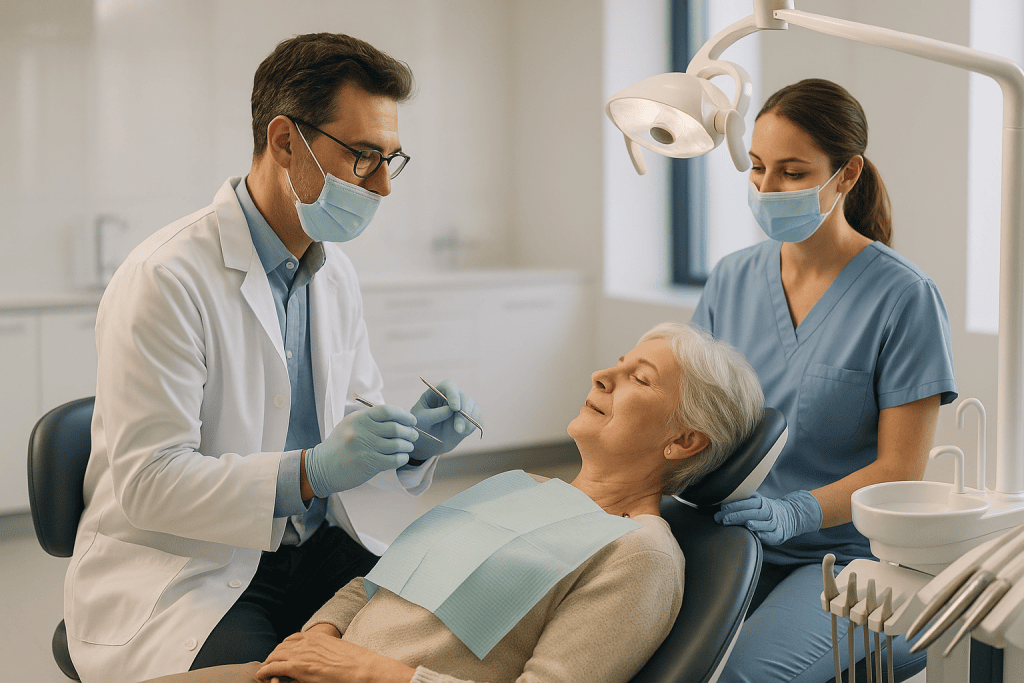
Replace one tooth, rebuild a whole jaw, or keep what you have
The right answer is often the smallest treatment that solves the problem, and that is decided on a three-dimensional scan, not on a photograph.
Single implant
A titanium root replaces a missing tooth without cutting down the teeth beside it, and preserves the bone that shrinks when a tooth is lost.
- Healing3 to 6 months
- VisitsUsually two trips
Full arch: All-on-4 and All-on-6
A complete jaw of fixed teeth on four or six implants. Four or six is a clinical decision taken from bone volume and bite, not a price tier.
- Day of surgeryFixed temporary bridge
- Final bridgeAfter healing, second trip
Preserve and restore
Gum treatment, root canal work, bonding, whitening or alignment. Keeping your own teeth is the better outcome whenever it is realistic.
- Front teeth workOften one trip, 5 to 7 days
- Before any aestheticsGum health first
Already have a treatment plan from elsewhere? Have it reviewed before you commit →
A hospital dental department, not a dental clinic
For a filling, the setting barely matters. For implant surgery, full-arch treatment and medically complex patients, it decides what can be done safely at all.
- ✓Sedation and general anaesthesia with an anaesthesiology team and monitored recovery.
- ✓Patients on blood thinners, with heart valves, or with poorly controlled diabetes, planned with the physicians in the same building.
- ✓Bone medication such as bisphosphonates, where extractions carry a specific jaw risk that must be planned for.
- ✓Dental clearance before chemotherapy, transplant or cardiac surgery, arranged quickly with the treating team.
Complex dental work fails at the joins
Which is why the specialists who have to agree are in the same department rather than in three different practices.
Digital scanning, cone-beam CT and guided implant planning run through all of themread how →
Six questions that separate a plan from a sales pitch
Compare these specifics rather than the total. A quote far cheaper than every other is usually excluding one of them.
We answer all six in writing before you bookask for a written plan →
Swelling from a dental infection that spreads towards the eye, or under the jaw and into the neck, especially with difficulty swallowing, difficulty opening the mouth, difficulty breathing or fever, is a hospital emergency rather than a dental appointment. The airway, not the tooth, is what makes it urgent.
From first photograph to teeth that fit
- Send photosPhotographs, any X-rays or CT you have, and what you want changed.
- Written planNumber of visits, time required and an itemised estimate.
- Scan and designCone-beam CT and a digital design on arrival: a mock-up where it applies.
- TreatmentSurgery or preparation, with sedation or general anaesthesia if needed.
- HealingTemporaries in place; implants integrate over three to six months.
- Final teeth and recordsDefinitive restorations, plus a written record your own dentist can act on.
What is arranged for you
Everything you want to know, answered below
Quick answer
Dental and Oral Health covers the prevention, diagnosis, and treatment of conditions affecting the teeth, gums, jaw, and oral tissues, as well as procedures that restore function and appearance. At Acibadem in Turkey, this unit provides comprehensive evaluation and personalized care through general dentistry, restorative and prosthetic treatments, oral surgery, endodontics, periodontics, orthodontics, and preventive services.
Dental and oral health at Acıbadem is a hospital department, not a standalone clinic, and for the treatments international patients travel for, that difference is the whole point. Implants, full-arch restorations such as All-on-4 and All-on-6, veneers and crowns, orthodontics, gum treatment, root canal work, jaw surgery and paediatric dentistry are delivered by Acıbadem dental specialists across the group’s hospitals, with sedation and general anaesthesia, medical imaging and physicians in other specialties in the same building. Seven Acıbadem hospitals hold JCI accreditation; we will tell you which hospital your treatment is planned in and exactly what is available there. This guide explains how implant and smile treatment actually works, what is realistic in one trip and what is not, what makes treatment last, and where the marketing in dental tourism parts company with dentistry.
A hospital dental department is not a dental clinic, and when that matters
For a filling or a clean, the setting barely matters. For everything else on this page, it can matter a great deal.
Placing implants, lifting a sinus floor, removing impacted wisdom teeth or rebuilding a full arch are surgical procedures. They are usually straightforward. Occasionally they are not, and when they are not, what surrounds the chair decides the outcome. At Acıbadem, dentistry sits inside full hospitals: anaesthesiology for sedation and general anaesthesia, CT and cone-beam imaging on site, cardiology and internal medicine when a patient’s health is complicated, an operating theatre when a case belongs in one, and emergency cover around the clock. Seven Acıbadem hospitals hold JCI accreditation, and dental care is delivered to the same infection-control and record-keeping standards as the rest of the hospital.
The patients for whom this is not a detail but the deciding factor are more numerous than people assume: anyone on blood thinners, anyone needing antibiotic cover for a cardiac condition, patients with poorly controlled diabetes, patients before or after chemotherapy, head-and-neck radiotherapy or a transplant, and, critically, anyone who has taken bisphosphonates or similar bone medication, where a routine extraction carries a specific risk of jaw complications that must be planned for rather than discovered. A dental clinic on a high street will often, and quite properly, decline these cases. A hospital department is where they are done.
Every dental discipline under one roof
Complex dental work fails more often at the joins between specialists than within any one of them. The unit brings the disciplines together so the plan is one plan:
- Oral, dental and maxillofacial surgeryimplants, bone grafting and sinus lifting, impacted teeth, cysts, jaw fractures, orthognathic (corrective jaw) surgery and temporomandibular joint disorders.
- Prosthodonticscrowns, bridges, veneers, dentures and implant-supported restorations: the discipline that decides what your teeth will actually look and feel like.
- Periodontologyperiodontitis, receding gums and peri-implantitis around existing implants.
- Endodonticsroot canal treatment and retreatment.
- Orthodonticsfixed braces, clear aligners and lingual appliances for adults and children.
- Paediatric dentistrypreventive care, fillings and treatment for children.
- Restorative and aesthetic dentistryfillings, bonding, inlays and onlays, and whitening.
Digital workflows, intraoral scanning, cone-beam CT, computer-guided implant planning and digitally designed restorations, run through all of them, which is what makes it possible to plan a complex case precisely before any irreversible step is taken.
Dental problems that are genuine emergencies
Most dental pain needs a dental appointment rather than an ambulance. Dental pain that comes with swelling of the face or gum, with fever or shivering, or with feeling generally unwell is a different matter, because a dental infection can spread within hours.
A dental infection that spreads from the tooth towards the eye, or under the jaw and into the neck, is a medical emergency rather than a dental appointment, and it is treated in hospital. Antibiotics alone do not cure a dental abscess: they can quieten it while the cause remains, so a course of antibiotics, particularly one bought without a prescription, is never a reason to postpone treatment or to defer it to a future trip. The tooth still has to be drained, root-treated or removed.
Whether a facial bone is broken after an injury is a question for an X-ray rather than for appearance.
Bleeding after an extraction is controlled by pressure: sitting upright with a rolled piece of clean gauze or a clean folded handkerchief placed directly over the socket, biting down firmly and not letting go, looking at it or rinsing for a full twenty minutes. Spitting, rinsing, hot fluids and smoking for the rest of the day remove the clot that is stopping the bleeding.
A knocked-out permanent (adult) tooth is time-critical. It is picked up by the crown and never by the root; if it is dirty it is rinsed for no more than ten seconds in milk, saline or the patient’s own saliva, never scrubbed, and never with water, soap or disinfectant, then pushed gently back into its socket the right way round and held in place by biting on a clean cloth. Where it cannot be replanted, it is carried in milk or saline; an alert adult may hold it inside the cheek, though never a young child, who could swallow or inhale it. Every minute out of the socket lowers the chance of saving the tooth. A knocked-out baby tooth must never be pushed back in, because that can damage the permanent tooth developing above it.
Dental implants: what they are and how the treatment actually runs
A dental implant is a titanium screw placed in the jawbone to replace the root of a missing tooth. Once the bone has healed onto its surface, a process called osseointegration, it carries a crown, a bridge or a full arch of teeth. Implants do not decay, they do not need the neighbouring teeth to be cut down as a conventional bridge does, and they preserve the jawbone that otherwise shrinks away when a tooth is lost.
The treatment has three phases, and the timeline is set by biology, not by the practice’s schedule:
Planning. A cone-beam CT scan shows the bone in three dimensions: its height, width and density, and the position of the nerve in the lower jaw and the sinus in the upper. A digital scan captures the teeth. The implant position is planned on the computer before any surgery, and where indicated a surgical guide is produced so the plan is transferred to the mouth precisely.
Surgery. Placement is usually done under local anaesthetic, with sedation or general anaesthesia where the case or the patient calls for it. A single implant takes well under an hour. Discomfort afterwards is generally comparable to an extraction and settles within a few days; pain, swelling or fever that increases after day three is not part of that pattern. The specific risks depend on the site and are explained before consent: in the lower back jaw the nerve supplying the lip and chin runs close by, and numbness or tingling there is a recognised risk; in the upper back jaw the sinus lies close and may need lifting; and a small number of implants do not integrate and have to be removed and replaced.
Healing and the final teeth. Osseointegration takes roughly three to six months, longer where bone has been grafted. A temporary tooth is fitted during this period in visible areas. The permanent restoration is made once the implant is stable, and it is the quality of this last phase, not the implant itself, that people notice for the next twenty years.
All-on-4, All-on-6 and full-arch treatment: a whole jaw on four or six implants
When most or all of the teeth in a jaw are missing or unsalvageable, a full arch of fixed teeth can be supported on as few as four implants, the approach commonly marketed as All-on-4, or on six, All-on-6, where bone volume and bite forces make the extra support worthwhile. The technique works by angling the rear implants to use the areas of the jaw where bone is naturally denser, which often avoids the grafting that would otherwise be needed.
For the right patient this is a genuinely transformative treatment: it replaces a failing dentition or a loose denture with teeth that are fixed, function properly and do not move. It also has to be described accurately.
Four implants versus six is a clinical decision, not an upgrade to be sold. The number depends on bone volume and quality, the opposing bite, whether you grind your teeth, and whether the upper or lower jaw is being treated: the upper jaw is softer and generally less forgiving. A plan that offers the same configuration to everyone is not a plan.
The first set of teeth is not the final set. In an immediate-loading protocol a fixed temporary bridge is fitted at or near the time of surgery, which is where “teeth in a day” comes from. That temporary bridge is real and it is fixed, but it is temporary by design. The definitive bridge, usually in zirconia or a comparable material, is made after healing, once the gum has settled into its final shape. Anyone promising the finished result on day one is describing the temporary and calling it permanent.
It is major dental surgery. Full-arch treatment often involves removing remaining teeth, reshaping bone, placing implants and fitting a bridge in one session. Swelling and bruising that peak at around forty-eight hours and then settle are normal, a soft diet is required for weeks, and recovery is real. Swelling, pain or fever that begins to increase again after the third day is not normal. Being told it is “painless and quick” is a warning sign, not reassurance.
“Teeth in a day” and same-day implants: when it is true
Immediate loading, placing an implant and attaching a tooth to it at the same visit, is a legitimate, well-established technique. It is not universally applicable, and whether it is right for you depends on one thing above all: primary stability, meaning how firmly the implant grips the bone at the moment it is placed. Where stability is high and the bite can be controlled, immediate loading works well. Where bone is soft, where infection was present, where grafting was needed, or where heavy grinding will load the implant unpredictably, loading immediately increases the risk of failure, and the correct answer is to wait.
So the honest version is: yes, you can often leave with fixed teeth on the day of surgery. No, they are not the final teeth, and no, it is not appropriate for everyone.
Dentures and implant-supported overdentures: the option between a loose denture and a fixed arch
Between a denture resting on gum and a full arch screwed to implants sits the treatment nobody advertises, because it costs less than the one being advertised: the overdenture, a denture that clips onto implants and comes out to be cleaned.
Why a conventional denture gets looser
A denture is carried by the ridge of bone under the gum, and that ridge shrinks once the teeth are gone, then keeps shrinking. An upper denture seals against the palate and usually holds. A lower one has no seal, and it is the lower one that lifts, tips and rubs. A loose denture has not failed: its foundation has changed shape underneath it. That is what relines are for.
Two implants and a lower overdenture
Two implants at the front of the lower jaw, each carrying a stud attachment, and a denture with matching housings inside it. It presses on, clicks into place, and unclips for cleaning. This is the standard answer to a lower denture that will not stay put, and it needs fewer implants and less bone than a fixed arch. The back still rests on gum, so what you get is a denture that stops moving, not fixed teeth.
Bar-retained overdentures
Four implants joined by a milled bar, with clips inside the denture gripping it. Load is spread more evenly and the fit is firmer, at the cost of more implants and a shape you must clean underneath daily, with the denture out.
How removable-on-implants differs from a fixed bridge
- Implants needed: fewer for an overdenture; more for a fixed arch, particularly in the softer upper jaw.
- Cleaning: an overdenture comes out, so you clean it and the attachments directly. A fixed bridge is cleaned in the mouth, under the bridge, every day.
- The palate: an upper overdenture can usually be opened out so the palate is uncovered, which changes taste and the feeling of fullness. For many people that alone is the reason to have implants.
- Chewing: a fixed arch bites harder and feels closest to teeth. An overdenture is a large improvement on a floating denture and is not the same thing.
- Repairs: an overdenture can be relined and repaired chairside; a fixed bridge is a laboratory job.
Maintenance, and what you should never do yourself
The attachment inserts wear out with clipping on and off and are replaced periodically, routine, not a fault. Ask who replaces them, and what that costs, before you fly home. Never grind or reshape a denture yourself, and do not use over-the-counter reline or repair kits: they set hard against a gum that is still changing and cover sore spots instead of solving them. A sore or ulcer under a denture that has not healed within three weeks is examined rather than watched.
Moving from a denture to fixed teeth
Realistic where there is enough bone or enough that can be rebuilt, where gum health is dependable, and where you can manage daily cleaning under a bridge. Often not realistic in a severely resorbed upper jaw without major grafting. Where it is not, an overdenture is not a consolation prize: it is the better plan.
Bone grafting and sinus lifting: when the jaw needs building up first
Bone disappears where teeth have been missing for a long time, and implants need bone to hold them. Where there is not enough, it can usually be rebuilt.
Bone grafting adds material, your own bone, processed graft material or a synthetic substitute, to increase width or height. Small grafts are often placed at the same time as the implant. Larger ones are done first and need months to mature before implants can be placed.
Sinus lifting is specific to the upper back jaw, where the sinus sits directly above the missing molars and the bone between them is often only a few millimetres thick. The sinus membrane is lifted and graft material placed beneath it to create height for an implant. A minor internal lift can be done through the implant site itself at the time of placement; a larger lateral lift is a separate procedure with several months of healing before implants follow.
The practical consequence for anyone travelling is scheduling. A case needing significant grafting cannot honestly be completed in a single trip, and a plan that claims otherwise is either skipping the graft or compressing healing that cannot be compressed.
How long do dental implants last, and what actually makes them fail
Implants are the most durable option in dentistry and are frequently described as lasting decades. That is a fair statement about implants that are well placed, well restored and well maintained, and it is not a guarantee, because the two things that fail are rarely the titanium.
The restorationthe crown or bridge on top, is a mechanical component subject to wear, chipping and screw loosening, and may need repair or replacement over the years even when the implant beneath is perfect. That is normal maintenance, not failure.
The gum and bone around the implant are the real long-term issue. Peri-implantitis is inflammation of the tissues surrounding an implant with progressive bone loss, and it is the leading cause of late implant loss. It is driven by plaque, and made considerably more likely by smoking, poorly controlled diabetes, a history of gum disease, and restorations that cannot be cleaned properly. It is often painless until it is advanced, which is exactly why implant patients need professional maintenance rather than just a mirror. Its signs are bleeding or pus around an implant, a persistent bad taste or smell, gum that has pulled back from the restoration, and an implant or its crown that feels at all loose: an implant that moves is failing, and the earlier it is assessed the more of the bone can be saved.
This is one of the strongest arguments for having implants placed where periodontology is part of the team: peri-implantitis is treated here by periodontology specialists, and the discipline that treats it is the one best placed to prevent it.
Smoking is the single most modifiable risk factor for implant failure. We will say so directly, and we will still treat you, but we will not pretend the risk is the same.
When implants, crowns or veneers done somewhere else have failed
Failed dental work abroad is a large and mostly silent category. The people in it were told the treatment was finished, and now hold radiographs they cannot read and an invoice that names nothing.
Assessing an implant that is in trouble
Two different problems look identical to a patient. An implant that moves has lost its bond to bone and cannot be saved; it comes out. An implant that is solid but surrounded by bone loss, bleeding or pus has peri-implantitis, which can often be treated, cleaning of the implant surface, correcting a restoration that cannot be cleaned, sometimes surgery to the surrounding bone. Telling them apart takes probing, radiographs and usually a cone-beam CT, not photographs.
Removing an implant and replacing it
Taking a failed implant out leaves a defect where bone was lost. That site is usually grafted and left to mature for months before another implant is considered, and sometimes the honest answer is a different plan: a bridge, or a denture that fits. Replacing a failed implant in the same site the same day is not a routine option, so revision involving explantation and grafting means more than one trip.
Crowns and veneers that were over-prepared
Restorations can be remade with better margins, a cleanable shape and a shade that matches. What cannot be undone is tooth removal. Enamel does not come back, a tooth prepared into a peg stays committed to being restored for life, and a nerve that has died under a crown needs root canal treatment before anything cosmetic. Where too little tooth remains to hold a restoration, extraction becomes the discussion. You will be told which of your teeth are in which group before any are touched.
Full-arch work built on untreated gum disease
Bridges placed over active periodontitis loosen as the bone underneath continues to go. Revision starts by treating the gums and establishing whether the supporting teeth or implants have a future. Sometimes the restoration is remade over a treated foundation. Sometimes the foundation is what failed.
What to bring, and what happens if you have nothing
- The implant passport or record naming the system, with the batch if you have it.
- Radiographs and any CT from before, during and after the original treatment.
- The treatment plan and invoices, which often name the materials when nothing else does.
- Dates: when it was placed, and when the symptoms began.
Where none of that exists, an implant can sometimes be identified from its shape on a radiograph and sometimes cannot. An unidentified system may mean the whole restoration is remade rather than one component replaced, and you should hear that cost early. Revision begins with a written assessment of what you have, what is failing and what the options are, and it sometimes concludes that careful maintenance beats more treatment.
Gum health: the foundation everything else is built on
Gum disease is the commonest reason adults lose teeth, and it is usually painless until late. It begins as gingivitis, bleeding when brushing, redness, swelling, which is reversible. Untreated, it progresses to periodontitis, where the bone supporting the teeth is destroyed, gums recede, teeth loosen and eventually are lost. Bone lost to periodontitis does not grow back on its own.
Receding gums expose the root, cause sensitivity, and look longer in the mirror. Causes range from periodontitis to over-vigorous brushing and to a thin gum type inherited rather than acquired. Treatment depends entirely on which of those it is; grafting can cover exposed roots where indicated, but stopping the cause always comes first.
Periodontal treatment is unglamorous and it is the highest-value dentistry there is: deep cleaning below the gum line, correction of the factors driving it, and a maintenance interval that suits your risk rather than a generic six months. No aesthetic or implant treatment should be built on untreated gum diseasedoing so is the most common reason expensive dentistry fails early, and it is a check we insist on before starting cosmetic work.
Mouth signs that must be looked at before any dental or cosmetic treatment
Not every problem in the mouth is a tooth problem. The following are examined rather than watched: an ulcer or sore anywhere in the mouth that has not healed within three weeks; a white or red patch that will not rub off; a lump in the mouth, on the lip or in the neck; persistent numbness of the lip or tongue; pain or difficulty on swallowing, or a feeling of something caught in the throat; unexplained bleeding; or a tooth that has loosened without gum disease to explain it. These can be signs of oral cancer, which is far more treatable when it is found early and much less so when it has been treated as a dental problem for months. Risk is higher in people who smoke or use smokeless tobacco and in people who drink heavily, and higher still when the two are combined. Cosmetic treatment is not placed over an area that has not been examined.
Oral cancer and soft-tissue screening: the examination that is not about teeth
A dental examination here includes the soft tissues, not only the teeth.
What the check involves
The dentist looks at and feels the tongue, its edges and underside, where lesions hide, then the floor of the mouth, cheeks, palate, lips and gums, and feels the neck for enlarged nodes. Dentures come out for it. It takes a minute or two, nothing is injected, and nothing is taken unless something is found.
Changes worth acting on
An ulcer unhealed at three weeks, a red or white patch that will not rub off, an unexplained lump or numbness, a tooth loosening with no gum disease behind it: these are examined, not watched, because appearance alone cannot tell you which is harmless. Cosmetic work is never placed over an area nobody has examined. Tobacco of any kind, betel or areca nut and heavy drinking all raise the risk, tobacco with alcohol more so.
What happens when something is found
The answer to a suspicious lesion is a biopsy, not a photograph and an intention to look again later. A small piece of tissue is taken under local anaesthetic, a few minutes in the chair, sore for a few days, and read in the hospital’s own pathology laboratory. A benign result is a real answer rather than a guess, though some lesions are still kept under review and you will be told if yours is one. If it is not benign, the referral goes straight to the ENT and head and neck team and, where needed, to medical oncology and radiation oncology in the same institution, not a letter posted elsewhere. Mouth cancers are far more treatable found early, and much less so after months of being managed as a dental problem.
Veneers, crowns, zirconia and e.max: what each one actually is
These words are used loosely in advertising, and the differences matter because they determine how much of your own tooth is removed: the one thing that cannot be undone.
Veneers are thin facings bonded to the front of a tooth to change its colour, shape or alignment. They require preparation of the front surface only, and in some cases very little at all.
Crowns cover the whole tooth and require substantially more preparation. They are the right choice for a tooth that is heavily filled, root-treated or fractured, and the wrong choice for a healthy tooth that merely needs to look different.
Zirconia is an extremely strong ceramic used for crowns and bridges, particularly at the back of the mouth and for full-arch work, and modern layered zirconia is aesthetically excellent. E.max (lithium disilicate) is a glass ceramic with outstanding translucency, generally preferred for front teeth and veneers where the appearance of natural enamel matters most. Neither is simply “better”; they are chosen for different jobs, and a plan that uses one material for everything is choosing convenience.
Composite bonding is a resin sculpted directly onto the tooth in a single visit, usually with minimal or no preparation. It is reversible, far less expensive, and for small corrections often the more conservative right answer.
Smile design: what a good one involves, and what “Hollywood smile” leaves out
A smile makeover is planning before it is dentistry. Done properly it starts with photographs, a digital scan and a discussion about what you actually dislike, then a digital design, and where the case warrants it a mock-up temporarily placed over your own teeth so you can see and feel the proposed result before anything irreversible happens. That step is the single best protection a patient has, and we recommend it in every substantial aesthetic case.
The phrase “Hollywood smile” describes an appearance, not a procedure: uniformly white, very even, often quite bright teeth. It is usually delivered by preparing a number of front teeth for crowns or veneers. Our position on it is straightforward and occasionally unwelcome. Preparing healthy teeth for crowns is irreversible, and the more tooth removed, the greater the lifetime consequences, nerve damage requiring root canal treatment in a proportion of cases, and a commitment to replacing those restorations for the rest of your life. Where whitening, bonding or orthodontics can achieve what you want, that is what we will propose, even though it is the smaller treatment. Where crowns or veneers genuinely are the right answer, we will explain exactly how many teeth are involved and why.
Whitening, and what it can and cannot do
Professional whitening lightens natural teeth using peroxide-based gels, either in the surgery or with custom trays at home. It works well on general yellowing. It works poorly on grey discolouration and on tetracycline staining. A single dark tooth is usually not a staining problem at all: it most often means the nerve inside the tooth has died, sometimes years after an injury that was forgotten, and there can be an infection at the root tip with no pain at all. That needs an X-ray and, usually, root canal treatment before anything cosmetic is considered, covering it with a veneer or crown without treating it first builds expensive work on top of an active infection. It does not change the colour of existing crowns, veneers or fillings, so any restorations must be replaced afterwards if the shades are to match, which is a sequencing decision to make before you start, not after. Sensitivity during treatment is common and temporary.
Orthodontics for adults and children: aligners, braces and lingual
Orthodontics moves teeth through bone, and bone changes at its own pace regardless of the appliance used. Clear aligners are removable, nearly invisible and excellent for a wide range of cases, but they only work while they are worn, twenty to twenty-two hours a day is the requirement, not a suggestion. Fixed braces remain the most versatile option and handle complex movements that aligners cannot. Lingual braces are fixed behind the teeth and invisible from the front.
Adult orthodontics is common and effective, with two provisos: existing gum disease must be treated first, because moving teeth in inflamed bone accelerates damage, and results must be retainedteeth will relapse without retainers, and retention is effectively lifelong. Anyone who does not mention retainers has not finished explaining the treatment.
Treatment typically runs from several months to two years or more, which makes it the one dental discipline that does not fit a travel schedule neatly. For international patients we plan orthodontics realistically, with remote monitoring between visits where appropriate, or we say plainly that it is better started at home.
Root canal treatment: saving the tooth
Root canal treatment removes infected or damaged pulp from inside a tooth, disinfects the canal system and seals it, allowing a tooth that would otherwise be extracted to be kept. Performed with modern instruments, magnification and local anaesthesia, it is generally no more uncomfortable than having a filling: the pain people associate with it is the pain of the infection that brings them in.
Back teeth that have been root-treated usually need a crown afterwards, because the tooth becomes more brittle; skipping that step is a common reason a successful root treatment ends in a fracture. Where a previous root treatment has failed, retreatment is frequently possible and is generally preferable to extraction and an implant, keeping your own tooth remains the better outcome whenever it is realistic.
Wisdom teeth and impacted teeth
Wisdom teeth need removing when they cause problems, repeated infection around a partially erupted tooth, decay in the wisdom tooth or the one in front, cysts, or damage to the neighbouring molar. A wisdom tooth that is fully erupted, functional and cleanable does not need removing simply for existing.
Removal is planned from a panoramic X-ray and, where the roots are close to the nerve in the lower jaw, a cone-beam CT. It is done under local anaesthetic, with sedation or general anaesthesia for anxious patients or complex cases. Swelling and limited mouth opening in the first two to three days are normal and expected, and should then improve steadily. Swelling, pain or difficulty opening the mouth that is still increasing after the third day, a fever, a foul taste with worsening pain, or any difficulty swallowing or breathing is not normal. Specific risks, including temporary or rarely permanent altered sensation in the lip and tongue when roots lie against the nerve, are discussed individually before consent, not glossed over.
Jaw surgery: orthognathic correction and TMJ problems
Orthognathic surgery repositions the upper jaw, the lower jaw or both. It is done where the jaws are in the wrong relationship to each other, a receded lower jaw, a protruding one, an open bite or marked facial asymmetry, and where braces alone cannot correct the bite because the underlying skeleton is the problem. It is planned jointly by the maxillofacial surgeon and the orthodontist, virtually on three-dimensional imaging, and it usually involves a phase of orthodontics before surgery and another afterwards. The whole pathway is measured in months to a couple of years. It changes both function and facial appearance, and it is genuine surgery under general anaesthesia with a hospital stay.
Temporomandibular joint disorders cause jaw pain, clicking, limited opening and headaches. The great majority are managed without surgery: a splint, treatment of the grinding and clenching that usually drive them, physiotherapy and management of the stress component. Surgery is reserved for a small minority with structural joint disease. Any plan that begins with irreversible treatment of the teeth for a joint complaint should be questioned.
Grinding, clenching and why it destroys dental work
Bruxism, grinding and clenching, most often during sleep, generates forces well beyond normal chewing, and it is the quiet destroyer of restorative dentistry. It chips veneers, fractures crowns, loosens implant screws and wears natural teeth flat. Any substantial aesthetic or implant treatment carried out on a patient who grinds, without a protective night guard afterwards, has a shortened life expectancy. We assess for it before planning, and a night guard is part of the treatment rather than an optional extra.
Dental treatment for medically complex patients
Patients on anticoagulants or antiplatelet drugs can usually have dental surgery safely, but the decision about whether, when and how to adjust medication is a medical one taken with the prescribing physician, not something to be improvised in a dental chair or, worse, managed by the patient stopping their own tablets. Stopping anticoagulation carries its own serious risks.
Patients taking bisphosphonates or other antiresorptive bone medication, whether for osteoporosis or as part of cancer treatment, carry a specific risk of medication-related osteonecrosis of the jaw after extractions and implant surgery. This changes what should be done, how, and sometimes whether it should be done at all. It must be disclosed and planned for, and it still matters where the medicine was stopped years ago.
Patients with heart valve replacements or certain congenital heart conditions may require antibiotic prophylaxis before some dental procedures. That is determined against current cardiology guidance with cardiology in the same institution.
Patients before cancer treatment, transplant or cardiac surgery need dental clearance: the identification and treatment of infection before immunosuppression, radiotherapy or major surgery begins. An untreated dental infection is a real and avoidable risk during chemotherapy or after a marrow transplant, which is why our medical oncology, hematology and transplant teams refer patients here as a routine part of preparation, and why it is done quickly when they do. Dental clearance must never delay the start of chemotherapy, radiotherapy, transplant or cardiac surgery, and travelling abroad for it is not a reason to postpone a treatment date.
Patients with poorly controlled diabetes heal less predictably and are at higher risk of gum disease and implant complications. Treatment is not refused; it is planned with the medical picture in view, and improving control is part of the treatment plan.
Sedation dentistry, general anaesthesia and dental anxiety
Fear of dentistry is common and is a medical fact rather than a character flaw. Sedation dentistry is the general name for treating it by reducing awareness rather than by persuasion, and it is managed with graduated options: local anaesthesia alone, conscious sedation for anxious patients or longer procedures, and full general anaesthesia administered by anaesthetists in a hospital operating theatre for extensive surgery, for patients with severe phobia, and for children or adults with special needs who cannot tolerate treatment awake. Because this is a hospital, general anaesthesia comes with pre-operative assessment, monitored recovery and a full anaesthesiology team, not with an arrangement made elsewhere.
Sedation and general anaesthesia: what each level actually involves
“Sedation” is used loosely in advertising. There are three distinct things, and they are not interchangeable.
Local anaesthetic alone
The area is numb, you are fully awake, and you take yourself home. This covers most dentistry, including many implants. More anaesthetic can be given at any point if anything feels sharp.
Conscious sedation
Given through a vein, it leaves you relaxed and detached while you breathe on your own and can still respond to instructions. Most people remember little afterwards. Local anaesthetic is still used: sedation removes the experience, not the pain. Recovery takes hours and you go home with someone.
General anaesthesia
You are fully unconscious, in an operating theatre, with an anaesthetist managing your breathing and monitoring throughout. It is used for extensive surgery, severe phobia, and children or adults who cannot be treated awake. Its risks are higher with obesity, sleep apnoea, and heart or lung disease, and an anaesthetist assesses you and agrees to it beforehand, bloods, an ECG or a specialist opinion where indicated.
What sedation and anaesthesia require of you
Written fasting instructions, followed exactly. An adult to take you home. No driving, no flying and no signing anything that day. Your regular medicines are reviewed beforehand and the team tells you which to take that morning, do not decide alone. More can be completed in one general anaesthetic session than in one awake appointment, but the list is planned in advance, not extended while you are asleep.
Children’s dentistry
Paediatric dentistry is its own discipline, and the goal is a child who is not afraid of the dentist at thirty. Care covers prevention, fissure sealants, fluoride, diet advice, fillings and root treatment of baby teeth, management of trauma to front teeth, and early assessment of jaw growth and crowding so orthodontics is started at the right moment rather than the earliest one. With trauma to front teeth, timing decides the outcome: the chance of saving a knocked-out or pushed-out permanent front tooth falls with every minute it spends out of the socket, while a knocked-out baby tooth must never be pushed back in. Treatment under sedation or general anaesthesia is available where a child genuinely cannot cope; it is a medical decision taken with an anaesthetist after assessment, with its own risks, rather than a shortcut.
Taking a child to the dentist: first visits, sealants, baby teeth and injuries
Children are not small adults. Their teeth are built differently and their injuries follow different rules.
The first visit, and what actually happens
The first appointment is recommended around the first birthday, or within six months of the first tooth. It is short and largely social: a ride in the chair, a count of the teeth, a look with a mirror, and advice for the parent on brushing, bottles and sugar. Nothing is done to a child who is not ready. The point is a child who finds the place ordinary.
Fissure sealants and fluoride varnish
The biting surface of a permanent molar has grooves narrower than a toothbrush bristle. A fissure sealant is a flowable coating run into those grooves and set with a light, no drilling, no injection, a few minutes per tooth. Sealants chip, so they are checked at every visit. Fluoride varnish is painted on, sets on contact, tastes strange briefly, and hardens enamel that has begun to demineralise.
Why decayed baby teeth are treated
A baby tooth left to fall out on its own can abscess first, and a child with a dental infection becomes unwell faster than an adult. Baby teeth also hold space for the permanent tooth behind them. Where decay has reached the nerve, a pulpotomy removes the inflamed upper part of the pulp, dresses what remains and crowns the tooth so it lasts until it is due to be lost.
Injuries: the rule for children is not the adult rule
A knocked-out permanent tooth is replanted immediately, and every minute it spends out of the socket lowers the chance of saving it. A knocked-out baby tooth must never be pushed back in, because replanting it can damage the permanent tooth forming behind it. A child with a dental infection becomes unwell faster than an adult, and facial swelling with fever in a child is treated as urgent.
The first orthodontic assessment
Around age seven, once the first permanent molars and front teeth are through, one assessment is worthwhile: crossbites, severe crowding, missing or extra teeth, canines heading the wrong way, jaw growth that does not match. Most children are then simply reviewed. It catches the few problems that are easier to correct during growth.
When a child needs general anaesthesia
For very young children, extensive treatment, or a child who genuinely cannot cope awake, everything is completed in one session under general anaesthesia with an anaesthetist. It involves a pre-operative assessment and written fasting instructions that must be followed exactly: a child who has eaten cannot be anaesthetised safely and the session is cancelled. Afterwards children are groggy, sometimes tearful, and are watched in recovery before going home with an adult.
Planning dental treatment from abroad: what fits in one trip
This is the section most dental-tourism pages leave vague. The honest schedule depends entirely on what you need:
If you are comparing specific procedures before you travel, the dedicated Turkey guides cover what each one involves for an international patient, how many visits it takes and what the quote should include: All-on-4 in Turkey, dental crowns, composite bonding, teeth whitening, Invisalign and root canal treatment. Each is written for the same hospital setting described on this page.
- Veneers or crowns on front teeth: realistically one trip of roughly five to seven working days, assessment and preparation, a digital design and mock-up, temporaries, then fitting of the final restorations. This genuinely does fit into one visit.
- Single implant with a straightforward site: two trips. Placement on the first, final crown after three to six months of healing on the second, unless immediate loading is appropriate, which is decided on your scan.
- Full-arch All-on-4 or All-on-6: two trips. Extractions, implants and a fixed temporary bridge on the first, typically a stay of about a week to ten days; the definitive bridge after healing on the second.
- Cases needing significant bone grafting or a lateral sinus lift: two or three trips, with months in between. There is no way around this, and any plan that removes it is removing healing, not steps.
- Orthodontics: months to years. Usually better started at home, or planned with a realistic visit schedule.
Before anything is booked, we review your photographs, any X-rays you have and a description of what you want, and send you a written plan with the number of visits, the time needed and an itemised estimate. If your case cannot be completed in the time you have available, we will tell you that before you travel rather than after you arrive.
What dental treatment costs in Turkey, and how to compare quotes honestly
Dental treatment in Turkey is generally substantially less expensive than equivalent private care in Western Europe, the UK or North America, which is why this market exists. We do not publish per-tooth prices, because a price without a diagnosis is a marketing device: the number of implants, whether grafting is needed, the material chosen and the condition of the remaining teeth change the figure entirely.
What you receive is a written, itemised estimate based on your own images and reports, stating what is included and what is not. When you compare it with another quote, compare these specifics rather than the total:
- Does the price include the final restoration, or only the implant and a temporary?
- Which implant system and which restorative material, by name, and is that system supported in your own country if something needs attention later?
- Is bone grafting or sinus lifting included, or added later once you have arrived?
- Is a cone-beam CT and a written plan part of it, or is the plan made in the chair?
- How many visits does the quoted price assume, and what happens if a second is needed?
- Who provides follow-up, and what exactly is guaranteed, for how long, and by whom?
A quote that is dramatically cheaper than every other is usually excluding something on this list. That is not always dishonest, but you need to know which item it is.
What a dental quote does not include, and what gets added after you arrive
These are the items that reach a final invoice without having reached the first message. Ask about them in writing, of us and of anyone else quoting you.
What the scan finds that the photographs could not
A quote built from smile photographs is a guess about bone. When the cone-beam CT is read, a case can acquire a graft, a sinus lift, or the removal of a tooth whose root has failed silently under an old crown. A grinding habit found at examination adds a night guard. None of that is a bait-and-switch when it is explained as it is found and re-quoted before it is done. It is one when it arrives on the day of surgery, with flights already spent.
Laboratory work and extra fittings
A shade or contour rejected at try-in is remade. That is the process working, but it costs an appointment and days. Ask whether remakes and extra try-in visits sit inside the quoted price or beside it.
Time, and the things that are not dentistry
Healing that runs slow lengthens a stay. Accommodation, transfers, interpreting and a companion’s costs are either inside an estimate or outside it; ask which, in writing.
What a deposit commits you to
Ask what the deposit secures, theatre and laboratory time, or the plan itself, what happens to it if the plan changes once your scan has been read, and what happens if you cannot travel. A deposit taken before any imaging is taken before anyone knows what you need.
Which implant system and which materials, and why you are entitled to the names
The test we ask you to apply to other quotes applies to ours.
Named before you consent, recorded after
The implant system, the abutment and the restorative material are named in your written plan before you agree to anything, and the manufacturer and reference of what was actually placed go onto the treatment record you take home with your radiographs. A provider who will not put the name in writing before you commit has answered the question.
Why the name matters more than the brand
Implant components are not interchangeable between manufacturers. A loosened screw years later is a routine job for a dentist who can order the matching parts, and an expensive problem for one who cannot identify the system at all. Systems with established international distribution are chosen for that reason: the work has to be serviceable where you live, not only where it was made. Restorative materials, zirconia, lithium disilicate, composite, are recorded the same way.
The first two weeks after implant or full-arch surgery: recovery, eating and flying home
Recovery follows a pattern. Knowing it is what lets ordinary healing be told apart from something that is not part of it.
The swelling curve
Swelling builds, peaks around the second or third day, then improves a little each day. Bruising often appears after the swelling and can track down the cheek or neck, yellowing as it fades. Ice helps in the first day or two, and sleeping propped up reduces the morning swelling. What matters is the direction of travel: after the third day the line should be going down.
The clot, rinsing and bleeding
On the day of surgery do not rinse, spit, use a straw, drink anything hot or smoke, each disturbs the clot holding the site closed. Pink saliva for a day is expected. If a site bleeds, sit upright, place rolled clean gauze over it, bite firmly and hold twenty minutes without looking or rinsing. From the next day, rinse only as gently as your instructions describe.
Eating, week by week
The first days are cool, soft food needing no chewing, and nothing on the surgical side. After a full arch everything stays soft for weeks: the temporary bridge exists to hold your appearance and your bite together while bone heals, not to bite into crusty bread. Hard and sticky food returns when the team says so. Soft does not mean skipping meals, healing needs protein and fluids.
Smoking, alcohol and exertion
Smoking is the habit most likely to cost you the implant, and the healing weeks are when it does the damage. Alcohol interferes with healing and may not mix with what you were prescribed. Heavy lifting and gym work pause for the period your surgeon states.
Sutures and the temporary bridge
Some sutures dissolve, some are removed; you will be told which you have, and a stitch that works loose early is common. A temporary bridge or crown that moves or comes off is refitted, not glued back and not chewed on.
After a sinus lift
The precautions are specific and not optional: no nose-blowing, no straws or sucking, no diving, and sneeze with your mouth open so pressure escapes forwards. A nosebleed on that side, air whistling into the mouth, or graft material appearing in the nose are not part of ordinary healing.
Flying home
No single flight date fits every case, and nobody can give you one before the surgery has happened. The surgical team sets it in writing before you book the return leg, and the interval after a lateral sinus lift is longer than after a straightforward implant, because cabin pressure acts on a sinus that has just been grafted. Do not fly the day you have had sedation or general anaesthesia, and do not travel alone that day. Keep medicines, treatment record and radiographs in hand luggage.
What is not normal
Facial swelling that is spreading towards the eye or under the jaw into the neck, difficulty swallowing, drooling because saliva cannot be swallowed, a changed or muffled voice, difficulty breathing, fever with shivering, and bleeding that has not stopped after twenty minutes of firm unbroken pressure are not part of recovery: they are the signs of a spreading infection or of bleeding that is not settling, and both are treated in hospital. Nor are pain or swelling increasing again after day three, a foul taste with worsening pain, numbness of the lip, chin or tongue still present once the local anaesthetic should have worn off, or an implant that feels as though it moves.
Aftercare, maintenance and what happens when you are home again
Dental work is not finished when you fly home; it enters a maintenance phase that lasts as long as it does. You leave with a written treatment record, the specifications of the implant system and materials used, radiographs, and instructions your own dentist can act on. That record matters: a dentist anywhere in the world can service a documented implant system and cannot easily service an undocumented one.
Implants require professional maintenance, cleaning around the implant and monitoring of the bone level, at intervals set by your risk, typically two to four times a year, and this can be done by your dentist at home. Night guards need checking. Restorations need reviewing. Where something needs attention at home, we will communicate directly with the dentist treating you locally.
On guarantees: we will describe exactly what is covered and for how long, in writing, and we will not claim that a restoration in a living mouth is guaranteed for life.
What we will not promise
We will not promise a full mouth of finished, permanent teeth in a single day, because the definitive restoration follows healing. We will not prepare healthy teeth for crowns because a whiter smile was requested, when whitening, bonding or alignment would achieve it with less loss. And we will not treat gum disease as an optional preliminary to aesthetic work.
This page provides general information about dental and oral health and the services of this unit. It is not a substitute for personal dental or medical advice, and no treatment decision should be based on a webpage alone: treatment is determined after individual clinical and radiographic assessment by qualified specialists, and individual results vary from person to person.
Frequently Asked Questions
How much do dental implants cost in Turkey?
It depends on the number of implants, whether bone grafting or a sinus lift is needed, the restoration material and the condition of the remaining teeth, which is why we quote from your imaging. You receive a written, itemised estimate stating exactly what is and is not included before you travel.
How long do dental implants last?
Well-placed, well-restored and well-maintained implants commonly last decades, and the titanium itself rarely fails. What needs attention over time is the crown or bridge on top, which is a mechanical part, and the gum and bone around the implant, where peri-implantitis is the main cause of late loss. Maintenance and not smoking make the biggest difference.
Is All-on-4 right for me, or do I need All-on-6?
It is decided by your bone volume and quality, which jaw is being treated, your bite and whether you grind your teeth, not by price tier. The upper jaw is softer and often benefits from more support. Your cone-beam CT answers this.
Can I really get teeth in a day?
Often yes: a fixed temporary bridge can be attached at or near the time of surgery when the implants grip the bone firmly enough, but it is temporary by design; the definitive one is made after three to six months of healing. Anyone describing the day-one teeth as final is describing the temporary.
Does implant surgery hurt?
The surgery is done under local anaesthetic, with sedation or general anaesthesia where appropriate, so it should not be painful. More anaesthetic can be given at any point if anything feels sharp, and anaesthesia sometimes works less well where tissue is infected. Afterwards, expect discomfort comparable to an extraction for a few days, controlled with ordinary painkillers. Full-arch surgery involves more swelling and a longer settling period, and we describe that honestly beforehand.
Will I be without teeth at any point?
In visible areas, no. A temporary tooth, bridge or denture is provided during healing. The plan states exactly what you will be wearing at every stage and for how long.
What is peri-implantitis?
Inflammation of the gum and bone around an implant, with progressive bone loss. It is the leading cause of implant loss years after placement, it is driven by plaque, and it is usually painless until advanced, which is why implants need professional monitoring rather than only home care. Smoking, diabetes and previous gum disease raise the risk substantially.
Can I have implants if I have gum disease?
Not until it is treated. Placing implants in actively diseased tissue markedly increases the risk of losing them. Periodontal treatment first, then implants: a sequence that is not negotiable.
Can I have implants if I smoke?
Yes, but the failure risk is higher. Reducing or stopping around the surgical and healing period makes a measurable difference, and we will support you to do it.
What if I do not have enough bone?
Bone can usually be rebuilt with grafting, or the sinus floor lifted in the upper back jaw. Small grafts are often done at the same time as the implant; larger grafts and lateral sinus lifts need months of healing first, which changes your visit schedule. Your CT scan determines which applies.
Are veneers or crowns better for my front teeth?
Veneers where the tooth is fundamentally sound and only the front surface needs changing; crowns where the tooth is heavily filled, root-treated or fractured. Crowns remove considerably more tooth, so the conservative option is chosen wherever it will do the job.
Do veneers ruin your teeth?
Preparation is irreversible, so the honest answer is that any tooth prepared for a veneer or crown is permanently altered and committed to being restored for life. How much is removed depends on the technique and the case, some veneers need very little. That is precisely why a mock-up and a conservative plan matter, and why we will suggest bonding, whitening or orthodontics when they can achieve what you want.
What is the difference between zirconia and e.max crowns?
Zirconia is an exceptionally strong ceramic, preferred for back teeth, bridges and full-arch work. E.max is a glass ceramic with superior translucency, generally preferred for front teeth and veneers where matching natural enamel matters most. They are chosen for different jobs rather than ranked.
How long does a smile makeover take?
For veneers or crowns on the front teeth, realistically five to seven working days in one trip: assessment and design, preparation and temporaries, then fitting. Cases that also involve implants, gum treatment or orthodontics take longer and are planned across visits.
Will my new teeth look natural?
That is a design decision, and it is yours to make with us before anything is prepared. Shade, shape, length and how much the teeth show when you smile are all planned, and in substantial cases we place a temporary mock-up so you can see and live with the proposed result first. Very white and very uniform is a choice, not an inevitability.
Is teeth whitening safe?
Professionally supervised whitening with peroxide-based products is well established and safe for suitable patients. Sensitivity during treatment is common and temporary. It does not lighten crowns, veneers or fillings, so if you have restorations in the visible zone, whitening must come first and the restorations be matched afterwards.
Do I need my wisdom teeth out?
Only if they are causing problems, repeated infection, decay in the wisdom tooth or the tooth in front, cysts, or damage to the neighbouring molar.
What is orthognathic surgery and do I need it?
It is surgery to reposition the jaws, used when the bite cannot be corrected with braces alone because the underlying jaw relationship is the problem. It is planned jointly with orthodontics, involves a phase of braces before and after, and runs over months to a couple of years. Whether you need it is determined by assessment and three-dimensional imaging, not by appearance alone.
Can you treat my jaw clicking and pain?
Yes, and in most cases without surgery. Temporomandibular joint problems are usually managed with a splint, treatment of grinding and clenching, physiotherapy and addressing the contributing factors. Surgery is reserved for the small minority with structural joint disease. Be cautious of any plan that starts by permanently altering your teeth for a joint complaint.
I take blood thinners. Can I have a tooth out?
Usually yes, and usually without stopping them, but the decision is made with your prescribing physician, because stopping anticoagulation carries its own serious risks. Never stop these medicines on your own before dental treatment.
I take medication for osteoporosis. Does that matter?
Yes, and it matters a great deal. Bisphosphonates and similar antiresorptive drugs are associated with a specific risk of jaw complications after extractions and implant surgery. This changes how, and sometimes whether, surgery should be done, and it matters even where the medicine was stopped years ago. Never stop, delay or shorten these medicines yourself in order to make dental treatment possible: stopping antiresorptive medication on your own can cause serious harm, including rebound spinal fractures after denosumab; only the doctor who prescribed it can change it, and that decision is made together with the dental team. A socket that has not closed over within a few weeks, bone that stays visible in the mouth, or numbness of the lip or chin after an extraction or implant surgery are the signs of that complication.
Can I be treated under general anaesthesia?
Yes, where it is clinically appropriate. General anaesthesia is a medical decision rather than a service option: it carries its own risks, which are higher in people with obesity, sleep apnoea, or heart or lung disease, and an anaesthetist assesses you and agrees to it before it is planned. Because this is a hospital department it comes with pre-operative assessment, an anaesthesiology team and monitored recovery. Where local anaesthesia or sedation will do the job safely, that is what we will recommend.
I need dental clearance before chemotherapy or a transplant. Can you do that?
Yes, for patients whose cancer, transplant or cardiac care is already with us, and quickly, because delay matters. Dental clearance must never delay the start of chemotherapy, radiotherapy, transplant or cardiac surgery, and travelling abroad for it is not a reason to postpone a treatment date. The team treating you decides the timing, and we will speak to your local dentist or maxillofacial service if that helps them act faster.
Can children be treated?
Yes. Paediatric dentistry covers prevention, fillings, treatment of baby teeth, dental trauma and early orthodontic assessment, with sedation or general anaesthesia where a child genuinely cannot cope with treatment awake.
What happens if something goes wrong after I go home?
You leave with a full written record, radiographs and the specifications of the implant system and materials used, so any dentist can act on it, and we will communicate directly with your local dentist where something needs attention there.
Is there a guarantee?
What is covered, and for how long, is stated in writing before treatment. We will not claim a lifetime guarantee on restorations in a living mouth: longevity depends on gum health, bite, grinding, smoking and maintenance, and those are shared responsibilities. What we do guarantee is that the terms are written down rather than implied.
How many visits will I need?
It depends entirely on what you need, and the schedule for each type of treatment is set out in the section on planning treatment from abroad. Your written plan states the number before you book anything.
Do you treat dental emergencies?
A spreading dental infection is a medical emergency and is treated in hospital, wherever the patient is. Our dental units sit inside hospitals, with anaesthesia, imaging, an operating theatre and emergency cover available around the clock, and urgent problems including dental trauma and post-operative complications are treated there.
Will my dental insurance cover treatment abroad?
Usually not, or only partially, most dental policies are written around treatment in your own country, and implant and cosmetic work is commonly excluded even at home. Some policies reimburse a proportion against an itemised invoice. We provide documentation in a form insurers accept, but you should confirm what yours covers before travelling rather than after.
How do I get started?
Send photographs of your teeth and smile, any X-rays or CT scans you already have, and a short note about what you want changed, through a free consultation requestor ask for a second opinion on a plan you have already been given. A specialist reviews it and you receive a written plan, the number of visits required and an itemised estimate. Free, confidential, and with no obligation.
Conditions We Treat
- Ameloblastic Carcinoma
- Bleeding Gums
- Bruxism
- Cracked Tooth Syndrome
- Dental Caries
- Dental Erosion
- Dental Pulpitis
- Dry Socket
- Gingivitis
- Gum Abscess
- Gum Enlargement
- Gum Recession
- Halitosis
- Impacted Tooth
- Impacted Wisdom Tooth
- Jaw Cysts
- Malocclusion
- Mouth Sores
- Oral Leukoplakia
- Oral Thrush
- Orofacial Pain
- Periodontitis
- Temporomandibular Joint Disorder
- TMJ
- Tooth Abscess
- Tooth Decay
- Trismus
No condition matches your search.
Select a condition to read its guide
All conditions A–ZDental implant costs · All-on-4 costs · Veneer costsledger-based guide ranges, or browse the full Turkey Medical Price Index.
Medically reviewed by the Acıbadem International Medical Board September 26, 2026
See our medical review board →
Update history
- PublishedJune 7, 2026
- Medical review approvedSeptember 26, 2026
- Last content updateSeptember 25, 2026
References4
- Dental Implants: Types, Purpose & Benefits my.clevelandclinic.org
- Periodontal (Gum) Disease nidcr.nih.gov
- Oral Cancer nidcr.nih.gov
- Whitening ada.org
Add us as a Preferred Source to see more of our trusted health content across Google Search, AI Overviews and Discover.
Treatments in Dental & Oral Health
Specialists in this Unit









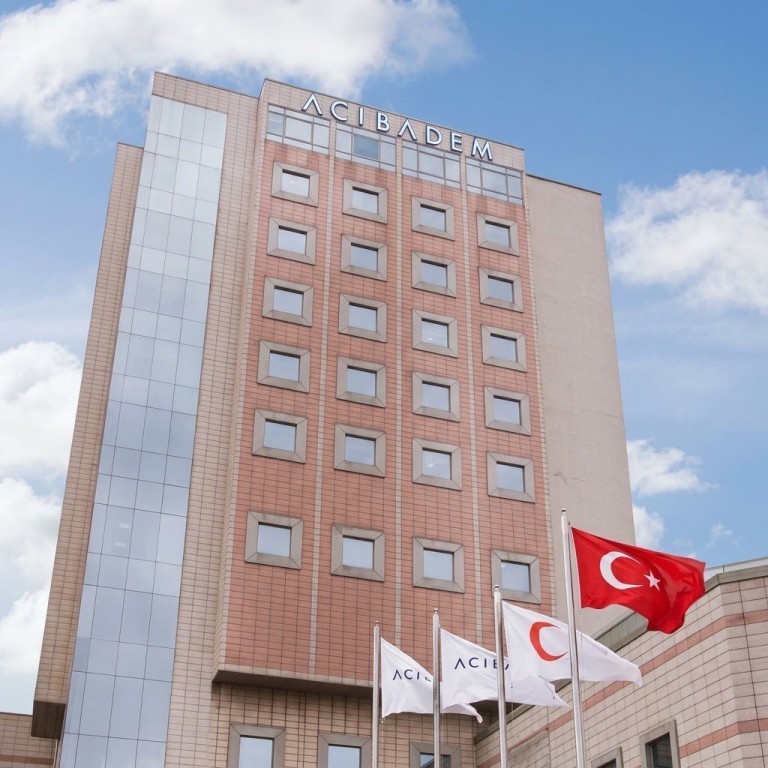
Available at these Hospitals










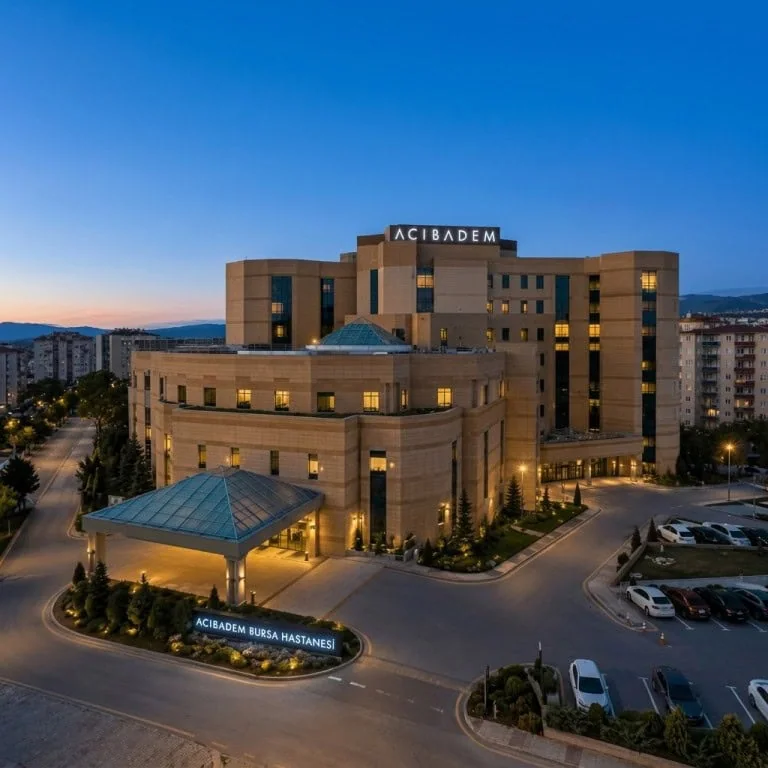
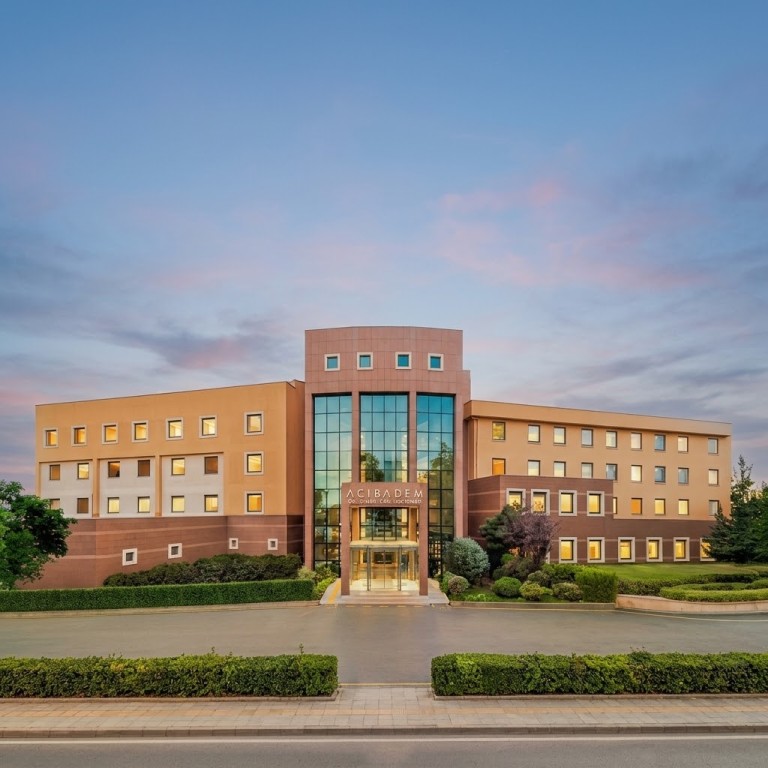

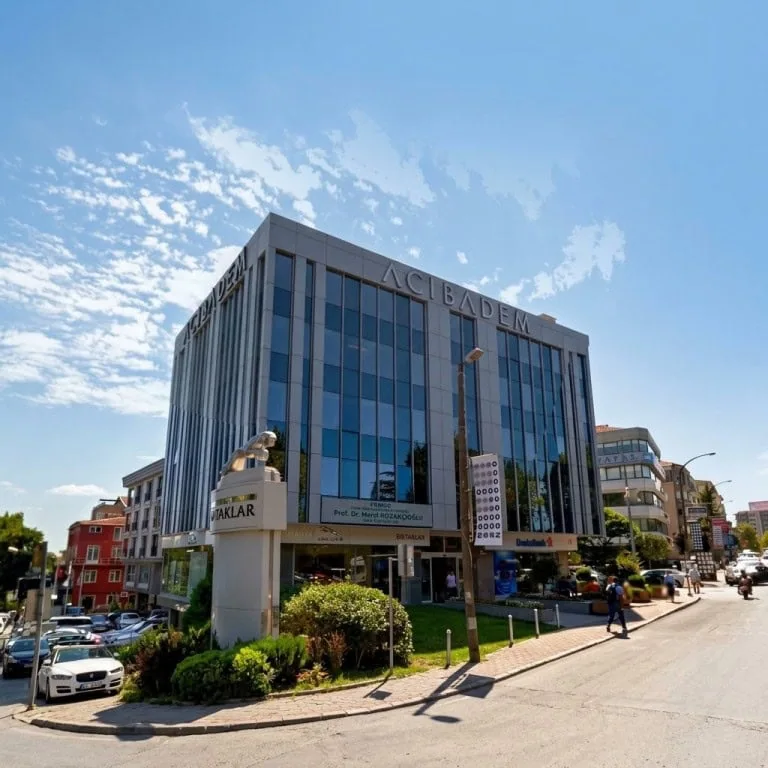




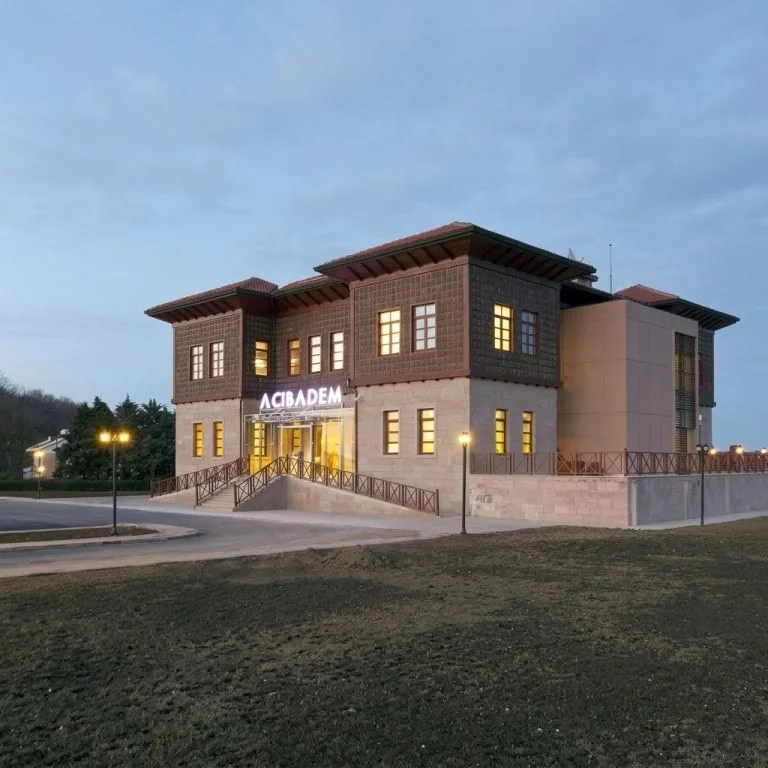
What patients say about this unit
★★★★★From 2,400+ verified patient reviews“My experience with dental implant treatment here restored my faith in medical care. Dr. Akan took the time to review my full history before recommending anything.”
“My dental implant treatment was handled with real skill and genuine care. Dr. Mutlu was calm, precise and deeply reassuring.”
“After struggling for a long time, I finally found the right care for my dental treatment here. The expertise of Dr. Candaner put my mind completely at ease. The facilities were spotless and modern.”
“I flew in specifically for dental treatment and was treated with the utmost professionalism. Dr. Subaşıoğlu was honest about my options instead of pushing treatment. The nursing staff were attentive and kind throughout.”
Comparison guides for this specialty
Speak with our medical team
Share your case and our international patient team will guide you to the right specialist, free of charge.