Mood and Behavior Changes in Brain Disorders: What Neuropsychiatry Treats

Neuropsychiatry bridges neurology and psychiatry to assess symptoms linked to brain function. Mood, personality, sleep, memory, and behavior changes can be part of a neurological condition.
Key Takeaways
- Neuropsychiatry bridges neurology and psychiatry to assess symptoms linked to brain function.
- Mood, personality, sleep, memory, and behavior changes can be part of a neurological condition.
- Evaluation may include medical history, neurological examination, cognitive testing, brain imaging, and lab tests.
- Treatment often combines medication, psychotherapy, rehabilitation, and care for the underlying brain disorder.
- Early assessment can improve safety, daily functioning, and quality of life for patients and families.
Neuropsychiatry focuses on mood, thinking, and behavior changes that are related to conditions affecting the brain and nervous system. It helps explain why these symptoms happen and guides care that addresses both mental health and neurological health together.
Overview: What Neuropsychiatry Treats
Neuropsychiatry is the area of medicine that looks at the connection between the brain and behavior. It focuses on emotional, cognitive, and personality changes that may happen when brain function is affected by illness, injury, or neurological disease. In simple terms, it helps when a person has mental health symptoms that may be linked to a medical condition involving the brain.
These symptoms can include depression, anxiety, irritability, agitation, apathy, hallucinations, confusion, impulsive behavior, poor judgment, sleep disruption, or major personality change. Sometimes the change is sudden, such as after a head injury or stroke. In other cases, it develops gradually, as may happen with dementia, epilepsy, Parkinson’s disease, multiple sclerosis, or other neurological disorders.
Neuropsychiatry does not treat symptoms as “all in the mind.” Instead, it looks for biological, psychological, and social factors together. This approach can be especially helpful when symptoms are complex, when diagnosis is unclear, or when both neurological and psychiatric care are needed at the same time.
Common Symptoms and Signs
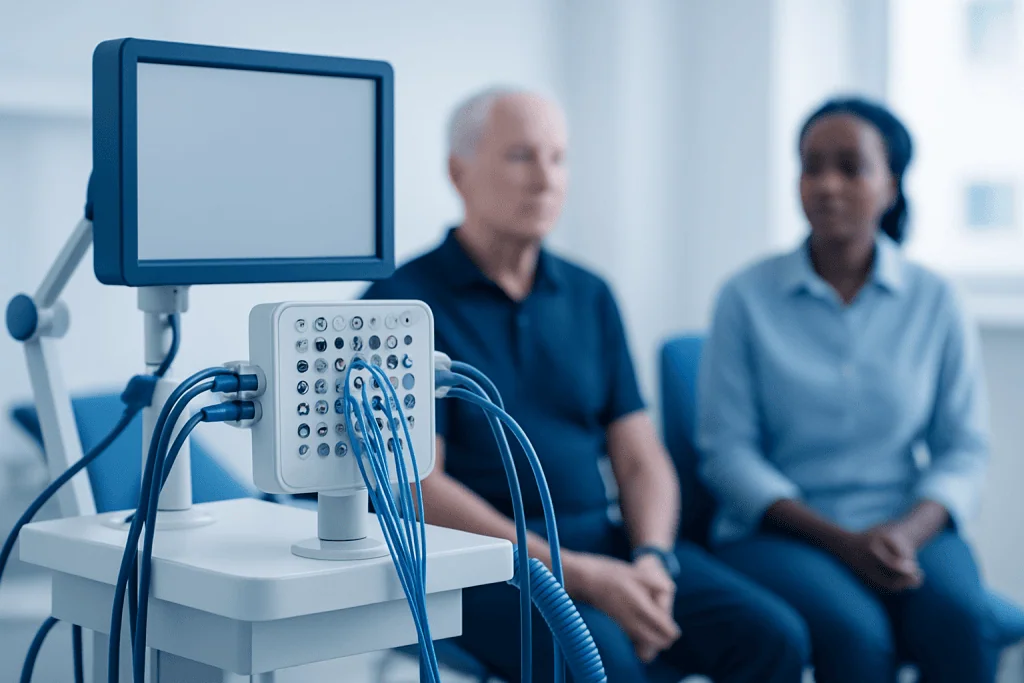
Mood and behavior changes related to brain disorders can look different from person to person. Some people become withdrawn, tearful, anxious, or unusually tired. Others may become restless, suspicious, emotionally flat, disinhibited, aggressive, or unable to control impulses. Family members are often the first to notice that “something feels different” even before the patient recognizes the change.
Cognitive symptoms are also common. A person may have difficulty paying attention, planning tasks, finding words, remembering appointments, or making decisions. Sleep problems, reduced motivation, lack of insight, and changes in social behavior can all be part of the picture. In some conditions, symptoms fluctuate from day to day.
Examples of neuropsychiatric symptoms may include:
- Persistent low mood or loss of interest
- Anxiety, panic, or excessive fear
- Irritability, anger, or sudden mood swings
- Memory loss or confusion
- Hallucinations or delusional thinking
- Apathy or lack of motivation
- Impulsivity or risky behavior
- Sleep disturbance and daytime drowsiness
Because these symptoms can overlap with primary psychiatric conditions, careful evaluation is important. A change in mood or behavior may be the first sign of an underlying brain disorder, or it may develop later as part of a known neurological illness.
Causes and Risk Factors

Many different brain-related conditions can lead to neuropsychiatric symptoms. These include stroke, traumatic brain injury, epilepsy, brain tumors, infections of the nervous system, autoimmune diseases, neurodegenerative disorders, and complications of chronic medical illness. Conditions such as Parkinson's disease, Alzheimer's disease, and multiple sclerosis may affect not only movement or memory but also mood, behavior, and personality.
Chemical and structural changes in the brain can affect circuits involved in emotion, judgment, motivation, and perception. For example, injury to the frontal lobes may influence self-control and planning, while changes in deeper brain networks may affect mood, reward, and sleep. Seizures, inflammation, hormonal shifts, and medication side effects can also contribute.
Risk factors depend on the underlying condition but may include older age, previous neurological disease, head trauma, vascular risk factors such as high blood pressure or diabetes, substance use, severe stress, and a personal or family history of psychiatric illness. Even when there is a clear neurological trigger, emotional distress from living with a chronic disease can make symptoms worse.
It is also important to remember that not every mood change in a person with a brain disorder is caused directly by brain damage. Pain, reduced independence, communication difficulties, poor sleep, and social isolation can all play a role. Neuropsychiatry aims to understand the full picture rather than assuming a single cause.
How Neuropsychiatric Conditions Are Diagnosed
Diagnosis starts with a detailed conversation about symptoms, when they began, how they changed over time, and how they affect daily life. Doctors usually ask about memory, sleep, medications, alcohol or drug use, medical illnesses, and family history. Input from a spouse, relative, or caregiver can be very valuable, especially if the patient has limited insight or memory problems.
A neurological examination and a mental status assessment are often part of the evaluation. These help identify changes in thinking, language, attention, movement, balance, and emotional expression. Depending on the situation, formal neuropsychological testing may be recommended to assess memory, executive function, processing speed, and other cognitive abilities in more detail.
Tests may be used to look for underlying causes or rule out urgent problems. These can include blood tests, brain imaging such as MRI or CT, EEG when seizures are suspected, and sometimes sleep studies or lumbar puncture. If treatment side effects or metabolic problems are possible, doctors may review current medicines and screen for issues such as thyroid disease, vitamin deficiency, infection, or delirium.
The goal is not only to assign a diagnosis but also to understand which symptoms are most troubling, which risks need attention, and which treatments are likely to help. In many cases, the most effective care plan comes from coordinated work between neurology, psychiatry, psychology, rehabilitation, and primary care.
Treatment Options
Treatment depends on the cause, symptom pattern, and the person’s overall health. When possible, doctors first treat the underlying brain disorder and correct contributing medical issues. At the same time, they may recommend therapies to reduce distressing psychiatric symptoms, improve function, and support safety at home and in the community.
Common treatment approaches include medication, psychological therapy, and structured rehabilitation. Medicines may be used to treat depression, anxiety, psychosis, sleep disturbance, agitation, or attention problems when appropriate. Because people with neurological conditions can be more sensitive to side effects, treatment is usually individualized and monitored carefully. Psychotherapy can help patients and families cope with loss, uncertainty, frustration, and changes in identity or relationships.
Rehabilitation and supportive care are often essential. Depending on the person’s needs, this may include neurological rehabilitation, cognitive therapy, occupational therapy, speech and language therapy, or social work support. Some patients also benefit from evaluation in psychiatry and specialist neurology services when symptoms overlap across both fields.
For progressive disorders or complex cases, follow-up is especially important. Symptoms may change over time, and treatment may need adjustment as memory, mobility, sleep, or behavior changes. Education for caregivers is a key part of care, since family members often help manage routines, medications, communication, and safety.
Prevention, Self-care, and Family Support
Not all neuropsychiatric conditions can be prevented, but healthy habits may reduce risk and support brain health. Managing blood pressure, cholesterol, diabetes, and sleep problems can help lower the risk of some brain disorders. Avoiding head injury, limiting alcohol, not using illicit drugs, and staying socially and mentally active may also support long-term neurological and emotional well-being.
For people already living with a brain disorder, self-care focuses on routine and stability. Regular sleep, balanced meals, physical activity within the person’s ability, medication adherence, and a calm daily structure can reduce stress and improve symptoms. Keeping a symptom diary may help identify triggers such as poor sleep, overstimulation, missed medicines, or infection.
Family support matters greatly. Loved ones can help by speaking calmly, simplifying choices, maintaining familiar routines, and noticing warning signs early. It can also be helpful to adapt the home for safety, especially when confusion, falls, wandering, or impulsive behavior are concerns.
Caregivers should also protect their own health. Support groups, respite care, counseling, and practical advice from the clinical team can make daily care more manageable. Near the end of the treatment journey, some families seek coordinated assessment at centers such as Acibadem International, where multidisciplinary specialists in JCI-accredited hospitals evaluate neurological and psychiatric symptoms together for international patients.
When to See a Doctor
A doctor should be consulted if there is a new or unexplained change in mood, behavior, memory, sleep, or personality, especially when the change affects work, relationships, self-care, or safety. Medical assessment is also important when a person with a known neurological condition develops sudden confusion, hallucinations, severe agitation, or a rapid decline in function.
Urgent medical attention is needed for warning signs such as suicidal thoughts, violent behavior, sudden weakness, trouble speaking, seizure, loss of consciousness, high fever with confusion, or abrupt mental status change. These may signal a medical emergency rather than a routine mental health problem.
Even milder symptoms are worth discussing if they persist or worry the patient or family. Early recognition can lead to treatment that improves comfort, independence, and quality of life. A qualified clinician can help determine whether the symptoms are related to stress, a primary mental health condition, medication effects, or an underlying brain disorder.
Frequently asked questions
What is the difference between neuropsychiatry and psychiatry?
Psychiatry focuses on mental health conditions such as depression, anxiety, bipolar disorder, and psychosis. Neuropsychiatry specifically looks at mental and behavioral symptoms that may be linked to brain function, neurological illness, or brain injury. The two fields overlap, and some patients benefit from both.
Can a brain disorder cause depression or anxiety?
Yes. Changes in brain structure, chemistry, inflammation, sleep, and daily functioning can all contribute to depression or anxiety in neurological disease. Emotional reactions to diagnosis and disability may also play a role, so both medical and psychological factors are considered.
Are personality changes a sign of a neurological problem?
They can be. A noticeable change in judgment, social behavior, empathy, motivation, or impulse control may happen in some brain disorders, especially if frontal brain networks are affected. Because personality changes can also have psychiatric or medical causes, proper evaluation is important.
How is neuropsychiatric testing done?
Testing usually starts with a clinical interview, neurological examination, and mental status assessment. Some people also have formal cognitive testing to measure memory, attention, language, and problem-solving. Brain imaging or laboratory tests may be added if doctors need to look for an underlying cause.
Can neuropsychiatric symptoms improve with treatment?
Many can improve, especially when the cause is identified early and treated appropriately. Treatment may not remove every symptom, but it can reduce distress, improve daily functioning, and support the family. Progress often comes from combining medical care, therapy, rehabilitation, and practical support.
When should a family seek urgent help?
Urgent help is needed if a person has suicidal thoughts, severe confusion, violent behavior, hallucinations with unsafe actions, a seizure, loss of consciousness, or symptoms of stroke. Sudden mental status change should always be taken seriously, particularly in someone with a known neurological condition.
References
- World Health Organization
- National Institute of Mental Health
- National Institute of Neurological Disorders and Stroke
- American Psychiatric Association
- Alzheimer's Association
This article is for general information only and is not a substitute for professional medical advice. Please consult a qualified doctor about your individual situation.
Neuropsychiatry in Turkey — costs, top hospitals & a free quote
JCI-accredited · board-certified surgeons · reply within 24h
Add us as a Preferred Source to see more of our trusted health content across Google Search, AI Overviews and Discover.
Check your numbers in seconds
BMI, calories, due date, blood pressure and 30+ more clinical calculators — free, instant, doctor-reviewed ranges.